There's a certain kind of quiet desperation that clings to the edges of suburbia, a feeling perfectly captured, distilled, and then refracted through a peculiar, deadpan lens in Hal Hartley's 1990 gem, Trust. Finding this on a video store shelf back in the day felt like uncovering a secret transmission. It didn't scream its presence like the action blockbusters or lurid horrors nearby; instead, its stark cover art and minimalist title hinted at something... different. And different it certainly was. This wasn't just a movie; it felt like stumbling into an alternate reality operating under slightly skewed laws of physics and conversation.
An Unlikely Intersection
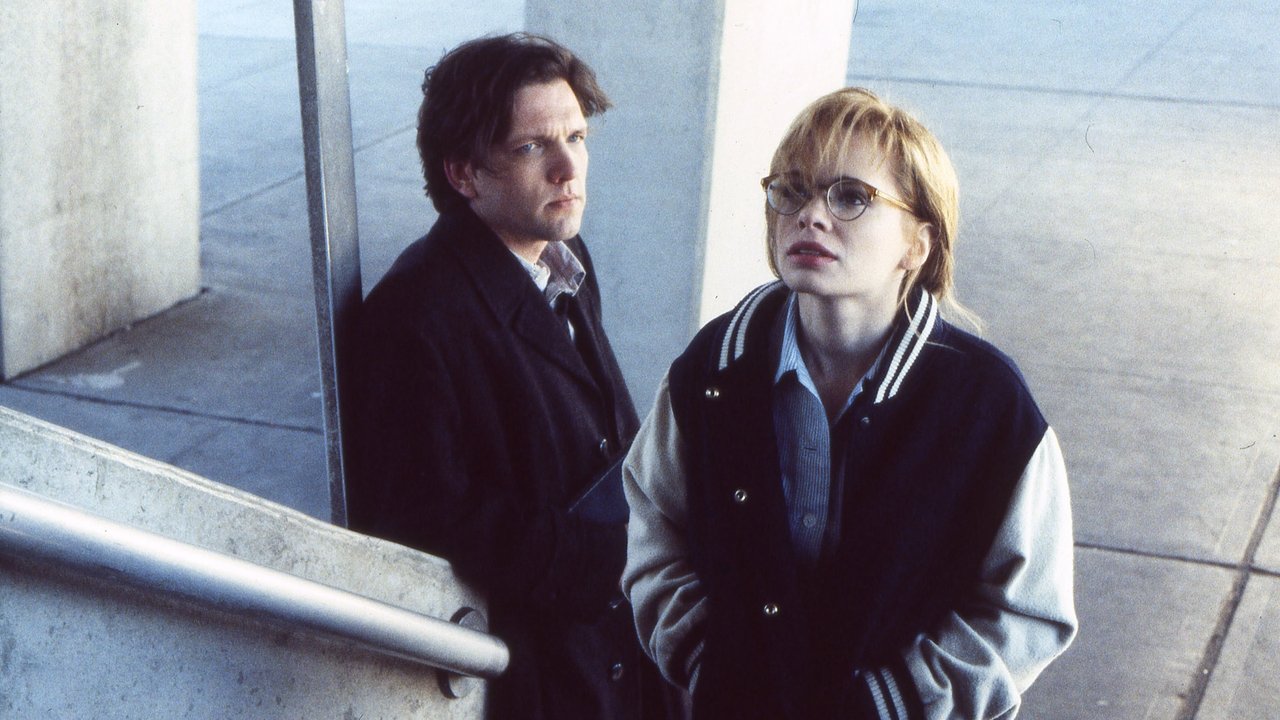
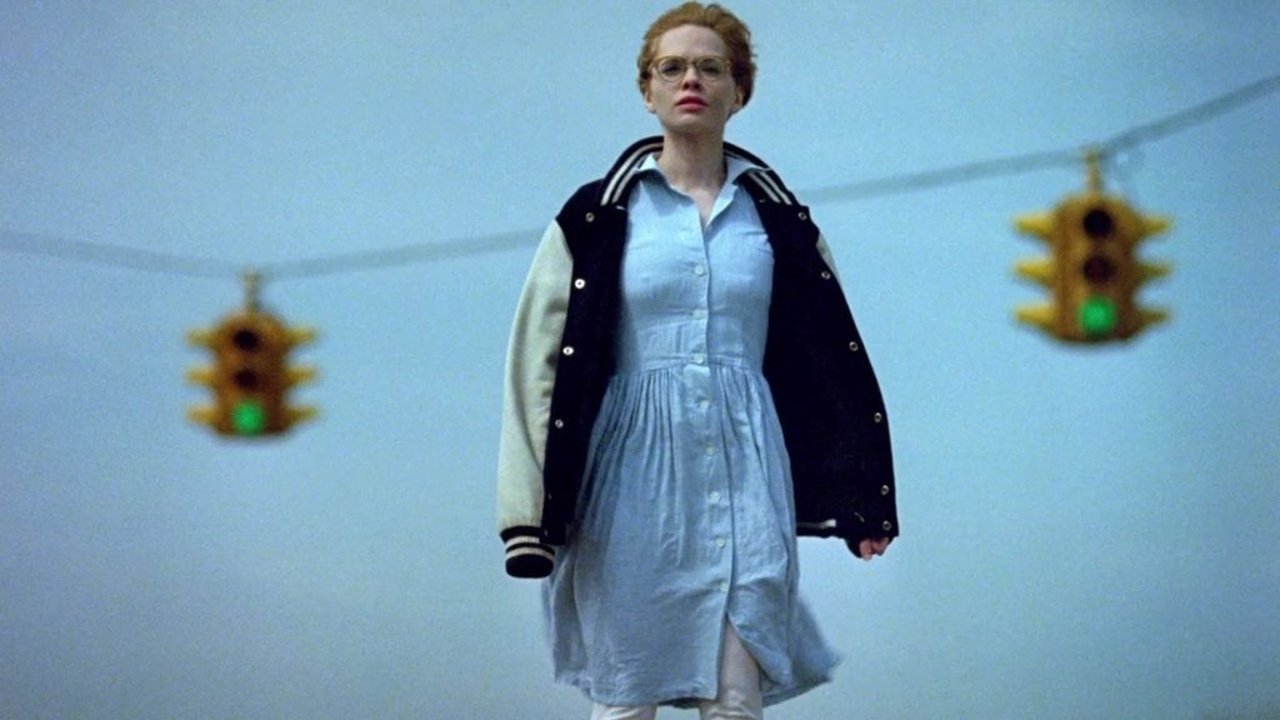
The film throws us immediately into the deep end with Maria Coughlin (Adrienne Shelly), a pregnant high school senior whose life implodes within the first few minutes. After revealing her pregnancy, her boyfriend dumps her, her father literally drops dead from shock, and her mother kicks her out. It’s a cascade of catastrophe delivered with a shocking bluntness that sets the tone for everything that follows. Wandering adrift in her Long Island town, she encounters Matthew Slaughter (Martin Donovan), an intensely principled, brooding intellectual who has just quit his job fixing computers because his boss demanded ethical compromises. He carries a live hand grenade in his briefcase, not out of malice, but as a symbol of potential consequence in a world he finds increasingly meaningless. Their meeting is less meet-cute, more collision of shared existential bewilderment.
The Hartley Vernacular
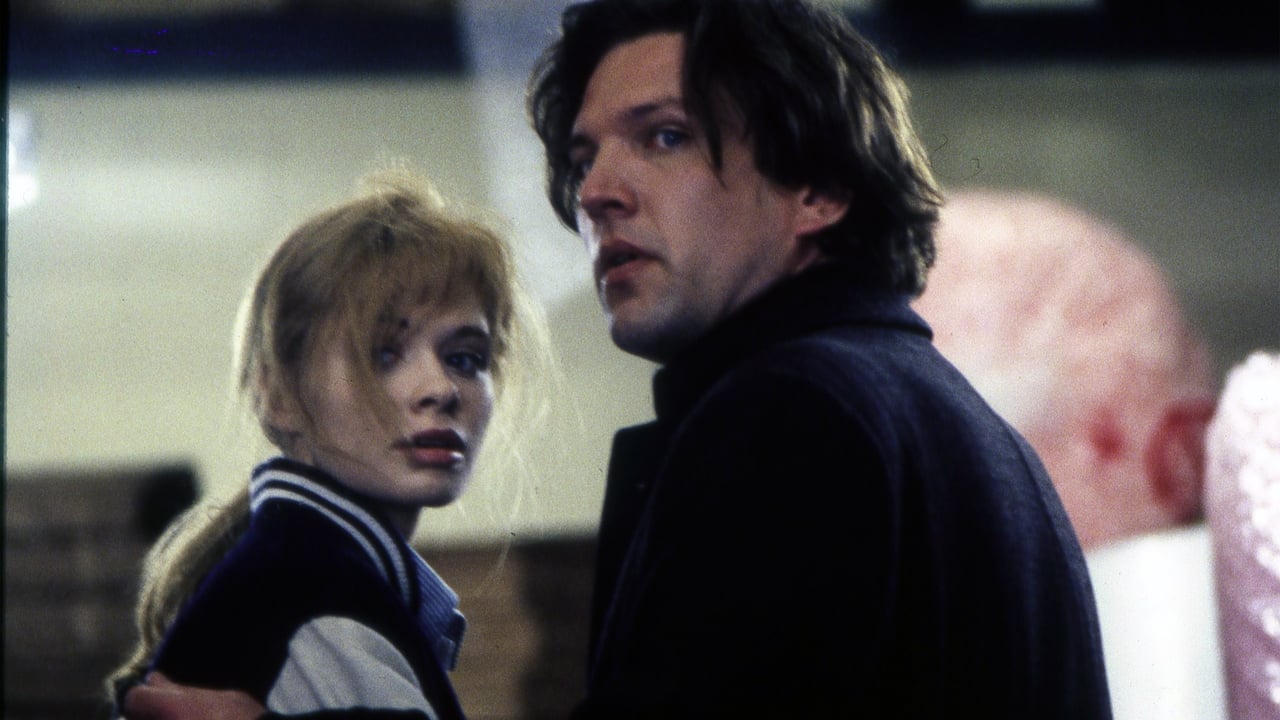
What makes Trust (and indeed, much of Hal Hartley’s early work, forming a loose Long Island trilogy with The Unbelievable Truth (1989) and Simple Men (1992)) so distinct is its voice. The dialogue is famously stylized – declarative, rhythmic, almost affectless, yet laden with subtext and unexpected philosophy. Characters speak in pronouncements, often directly facing the camera or positioned in meticulously composed frames. It's a style that can feel alienating at first, a deliberate distancing effect. But stick with it, and you find a strange poetry, a dark humour born from the absurdity of characters trying to articulate profound feelings and ideas with a vocabulary that seems both hyper-literate and emotionally stunted. Hartley creates a world where intense vulnerability hides beneath a veneer of almost robotic stoicism. Watching it again now, it feels like a direct precursor to the kind of mannered indie dialogue that became more commonplace later in the decade, but rarely with Hartley’s unique blend of intellect and heart.
Anchors in the Absurd
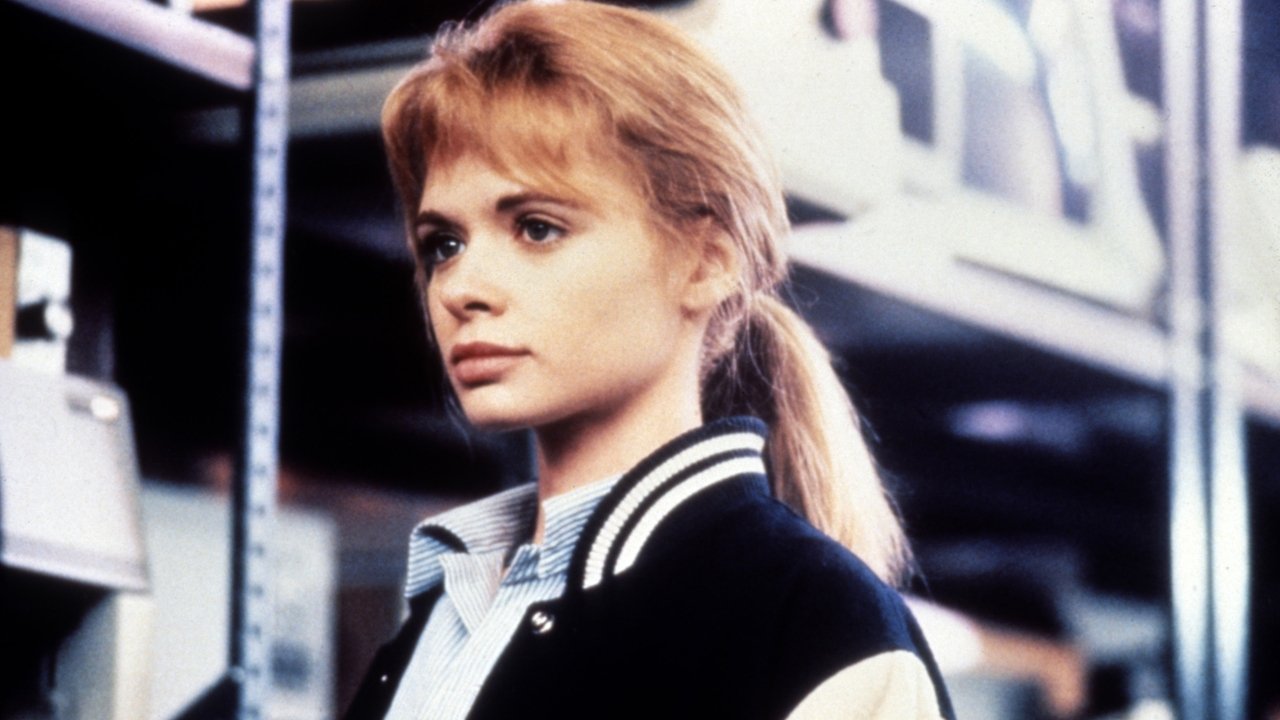
The film rests squarely on the shoulders of its two leads. Adrienne Shelly, who would tragically leave us far too soon but later gift us the wonderful Waitress (2007) as a writer/director, is captivating as Maria. She embodies teenage volatility – impulsive, naive, prone to dramatic pronouncements ("I'm going to find someone to love me, respect me, and admire me!"), yet possessing an underlying core of resilience and a desperate need for genuine connection. Her journey from petulant anger to a fragile understanding of commitment is the film's emotional centre.
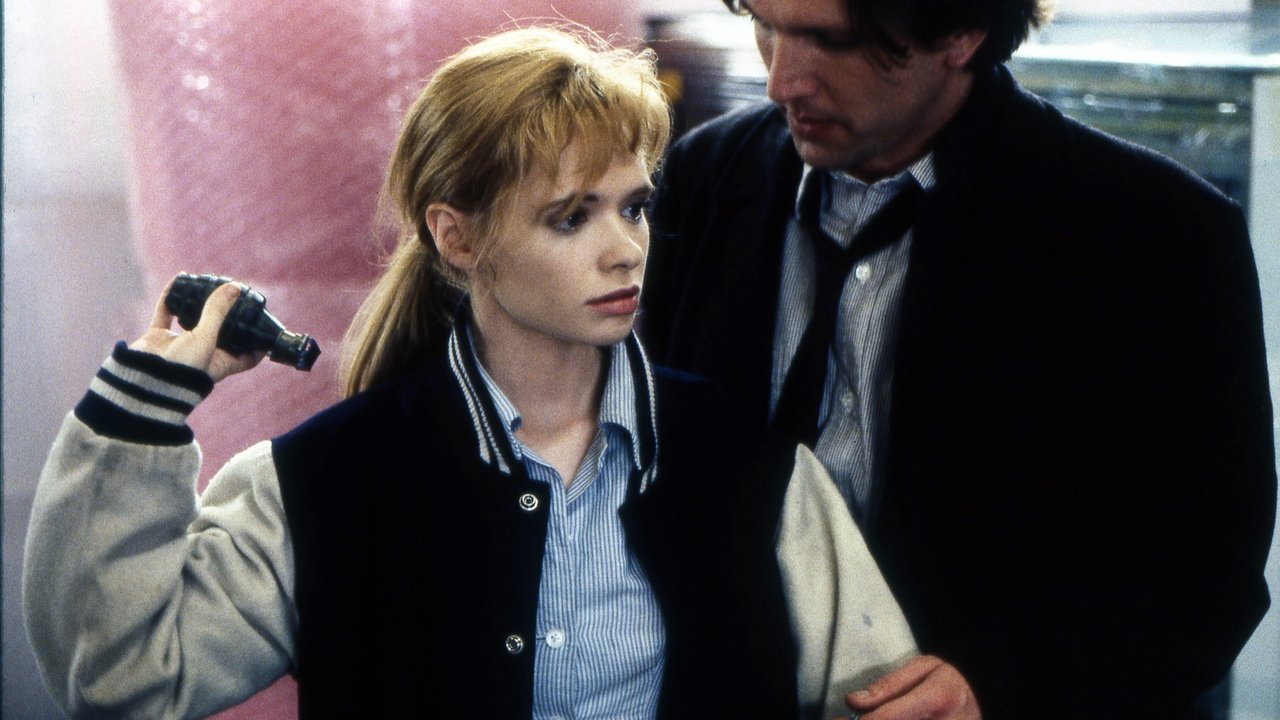
Opposite her, Martin Donovan, a frequent Hartley collaborator, is perfect as Matthew. His intellectual intensity and rigid moral code make him seem almost alien, yet Donovan finds the flicker of humanity beneath the surface. His monologues on responsibility, the corrupting nature of compromise, and the simple desire for respect are delivered with a quiet conviction that’s both compelling and slightly unnerving. Their chemistry is unconventional; it’s not about passionate embraces but about finding a strange, shared rhythm in their clipped exchanges, a mutual recognition of being adrift in the same baffling sea. We also can't overlook Merritt Nelson as Maria's exasperated, pragmatic mother, embodying the suffocating normalcy that both Maria and Matthew are reacting against.
Behind the Deadpan: Grit and Craft
Trust was famously made on a shoestring budget, reportedly around $70,000 (which, even adjusted for inflation, is remarkably low – about $164,000 today). This constraint arguably shaped its aesthetic: the static camera, the focus on performance and dialogue over elaborate set pieces, the use of mundane Long Island locations that Hartley transforms into spaces of existential weight. There’s an anecdote about the hand grenade prop – apparently, it was a real, deactivated grenade, adding a literal layer of tension to Matthew's character Kurosawa-style. The film found critical acclaim at the Sundance Film Festival, winning the Waldo Salt Screenwriting Award and helping solidify Hartley's place as a key voice in American independent cinema. Discovering it on VHS felt like you were in on the ground floor of something important, something outside the mainstream pipeline.
Finding Faith in a Cold World
What lingers after watching Trust? It’s a film that asks profound questions beneath its quirky surface. What does it mean to truly trust someone in a world that often feels indifferent or hostile? How do we navigate familial and societal expectations when they feel fundamentally hollow? Can two profoundly damaged people find solace, maybe even a form of love, in simply acknowledging each other's pain and confusion? The film doesn't offer easy answers. The ending is hopeful, perhaps, but cautiously so. It suggests that connection is possible, but requires a leap of faith, a willingness to risk vulnerability even when logic dictates otherwise. Doesn't that tension between cynicism and hope feel particularly resonant, even decades later?
Rating: 8/10
This score reflects Trust's brilliance as a unique piece of early 90s independent filmmaking. Its distinctive voice, sharp writing, perfectly pitched performances from Shelly and Donovan, and thoughtful exploration of alienation and connection make it a standout. The deliberately stylized dialogue and pacing might not be for everyone, acting as a barrier for some viewers, which keeps it from a higher score. However, for those willing to tune into its specific wavelength, it’s a deeply rewarding, funny, and surprisingly moving experience that captures a particular suburban angst with uncanny precision.
Trust remains a potent little hand grenade of a movie – compact, potentially dangerous, and impossible to ignore once you've encountered it. It’s a reminder that sometimes the quietest films leave the loudest echoes in our minds.