There's a certain kind of chill that settles in the air when a film presents a premise so calculatingly cruel, yet undeniably human in its flawed motivations. La Discrète (1990), or The Discreet as we knew it flickering on our CRTs from those slightly more obscure rental shelf discoveries, begins with just such a conceit. It’s not a ghost or a monster that provides the unease, but the meticulously planned emotional vivisection proposed by one man upon an unsuspecting woman, all in the name of literature. It forces you to lean in, perhaps uncomfortably, and ask: how far can observation go before it becomes destruction?
A Writer's Cruel Bargain
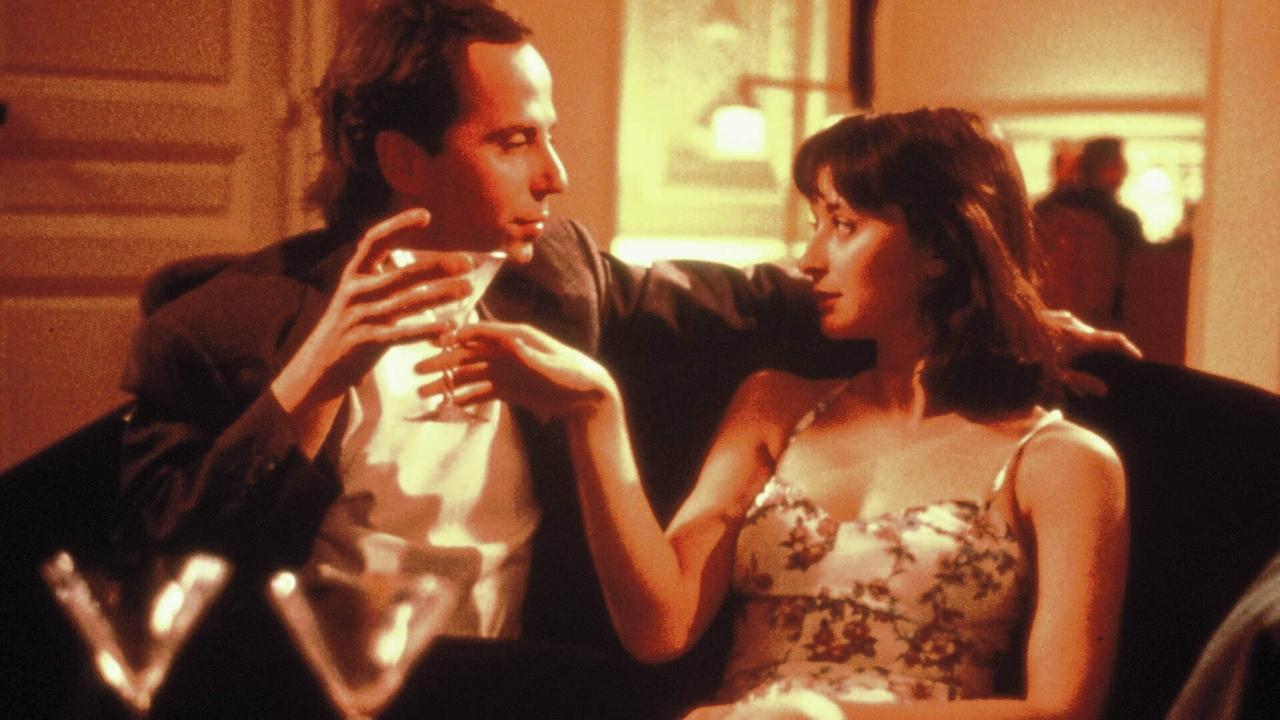
At the heart of this sharp, dialogue-driven piece is Antoine, played with an almost unnerving verbosity by Fabrice Luchini. Freshly scorned and nursing a bruised ego, Antoine is a writer searching for his next subject, his next angle. His elderly, worldly-wise publisher, Jean (Maurice Garrel, projecting quiet authority), offers a cynical path to both literary success and personal vengeance: seduce an ordinary woman, meticulously document her every word and gesture, build her hopes, and then discard her ruthlessly. The resulting emotional fallout will be the raw material for Antoine's next novel. It's a pact sealed not with blood, but with the ink of anticipated betrayal. Finding this kind of film nestled in the 'Foreign Language' section of the video store often felt like unearthing a secret – a stark contrast to the explosions and car chases dominating the main aisles, offering a different kind of intensity altogether.
The Observer and The Observed
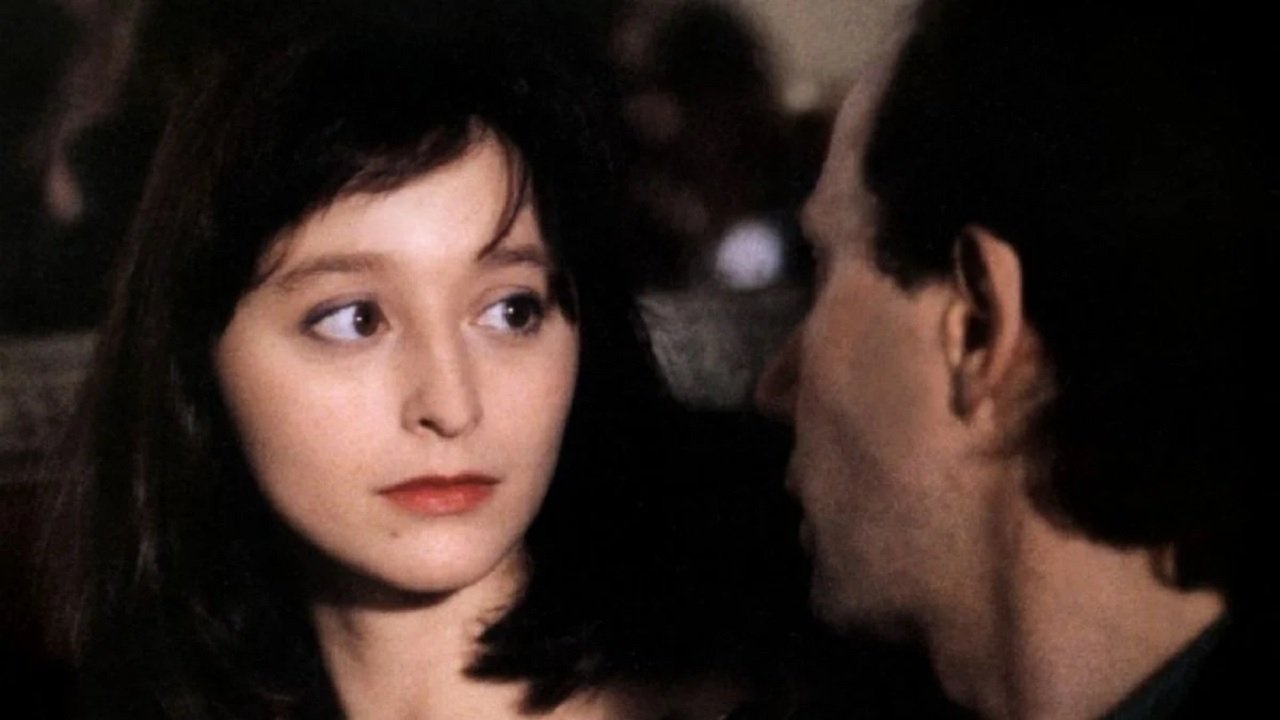
The chosen subject is Catherine (Judith Henry), a seemingly unremarkable typist and student. Antoine begins his calculated courtship, notebook always metaphorically (and sometimes literally) at the ready. What makes La Discrète so compelling, and frankly, often uncomfortable, is the tightrope walk between Antoine's detached observations and the potential for genuine human connection. Luchini, already known for his work with directors like Éric Rohmer (Full Moon in Paris), delivers a career-defining performance here. He perfectly embodies the intellectual arrogance masking deep insecurity, his rapid-fire monologues both dazzling and defensive. You see the writer constantly analyzing, framing, searching for the perfect cruel phrase, yet glimpses of something less guarded occasionally flicker through.
Opposite him, Judith Henry, in a stunning breakout role that rightly earned her a César Award for Most Promising Actress, is captivating in her quietness. Is Catherine truly the naive, "discreet" victim Antoine perceives her to be? Or is there a shrewdness, a hidden awareness behind her reserved demeanor? Henry plays this ambiguity beautifully, making Catherine far more than just a pawn in Antoine's game. Her subtle reactions, the moments of hesitation or quiet defiance, become crucial anchor points against Antoine's intellectual onslaught. Their scenes together are less about traditional romance and more about a fascinating, unequal power dynamic constantly threatening to shift.
Parisian Intellect and Emotional Disconnect
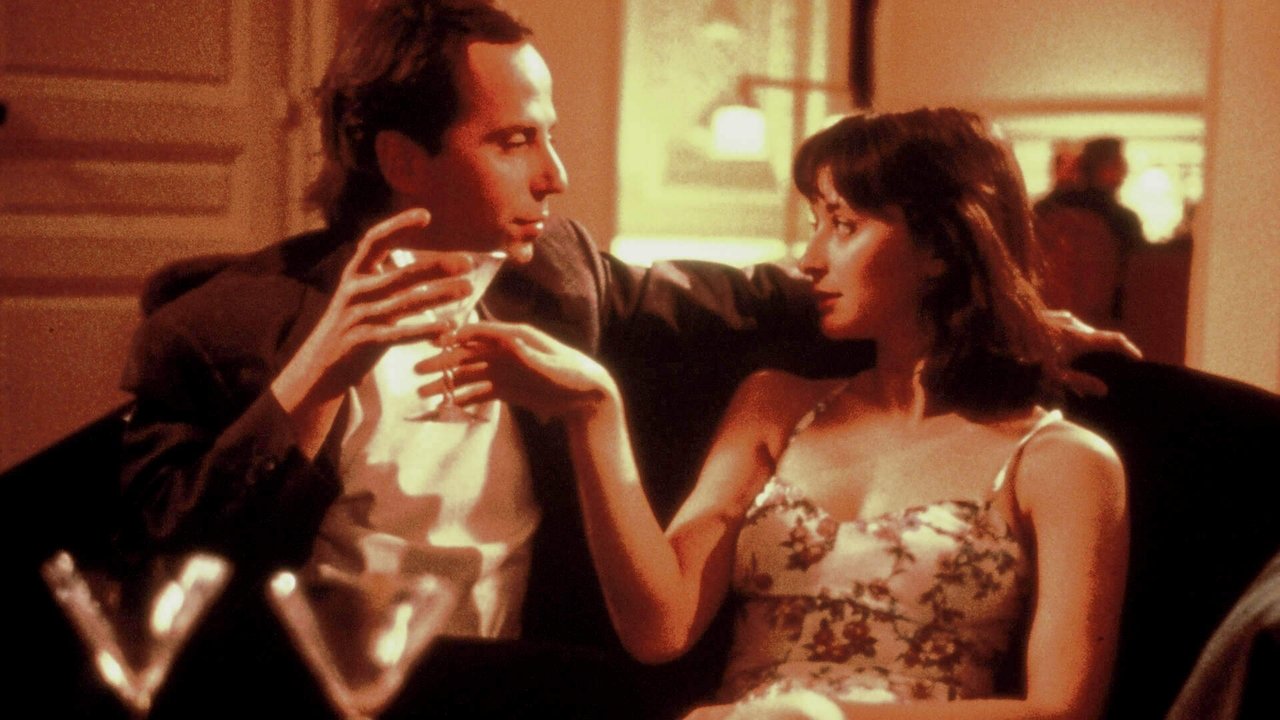
Director Christian Vincent, in his remarkable debut feature (which swept several Césars, including Best First Film and Best Screenplay), crafts a specific mood. This isn't the romantic, postcard Paris; it's a city of cafes, apartments, and offices where intellectual sparring and emotional maneuvering unfold. The film lives and breathes through its dialogue – witty, cutting, and revealing. It’s a testament to the screenplay, co-written by Vincent and Jean-Pierre Ronssin, that a film so reliant on conversation feels utterly gripping. It achieved surprising success in France, proving that audiences were hungry for intelligent, character-driven drama even amidst the louder cinematic trends of the era.
The film cleverly explores the potentially vampiric nature of writing. Does documenting life inevitably distort or destroy it? Antoine uses his literary ambition as a shield, a justification for his emotional cowardice and cruelty. Jean, the mentor figure, represents a kind of detached, almost nihilistic wisdom that encourages this path. We're left pondering the ethics of observation, the responsibility that comes with wielding words, and the corrosive effect of cynicism on the human spirit. Does Antoine learn anything, or simply gather material? The film resists easy answers.
Beyond the Premise
While the central conceit is potent, La Discrète offers more than just its provocative setup. It’s a nuanced character study, a reflection on male ego and vulnerability, and a subtly rendered portrait of Parisian life. The low-budget feel, rather than being a detriment, adds to the intimacy and realism. There are no flashy effects or elaborate set pieces; the focus remains squarely on the performances and the razor-sharp script. Finding it on VHS felt like a sophisticated treat, a reminder that cinema could explore complex human behaviour with intelligence and style, relying on words and actors rather than spectacle.
---
Rating: 8.5/10
La Discrète earns its high marks for its superb, career-defining performances, particularly from Fabrice Luchini and Judith Henry, its intelligent and biting screenplay, and Christian Vincent's confident direction in his debut. It's a film that provokes thought long after the credits roll, challenging viewers with uncomfortable questions about art, manipulation, and the messy terrain of human relationships. The lack of easy resolution and the morally ambiguous characters might not satisfy everyone, but for those seeking a sharp, adult drama driven by exceptional acting and writing, it remains a potent and rewarding watch.
It lingers, not with warmth, perhaps, but with the unsettling chill of recognition – the understanding that the line between observing life and exploiting it can be perilously thin. What truly lies behind the discreet facade, whether of a person or a writer's intentions, remains the film's most haunting question.