There's a certain quiet ache that lingers after watching John Duigan's Flirting (1991), a feeling beautifully intertwined with the pangs of adolescent longing and the thrill of discovering a kindred spirit in the most unlikely, restrictive circumstances. It wasn't a film that shouted from the New Releases shelf at the video store; it was more likely tucked away, perhaps in the Drama section or, if you were lucky, a burgeoning 'World Cinema' corner. Finding it felt like uncovering a small, perfectly formed gem – a feeling that, thankfully, hasn't diminished with time. This Australian coming-of-age story speaks softly, but its resonance carries across the decades.
Echoes Across the Quadrangle
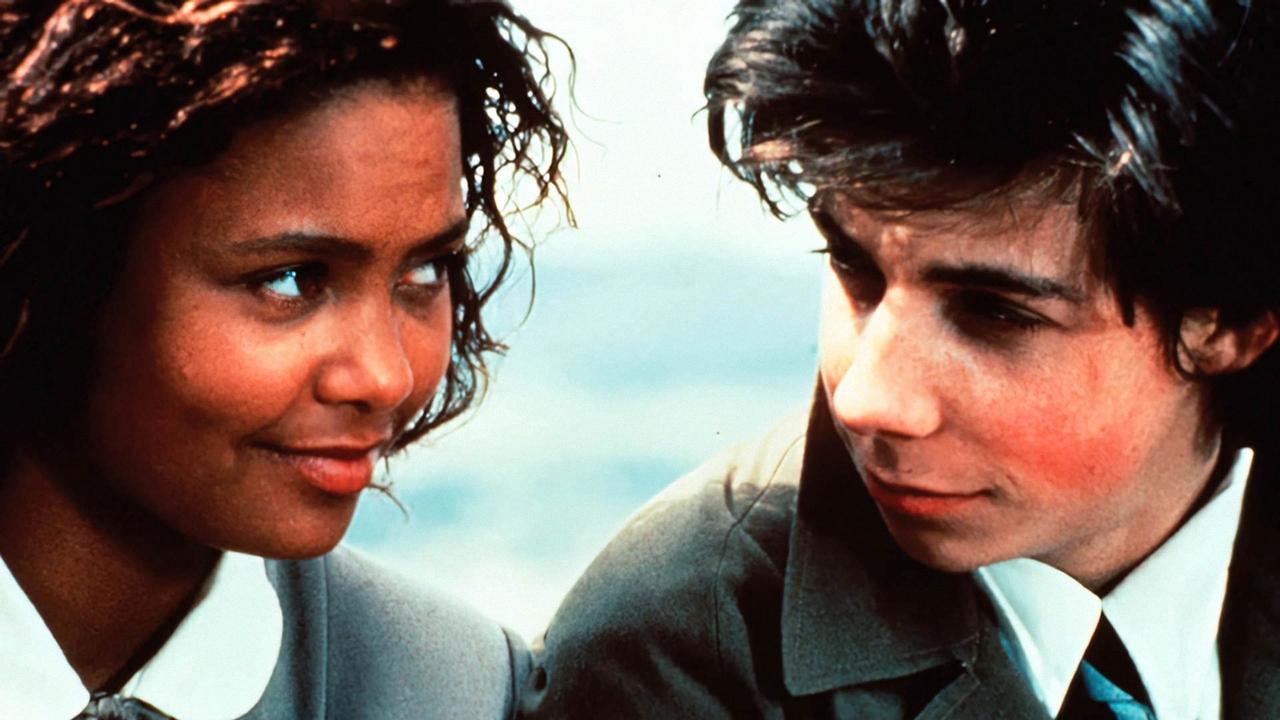
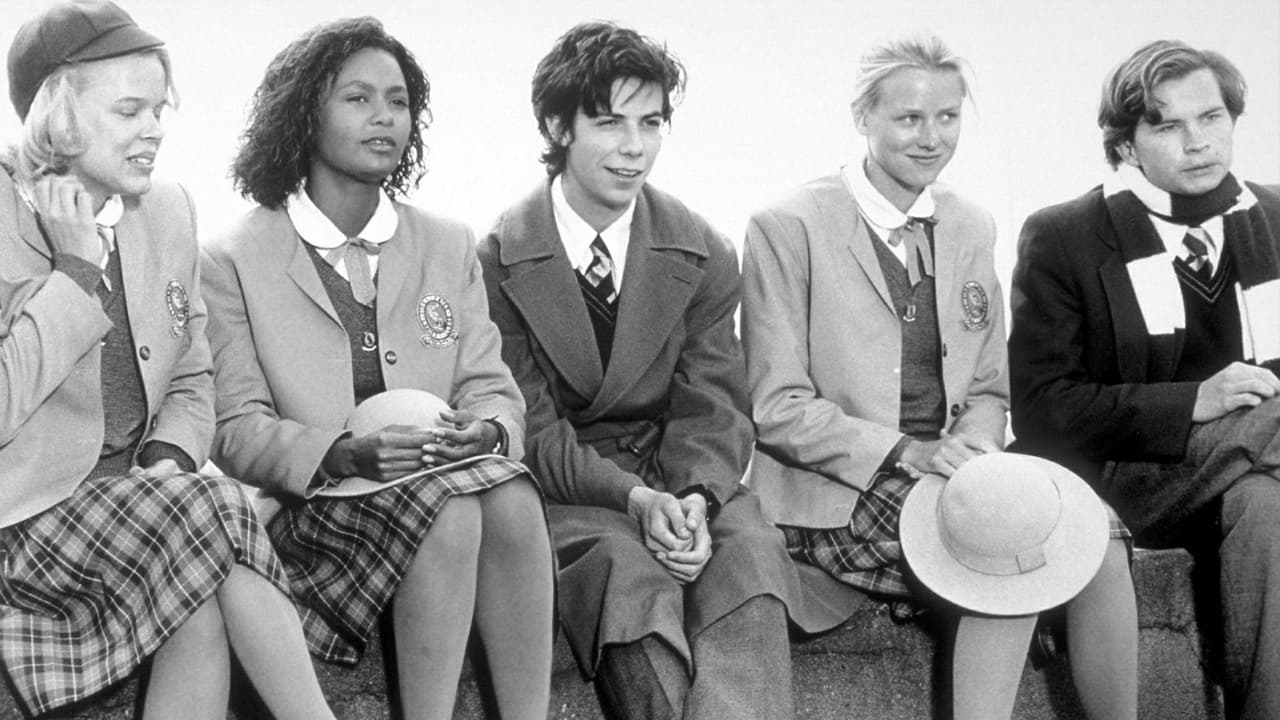
Set in the starkly segregated world of two adjacent Australian boarding schools in the mid-1960s – one for boys, one for girls – Flirting immediately immerses us in an atmosphere thick with rules, petty tyrannies, and the simmering hormones of youth desperate for connection. We rejoin Danny Embling (Noah Taylor), the stuttering, existentialist protagonist from Duigan’s earlier film, The Year My Voice Broke (1987). Taylor, reprising his role, embodies Danny not as a hero, but as an authentic, awkward observer, his sharp intellect often hidden behind a shield of sarcasm and physical discomfort. He’s a fish out of water, grappling with Camus and chafing against the conformist pressures of institutional life. Does anyone navigate those teenage years feeling like they truly fit in? Danny’s struggle feels achingly familiar.
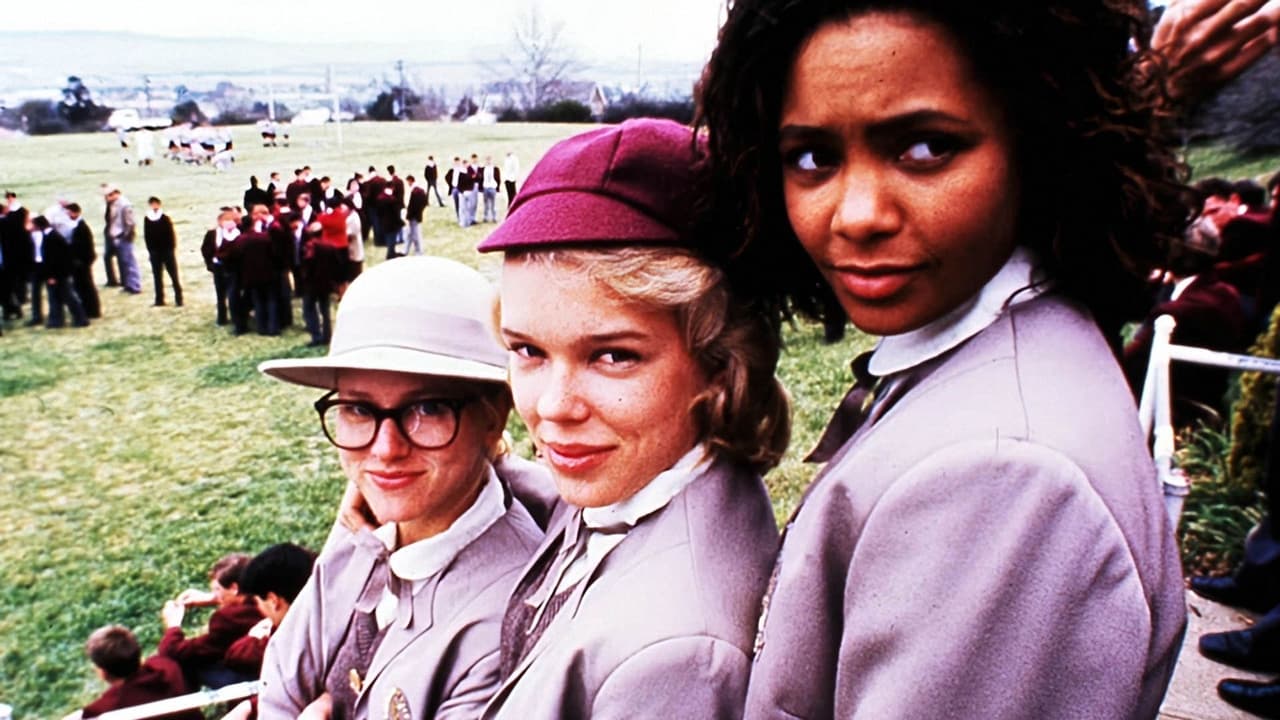
His world cracks open, however, with the arrival of Thandiwe Adjewa (Thandiwe Newton, in a stunning film debut) at the girls' school. She's sophisticated, intelligent, and Ugandan – an outsider in her own right within the overwhelmingly white, privileged environment. Their connection isn't instant fireworks, but a slow, magnetic pull; a recognition of shared intelligence and non-conformity across the literal and figurative fences separating them. Their clandestine meetings, filled with tentative touches and earnest conversations, become pockets of genuine warmth and rebellion against the suffocating backdrop.
Performances That Breathe
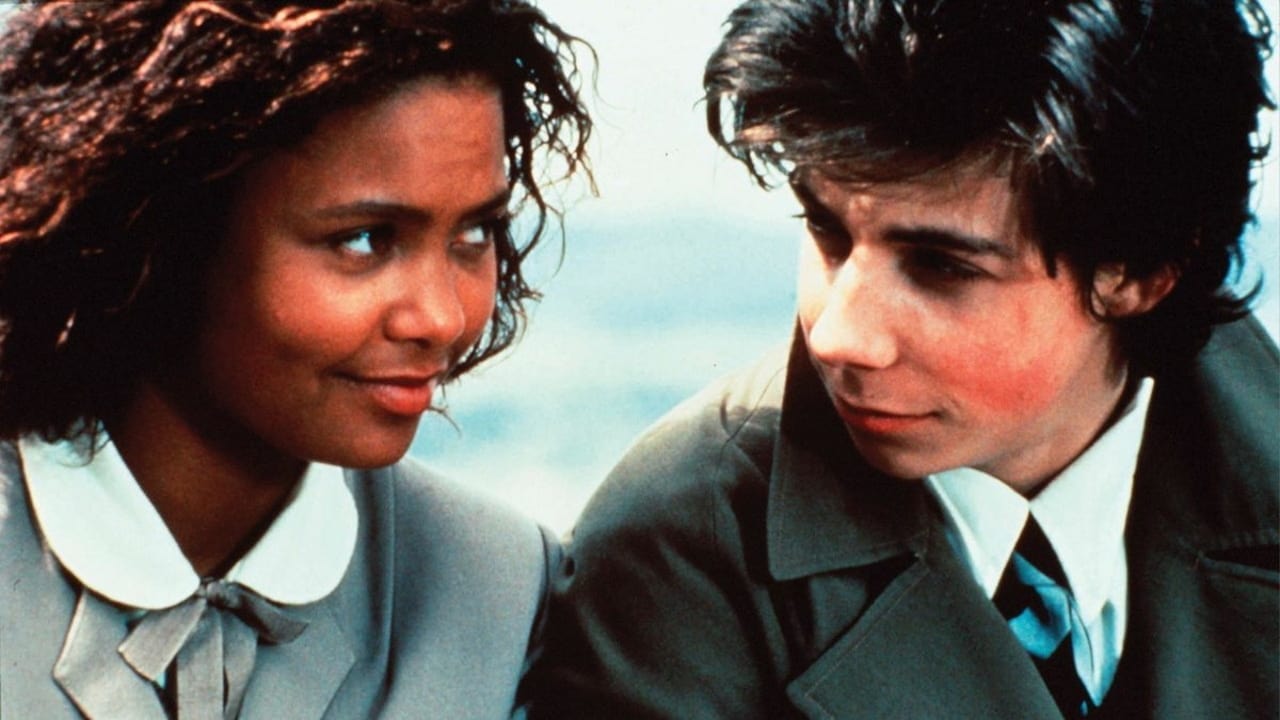
The film rests squarely on the shoulders of its young leads, and they are simply captivating. Noah Taylor, already proving himself a master of conveying adolescent turmoil in The Year My Voice Broke, deepens Danny's character here. His physicality – the slight hunch, the averted gaze, the sudden bursts of eloquent frustration – speaks volumes. He makes Danny’s intellectualism feel earned, not just scripted. You believe this is a young man wrestling with big ideas while navigating small, everyday cruelties.
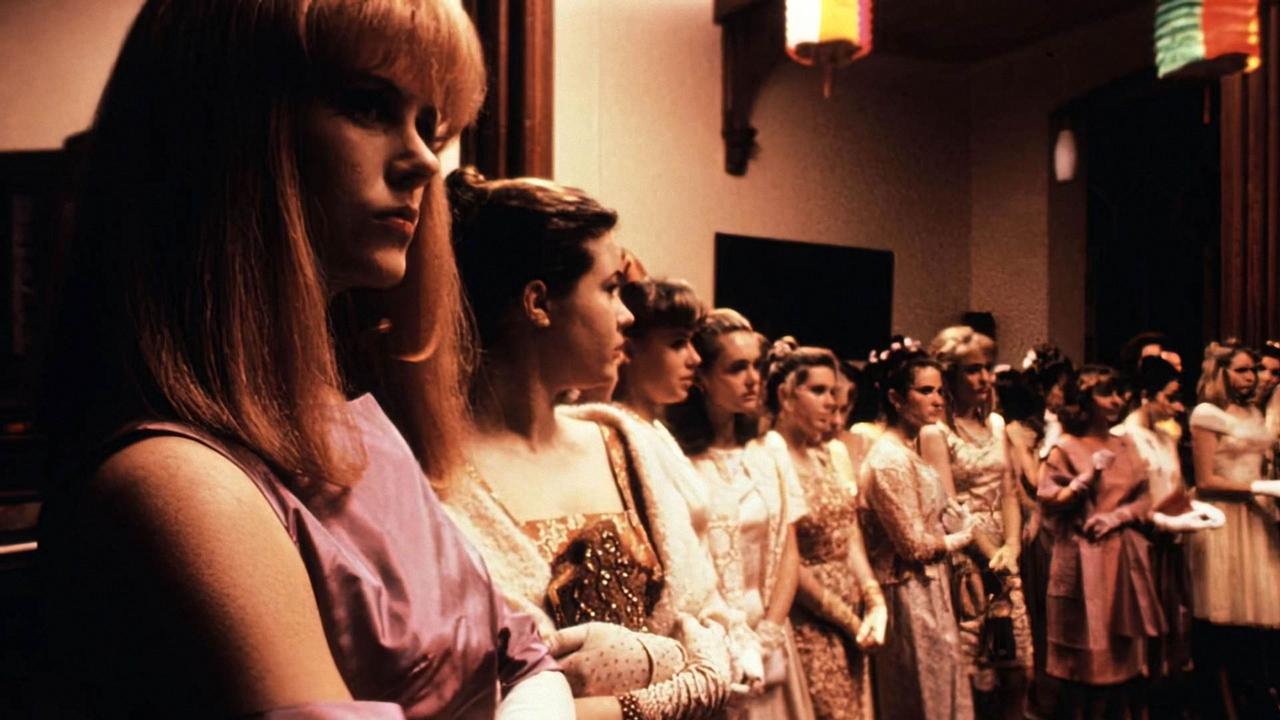
And Thandiwe Newton... what a discovery. It’s almost hard to believe this was her first role. She invests Thandiwe with such grace, intelligence, and quiet strength. There's a scene where she calmly confronts the casual racism of her classmates that is played with breathtaking poise. She never reduces Thandiwe to just a symbol; she's a fully realized person navigating her own complex history and present challenges, far from her home embroiled in political upheaval. The chemistry between Taylor and Newton feels utterly real – tentative, intelligent, and deeply affecting. Their shared glances hold more weight than grand declarations. We also get a welcome, albeit brief, return appearance by Nicole Kidman as Nicola, a more senior girl from the first film, offering Danny a touch of worldly advice. It's fascinating seeing her here, filmed just as her international career was taking off after Days of Thunder (1990), radiating a star power that already felt distinct.
Behind the Gentle Storytelling
Writer-director John Duigan, who also helmed The Year My Voice Broke, brings a remarkable sensitivity and restraint to the proceedings. Drawing partly from his own boarding school memories, there's an authenticity to the setting and the dynamics between students and staff. The film doesn't shy away from the harshness – the bullying, the snobbery, the ingrained racism and sexism of the era – but it handles these elements without sensationalism. Duigan trusts his audience to understand the weight of a subtle glance or a loaded silence. It’s part of a planned trilogy focusing on Danny Embling, though sadly, the third installment never materialized. What a shame, as spending more time in Duigan's thoughtfully crafted world would have been welcome.
Filmed on location at actual boarding schools in New South Wales (St Stanislaus College and The Frensham School), the sense of place is palpable. The sandstone buildings feel both imposing and strangely intimate, perfect metaphors for the characters' confinement and burgeoning inner lives. It’s a film that cost around AUD $4.5 million – not blockbuster territory even then – but every dollar feels well spent, creating a rich, believable world. Its critical acclaim, especially the praise heaped upon it by critics like Roger Ebert who awarded it four stars, felt thoroughly deserved, recognizing its gentle power amidst louder cinematic offerings.
A Lasting Impression
Flirting is more than just a story about first love. It's a nuanced exploration of finding your voice, challenging prejudice, and the courage it takes to connect authentically in a world that often encourages conformity. It asks us to consider the bubbles we live in – whether imposed by institutions or society – and the bravery required to reach outside them. The film avoids easy answers or dramatic resolutions, opting instead for a bittersweet realism that feels true to the often messy, unresolved nature of adolescence. Its gentle pace and focus on character might have made it easy to overlook back in the VHS days, nestled perhaps between more bombastic choices, but its quiet intelligence and heartfelt performances ensure it endures.
Rating: 9/10
This rating reflects the film's exceptional performances, particularly from the young leads, John Duigan's sensitive direction and writing, its authentic atmosphere, and its thoughtful exploration of complex themes. It achieves exactly what it sets out to do with grace and intelligence, capturing the bittersweet ache of first love and youthful rebellion perfectly. It only falls short of a perfect score perhaps because its deliberately measured pace might not suit all tastes, but for those who appreciate nuanced character studies, it's near flawless.
Flirting remains a poignant reminder that sometimes the quietest stories leave the deepest mark, a gentle whisper of adolescent yearning that still echoes beautifully across the years. A true treasure from the shelves of VHS Heaven.