The sight is unforgettable: rows upon rows of crimson lanterns, glowing ominously against the twilight grey of ancient stone walls. It’s a symbol of favour, of power within profoundly powerless circumstances, and it’s the haunting central image of Zhang Yimou’s devastating 1991 masterpiece, Raise the Red Lantern (Da Hong Deng Long Gao Gao Gua). This wasn't your typical Friday night grab from the video store shelves, often nestled perhaps in the 'Foreign' or 'Drama' section, but finding it felt like unearthing something significant, a viewing experience that promised more than fleeting entertainment. And it delivered, leaving a chill that lingered long after the tape finished whirring.
### A Gilded Cage
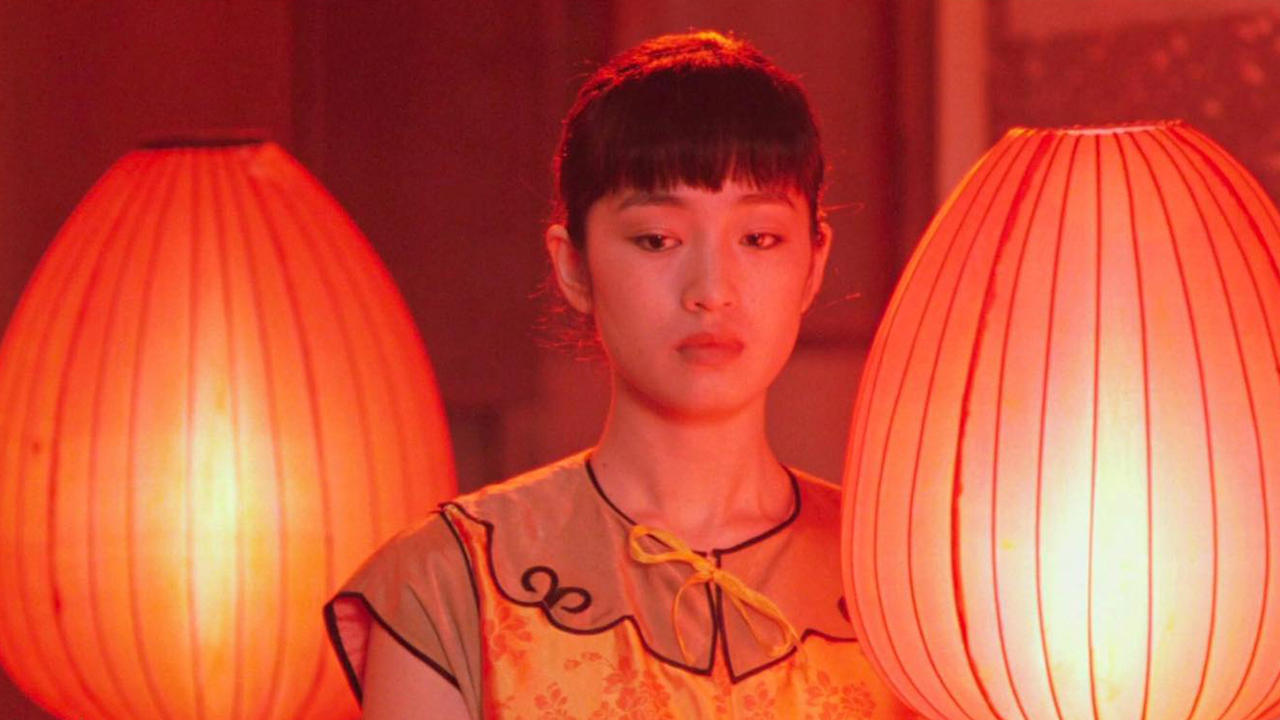
The story, adapted from Su Tong's novel Wives and Concubines, transports us to 1920s China. We follow Songlian (Gong Li), a bright, educated young woman forced by family circumstances to abandon her studies and become the fourth wife – or 'mistress' – to the wealthy, unseen Master Chen. Arriving at his sprawling, labyrinthine compound, she enters a world governed by rigid tradition and suffocating ritual. Life revolves around gaining the Master's favour, symbolized nightly by the raising of red lanterns outside the chosen wife's quarters, granting privileges like a foot massage and the power to choose the next day's meals. It sounds almost trivial, yet within these walls, it's everything.
What unfolds is less a conventional plot and more a descent into a psychological pressure cooker. Songlian, initially defiant and proud, finds herself drawn into the poisonous rivalries between the wives: the seemingly welcoming Second Mistress Zhuoyun (Cao Cuifen), the outwardly bitter but inwardly vulnerable former opera singer Third Mistress Meishan (He Saifei), and the aged, resigned First Mistress Yuru (Jin Shuyuan). The Master himself remains a shadowy figure, his presence felt primarily through the consequences of his choices, a deliberate directorial move by Zhang Yimou that underscores the patriarchal system's impersonal cruelty. He is the power, but the narrative focuses squarely on those trapped beneath it.
### Painted Walls, Silent Screams
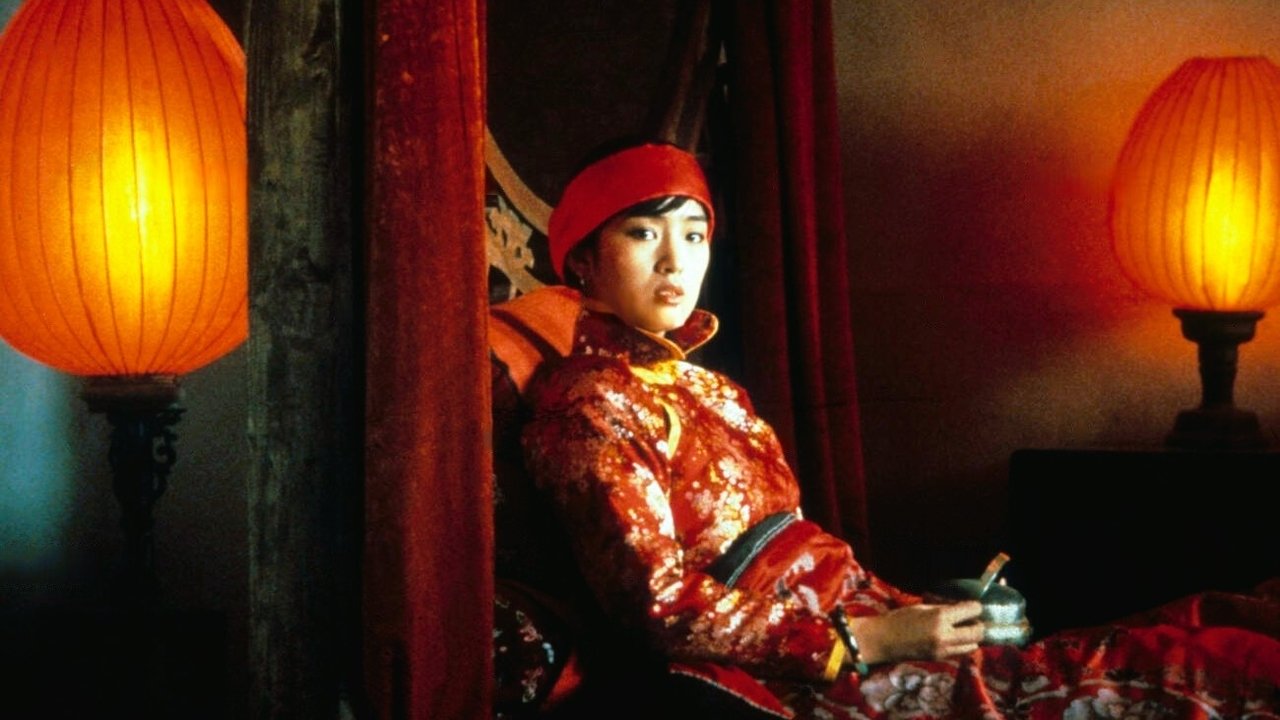
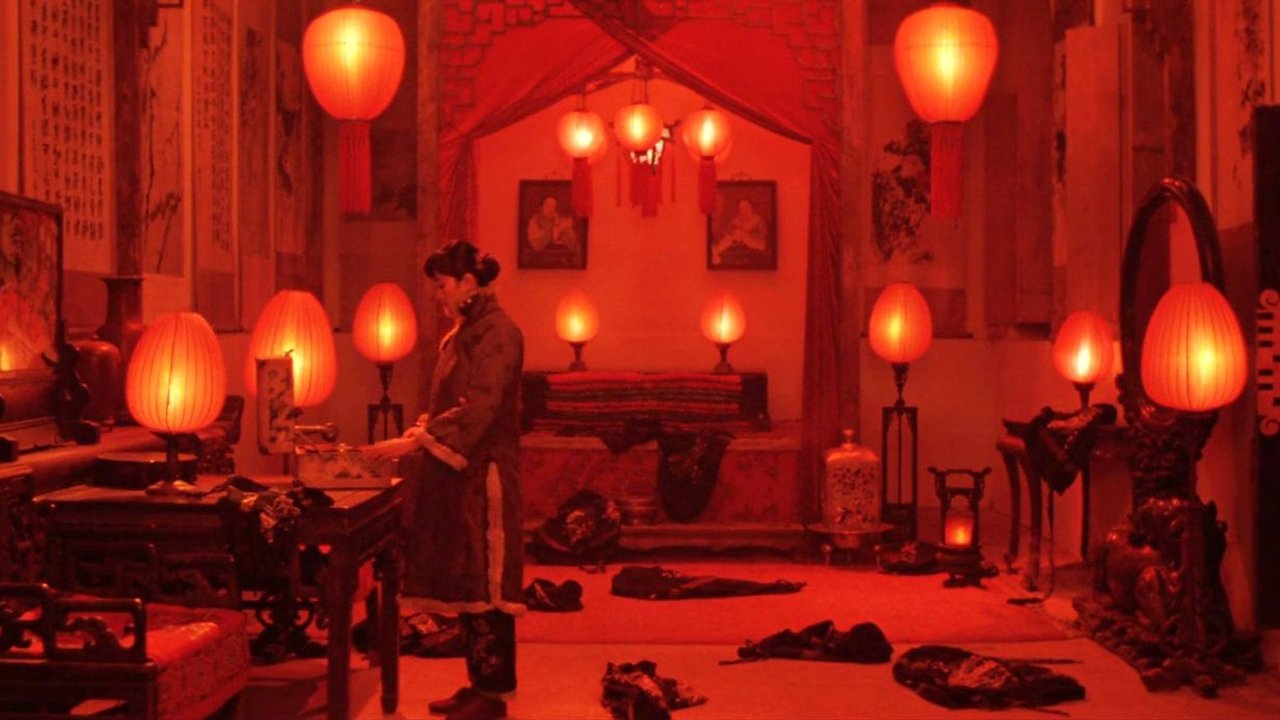
Visually, Raise the Red Lantern is breathtaking, a masterclass in cinematic language. Zhang Yimou, who would later bring similar visual flair to films like Hero (2002) and House of Flying Daggers (2004), uses the opulent yet constraining architecture of the historic Qiao Family Compound (where the film was shot on location, lending incredible authenticity) to perfection. The camera often frames the characters within doorways, courtyards, and windows, emphasizing their confinement. The changing seasons mirror Songlian's emotional state, from the tentative hope of summer arrival to the bleak, snow-covered despair of winter.
And then there's the colour. Red dominates – the lanterns, symbols of fleeting favour, but also danger and menstruation. It contrasts sharply with the oppressive greys and blues of the compound and the stark white of winter, creating a palette that’s both beautiful and deeply unsettling. The rituals – the lighting of the lanterns, the foot massages – are depicted with a detached formality that makes them feel ancient and inescapable, amplifying the sense of entrapment. It’s a film where the setting isn't just background; it's an active participant in the characters' fates.
### A Portrait of Despair
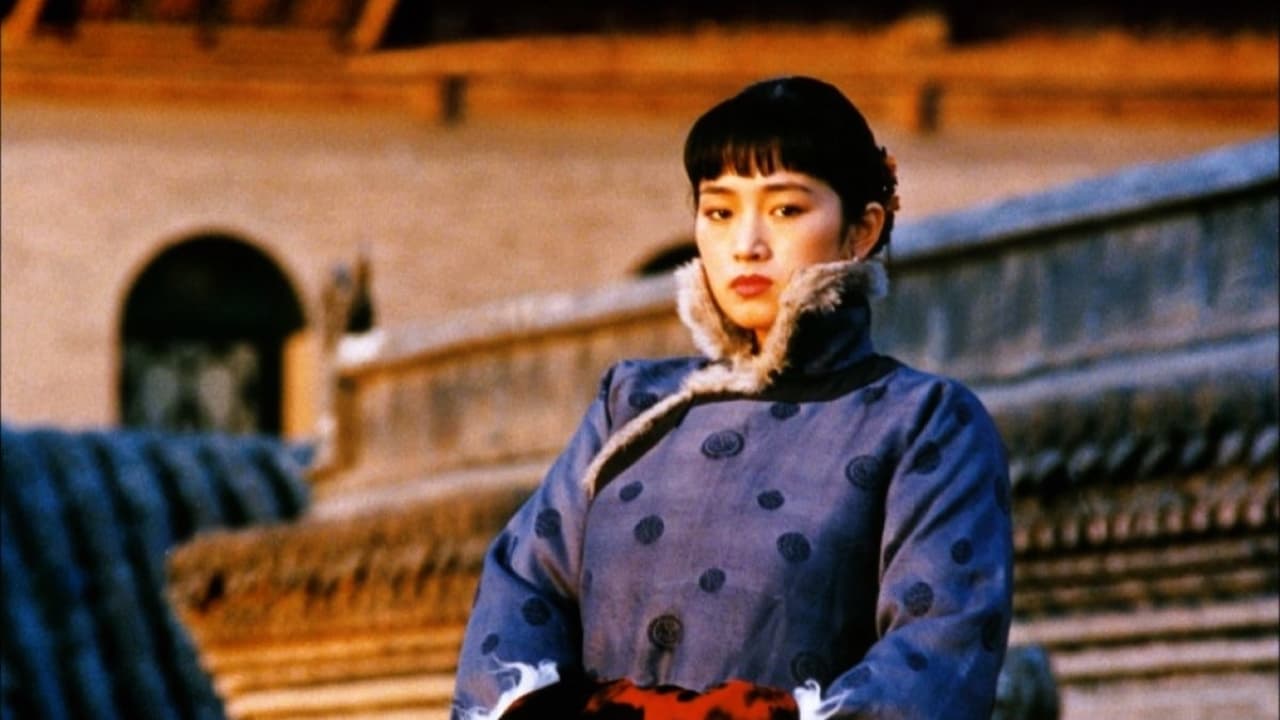
At the heart of it all is Gong Li. Her performance as Songlian is simply staggering. We witness her transformation from an intelligent young woman clinging to her identity to someone slowly eroded by the systemic cruelty and psychological warfare of the household. Her initial pride gives way to calculated maneuvering, then to jealousy, paranoia, and finally, a terrifying emptiness. Gong Li conveys this descent often through silence, a flicker in her eyes, a subtle shift in posture. It’s a performance of immense control and devastating impact, cementing her status as one of the era's great international stars.
The supporting cast is equally strong. He Saifei as the Third Mistress, Meishan, is particularly memorable – sharp-tongued and manipulative, yet revealing flashes of her own tragic vulnerability beneath the operatic facade. The dynamic between the wives, a complex web of alliances and betrayals born from shared oppression, is utterly compelling. They are victims of the system, yet they also perpetuate its cruelty upon each other. Doesn't this dynamic, where the oppressed turn on one another, echo in countless power structures even today?
### Echoes Beyond the Walls
Making Raise the Red Lantern wasn't without its challenges. The film faced significant hurdles with Chinese censors, initially banned due to its perceived critique of feudal traditions, which some officials felt reflected poorly on the nation's history. Its eventual release and subsequent international acclaim – including an Academy Award nomination for Best Foreign Language Film in 1992 (it ultimately lost to Italy's Mediterraneo) and a BAFTA win – highlighted the growing power of Chinese cinema on the world stage. It brought Zhang Yimou and Gong Li widespread recognition.
Watching it again now, decades after first sliding that VHS tape into the VCR, the film hasn't lost any of its power. Its critique of patriarchal oppression and the dehumanizing effects of rigid tradition feels timeless. The meticulous craft, the stunning visuals, and Gong Li's unforgettable performance combine to create an experience that is both aesthetically rich and emotionally shattering. It explores how systems can pit individuals against each other, how traditions can become prisons, and how the human spirit can be gradually, tragically extinguished. What lingers most is the chilling beauty, and the profound sadness woven into every frame.
Rating: 9.5/10
This score reflects the film's near-flawless execution. The direction is masterful, the central performance iconic, the visuals unforgettable, and the themes resonant and powerfully explored. It’s a demanding watch, certainly, lacking the easy comforts of many 90s staples, but its artistry and emotional depth are undeniable.
Raise the Red Lantern remains a towering achievement, a visually sumptuous and emotionally devastating look at confinement, ritual, and the slow crushing of the human spirit – a stark, beautiful warning echoing from behind those compound walls.