Okay, grab your favourite worn-out armchair and maybe pour yourself something comforting. We're taking a trip back to 1995, a time when the video store shelves were brimming with stories that aimed right for the heart, sometimes hitting with surprising force. Tonight, we're pulling out a tape that, for many, felt like finding an unexpected confidante: Herbert Ross's final film, Boys on the Side. What begins as a seemingly straightforward road trip movie unfolds into something far more complex and resonant, a testament to the messy, beautiful, and often heartbreaking bonds we forge along life's detours.
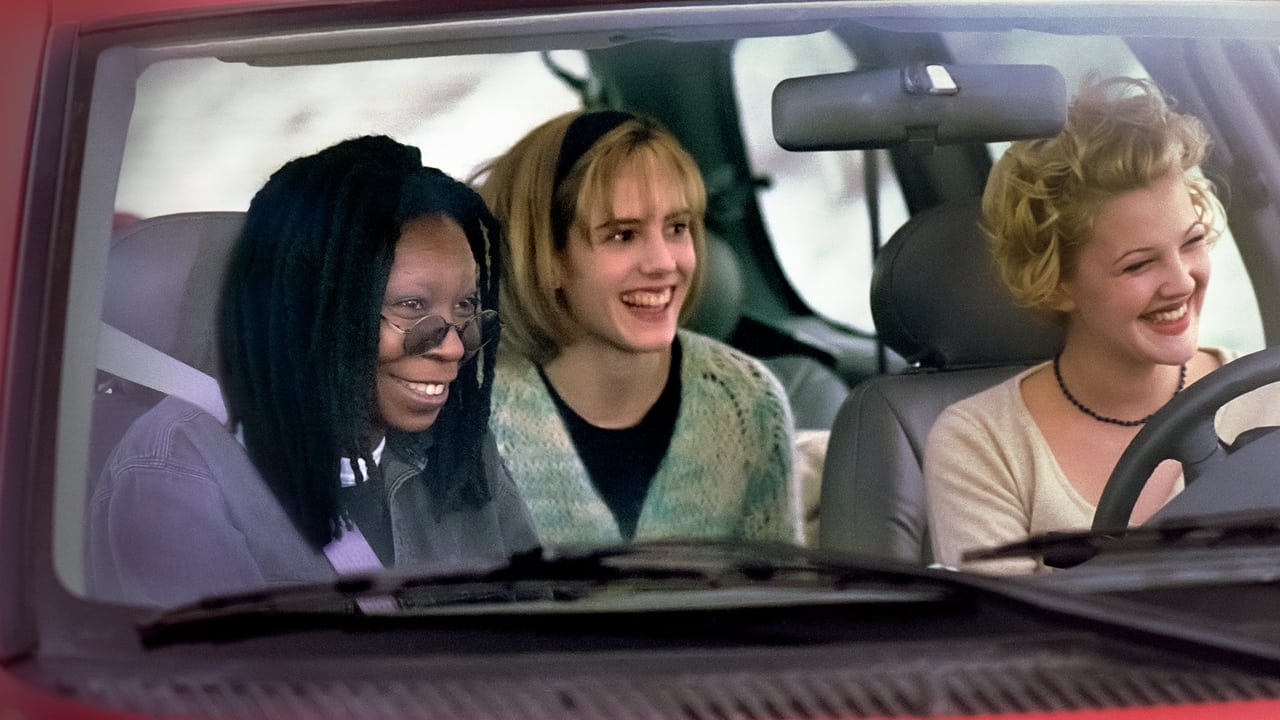
Does a journey truly change us, or does it merely reveal who we were all along? That question seems to hum beneath the surface of this film from the moment Jane (a wonderfully cynical and self-protective Whoopi Goldberg) answers a ride-share ad placed by Robin (an initially brittle, eventually heartbreaking Mary-Louise Parker). They are polar opposites – Jane, a pragmatic, blues-singing lesbian heading west for a new gig; Robin, an uptight real estate agent escaping a life in New York that’s become untenable for reasons she keeps close to her chest. Their reluctant partnership gains a third, wildly different passenger in Holly (Drew Barrymore), a free spirit fleeing an abusive relationship with a dangerously unpredictable boyfriend.
An Unexpected Trio
What unfolds isn't just a cross-country drive; it's the forging of an unlikely family unit. The initial friction between Jane's world-weariness and Robin's meticulously controlled facade gives way to grudging respect, then genuine affection, often mediated by Holly's naive but infectious energy. Barrymore, riding a wave of 90s resurgence after films like Poison Ivy (1992), brings a vulnerability to Holly that transcends the "ditzy blonde" trope. You feel her desperation and her deep-seated need for connection, making her choices, even the reckless ones, understandable within the context of her trauma.
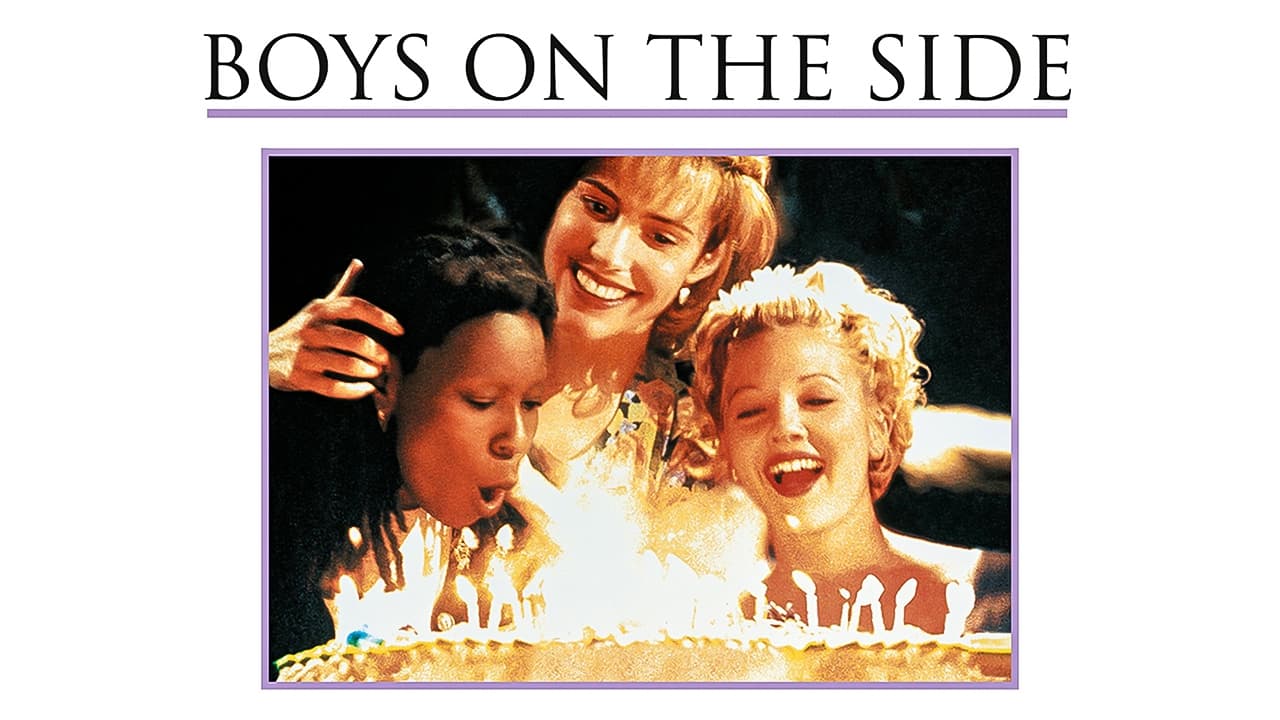
Goldberg, already an Oscar winner for Ghost (1990) and a beloved figure, grounds the film. She was reportedly instrumental in getting Boys on the Side made, championing Don Roos's script, and her performance as Jane feels lived-in and authentic. Jane is the anchor, the reluctant matriarch whose tough exterior barely conceals a deep well of loyalty and empathy. It's through her eyes that we often see the absurdity and the tragedy of their situation unfold. Remember that scene where she tries to teach Holly about life through song? It's pure Goldberg – funny, sharp, and unexpectedly touching.
Facing the Unthinkable
But it's Mary-Louise Parker's portrayal of Robin that truly elevates the film beyond a simple "women on the run" narrative. Spoiler Alert! Robin is secretly living with HIV, a diagnosis revealed midway through their journey that irrevocably changes the dynamic and the destination. Parker's performance is a masterclass in nuance. She captures Robin's fear, her fierce desire for control in a situation where she has none, and the gradual, painful shedding of her defenses as she allows Jane and Holly into her guarded world. This wasn't just another plot point; in the mid-90s, portraying a central character with AIDS with such depth and humanity in a mainstream film still felt significant, challenging audiences to confront their own prejudices and fears. Parker earned an Independent Spirit Award nomination for this role, and it’s easy to see why; her portrayal avoids mawkishness, finding strength and dignity even in Robin’s most vulnerable moments.

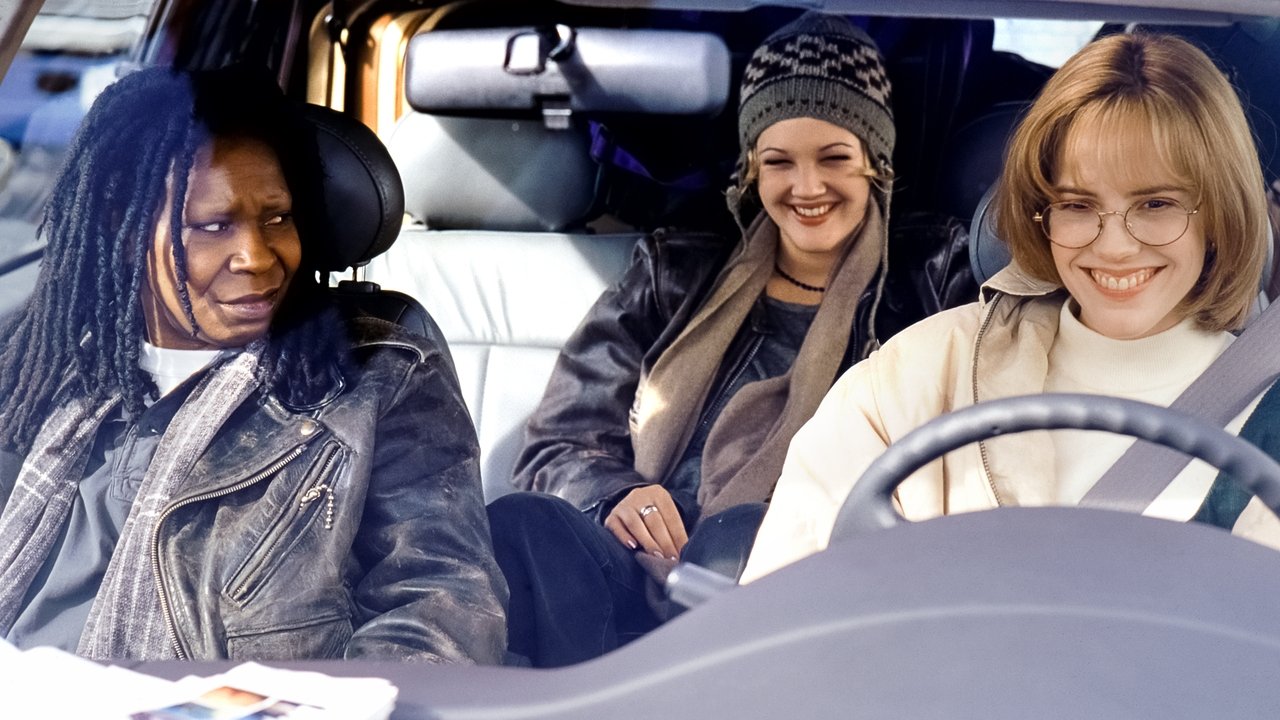
Director Herbert Ross, known for coaxing powerful performances from actresses in films like Steel Magnolias (1989) and The Turning Point (1977), demonstrates his skill here once again. He navigates the shifts in tone – from road-trip comedy to fugitive thriller elements (thanks to Holly's past catching up) to poignant medical drama – with a steady hand. He allows the emotional beats to land without rushing them, giving the actresses space to build their relationships organically. You sense his trust in his cast and in the material. It’s poignant that this thoughtful exploration of female connection marked the end of his directorial career.
More Than Just a Ride
Let's talk about that soundtrack for a moment, too. It wasn't just background music; it was practically another character. Featuring an incredible lineup of female artists covering classic songs – think Bonnie Raitt’s Grammy-winning take on Roy Orbison's "You Got It," The Cranberries doing "Dreams," Sheryl Crow, Indigo Girls, Stevie Nicks – it perfectly underscored the film's themes of resilience, love, and sisterhood. I distinctly remember that cassette being played constantly in my car back then; it felt like a statement, perfectly capturing the film's spirit.
And some trivia for fellow VHS hounds: Don Roos, the screenwriter, would later write and direct another sharp, character-driven piece, The Opposite of Sex (1998). While Boys on the Side wasn't a massive blockbuster (earning around $23.8 million domestically on a $21 million budget), it found a significant, devoted audience on home video. Perhaps the intimacy of the story, the focus on deep conversations and quiet moments of connection, felt particularly suited to watching curled up on the sofa, the glow of the CRT illuminating these women's faces as they built their fragile, essential world together.
The Verdict
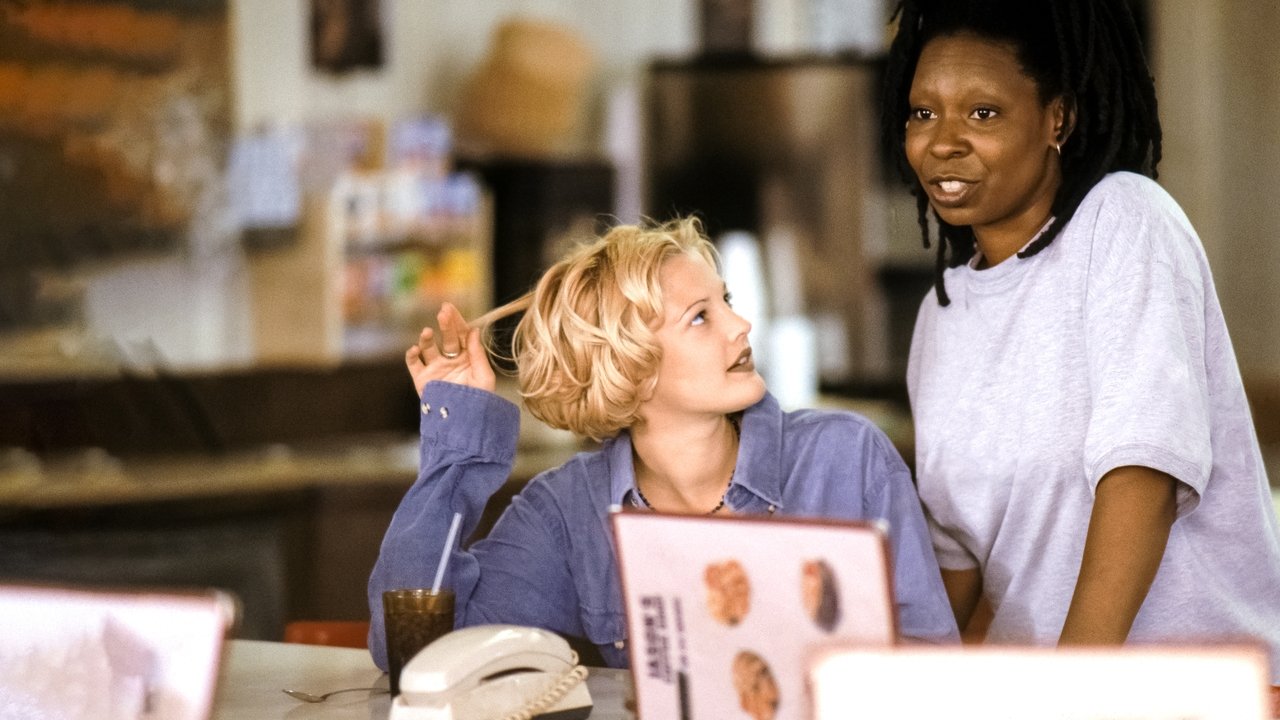
Boys on the Side isn't perfect. The plot mechanics involving Holly's abusive ex sometimes feel a bit clunky compared to the strength of the central relationships. But its emotional core is incredibly strong. It’s a film about the families we choose, the secrets we keep, and the profound ways women support each other through life's most challenging passages. The performances, particularly Parker's, are deeply affecting and linger long after the credits roll. It’s a film that treats its difficult subjects with grace and its characters with deep compassion.
Rating: 8/10
This rating reflects the powerhouse performances from the central trio, the film's courageous handling of difficult themes for its time, and its enduring emotional resonance. While some plot elements feel a touch uneven, the heart of the film – the bond between these three women – beats strong and true, making it a standout drama from the mid-90s and a worthy resident in VHS Heaven. It leaves you pondering the strength found in vulnerability and the families we build in the most unexpected places. Doesn't it make you think about the friendships that have fundamentally shaped your own journey?