It's a curious thing, the way certain films lodge themselves in your memory not with explosions or grand declarations, but with quiet moments of unexpected tenderness amidst urban grit. Watching Stephen Frears' My Beautiful Laundrette again after all these years, that feeling rushes back. Released in 1985, it didn't shout its importance from the rooftops; rather, it unfolded with a kind of sly intimacy, presenting a slice of Thatcher-era London that felt simultaneously specific and startlingly relevant. It’s a film that gets under your skin, less a neatly resolved story and more a complex, sometimes contradictory, portrait of aspiration, prejudice, and love found in the unlikeliest of places.

A Spin Cycle of Ambition and Identity
The film introduces us to Omar (Gordon Warnecke), a young British-Pakistani man adrift in South London, navigating the complexities of family expectations and the harsh economic realities of the mid-80s. His weary, intellectual father (Roshan Seth), disillusioned with Britain, contrasts sharply with his charismatic, go-getter Uncle Nasser (Saeed Jaffrey), a property owner juggling businesses, a wife, and a mistress with entrepreneurial zeal. Nasser, seeing potential (or perhaps just cheap labour), hands Omar the daunting task of managing a run-down laundrette in a rough neighbourhood. It's here, amidst the grime and decay, that Omar’s ambition begins to stir, intertwined with the unexpected reappearance of a figure from his past: Johnny (Daniel Day-Lewis), a white, working-class former schoolmate who has drifted into the orbit of right-wing street gangs.
An Unconventional Partnership
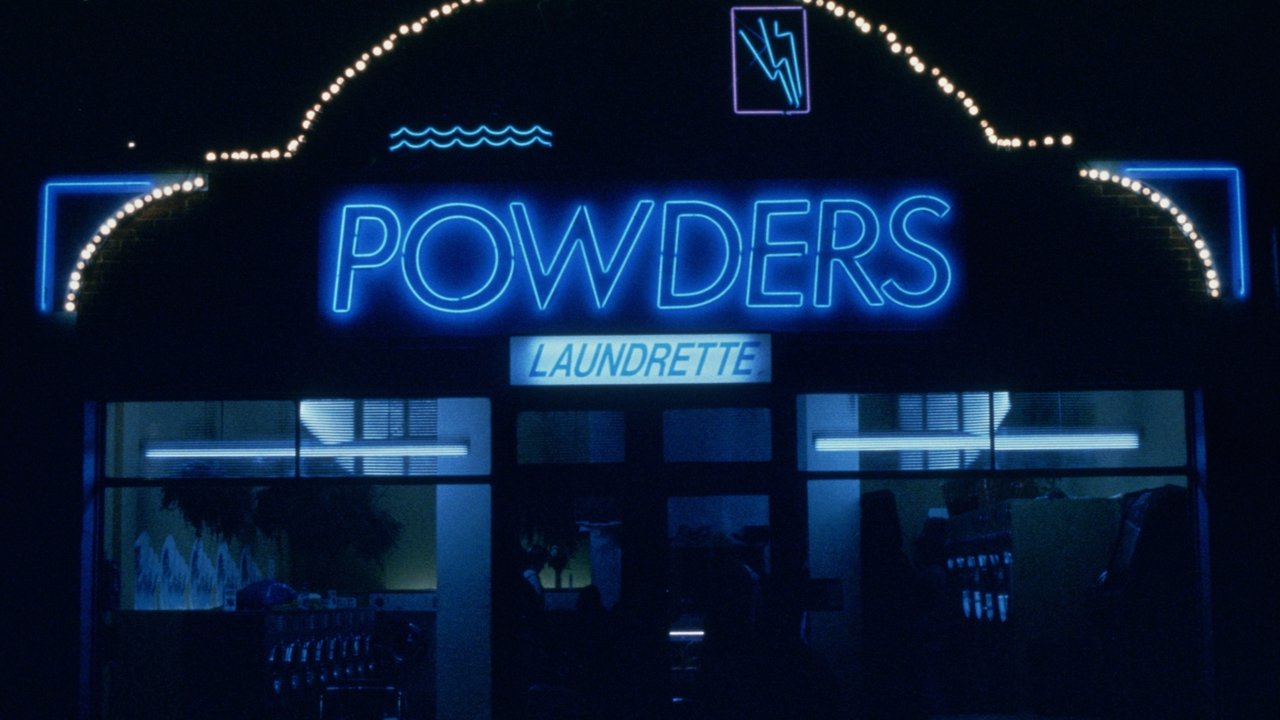
What unfolds is far from a typical business arrangement. Omar hires Johnny, and beneath the surface of renovating the laundrette – christened "Powders" – a tentative, then undeniable, romance blossoms. My Beautiful Laundrette was truly groundbreaking for its time in its frank, matter-of-fact depiction of a gay relationship between two men from vastly different cultural and social backgrounds. Frears and writer Hanif Kureishi (in his stunning feature debut, earning an Oscar nod) present their intimacy not as a plot point to be sensationalized, but as a complex reality woven into the fabric of their lives and ambitions. There’s a genuine chemistry between Warnecke's hopeful, sometimes ruthless Omar and Day-Lewis's brooding, conflicted Johnny. Their shared history and burgeoning feelings create a space where vulnerability can exist, even against a backdrop of simmering racial tension and economic hardship.
That Day-Lewis Spark
It's impossible to talk about My Beautiful Laundrette without acknowledging the seismic impact of Daniel Day-Lewis. Released in the same year as his diametrically opposed role in A Room with a View (1985), this performance cemented his reputation as an actor of extraordinary range and commitment. As Johnny, he’s mesmerizing. It's a performance built on quiet intensity, guarded physicality, and eyes that convey a turbulent inner life. He makes Johnny, a character potentially unsympathetic given his past associations, deeply human. You see the struggle, the longing for belonging, the protective tenderness he develops for Omar. Reportedly, Day-Lewis bleached his hair blond and immersed himself in the South London setting, embodying Johnny's working-class roots and troubled history with unnerving authenticity. It’s a magnetic, star-making turn that anchors the film’s emotional core. Alongside him, Gordon Warnecke holds his own beautifully, portraying Omar's blend of naivete, shrewdness, and yearning. And Saeed Jaffrey is simply magnificent as Nasser, embodying the contradictions of the successful immigrant patriarch – charming, ruthless, traditional yet adaptable, wrestling with his own desires and familial duties.


Made for TV, Destined for More
One of the fascinating bits of trivia surrounding My Beautiful Laundrette is its origin. It was initially commissioned as a low-budget television film by the UK's Channel 4, part of their "Film on Four" strand which revitalized British cinema in the 80s. Shot quickly on 16mm film for around £650,000, it possessed a grainy realism perfectly suited to its subject matter. The raw aesthetic enhances the feeling of eavesdropping on real lives unfolding in neglected corners of the city. Its unexpected success at the Edinburgh Film Festival propelled it into cinemas worldwide, where it became a critical darling and an arthouse sensation. This leap from small screen to international acclaim speaks volumes about the power of Kureishi's unflinching script and Frears' sensitive direction. They captured something vital about the immigrant experience, the complexities of assimilation, the seductive allure and corrosive potential of Thatcherite enterprise, and the defiant persistence of love.
Beneath the Suds: Themes That Linger
Beyond the central romance, the film paints a rich, nuanced picture of its time and place. It tackles racism not just from external aggressors but explores the tensions and prejudices within the Pakistani community itself, particularly regarding class and social standing. It questions the cost of success in Nasser's world – the compromises made, the traditions challenged, the personal lives strained. The laundrette itself becomes a potent symbol: a dilapidated space transformed into a vibrant, almost surreal oasis ("Powders," with its sleek design and pastel lighting), representing hope and upward mobility, yet constantly vulnerable to the harsh realities pressing in from outside. Does achieving the dream necessitate leaving parts of yourself behind? The film doesn't offer easy answers, preferring instead to present the messy, often contradictory truths of its characters' lives.
---
My Beautiful Laundrette remains a vital piece of 80s British cinema. It’s smart, provocative, funny, and deeply moving, often all at once. The performances are uniformly excellent, particularly the unforgettable early work from Daniel Day-Lewis. It tackled subjects considered taboo with honesty and artistry, paving the way for more diverse stories. Rewatching it on a format likely far removed from its original 16mm TV movie roots might feel strange, but its power hasn't faded. It feels less like a nostalgia trip and more like encountering a timeless story about finding connection in a fractured world.

Rating: 9/10
Justification: The film earns this high rating for its groundbreaking script, exceptional performances (especially Day-Lewis's breakout role), brave exploration of complex social and personal themes, and Frears' assured direction. Its journey from low-budget TV film to international arthouse classic underscores its unique power and lasting impact. It’s a film that feels both intensely specific to its era and remarkably universal in its exploration of love, identity, and ambition.
What lingers most, perhaps, is that delicate balance – the grit and the glamour, the prejudice and the passion, all swirling together in the gentle hum of the washing machines at Powders. A truly beautiful film, indeed.