It’s a scenario almost ripped from a daydream: what if a long-lost relative suddenly appeared, not with baggage, but with bags… of cash? That’s the charmingly improbable hook of Max Dugan Returns, a 1983 comedy-drama penned by the legendary Neil Simon that feels like slipping into a comfortable old sweater – familiar, warm, and maybe just a touch worn around the edges, but undeniably comforting. This isn't a film aiming for gritty realism; instead, it offers a kind of gentle wish-fulfillment, wrapped in Simon's signature blend of witty dialogue and heartfelt sentiment, a perfect slice of early 80s cinema that likely graced many a VCR back in the day.

An Unexpected Inheritance
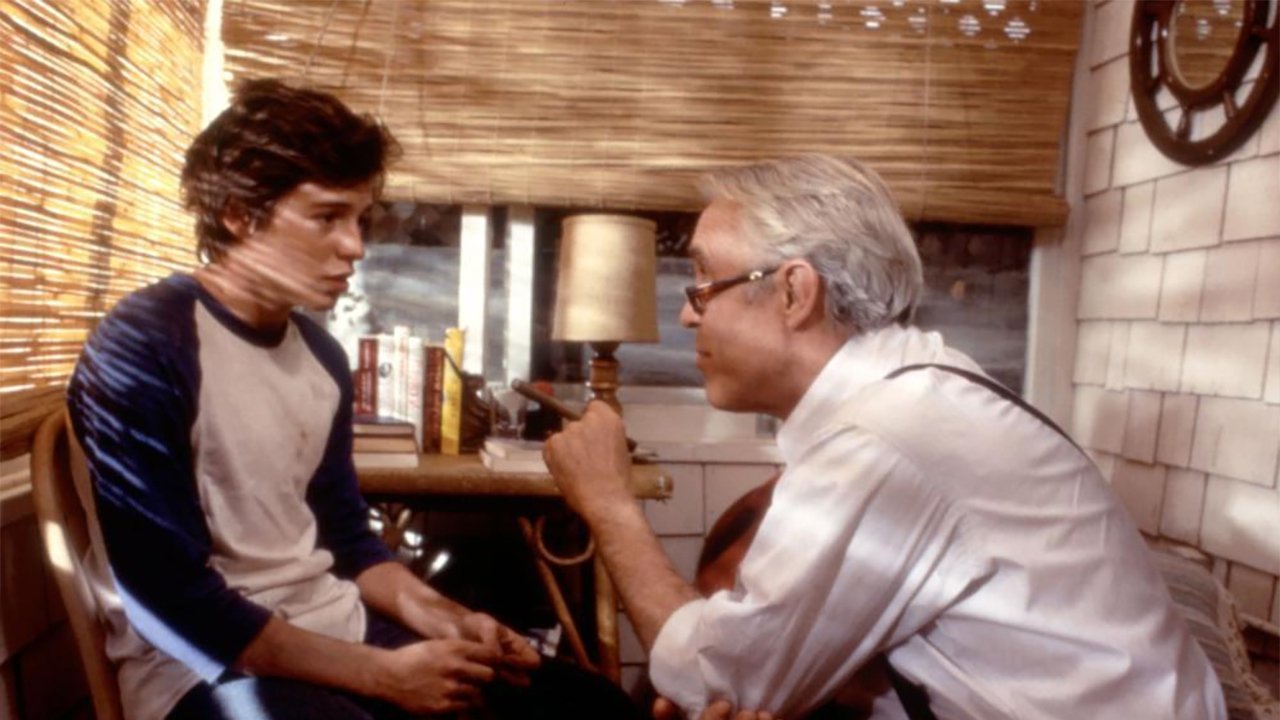
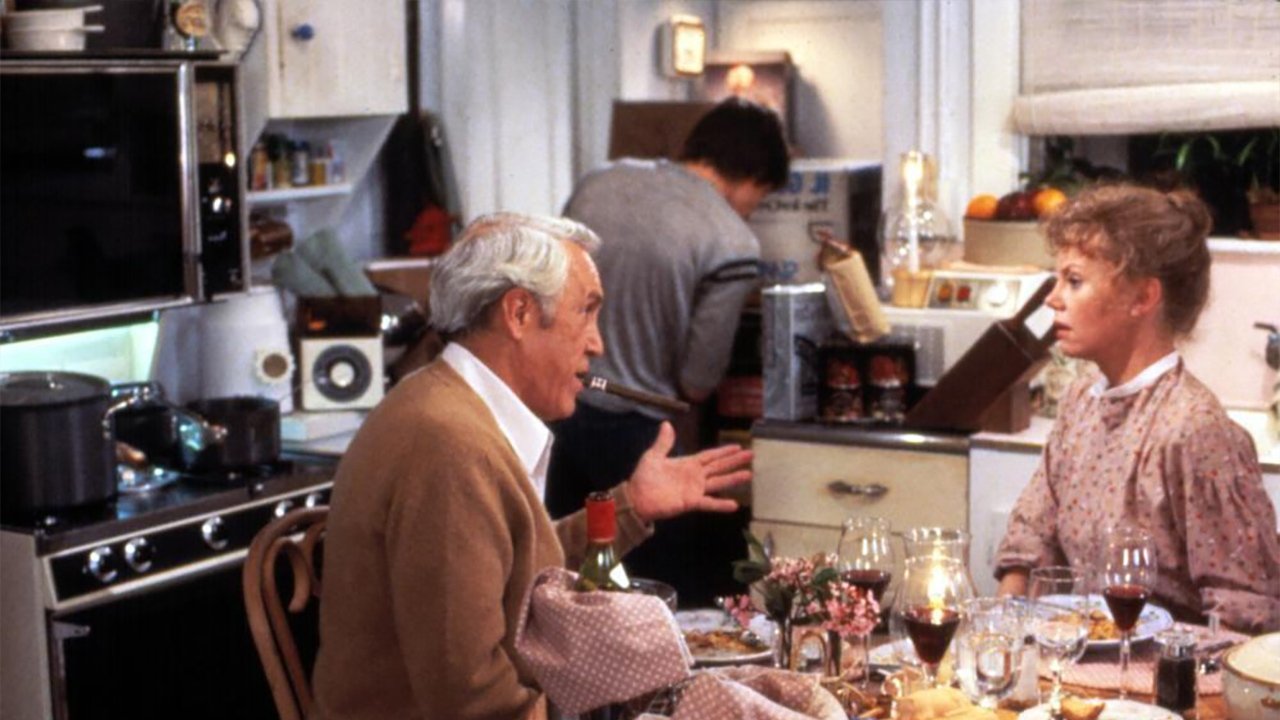
At the heart of the story is Nora McPhee, portrayed with wonderful vulnerability and resilience by Marsha Mason. A recently widowed high school English teacher in Venice, California, Nora is struggling to raise her bright teenage son, Michael (Matthew Broderick, in his very first film role!), on a tight budget. Life is a series of small anxieties – a stolen car, overdue bills, the quiet yearning for something more. Then, the doorbell rings. Standing there is Max Dugan (Jason Robards), the father Nora hasn't seen in decades, presumed dead or disappeared into a life of crime. He arrives not just with apologies, but with a suitcase stuffed with over half a million dollars in cash, seemingly ill-gotten gains he intends to lavish upon the daughter and grandson he barely knows.
The setup is pure Simon: ordinary people thrust into extraordinary, slightly absurd circumstances. The joy, and the gentle tension, comes from watching Nora grapple with the sudden influx of wealth and the moral compromises it represents. Robards, an actor often associated with gravitas and intensity (think All the President's Men), is simply delightful as Max. He embodies the charming rogue, the grandfather figure who wants to fix everything with money, his eyes twinkling with secrets and a lifetime of questionable choices. It’s a performance layered with affection and a subtle melancholy, hinting at the years lost and the desire to make amends before time runs out. This role felt like a lovely change of pace for Robards, steered masterfully by director Herbert Ross, who, along with Simon and Mason, had previously struck gold with The Goodbye Girl (1977).
Before Ferris Bueller Took a Day Off
And what a debut for Matthew Broderick! Released the same year as his breakout in WarGames, seeing him here as Michael McPhee is a fascinating glimpse of the star-to-be. The effortless charm is already present, but it's combined with a youthful earnestness and a palpable sense of wonder and confusion as his world is turned upside down by his mysterious grandfather. Simon reportedly spotted Broderick in an Off-Broadway play and cast him immediately. Watching him hold his own against veterans like Mason and Robards, you can see the talent that would soon make him a household name. I distinctly remember renting this after seeing WarGames, thinking, "Hey, it's that kid!" – it felt like discovering a little secret origin story.
Adding another layer of gentle complication is Donald Sutherland as Police Detective Brian Costello. Investigating a string of local burglaries (and the sudden appearance of expensive items at the McPhee household), Costello develops a sweet, tentative romance with Nora. Sutherland plays him not as a suspicious antagonist, but as a genuinely nice, intelligent guy doing his job while clearly falling for the woman he might eventually have to arrest. It’s a wonderfully understated performance, offering a different kind of warmth compared to Max's grand gestures. Seeing Sutherland, who gave us such iconic, often intense characters in the 70s (MASH*, Klute, Don't Look Now), play someone so fundamentally decent and charming was a real pleasure. Their quiet scenes together, full of shared glances and hesitant smiles, are some of the film's most endearing moments.

Simon Says: Heart and Humor
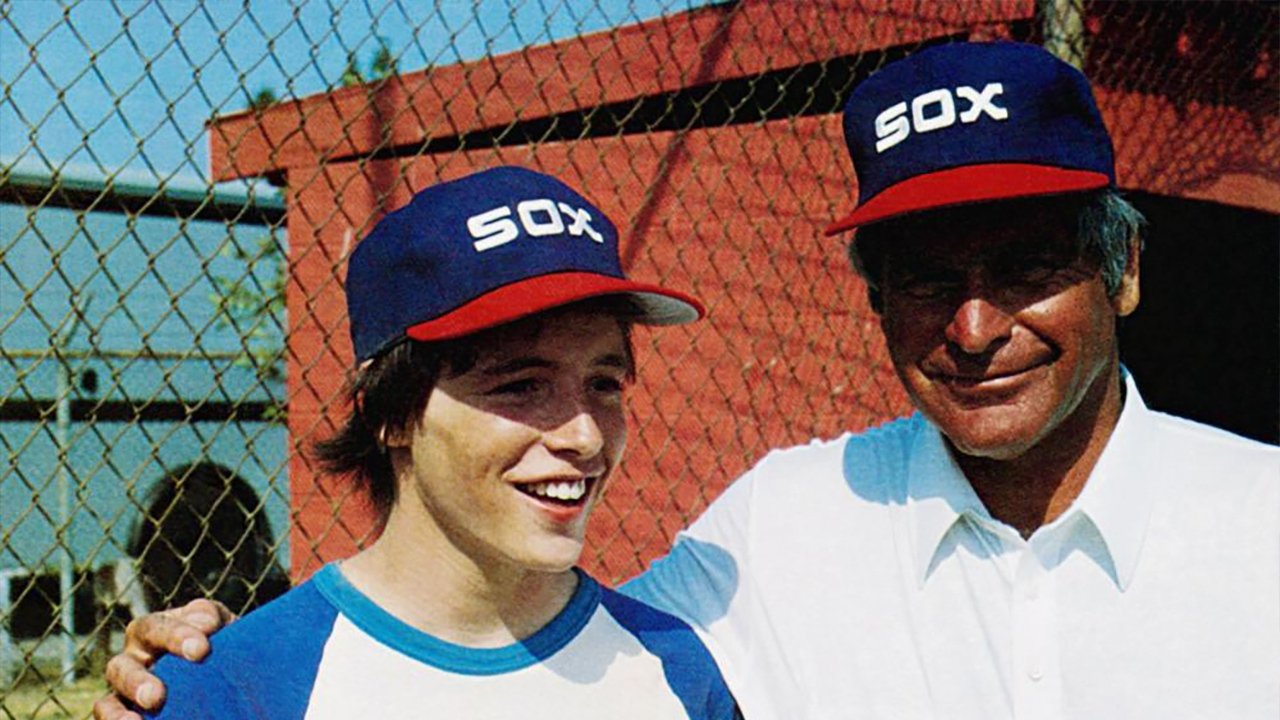
This being a Neil Simon script, the dialogue snaps and sparkles, even when dealing with emotional truths. The film deftly balances the humor of Max's sudden, extravagant gifts (a new car, a completely refurnished house, even batting lessons from Charley Lau, a famous real-life hitting coach who sadly passed away shortly after filming) with the underlying questions about family, forgiveness, and the ethics of accepting tainted money. Does the happiness Max brings outweigh the potential consequences? It’s a question the film poses gently, never getting too heavy.
Interestingly, this was the sixth and final film Marsha Mason made with Simon, who was her husband at the time. They divorced the same year the film was released, adding a layer of behind-the-scenes poignancy to the on-screen themes of reconciliation and changing family dynamics. While not a box office smash (it made a modest $11.6 million on a $10 million budget – about $35 million gross adjusted for inflation today), Max Dugan Returns certainly found its audience on home video, becoming one of those reliable rentals you might grab when you just wanted something warm and well-acted. It’s a character-driven piece, focused more on interactions and emotional beats than intricate plotting, typical of both Simon's writing and Herbert Ross's sensitive direction (Steel Magnolias, Footloose).
The Verdict on Max
Max Dugan Returns isn't edgy or groundbreaking. It’s a product of its time – a well-crafted, character-focused comedy-drama with top-notch performances and a script from a master wordsmith. It explores familiar themes with a gentle touch, offering comfort and a few chuckles rather than challenging cinematic conventions. The charm lies in the ensemble cast, particularly the interplay between Mason, Robards, Sutherland, and the nascent talent of Broderick. It feels like a warm hug from a bygone era of filmmaking, where wit and heart often took precedence over spectacle. Does it hold up? Absolutely, particularly if you appreciate strong acting and Simon's unique voice. It captures a certain early-80s optimism, even amidst its moral quandaries.
Rating: 7/10
The rating reflects a genuinely enjoyable, well-acted film powered by a classic Neil Simon script and standout performances, especially from Robards and a debuting Broderick. It earns points for its warmth, wit, and the nostalgic comfort it provides. It loses a few points for feeling slightly dated in its pacing and perhaps a touch too neat in its resolution, but its strengths far outweigh these minor quibbles.
Final Thought: It leaves you pondering not just the morality of Max's gifts, but the enduring power of family connection, however complicated – a gentle reminder, delivered with a smile, that sometimes the most valuable returns aren't measured in dollars.