It arrives not with a bang, but with a kind of mumbled apology, a series of disjointed moments stumbling towards grace. Jesus' Son (1999) isn't a film that lays out its story neatly on the worn shag carpet of your memory; it seeps in, fragmented and hazy, much like the consciousness of its perpetually bewildered protagonist. Watching it again now, years after pulling that distinctive VHS box (or perhaps later, the DVD) from the indie shelf at the local rental store, feels like revisiting a strangely poignant dream – one steeped in grime and desperation, yet somehow shot through with unexpected flashes of beauty and dark, absurd humor.
### Adrift in a Sea of Moments
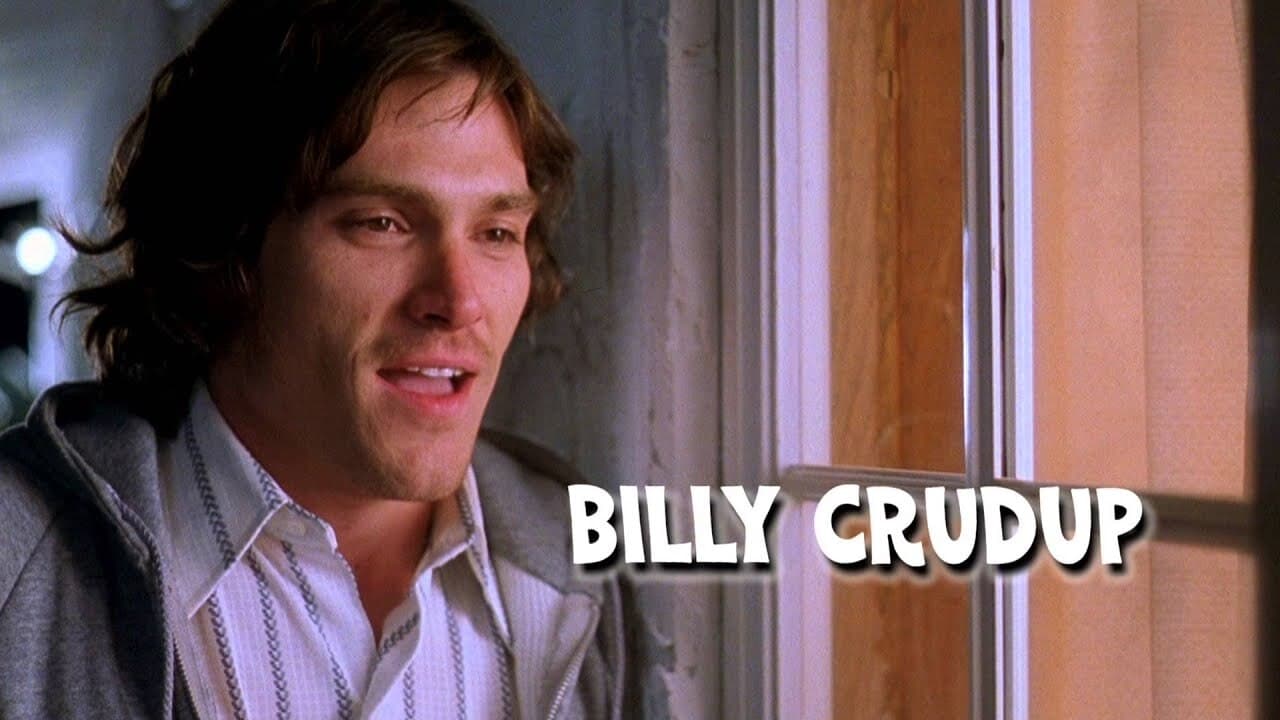
Based on the revered collection of linked short stories by the late, great Denis Johnson, the film wisely adopts the book's episodic structure. We follow FH – a name he can't quite recall the origin of, often just "Fuckhead" – played with a career-defining mix of innocence and weary confusion by Billy Crudup. FH drifts through the late 70s Iowa landscape (though filmed partly in Arizona and New York, capturing that specific washed-out, end-of-an-era feel), encountering a constellation of equally lost souls, navigating heroin addiction, petty crime, and fleeting moments of connection. Director Alison Maclean, known previously for the intense Crush (1992), doesn't force these vignettes into a conventional narrative arc. Instead, she allows them to accumulate, like Polaroids scattered across a dirty floor, each capturing a raw, unguarded instant. This non-linear approach isn't just stylistic flair; it mirrors FH's drug-addled perception, where time bends and memories surface out of sequence, creating a powerful sense of disorientation that pulls the viewer directly into his subjective experience. Denis Johnson himself even makes a brief, fitting cameo as a man whose wife has been shot in the eye with an arrow – a perfect slice of the book's bleak absurdity brought to life.
### Finding Humanity in the Haze
What elevates Jesus' Son beyond mere addiction drama is its profound empathy and the startling authenticity of its performances. Billy Crudup is simply unforgettable as FH. He avoids caricature, portraying FH not as a monstrous junkie, but as a strangely passive observer in his own life, capable of surprising moments of kindness and accidental wisdom amidst the chaos. There's a vulnerability in his eyes, a sense that he's perpetually trying to catch up to events that have already swept him away. His narration, lifted directly from Johnson's prose, possesses a plainspoken poetry that finds profundity in the profane.
Equally magnetic is Samantha Morton as Michelle, FH's troubled lover. Morton imbues Michelle with a fierce, chaotic energy – a whirlwind of devotion, self-destruction, and desperate hope. Her scenes with Crudup crackle with a believable, volatile intimacy; you understand their toxic codependency but also the genuine, albeit warped, affection that binds them. Their chemistry is the raw, beating heart of the film's more linear sections.
### A Cast of Familiar Faces, Lost Together
Part of the joy – if that's the right word for a film often steeped in melancholy – is spotting the incredible supporting cast who drift through FH's orbit. Denis Leary brings his trademark cynical bite as a fellow user, Holly Hunter delivers a beautifully understated turn as a woman encountered during a disastrous stint working in a hospital, and even legends like Dennis Hopper and a young Jack Black appear in memorable, scene-stealing moments. These aren't mere cameos; each actor contributes a distinct texture to the film's tapestry of broken lives, reinforcing the idea that FH's journey, while unique in its particulars, intersects with a wider world of human frailty and fleeting connection. This ensemble enhances the film's episodic nature, making each encounter feel like a fully realized, albeit brief, story in itself. It's the kind of casting coup that independent films of this era sometimes managed, assembling talent drawn perhaps by the strength of the source material and the unique vision.
### The Weight of Authenticity
Maclean and cinematographer Adam Kimmel achieve a visual style that feels perfectly attuned to the material – grainy, sometimes washed out, other times starkly lit, capturing both the bleakness of rundown bars and clinics and the occasional, unexpected lyricism of a snowy landscape or a shared glance. There’s no gloss here, no attempt to romanticize the lifestyle. The film doesn’t shy away from the ugliness of addiction, the casual betrayals, the moments of utter degradation. Yet, it never feels exploitative. The focus remains squarely on FH's internal state, his fumbling attempts to make sense of the wreckage around him, and, ultimately, his slow, uncertain crawl towards something resembling redemption. It’s a testament to the script – co-written by Elizabeth Cuthrell, David Urrutia, and Oren Moverman (who would go on to direct powerful films like The Messenger) – that it retains so much of Johnson’s distinctive voice and worldview. Apparently, securing the rights and developing the adaptation was a lengthy process, reflecting the difficulty of translating such unique literary prose to the screen, but the result feels remarkably faithful in spirit.
### Lingering Resonance
Jesus' Son wasn't a box office smash, taking in just over $1 million against its modest budget, but its critical reception was strong, and it quickly found its audience on home video – becoming precisely the kind of cult discovery that defined discerning viewing habits in the late VHS/early DVD era. It felt like a secret handshake among those who appreciated films that dared to be different, that explored uncomfortable truths with artistry and compassion. It’s a film that asks profound questions without offering easy answers. What does recovery look like? Can beauty and meaning be found even in the most desperate circumstances? How do we piece together a life from broken fragments?
Rating: 9/10
This score reflects the film's exceptional lead performances, its masterful adaptation of challenging source material, its unique and resonant atmosphere, and its unflinching yet deeply humane portrayal of addiction and recovery. It’s a near-perfect realization of Denis Johnson's world, capturing its specific blend of darkness, humor, and unexpected grace. It loses a single point perhaps only because its bleak subject matter and fragmented structure inherently make it a challenging watch for some viewers, but its artistic merit is undeniable.
Jesus' Son lingers long after the credits roll, not necessarily as a complete story, but as a feeling – a haunting blend of sadness and hope, a reminder of the strange, often painful, but sometimes beautiful ways we stumble through life. It’s a film that truly understands the poetry of imperfection.