It often begins with a phone call, doesn't it? That unexpected ring that slices through the mundane, carrying news that forces a sharp intake of breath and an abrupt pivot back towards a past you thought was neatly filed away. For Billy Wyatt, the former baseball prodigy drifting through his adult life in Stealing Home, that call delivers the devastating news of his childhood friend Katie Chandler's suicide, and the bewildering request that he take charge of her ashes. This is where the film draws us in, not with action, but with the quiet weight of grief and the inescapable pull of memory.

### The Echoes of Summers Past
What unfolds is less a conventional narrative and more a mosaic of remembrance, triggered by Billy's return to the affluent Philadelphia suburbs and seaside haunts of his youth. Steven Kampmann and Will Aldis, pulling double duty as writers and directors (Kampmann drawing inspiration from his own past), structure the film around flashbacks, contrasting the aimless melancholy of the present-day Billy (Mark Harmon) with the sun-drenched vibrancy of his formative years. It’s a structure that perfectly mirrors the way grief often works – the past intruding on the present, demanding reconciliation. We see the golden boy Billy once was, full of promise on the baseball diamond, and the carefree, sometimes reckless, circle of friends orbiting the magnetic Katie. The film captures that specific feeling of endless summer days, the kind that felt like they defined your entire world back then. Remember those summers? Where every moment felt charged with potential and the future was a sun-bleached horizon?
### The Enigma of Katie Chandler
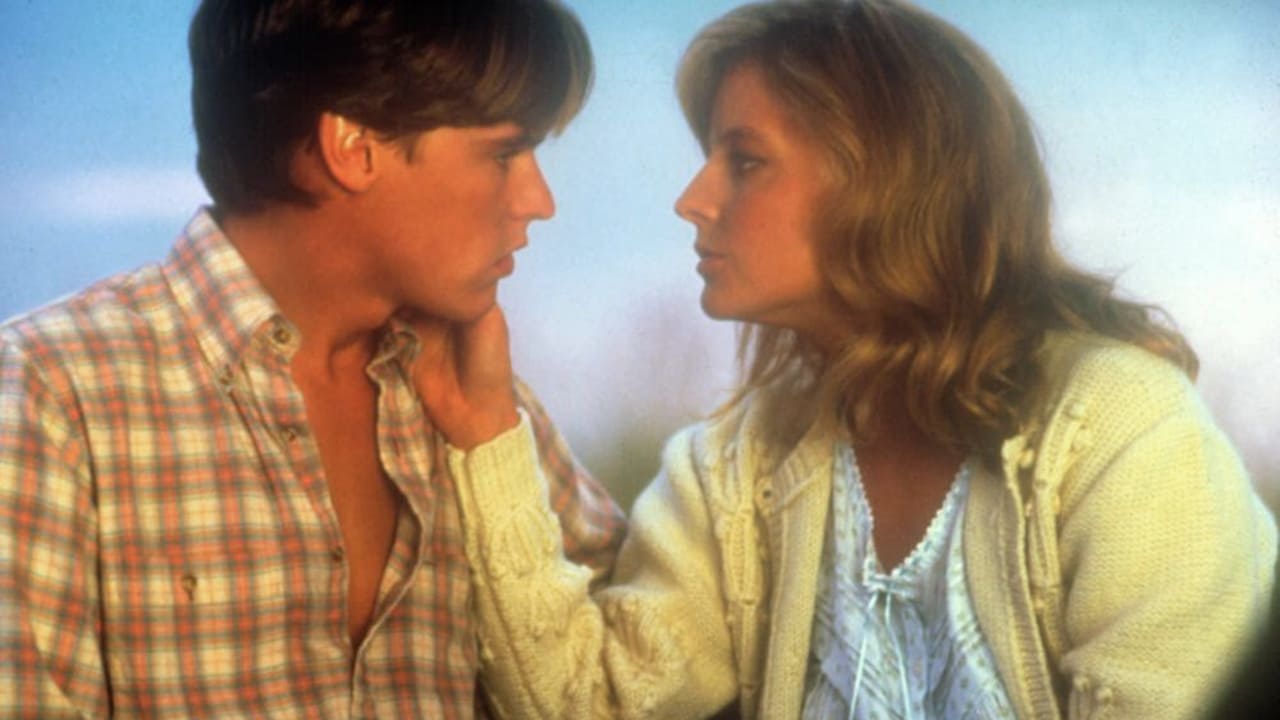
Central to these memories, and indeed the film's entire emotional core, is Katie, played with captivating, almost ethereal energy by Jodie Foster. It’s a fascinating performance. Foster, who took the role wanting to work with Kampmann and was navigating her transition into powerful adult roles (The Accused would earn her an Oscar the same year this was released), imbues Katie with a restless intelligence and a melancholic free-spiritedness that feels both alluring and slightly tragic, even before we know her fate. She’s the older, wiser figure guiding young Billy, the rebellious spirit challenging conformity, the confidante, the first crush. She is less a fully fleshed-out person in Billy’s memories and perhaps more of an idealized symbol – the embodiment of a youthful freedom he feels he’s lost. Does her character sometimes feel like a projection of male longing and nostalgia? Perhaps. But Foster makes her feel undeniably real within those flashbacks, her presence casting a long, poignant shadow over Billy’s present. Her scenes, particularly those shared with the younger Billy (played convincingly by William McNamara and later Thacher Goodwin), possess a warmth and authenticity that anchor the film's emotional journey.
### A Portrait of Lost Potential
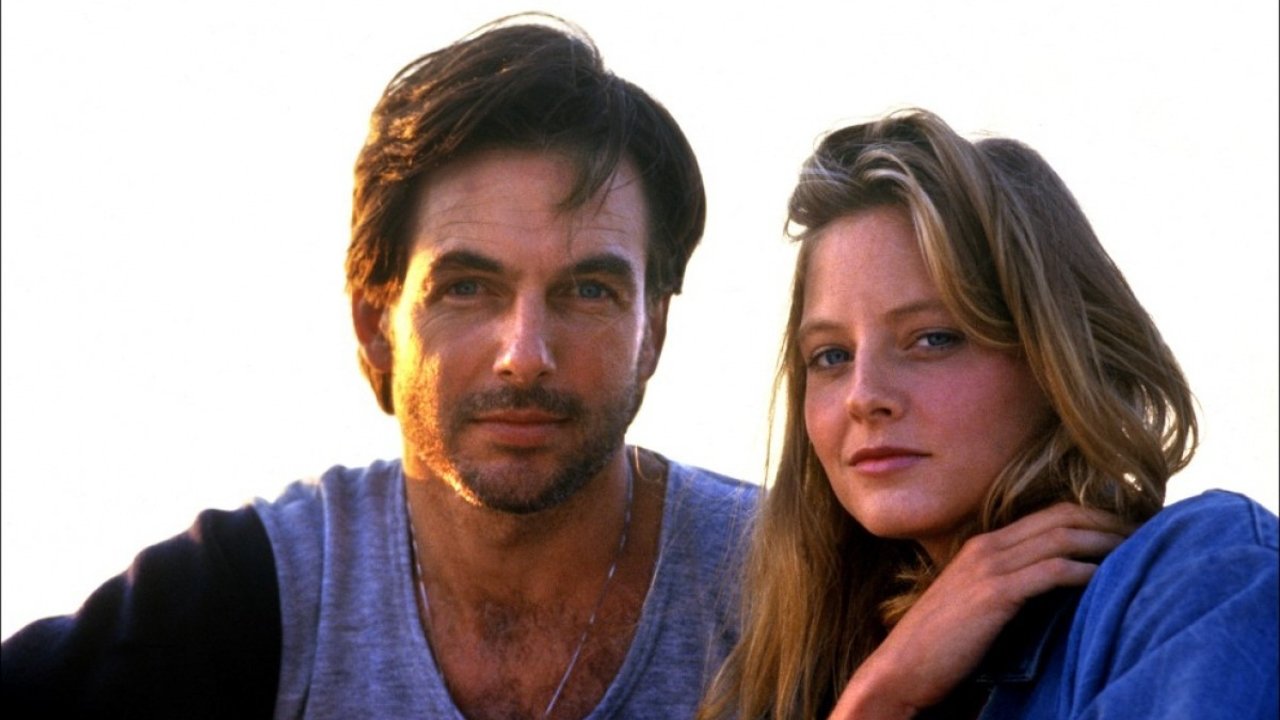
Mark Harmon, then largely known from TV's St. Elsewhere and stepping into a more dramatic lead, carries the weight of the present-day narrative. His Billy Wyatt is a man haunted not just by Katie's death, but by the ghost of his own unfulfilled potential. The once-promising athlete is now adrift, his baseball career stalled, his relationships superficial. Harmon portrays this quiet desperation effectively, his handsome features etched with a weariness that speaks volumes. It's a performance built on reaction and introspection rather than grand pronouncements. He makes us believe in Billy’s arrested development, the sense that he never truly moved beyond those adolescent summers and the profound impact Katie had on him. It's interesting to note that while Harmon was a celebrated college football quarterback for UCLA, his baseball scenes required specific coaching; portraying effortless talent often takes considerable effort behind the scenes.
### More Than Just Nostalgia
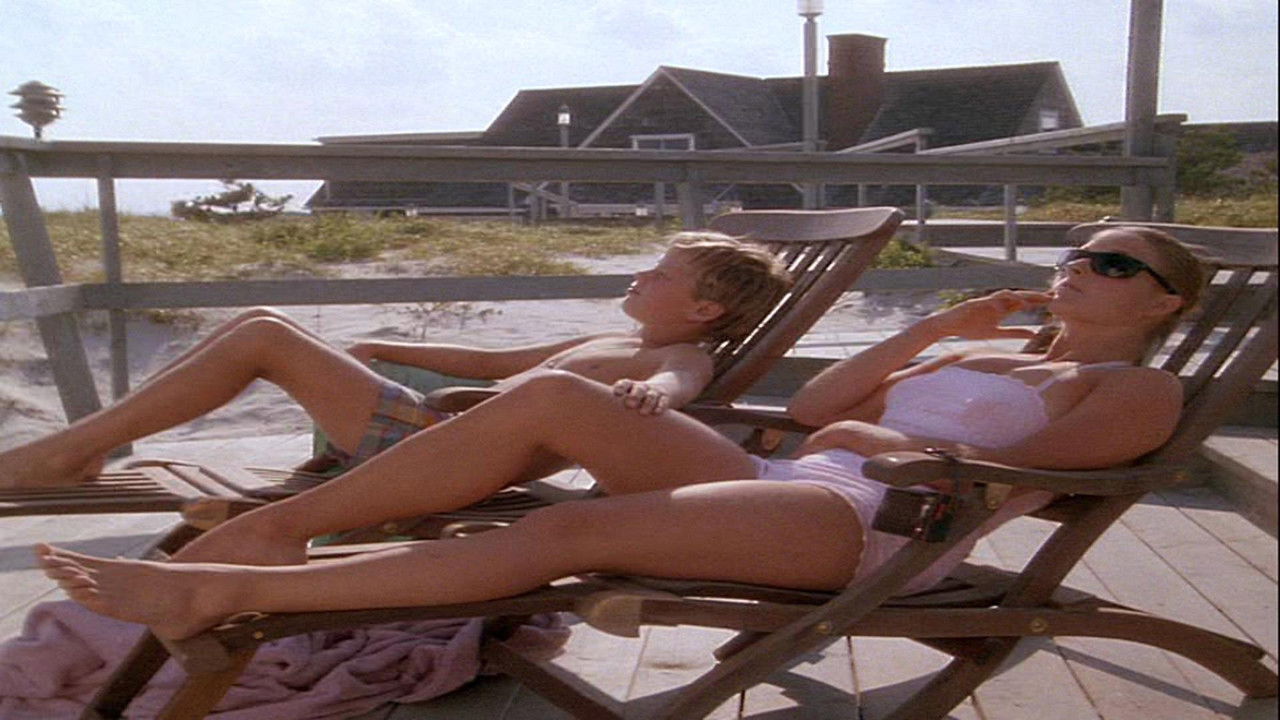
While Stealing Home certainly taps into nostalgia for a specific time and place – the privileged East Coast summer life, the soundtrack blending David Foster's score with classic rock hits – it aims for something deeper than just wistful recollection. It asks us to consider how we mythologize our pasts, how certain people become pivotal figures in our personal histories, and how we grapple with the paths not taken. The supporting cast, including Blair Brown as Billy’s mother and a memorable small turn by Harold Ramis (yes, Egon from Ghostbusters!), adds texture to this world. The film isn't flashy; its $10 million budget (resulting in a modest $6.5 million gross, making it less of a hit than hoped) was clearly spent on capturing atmosphere and character rather than spectacle. Shot largely in Philadelphia and Ocean City, New Jersey, the locations feel authentic, integral to the story's sense of place.
It’s not a perfect film. The pacing is deliberately measured, which might test some viewers, and the flashback structure, while thematic, occasionally feels a bit predictable. Some might argue that Katie remains more of an enigma than a fully developed character, seen primarily through Billy's rose-tinted, grief-stricken lens. Yet, there's an undeniable sincerity here, a gentle probing of loss and memory that resonates. I recall renting this one from the local video store, probably on a whim based on the cover or the cast, expecting maybe a straightforward drama. What stuck with me was its quiet emotional current, the feeling of looking back not just with fondness, but with a necessary, sometimes painful, honesty.
Rating: 7/10
Justification: Stealing Home earns a 7 for its heartfelt exploration of memory and grief, anchored by strong performances, particularly from Jodie Foster in a pivotal role and Mark Harmon's understated portrayal of regret. The film effectively captures a specific mood and atmosphere, and while its structure and pacing might not appeal to everyone, its emotional sincerity and thoughtful themes leave a lasting impression. It avoids melodrama, opting for a quieter, more reflective look at how the past shapes us.
Final Thought: It's a film that lingers like a half-remembered summer afternoon – tinged with sadness, yes, but also with a gentle warmth, reminding us that sometimes the only way forward is by truly understanding where we've been.