Here we are again, digging through the stacks at VHS Heaven. Sometimes amidst the explosive actioners and neon-drenched sci-fi, you unearth something quieter, a film that settles into your thoughts long after the tape has whirred to a stop. Flickering onto the CRT screen today is Mike Figgis's 1994 adaptation of The Browning Version, a film that carries the weight of unspoken regrets and the quiet dignity of a life examined perhaps too late.
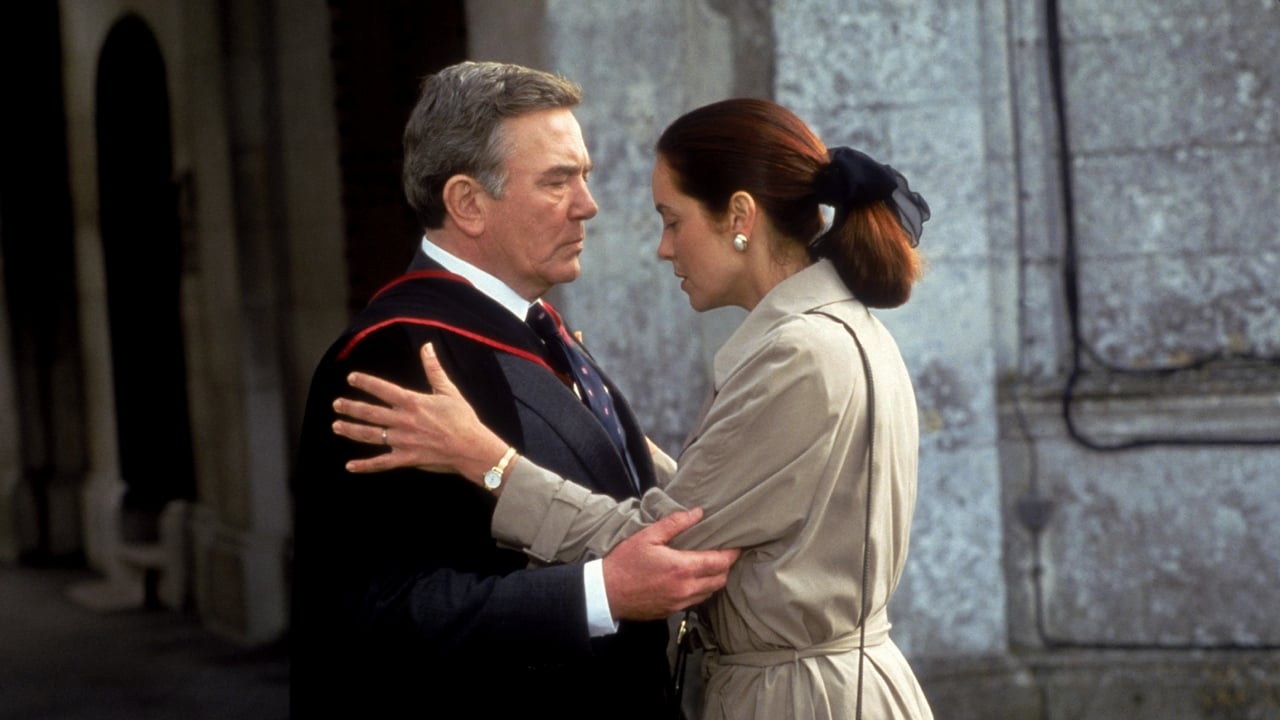
Its central image is unforgettable: Albert Finney as Andrew Crocker-Harris, a classics master at a prestigious English public school, his face a mask of stern control, his posture rigid, yet his eyes betraying a profound, soul-deep weariness. This isn't the stuff of 90s box office sensation, is it? It’s a character study, patient and devastating, existing worlds away from the bombast that often defined the cinematic landscape of the era.
A Hothouse of Quiet Desperation
The setting itself feels like a character – the hallowed halls, the ancient quads, the suffocating grip of tradition at the boys' school where Crocker-Harris has taught, unloved and largely unnoticed, for decades. He's being forced into retirement due to ill health, denied a pension, and known amongst the students simply as "The Crock." His younger wife, Laura (Greta Scacchi), is engaged in a casual, cruel affair with the charismatic American science teacher, Frank Hunter (Matthew Modine), seemingly twisting the knife in her husband’s already profound sense of failure. It sounds bleak, and in many ways it is, yet the narrative, adapted beautifully by Ronald Harwood (who would later pen The Pianist) from Terence Rattigan's celebrated 1948 play, finds flickers of humanity in the gloom.
Finney's Towering, Trembling Performance
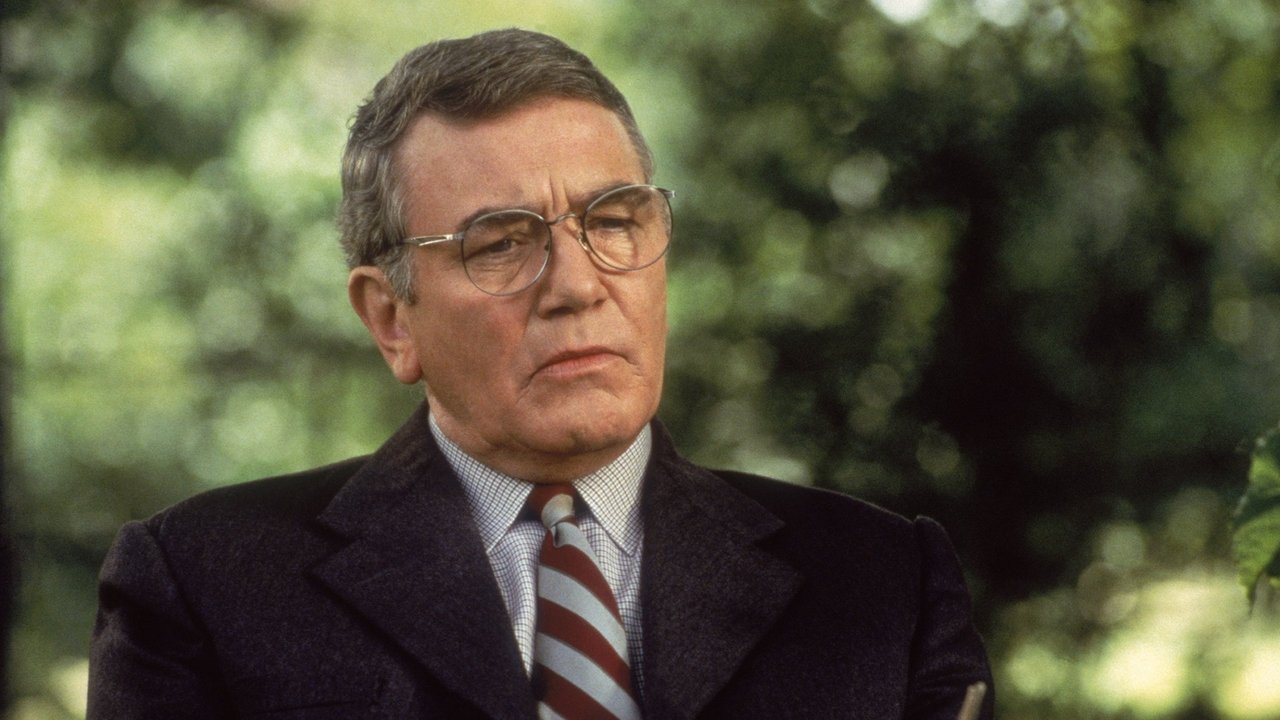
Let's be clear: the gravitational center of this film is Albert Finney. Taking on a role immortalized by Michael Redgrave in the equally superb 1951 film adaptation must have been daunting. Yet Finney makes Crocker-Harris entirely his own. It’s a masterclass in contained emotion. Watch his hands, the slight tremor, the way he clears his throat before delivering a precise, often cutting, remark. He embodies a man who has weaponized intellect and emotional detachment to shield himself from decades of disappointment, both professional and personal. The genius lies in how Finney allows tiny cracks to appear in this formidable facade – a flicker of pain when his wife mocks him, a moment of stunned silence when a young student, Taplow (Ben Silverstone, delivering a remarkably sensitive performance), offers him a parting gift: a copy of Robert Browning's translation of Agamemnon, inscribed with a touching Greek dedication. This small act of unexpected kindness becomes the catalyst, threatening to shatter the careful control Crocker-Harris has maintained for so long. Doesn't it often take just one genuine gesture to begin dismantling the highest walls we build around ourselves?
Orbiting Worlds of Discontent
While Finney commands the screen, the supporting cast provides essential texture. Greta Scacchi navigates Laura's complex motivations – her bitterness isn't simply one-note cruelty; it stems from her own disappointments, her own feeling of being trapped in a life that hasn’t met her expectations. Her interactions with Crocker-Harris are laced with a venom born of familiarity and curdled affection. Matthew Modine, fresh off more prominent roles like Full Metal Jacket (1987), plays Hunter with an easy charm that makes his betrayal understandable, if not excusable. He represents a vitality and directness utterly alien to Crocker-Harris's world, yet even he seems slightly adrift, caught in the crosscurrents of the Crocker-Harris's unhappy marriage.
A Director's Respectful Touch
This film arrived just before director Mike Figgis hit critical paydirt with the raw intensity of Leaving Las Vegas (1995). Here, his touch is far more restrained, almost classical. He trusts the material and his actors, allowing the simmering tensions to build naturally. Shooting on location at historic Sherborne School and Milton Abbey School in Dorset lends an unimpeachable authenticity; you can almost smell the chalk dust and old wood polish. Figgis doesn't resort to stylistic flourishes; instead, he uses the camera to observe, focusing tightly on faces, letting the weight of unspoken words hang heavy in the air. The pacing is deliberate, mirroring the measured, repressed existence of its protagonist. It demands patience, but the emotional payoff is profound.
Retro Fun Facts & VHS Discovery
It’s perhaps unsurprising that The Browning Version wasn't a commercial success back in '94. Reportedly costing around $12.5 million, it grossed a mere $1.5 million in the US. It was likely perceived as too stagey, too "Masterpiece Theatre" for audiences flocking to see Pulp Fiction or Forrest Gump. Finding this on the video store shelf, perhaps nestled in the 'Drama' section far from the New Releases wall, felt like uncovering a hidden gem. I distinctly remember renting it on a whim, drawn by Finney's name, and being utterly captivated by its quiet power. It’s the kind of film that rewards attention, a reminder that profound stories don’t always need to shout. Finney deservedly received a BAFTA nomination for Best Actor – a small recognition for a monumental performance. It’s interesting to think that Ronald Harwood, who adapted the play, knew Rattigan personally, adding another layer of connection to the source material.
The Lingering Resonance
The Browning Version is a film about the crushing weight of potential unrealized, the slow erosion of hope, and the corrosive effect of withheld emotion. But it's also, crucially, about the possibility of redemption, however small, however late. Crocker-Harris's journey isn't one of dramatic transformation, but of a painful, incremental awakening spurred by an unexpected moment of human connection. It forces us to consider our own legacies, the masks we wear, and the courage it takes to finally let them slip.
Rating: 8/10
This score reflects the absolute brilliance of Albert Finney's central performance, arguably one of the finest of his later career, coupled with a literate, emotionally resonant script and sensitive direction. While its deliberate pacing and melancholic tone might not appeal to everyone, for those who appreciate character-driven drama executed with intelligence and grace, it's a deeply rewarding experience. It may have been overlooked upon release, but like a cherished tape rediscovered, its quiet power endures.
What truly stays with you isn't melodrama, but the devastating quietness of Crocker-Harris finally acknowledging, perhaps only to himself, the profound sadness of his own life. A challenging, yet deeply moving watch.