It often starts with a secret, doesn't it? That feeling, common to so many teenage years regardless of the specifics, of harbouring a truth so fundamental it feels like it could crack the world open if revealed. Watching Simon Shore’s Get Real (1998) again, now decades removed from its original release, that sense of a carefully constructed facade hiding a burgeoning, complex inner life feels incredibly potent. It’s a film that arrived quietly, without the gloss of its American high school counterparts, yet spoke volumes with a sincerity that still resonates from that worn-out rental tape.
A World Behind the Eyes
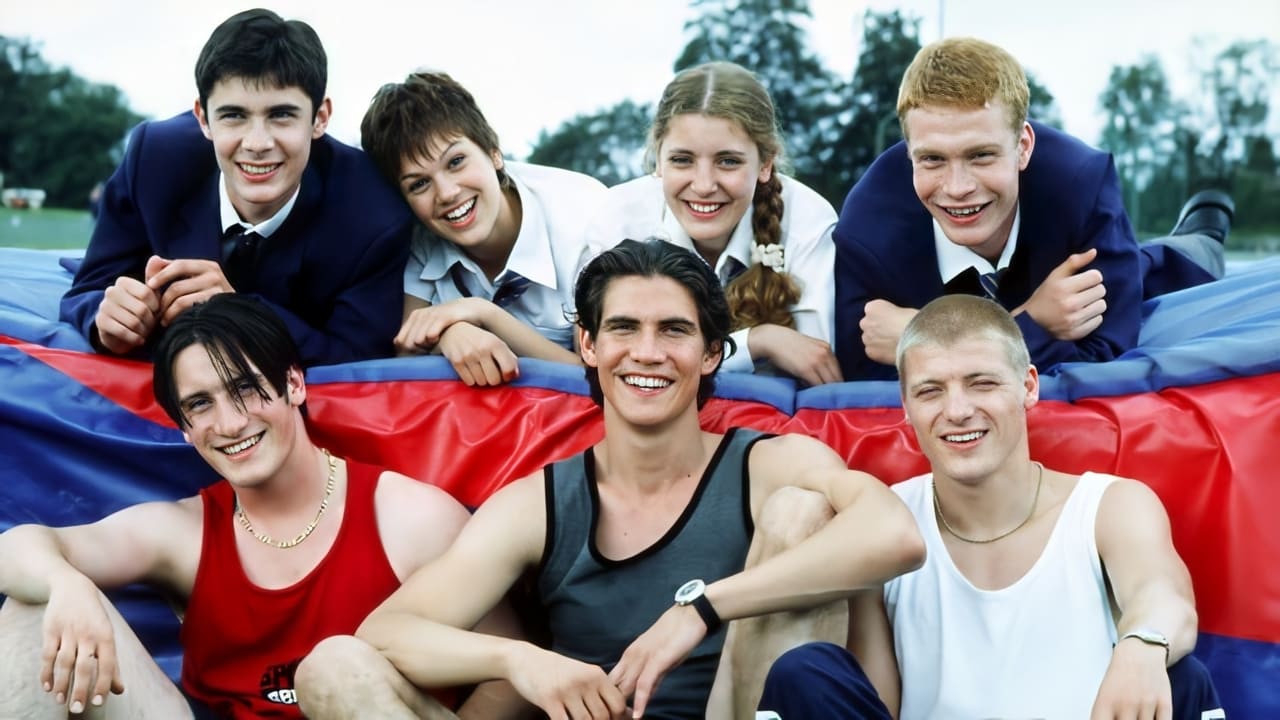
We meet Steven Carter (Ben Silverstone) navigating the treacherous corridors of a British comprehensive school in the late 90s. He’s smart, witty, perhaps a little too observant for his own good, and utterly invisible to most – except as occasional fodder for the casually cruel taunts flung his way. His defence mechanism? A sharp intellect, a loyal best friend in Linda (Charlotte Brittain), and a deeply guarded secret: he’s gay. Silverstone embodies Steven with a remarkable blend of vulnerability and resilience. His internal monologue, often delivered through confessional school essays typed out on a clunky computer, provides a poignant counterpoint to the guarded, sometimes sarcastic face he presents to the world. It’s a performance that feels incredibly lived-in, capturing the exhausting vigilance required just to get through the day without giving yourself away.
The Spark and the Shadow
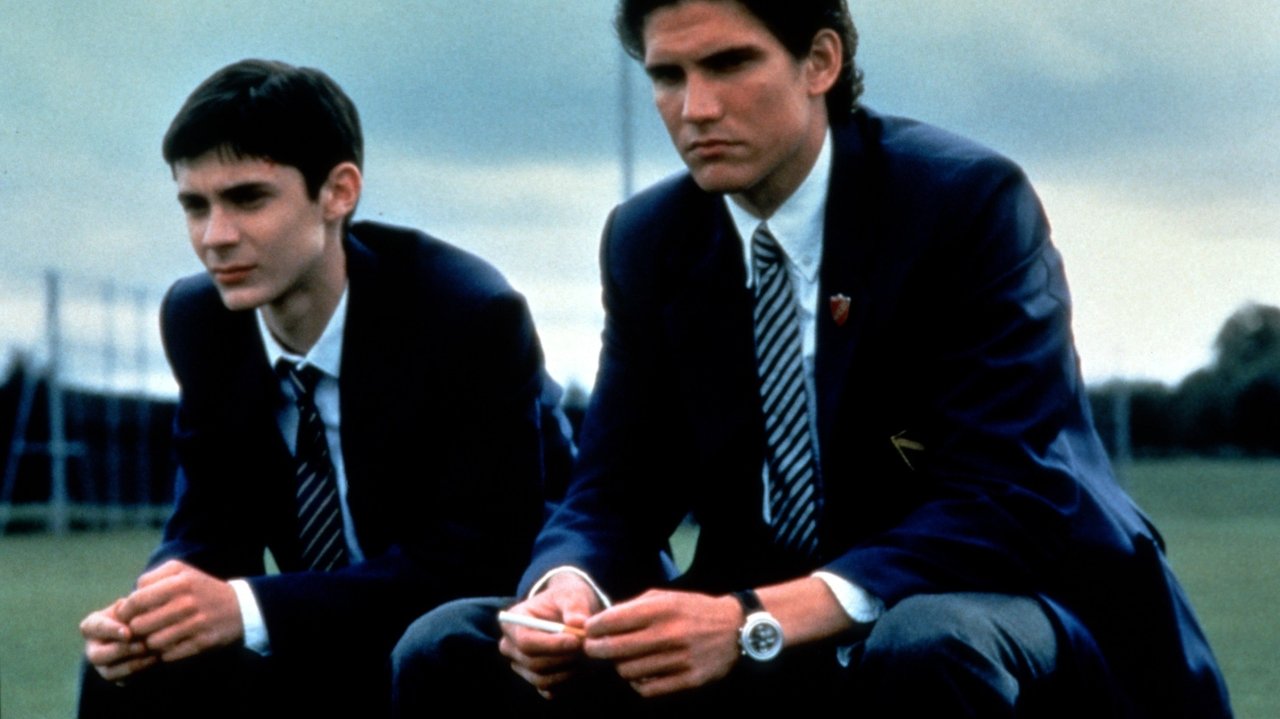
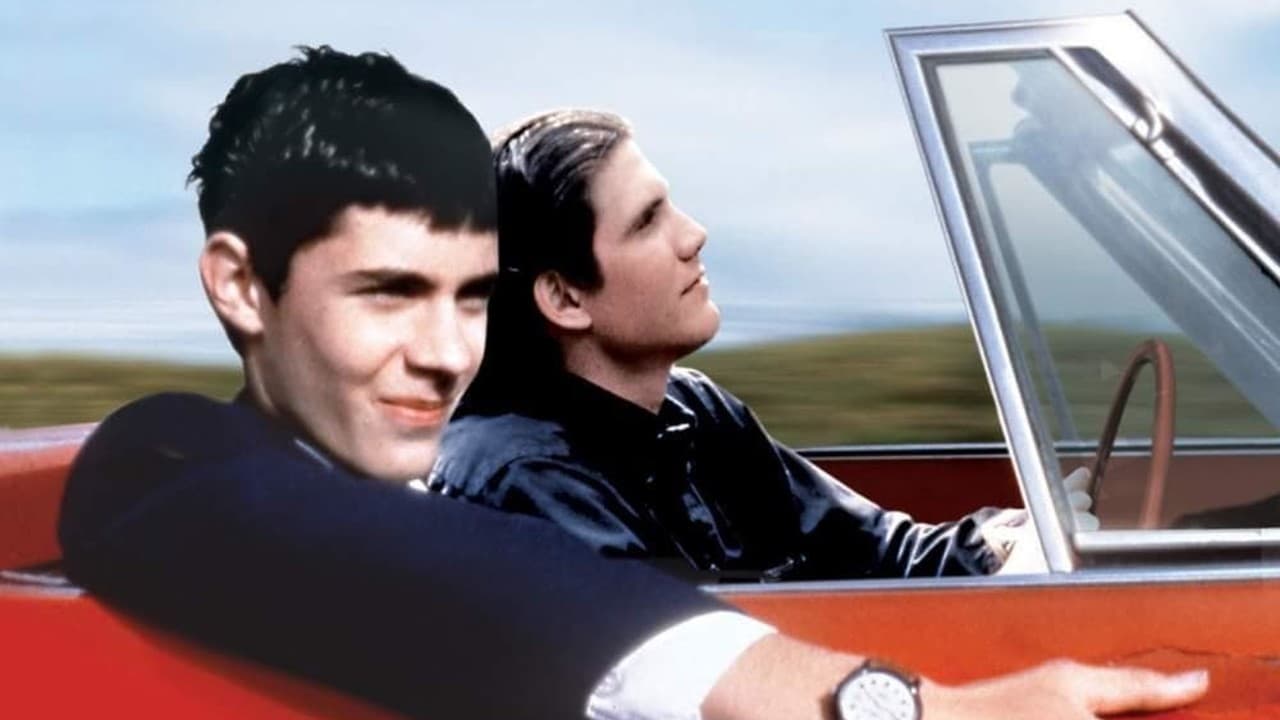
The catalyst for change arrives in the form of John Dixon (Brad Gorton), the school's golden boy – handsome, athletic, popular. An unexpected encounter in a public loo (a cruising spot Steven frequents with a mix of hope and self-loathing) ignites a clandestine affair. The film handles their burgeoning relationship with a tenderness that feels refreshingly honest. There are moments of genuine sweetness and connection, the thrill of shared secrecy binding them together. Yet, the shadow of John's terror of exposure hangs heavy. Gorton effectively portrays the internal conflict of a young man drawn to Steven but paralyzed by the fear of losing his carefully curated social standing. This imbalance – Steven's longing for openness versus John's desperate need for concealment – forms the film's aching emotional core. Doesn't this dynamic, the push and pull between desire and societal pressure, echo experiences far beyond this specific story?
Beyond the Central Romance
While the central romance drives the plot, Get Real understands that teenage life rarely revolves around just one thing. Steven’s friendship with Linda is beautifully drawn. Brittain gives Linda a warmth and unwavering loyalty that makes her more than just the supportive sidekick. She’s Steven’s anchor, the one person he can almost be himself with, even before full disclosure. Their shared jokes, anxieties about the future, and navigating of school politics ground the film in a recognisable reality. The background hum of casual homophobia and the presence of outright bullies serve as a constant reminder of the stakes involved, making Steven's eventual decisions carry significant weight.

From Stage to Screen Authenticity
It’s perhaps telling that Get Real originated as a stage play, What's Wrong with Angry? by Patrick Wilde, who also adapted it for the screen. There's a focus on dialogue and character that feels theatrical in the best way – intimate and revealing. Director Simon Shore, making his feature debut, wisely keeps the focus tight on the performances and the emotional landscape. Filmed on a modest budget (around £1.5 million) largely in Basingstoke, the film avoids flashy cinematic tricks, opting instead for a grounded realism that suits the material perfectly. This wasn't a blockbuster; its positive reception often came from festival audiences (like winning the Audience Award at the Edinburgh International Film Festival) who connected with its heartfelt honesty. It arrived around the same time as other significant British LGBTQ+ films like Beautiful Thing (1996), offering another vital perspective on queer youth experiences in the UK during that era, distinct from the often more sanitised or dramatic American offerings. The title itself, "Get Real," feels less like a command and more like a plea – a longing for authenticity in a world demanding conformity.
A Quiet Strength That Endures
Watching Get Real today, certain elements inevitably feel tied to their late-90s moment – the fashion, the technology (that satisfying clack of an old keyboard!), the specific cultural anxieties. Yet, the core emotional journey remains remarkably relevant. The struggle for self-acceptance, the courage required to claim one's identity, the bittersweet pain of first love, particularly when navigating societal prejudice – these themes are timeless. It’s a film that doesn’t shout; it speaks, often in whispers, but with a clarity that cuts through the noise. It reminds us of the quiet battles fought behind seemingly ordinary teenage lives. What stays with you most after the credits roll? Is it the sting of betrayal, the warmth of friendship, or the eventual, hard-won glimmer of hope?

Rating: 8/10
This score reflects the film's powerful and authentic central performance from Ben Silverstone, its sensitive handling of complex emotional themes, and its refreshingly honest portrayal of LGBTQ+ teen life in its specific time and place. While perhaps lacking the cinematic polish of bigger budget productions and occasionally leaning into familiar narrative beats, its sincerity and emotional resonance earn it a firm place in the landscape of important 90s British cinema. It’s a film that achieved exactly what its title implored.
Get Real remains a poignant, heartfelt reminder that sometimes the bravest act is simply daring to be yourself, even when the world tells you otherwise. A quiet gem that deserves its place on the shelf, right next to the tapes you wore out watching again and again.