Okay, settle in, maybe pour yourself something thoughtful. Tonight, we're revisiting a corner of the video store shelves that perhaps didn't shout the loudest, but held whispers of profound human drama. We're talking about Krzysztof Kieślowski's monumental 1989 television series, Dekalog, and specifically, its sixth installment: Dekalog: Six. Forget the explosions and high-octane chases for a moment; this is cinema that gets under your skin in a quieter, more persistent way.
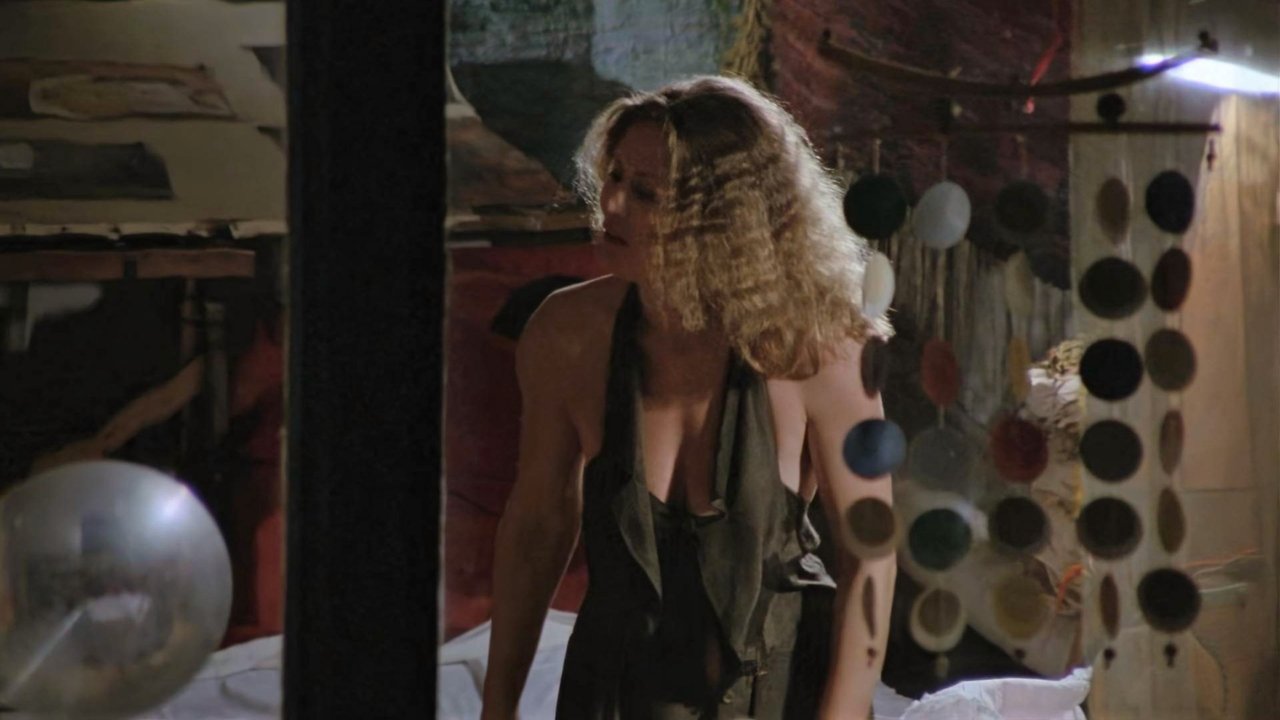
It begins with an act of looking. Not just a glance, but a focused, obsessive gaze through a telescope, bridging the sterile gap between two Warsaw apartment block windows. This single image – a young man observing a woman – immediately throws us into a morally complex space. What are the ethics of watching? Where does observation slide into violation, and can intimacy be forged across such a divide? These aren't easy questions, and Dekalog: Six offers no simple answers.
The Watcher and the Watched
Our watcher is Tomek (Olaf Lubaszenko), a nineteen-year-old postal worker, shy and unassuming in his daily life, but consumed by a secret nightly ritual. His world revolves around Magda (Grażyna Szapołowska), an older, sexually liberated artist living opposite him. He times his life around her routines, manipulating deliveries to see her, stealing letters, even making anonymous calls, all fueled by what he believes is love. Lubaszenko is utterly convincing, portraying Tomek not as a leering predator, but as achingly lonely, projecting his yearning onto the distant figure of Magda. There's a heartbreaking vulnerability beneath the transgression; his youth and profound isolation make his actions feel born of desperation rather than malice.
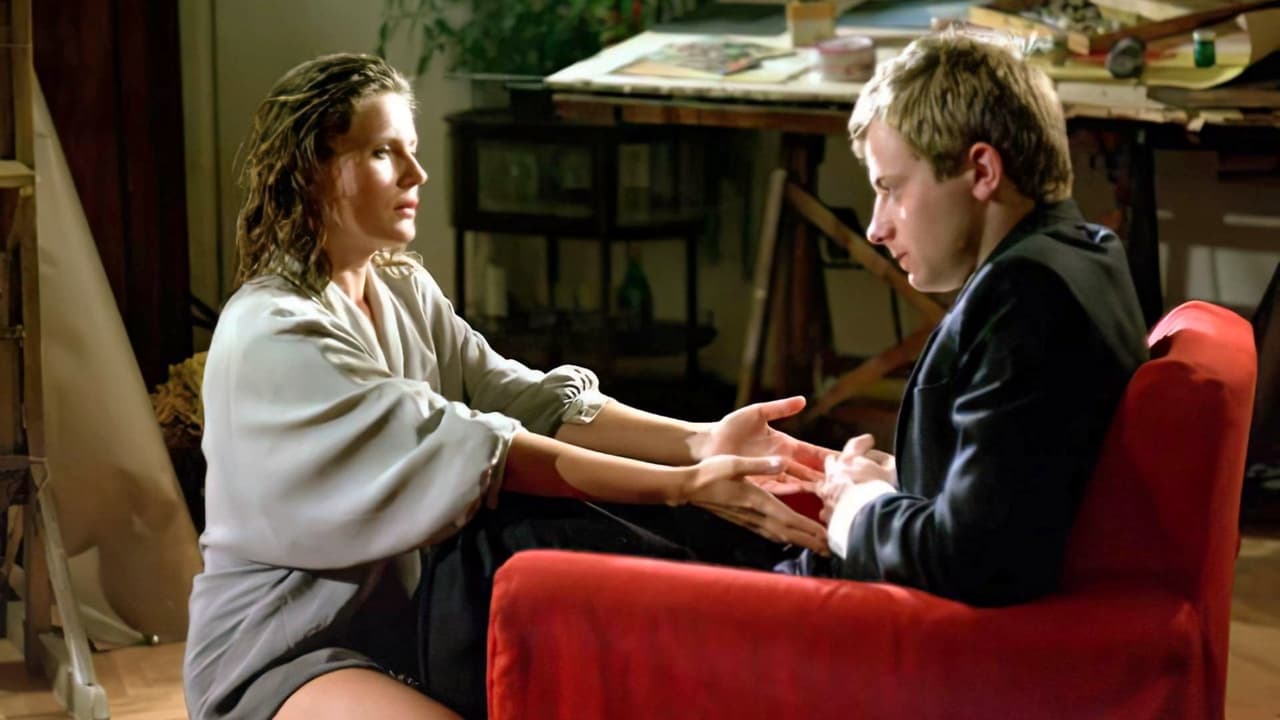
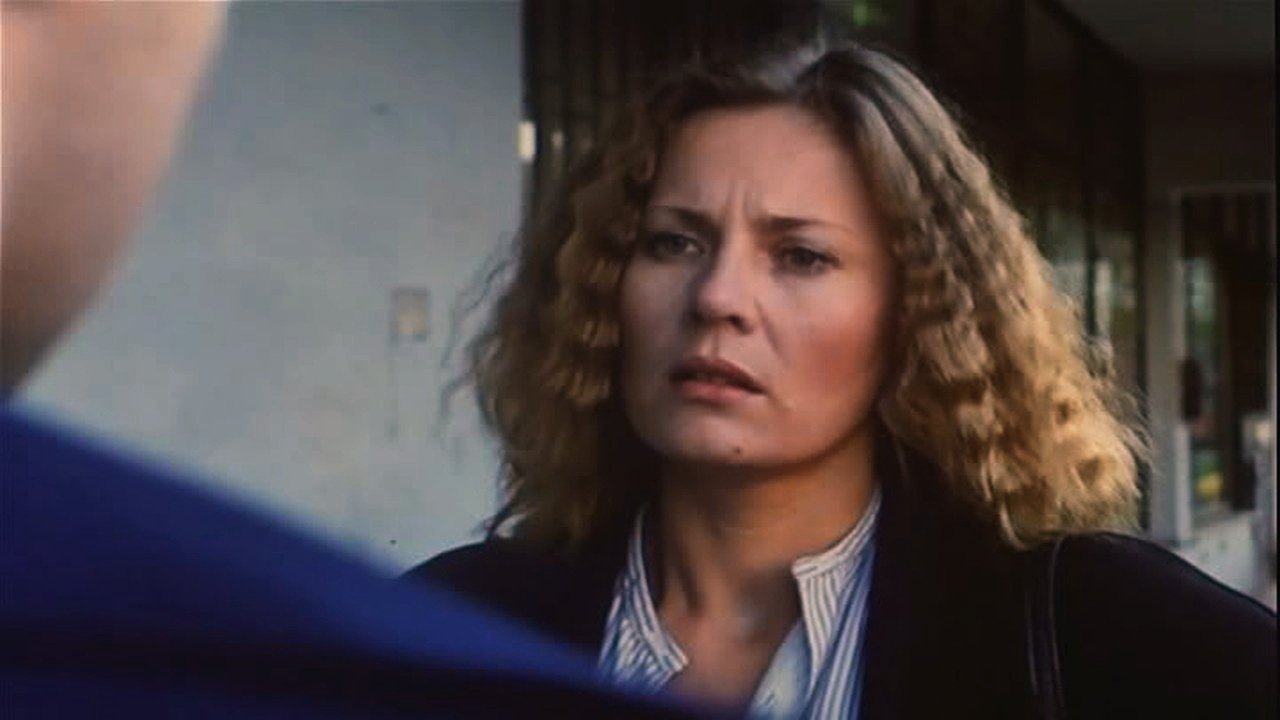
Magda, initially, is unaware she is the object of such intense scrutiny. Szapołowska embodies a certain weary sophistication. She seems confident, perhaps a little cynical about love and relationships, engaging in casual affairs that Tomek witnesses with a mixture of fascination and pain. When their worlds finally collide – prompted by Tomek's eventual, naive confession – the power dynamic shifts dramatically and uncomfortably. Her initial reaction is one of violation and anger, challenging his idealized perception of her and, devastatingly, his concept of love itself.
Kieślowski's Unflinching Eye
Krzysztof Kieślowski, directing from a script co-written with his regular collaborator Krzysztof Piesiewicz, masterfully controls the film's tone. There’s a palpable sense of melancholy hanging over the anonymous apartment complex, a recurring setting throughout the Dekalog series that emphasizes shared human experience within urban isolation. The cinematography is intimate yet observational, often framing characters through windows or doorways, reinforcing themes of separation and connection. Kieślowski avoids sensationalism; the focus remains squarely on the characters' internal states, their subtle shifts in expression conveying volumes.
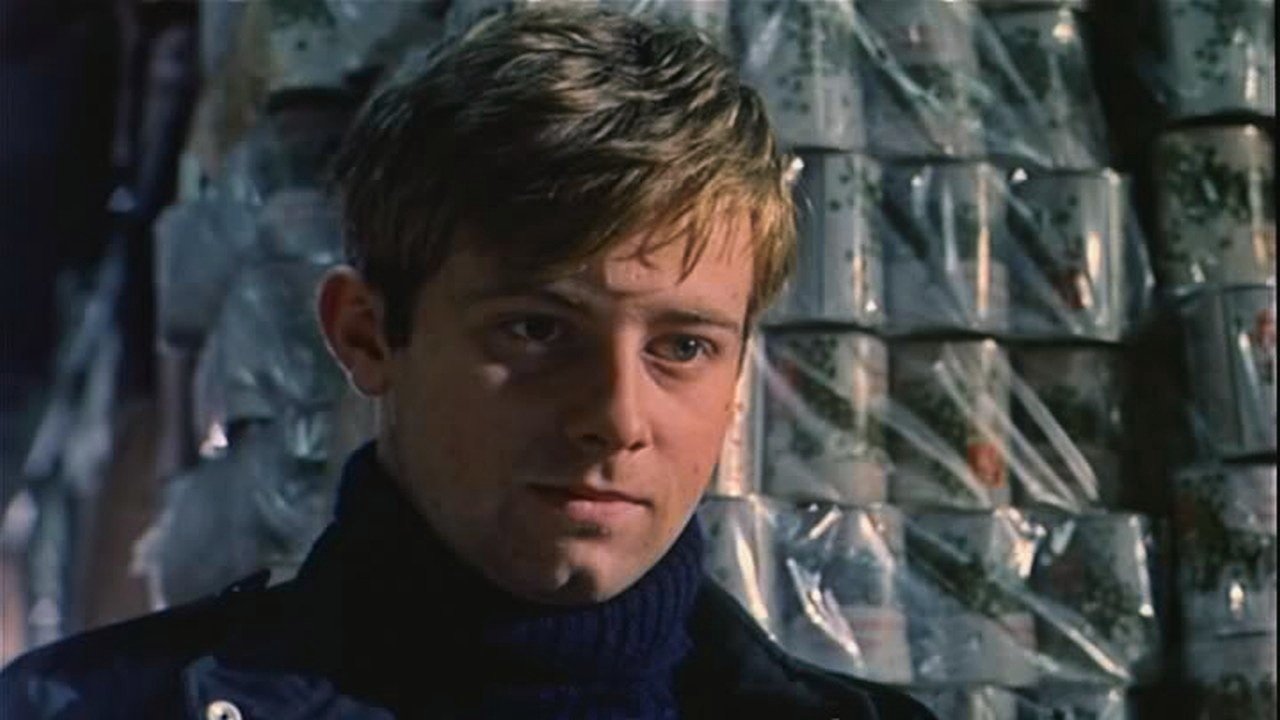
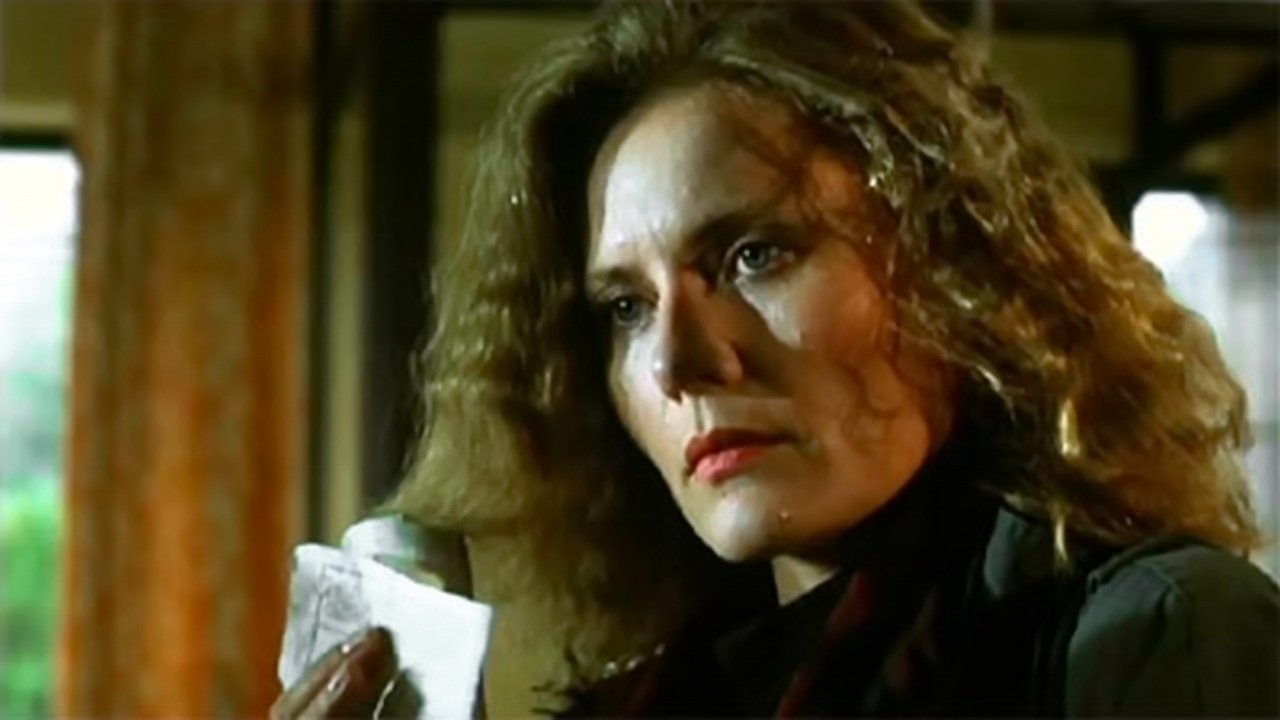
The film explores the commandment "Thou shalt not commit adultery," but like all entries in the Dekalog, it approaches its theme obliquely, examining the complex spectrum of love, lust, intimacy, and betrayal. Is Tomek's obsessive watching a form of emotional infidelity to the very idea of respectful love? Is Magda's casual approach to sex a betrayal of something deeper? The film leaves these ambiguities for us to ponder, refusing judgment.
Retro Fun Facts: From TV Episode to Feature Film
- A Longer Look: Many viewers might know this story better through its feature-length version, A Short Film About Love (1988), which was actually released before the full Dekalog series aired. Kieślowski expanded the narrative, crucially giving it a more hopeful, perhaps more conventionally romantic, ending. Dekalog: Six retains the original, starker, and arguably more challenging conclusion conceived for television. Debating which ending resonates more deeply is a classic Kieślowski conundrum.
- The Dekalog Project: Creating ten hour-long films, loosely themed around the Ten Commandments, all set within the same Warsaw housing estate and shot virtually back-to-back, was an incredibly ambitious undertaking for Polish Television in the late 1980s. It required immense logistical coordination and creative stamina from Kieślowski, Piesiewicz, and the various cinematographers and composers involved (including the brilliant Zbigniew Preisner, whose score here is subtly effective).
- Shared Universe: Keen-eyed viewers of the Dekalog series will notice characters subtly crossing paths between episodes, reinforcing the sense of a shared community wrestling with universal moral dilemmas. It’s a quiet testament to the interconnectedness Kieślowski saw in modern life.
- Finding Its Audience: While a major event in Poland, Dekalog reached international audiences largely through film festivals, art-house cinemas, and, yes, those glorious VHS tapes often found in the "Foreign Films" section of more discerning video stores. For many cinephiles in the late 80s and early 90s, discovering Kieślowski this way felt like uncovering a hidden treasure.
The Lingering Gaze
What stays with you after Dekalog: Six concludes is not just the uncomfortable exploration of voyeurism, but the profound sadness at its core. It’s a film about the desperate human need for connection and the painful, often clumsy ways we try to achieve it. The performances by Lubaszenko and Szapołowska are exceptional in their raw honesty, capturing the delicate, dangerous dance between vulnerability and cruelty. Stefania Iwińska, as Tomek's kindly landlady and surrogate grandmother figure, provides a crucial anchor of simple warmth amidst the emotional turmoil.
This isn't feel-good cinema, nor is it a simple moral tale. It's a film that trusts its audience to sit with discomfort, to question motivations, and to feel the weight of loneliness and misunderstanding. Watching it again now, decades after first encountering it perhaps on a slightly worn library VHS tape, its power hasn't diminished. If anything, its exploration of observation, privacy, and the projections we cast onto others feels startlingly relevant in our hyper-connected, yet often isolating, digital age.
Rating: 9/10
Justification: Dekalog: Six is a masterful piece of intimate filmmaking. Its power lies in its unflinching emotional honesty, the superb, nuanced performances from Lubaszenko and Szapołowska, and Kieślowski's precise, empathetic direction. It tackles complex themes of love, obsession, and loneliness with profound depth and moral ambiguity. The slight deduction acknowledges that its deliberate pacing and challenging subject matter demand patience and engagement from the viewer, making it less immediately accessible than some other classics, but its rewards are immense.
It’s a film that reminds us that sometimes the most significant dramas unfold not in grand gestures, but in the quiet spaces between people, in the silent exchange of glances across a courtyard. What does it truly mean to see another person, and what happens when that gaze is returned? Dekalog: Six leaves you pondering these questions long after the screen goes dark.