It hangs in the memory like the humid Rio air itself – a film that felt almost illicit to slide into the VCR back in the day. Wild Orchid (1989) wasn’t just another drama; it arrived wrapped in whispers, promising a kind of glossy, adult sensuality that felt worlds away from the multiplex blockbusters. Watching it again now, decades removed, is like unearthing a time capsule filled with simmering tension, questionable choices, and the unmistakable aesthetic of director Zalman King.
Rio's Embrace
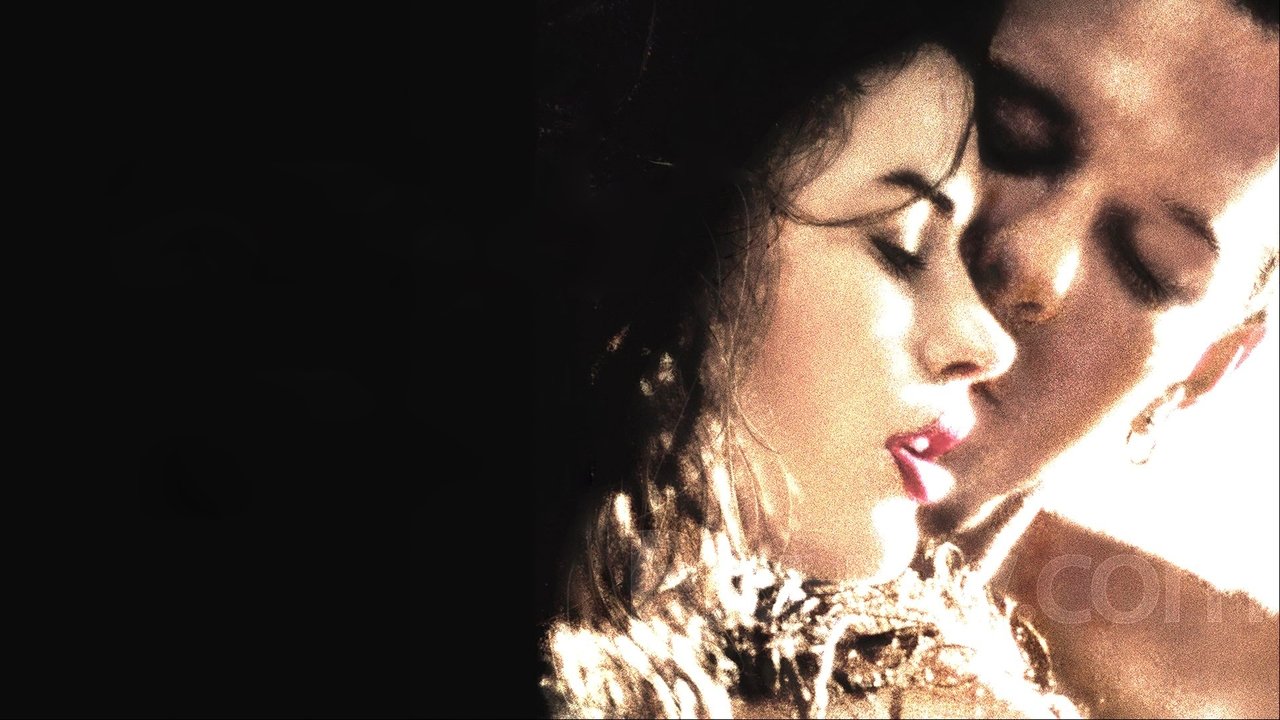
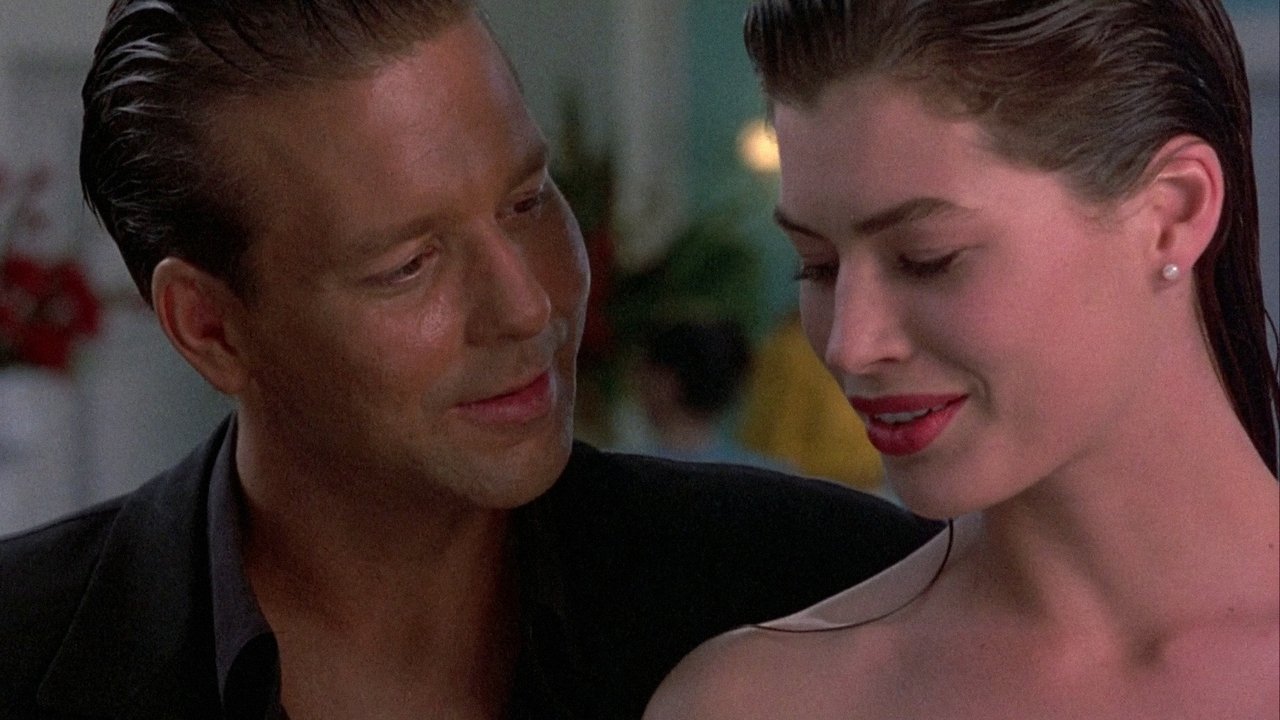
The premise feels like a fever dream sketched on a cocktail napkin: Emily Reed (Carré Otis), a wide-eyed young lawyer fresh out of law school, lands in Rio de Janeiro to assist on a major real estate deal. She’s immediately taken under the wing of the sophisticated, worldly Claudia Dennis (Jacqueline Bisset), a woman who moves through the city's opulent layers with effortless grace. But it's the enigmatic James Wheeler (Mickey Rourke) who truly disrupts Emily's carefully constructed world. A millionaire recluse with an unnerving stare and a penchant for psychological games, Wheeler draws Emily into a vortex of voyeurism and escalating sensuality, using Claudia as both buffer and instrument. The plot, thin as the expensive silks worn by its characters, is secondary to the atmosphere King conjures – Rio isn't just a backdrop; it's a pulsing, sweating entity, amplifying the characters' desires and anxieties.
The Wheeler Mystery
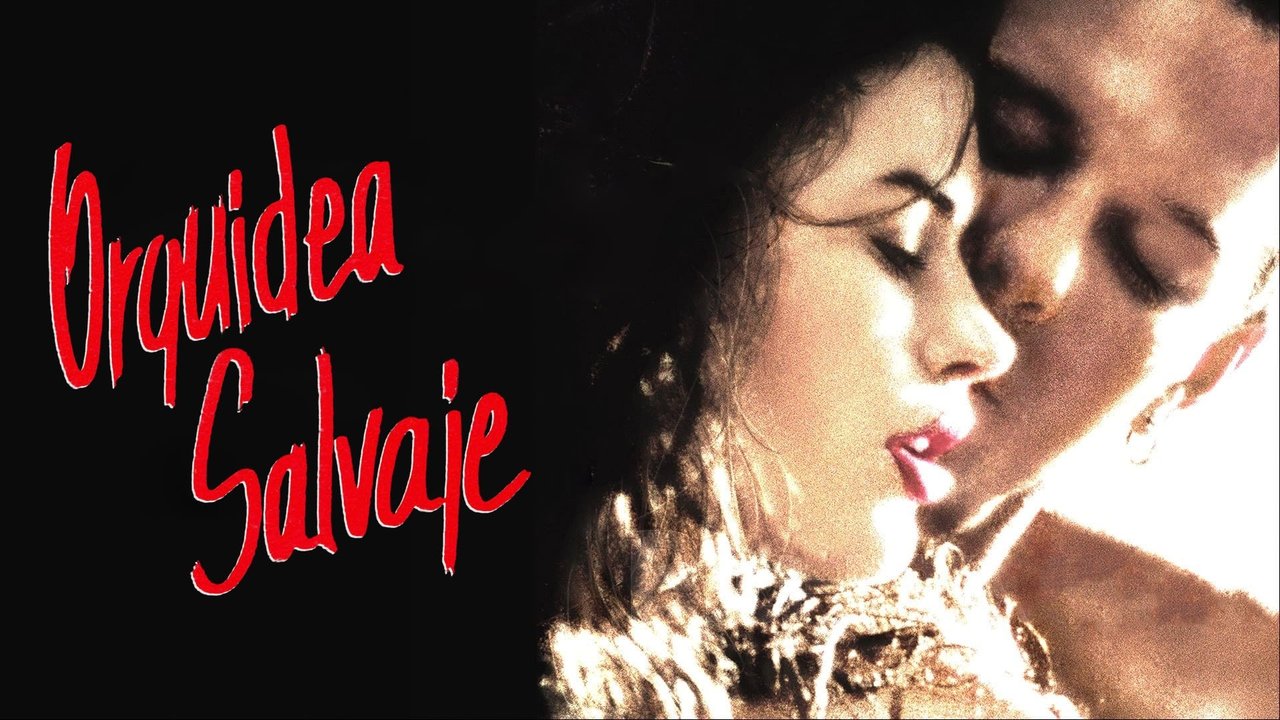
Mickey Rourke, deep in his late-80s phase of captivating strangeness, embodies Wheeler with a performance that's hard to pin down. Is he menacing? Seductive? Damaged? All of the above? Wheeler is less a character and more a catalyst, observing and manipulating from a distance, his motivations deliberately obscured. Rourke leans into this ambiguity, his quiet intensity often more potent than any dialogue. It's a performance that feels inextricably linked to his persona at the time – the brooding intensity seen in Angel Heart (1987) or the raw magnetism of 9½ Weeks (1986, which Zalman King wrote) is filtered here through a lens of detached, almost predatory curiosity. This role undeniably cemented his status as an unconventional leading man, even as his methods became legendary. One piece of trivia that’s impossible to ignore is that the palpable, often uncomfortable chemistry between Rourke and Carré Otis mirrored their real-life relationship, which began during the filming. Knowing this adds a complex, almost meta-textual layer to their on-screen interactions, blurring the lines between performance and reality in a way that feels uniquely of its time.
An Orchid Unfolds
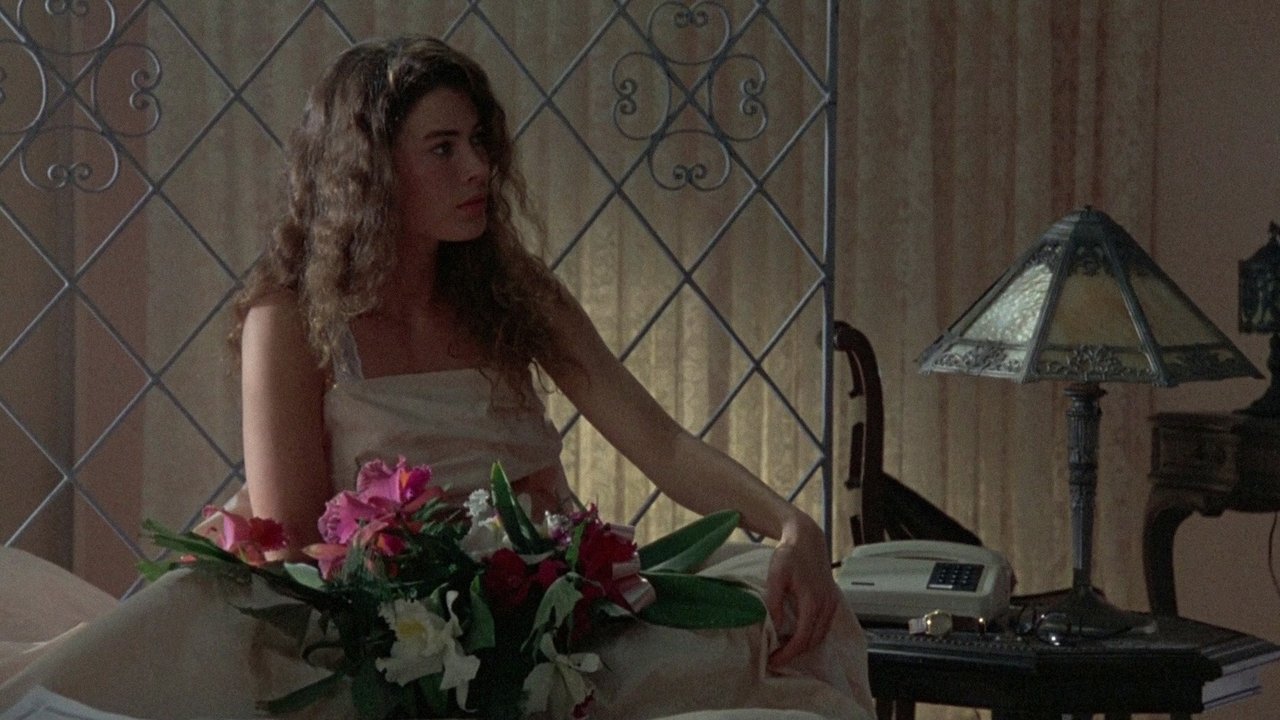
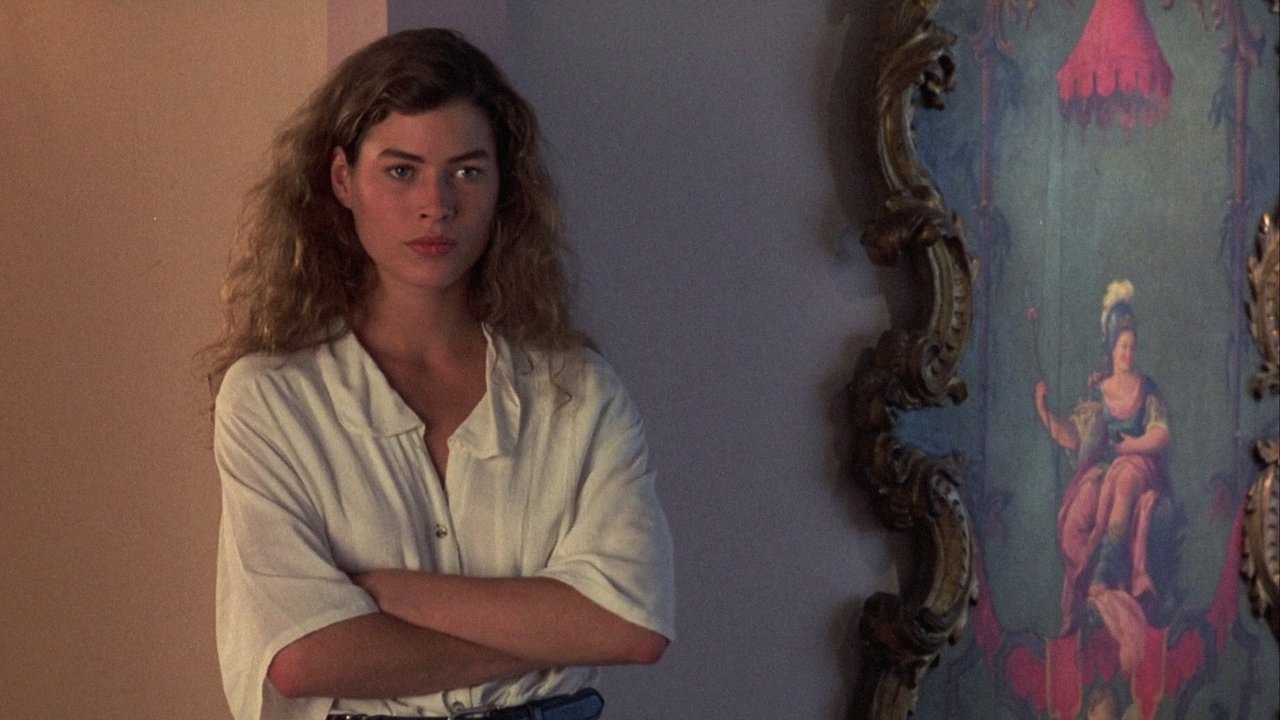
For Carré Otis, Wild Orchid was a high-profile acting debut after a successful modeling career. Tasked with portraying Emily's rapid transformation from naive newcomer to willing participant in Wheeler's games, Otis brings a striking vulnerability to the role. Her initial wide-eyed innocence feels genuine, making her eventual immersion in Rio's sensual underworld both compelling and slightly unsettling. While her performance occasionally betrays her inexperience, there's an undeniable screen presence. King clearly saw something captivating in her, and his camera lingers on her reactions, charting her emotional and sexual awakening with an almost obsessive focus. Does her journey feel entirely earned by the script? Perhaps not always, but Otis commits fully to the emotional arc, making Emily's fascination with Wheeler believable, even when his actions border on the creepy.
King's Vision
Zalman King, who carved a niche for himself exploring themes of eroticism and obsession (later notably with the Red Shoe Diaries series), directs Wild Orchid with his signature style fully formed. Expect slow-motion sequences, diffused lighting filtering through sheer curtains, lingering close-ups on skin and sweat, and a score heavy on breathy vocals and synthesizer swells. It’s a look that screams "late 80s art-house eroticism," prioritizing mood and sensation over narrative logic. This focus on provocative content reportedly caused some friction during production; King faced challenges securing filming permits in parts of Rio due to the script's explicitly sensual nature, a testament to how boundary-pushing the material felt at the time.
Steam and Censorship
And push boundaries it did. Wild Orchid is perhaps most famous (or infamous) for its explicit content, particularly its final, highly controversial scene. The intensity of the depicted intimacy led to a protracted battle with the MPAA, ultimately resulting in an initial NC-17 rating. To secure a commercially viable R-rating for theatrical release, several minutes had to be trimmed. For many of us clutching our rental memberships, however, the "Unrated Version" released on VHS became the definitive cut – a prime example of how home video offered access to films deemed too hot for mainstream cinemas. Renting that unrated tape felt like gaining entry to a secret club, promising something forbidden and adult. It's fascinating to consider how much of the film's mystique was tied directly to this censorship battle and the allure of the uncut version sitting right there on the video store shelf.
Lingering Heat
Watching Wild Orchid today is a curious experience. The overt sensuality, once shocking, now feels somewhat stylized, even tame compared to modern standards. Yet, the film retains a unique power. Its unapologetic focus on female desire, filtered through King's very specific male gaze, remains distinctive. The plot might be flimsy, and some dialogue clunky, but the atmosphere is undeniable. It captures a specific moment in time – the tail end of 80s excess, the dawn of the glossy erotic thriller subgenre that would explode in the early 90s with films like Basic Instinct (1992). Despite its relatively modest budget (around $17 million) and disappointing US box office (~$6.7 million, roughly $15.5 million today), its performance internationally and its strong afterlife on VHS cemented its cult status. Does it offer profound insights into human nature? Probably not. But does it perfectly encapsulate a certain kind of late-night, rain-slicked, vaguely dangerous cinematic mood? Absolutely. What lingers most is that feeling – the heat, the mystery, the slightly forbidden thrill.
Rating: 6/10
The rating reflects Wild Orchid's status as a fascinating, flawed time capsule. It earns points for its potent atmosphere, Mickey Rourke's uniquely magnetic performance, and its sheer audacity within the context of its time. It's undeniably a Zalman King creation, prioritizing style and sensation above all else. However, the thin plot, sometimes awkward execution, and the uncomfortable voyeuristic elements hold it back from being a true classic. It’s a film more felt than understood, significant for its place in the VHS culture wars and the erotic thriller boom.
Wild Orchid remains a potent reminder of a time when mainstream cinema flirted more openly, if sometimes clumsily, with the complexities of desire, leaving behind a hazy, humid, and strangely unforgettable cinematic artifact.