The hum of the amplifier, the crackle of the connection, the promise of perfect sound filling an empty space. But sometimes, the spaces aren't empty. Sometimes, what fills them isn't harmony, but a chilling dissonance that echoes long after the silence returns. This is the unsettling territory mapped by Donald Cammell's 1987 fever dream, White of the Eye – a film less interested in whodunit than in the terrifying psychological landscape behind the dunit.
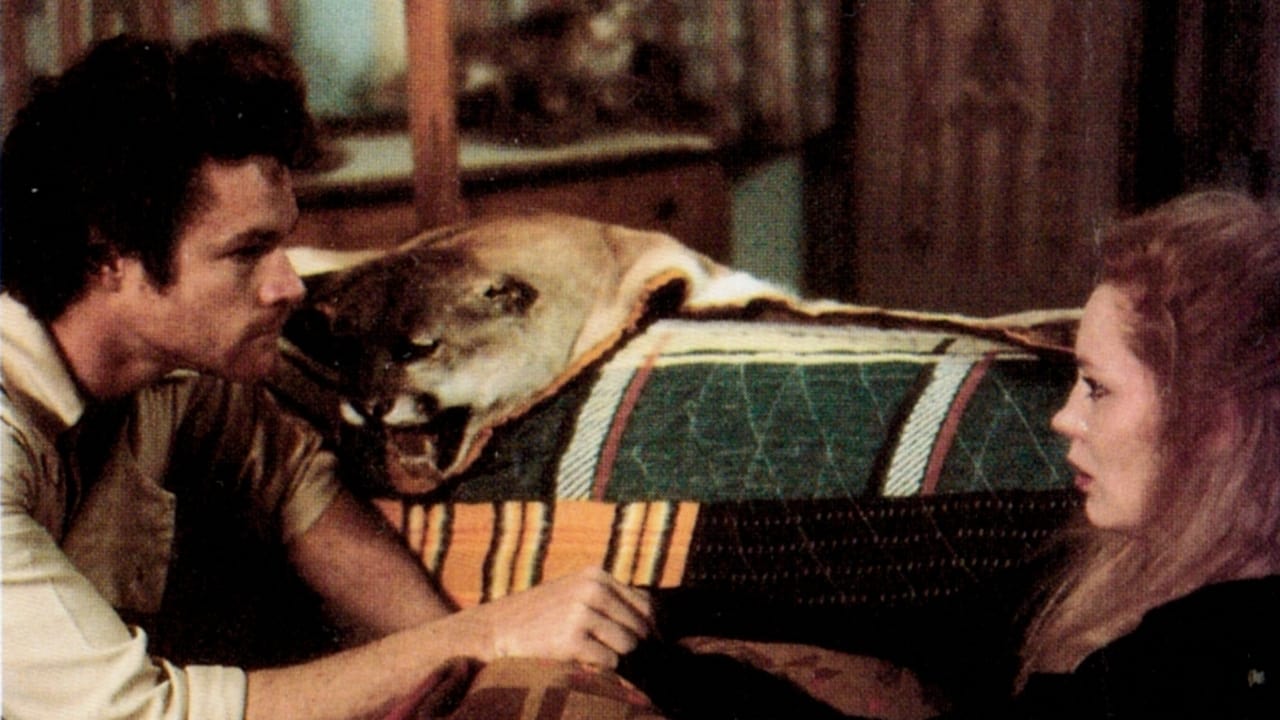
Forget your standard 80s slasher tropes. Cammell, the elusive co-director of the legendary, mind-bending Performance (1970), wasn't playing that game. This isn't about masked killers chasing teens; it's a sun-drenched Arizona noir that slowly peels back the layers of suburban comfort to reveal something deeply rotten underneath. It feels like the kind of tape you'd find hidden at the back of the video store shelf, its lurid cover hinting at something stranger, more artful, and far more disturbing than its neighbours.
### Beneath the Desert Sun
The setup sounds almost conventional: a series of grotesque murders targeting affluent women in and around Globe, Arizona. The killer’s method is bizarre, ritualistic, leaving behind scenes of carnage arranged with an almost artistic precision. Suspicion eventually falls on Paul White (David Keith), a charming, highly skilled audio equipment installer who happens to have worked in the victims' homes. His wife, Joan (Cathy Moriarty, bringing a wounded strength familiar from her debut in Raging Bull), initially defends him, but as detective Charles Mendoza (Alan Rosenberg) digs deeper, the cracks in Paul’s seemingly perfect facade begin to show.
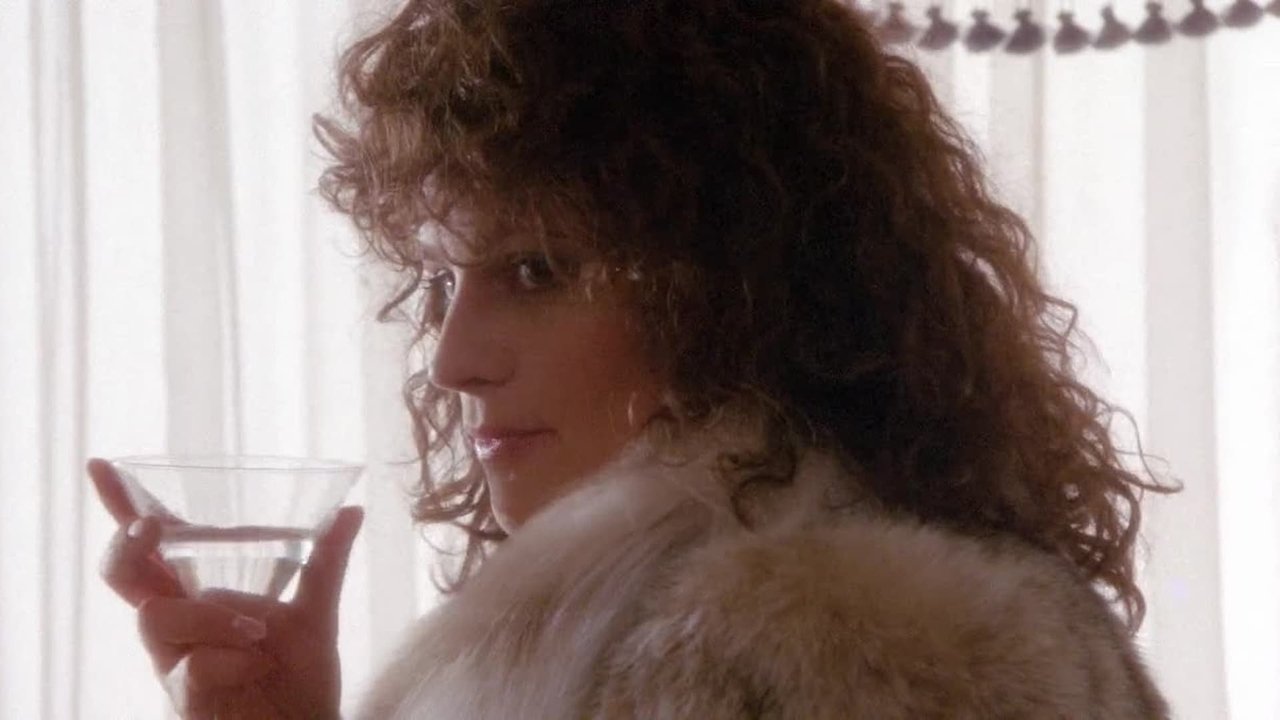
What elevates White of the Eye beyond a simple thriller is Cammell’s audacious, often hallucinatory direction. Adapting Margaret Tracy's novel "Mrs. White" with his wife China Cammell, he infuses the narrative with flashbacks, jarring edits, and a visual style that feels both hyper-real and disturbingly subjective. The stark beauty of the Arizona landscape becomes an oppressive character in itself, its wide-open spaces offering no escape from the internal demons closing in. Cammell uses slow-motion, extreme close-ups (particularly on eyes, naturally), and a disorienting score by Nick Mason (of Pink Floyd fame) and Rick Fenn (of 10cc) to plunge us directly into the unraveling psyche at the story's core.
### A Performance on the Edge
This film absolutely belongs to David Keith. Known often for more straightforward roles, here he delivers a tour-de-force performance that is nothing short of electrifying. His Paul White is charismatic one moment, terrifyingly volatile the next. It’s a complex portrayal of repressed rage and fractured masculinity, simmering beneath a veneer of technical expertise and suburban normalcy. There's a story that Keith became so immersed in the role's darkness that Cammell, himself no stranger to intense artistic processes, sometimes had to manage his actor's frayed nerves on set. Watching him, you believe it. Cathy Moriarty provides the crucial anchor, her Joan moving from disbelief to dawning horror with gut-wrenching authenticity. Their scenes together crackle with a dangerous, volatile energy.
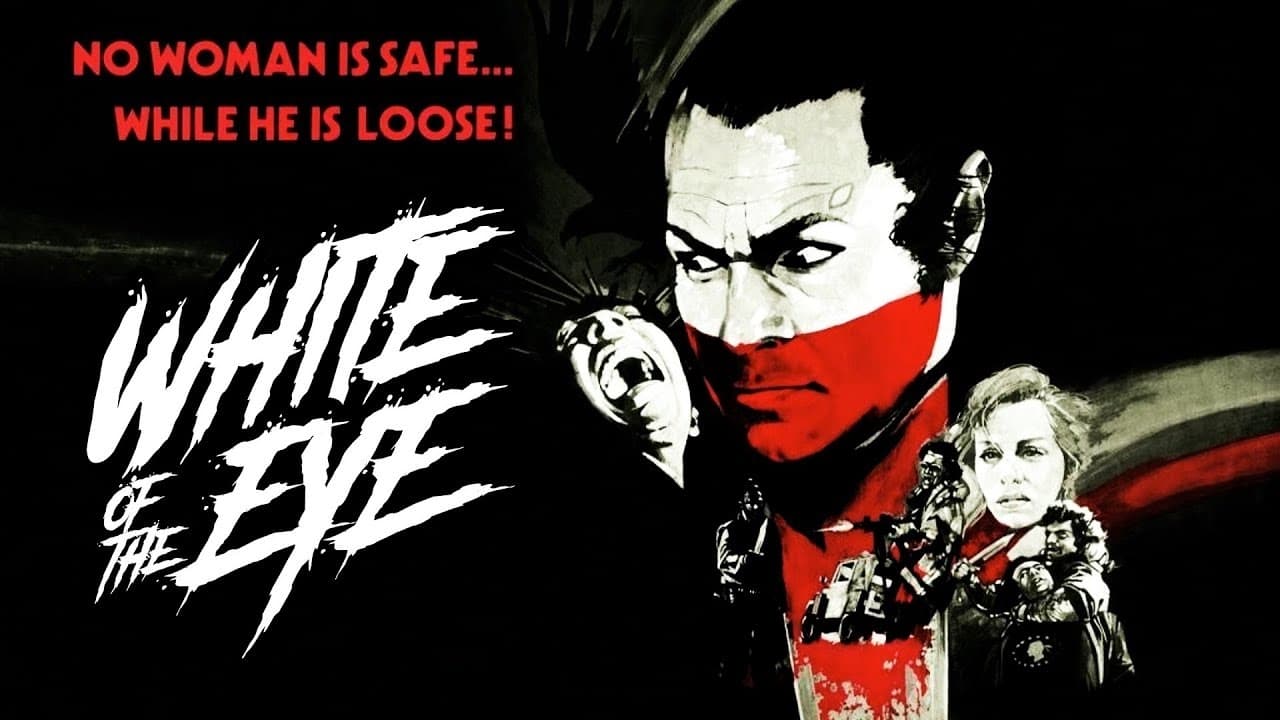
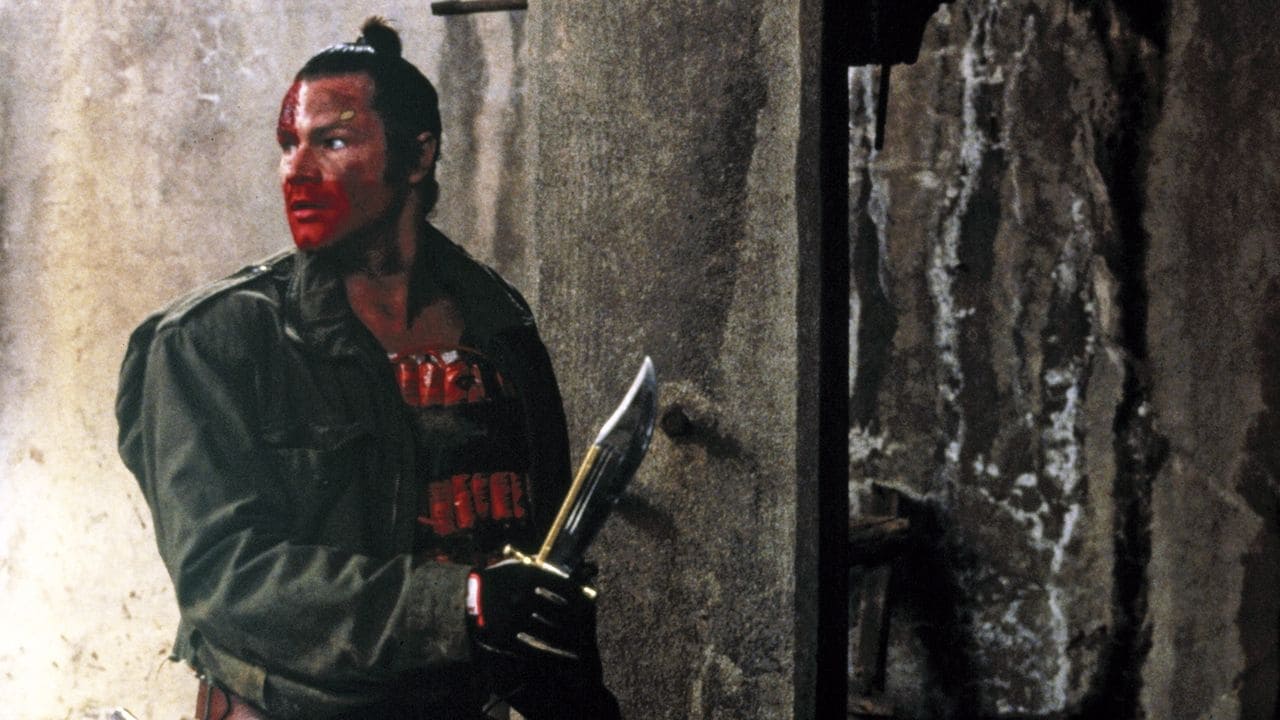
The film's unsettling power also lies in its depiction of violence. It’s not constant, but when it arrives, it’s shocking and meticulously crafted, focusing on the disturbing aftermath and the psychological implications rather than exploitative gore. The killer's methods involve a deep, twisted understanding of acoustics and home layouts, turning domestic spaces into intricate traps. The practical effects used to depict the crime scenes possess that tangible, unsettling quality so common in the pre-CG era – they feel disturbingly real precisely because they are physically there, constructed objects of nightmare within the frame. Did that final confrontation, with its blend of desperation and almost operatic staging, leave anyone else breathless back in the day?
### Cammell's Cult Curiosity
White of the Eye wasn't a box office smash ($262,282 gross on an estimated $4 million budget – roughly $10.5 million today), and its unconventional style likely baffled mainstream audiences expecting a standard cat-and-mouse thriller. Cammell himself was a notorious perfectionist, known for lengthy, often troubled productions; this film, while completed, carries the intensity and singular vision characteristic of his work. His career was tragically cut short, adding a layer of bleak resonance to the dark themes he explored. The film found its audience later, on VHS and cable, becoming a cult classic appreciated for its artistry, its challenging narrative, and Keith’s powerhouse performance. It stands as a stark reminder that the 80s produced more than just blockbuster action and slasher flicks; it also gave us strange, unsettling art-house gems like this. Filming in the actual town of Globe, Arizona adds an undeniable layer of authenticity to the oppressive atmosphere.
It’s a film that burrows under your skin. The tension isn't just about catching a killer; it's about the horrifying possibility that the monster might be sleeping right beside you, hidden behind a familiar face and a friendly smile. It explores the darkness lurking beneath the surface of the American dream, set against a landscape that feels both beautiful and menacingly indifferent.
VHS Heaven Rating: 8/10
Justification: White of the Eye earns its high score for its stunning central performance from David Keith, Donald Cammell's unique and uncompromising artistic vision, its palpable atmosphere of dread, and its status as a truly distinct and memorable 80s psychological thriller. It masterfully blends arthouse sensibilities with genre thrills. It loses a couple of points because its unconventional structure and deliberate pacing might test the patience of some viewers, and its intensity makes it a challenging, rather than purely 'fun', watch.
Final Thought: More than just a thriller, White of the Eye is a visceral plunge into a fractured mind, a haunting piece of desert noir that lingers like the afterimage of a bright flash in pitch darkness. It’s a challenging, sometimes brutal, but ultimately unforgettable slice of 80s cult cinema.