Okay, crack open a metaphorical cold one and settle in, because we're diving back into the dugout with a sequel that landed on video store shelves with the weight of expectation heavier than a Bob Uecker sports coat. I remember seeing the box for Major League II (1994) sitting there, practically vibrating with the promise of more "Wild Thing" strikeouts and Willie Mays Hayes swagger. The first film felt like lightning in a bottle – a gritty, hilarious, underdog story that became a true VHS staple. Could the follow-up possibly recapture that magic?

Well, let's just say the sophomore slump is a real thing, even for fictional baseball teams.
Back in the Tribe
The core appeal, naturally, is seeing the gang back together. Charlie Sheen returns as Ricky "Wild Thing" Vaughn, Tom Berenger as the veteran catcher Jake Taylor (now eyeing a coaching role), and Corbin Bernsen as the delightfully preening Roger Dorn, who has bought the team this time around. Director David S. Ward, who helmed the original classic (and fun fact, also directed the legendary caper The Sting back in '73!), is back behind the camera, which should theoretically be a good sign.
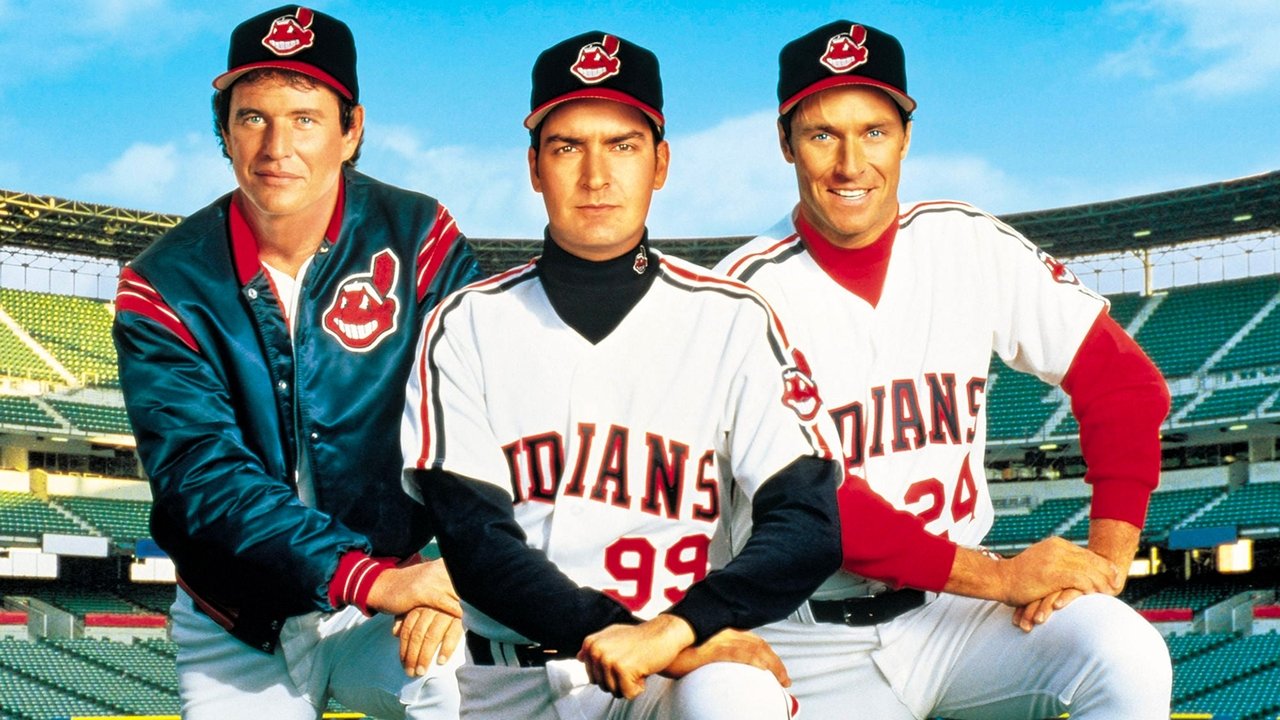
But things have changed. The scrappy underdogs are now defending champs, and fame has, shall we say, adjusted some attitudes. Vaughn has traded his iconic skull glasses and punk haircut for a corporate sponsorship and a less-than-wild fastball, trying to please his agent (played with slick perfection by Alison Doody, Indy's treacherous flame from Indiana Jones and the Last Crusade). Dorn is dealing with the headaches of ownership, and Jake is grappling with retirement. It's an attempt at character progression, but sometimes it feels less like natural evolution and more like the script (penned by a new team: R.J. Stewart, Tom S. Parker, & Jim Jennewein) needed conflict, stat.
New Faces, Familiar Plays
One of the biggest shifts is the absence of Wesley Snipes as Willie Mays Hayes. By '94, Snipes was a bona fide action superstar thanks to hits like Passenger 57 (1992) and Demolition Man (1993), and his price tag likely soared beyond the production's reach. Omar Epps steps into the cleats, bringing a different energy – less effortless cool, more overt swagger – which works okay, but it’s hard not to miss Snipes’ unique charisma. We also get newcomers like the power-hitting catcher Rube Baker (Eric Bruskotter), whose backwoods innocence provides some laughs, and the film's primary antagonist, Jack Parkman (David Keith), a preening superstar heel imported to shake things up. Keith leans into the villain role with gusto, becoming the kind of guy you love to hate.
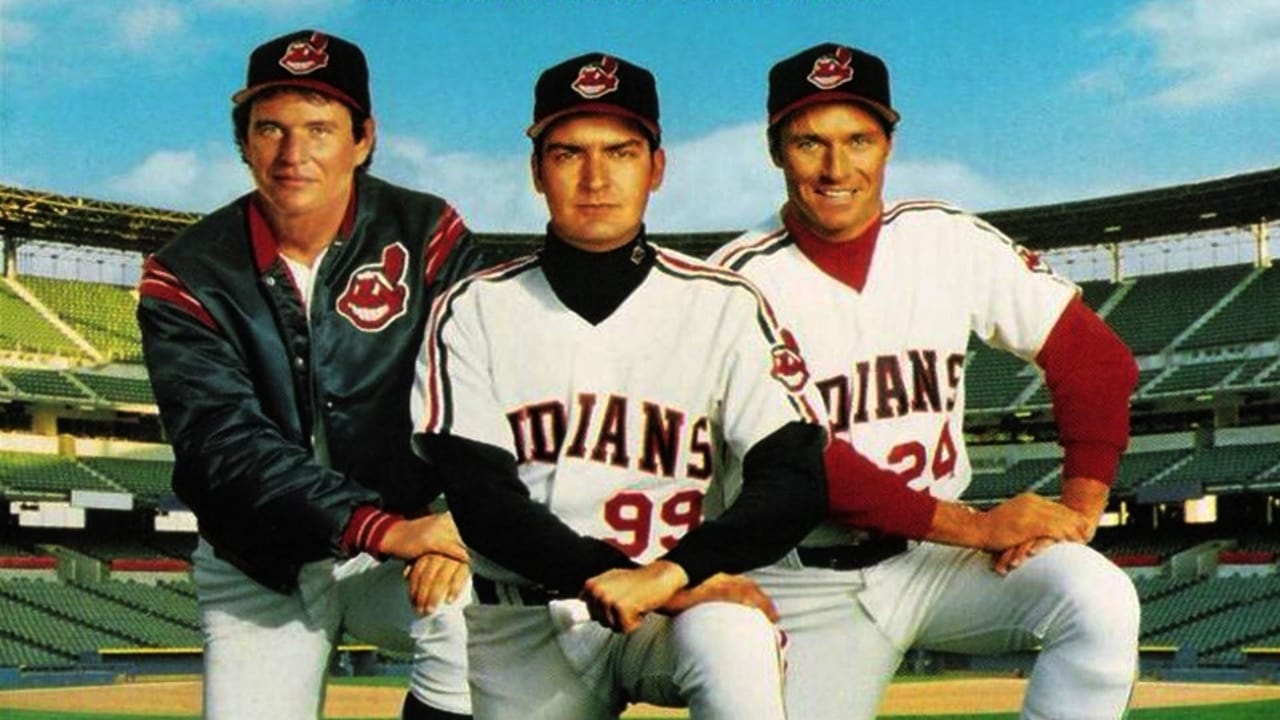
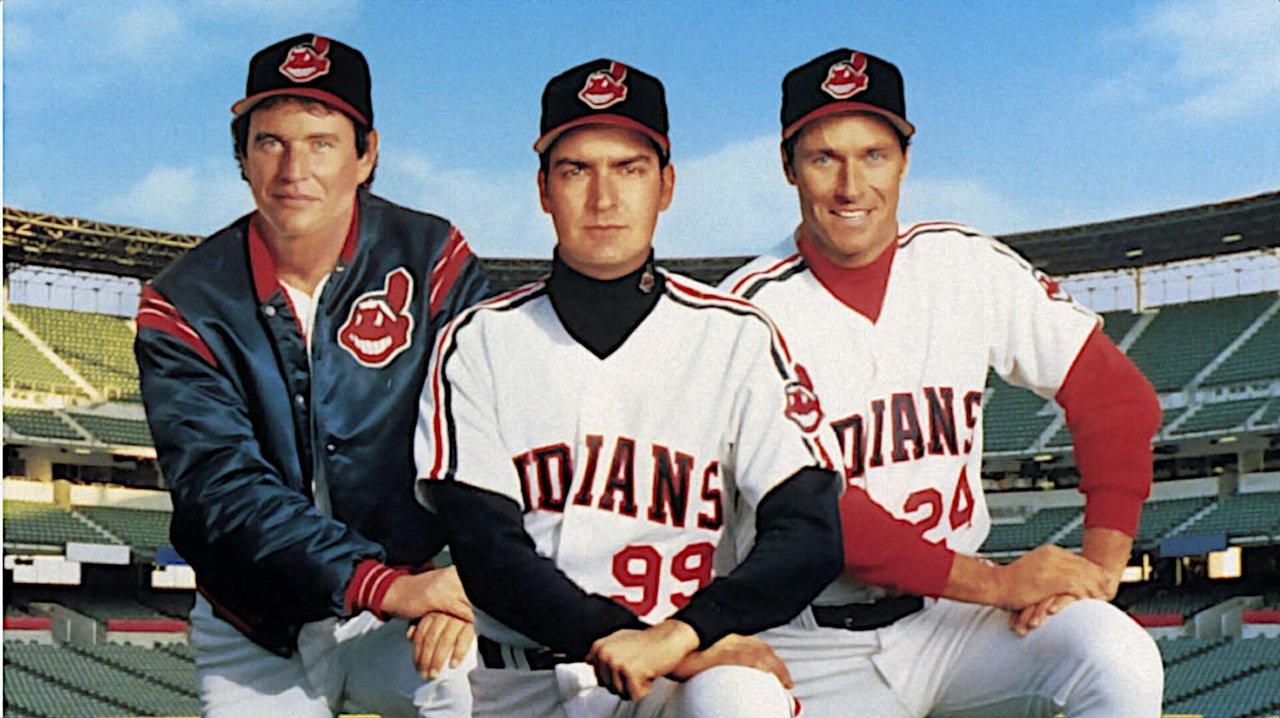
The film essentially tries to run the bases of the original plot again: the team starts terribly, faces internal conflict, finds motivation (often involving Parkman being a jerk), and rallies for a pennant race. There are still genuinely funny moments – Pedro Cerrano's (Dennis Haysbert) ongoing spiritual journey with Jobu (who gets his own locker!), Tanaka's (Takaaki Ishibashi) culture-clash commentary, and Uecker's Harry Doyle still dropping classic lines from the broadcast booth ("And Cerrano leaps BARE-HANDED into the stands!"). Remember that scene where Vaughn finally snaps back to his old self? Pure 90s sports movie catharsis!
The Glossier Sequel Syndrome
Here’s the thing, though: Major League II feels distinctly… cleaner than its predecessor. The grit, the foul-mouthed locker room banter, the feeling that these guys were genuinely playing for peanuts – much of that is smoothed over. This feels more like a family-friendly sitcom version of the Indians. The original Major League had an R-rating feel even in its PG theatrical cut (let's be honest, we all probably taped the racier TV version!), while Major League II feels squarely aimed at a broader, less edgy audience. This might be partly due to its larger budget – around $25 million compared to the original's lean $11 million – often bigger budgets mean more studio notes aimed at wider appeal. Sadly, it didn't translate at the box office, grossing only about $30 million domestically, a far cry from the original's sleeper success.
Interestingly, much of the baseball action wasn't even filmed in Cleveland. Jacobs Field (now Progressive Field) was still under construction, so the production used Oriole Park at Camden Yards in Baltimore as the primary stand-in for the Indians' home turf – a little movie magic for you.
Final Innings
Look, comparing Major League II to the original is like comparing a perfectly serviceable curveball to Vaughn's untamed, 100mph heater. It lacks the raw energy and surprise of the first film. The jokes don't always land as hard, and the plot beats feel overly familiar. It's the classic sequel trap: trying to give fans more of what they loved, but somehow diluting the formula in the process.
However, slipping this tape into the VCR back in the day (or streaming it now) isn't without its charms. Seeing these characters again, even in a less compelling story, feels like visiting old friends. There are enough laughs and memorable lines ("Strike this motherf***er out!") to make it a pleasant, if unremarkable, watch. It’s comfort food cinema, 90s style. And hey, it’s miles better than the forgettable direct-to-video threequel, Major League: Back to the Minors (1998).

Rating: 5/10
Justification: While it brings back a beloved cast and director David S. Ward, Major League II suffers from sequel-itis: a less sharp script, toned-down edge, and a feeling of repeating motions. Omar Epps is fine but can't replace Wesley Snipes, and the reliance on familiar gags over genuine character development holds it back. Still, nostalgia for the characters and some decent chuckles (Uecker remains MVP) keep it from being a total strikeout.
Final Thought: It's not the championship season the original was, more like a decent playoff run that ultimately falls short – comfortable and familiar, but missing that ninth-inning magic we all rewind our tapes for.