Here we go, let’s dim the lights and settle in for another trip back to the glorious days of tracking adjustments and rewind buttons.
***
What is it about love that makes us run for the hills, even as we desperately crave connection? It's a question that echoes through countless films, but rarely with the specific, aching, and surprisingly funny Neapolitan heartbeat found in Massimo Troisi's 1991 offering, I Thought It Was Love (originally, and perhaps more poetically, Pensavo fosse amore... invece era un calesse). Finding this gem on a video store shelf, likely tucked away in the 'Foreign Language' section, felt like uncovering a quiet truth – a film less interested in grand romantic gestures and more fascinated by the messy, hesitant reality of two people trying, and often failing, to navigate commitment.
### The Weight of a Carriage
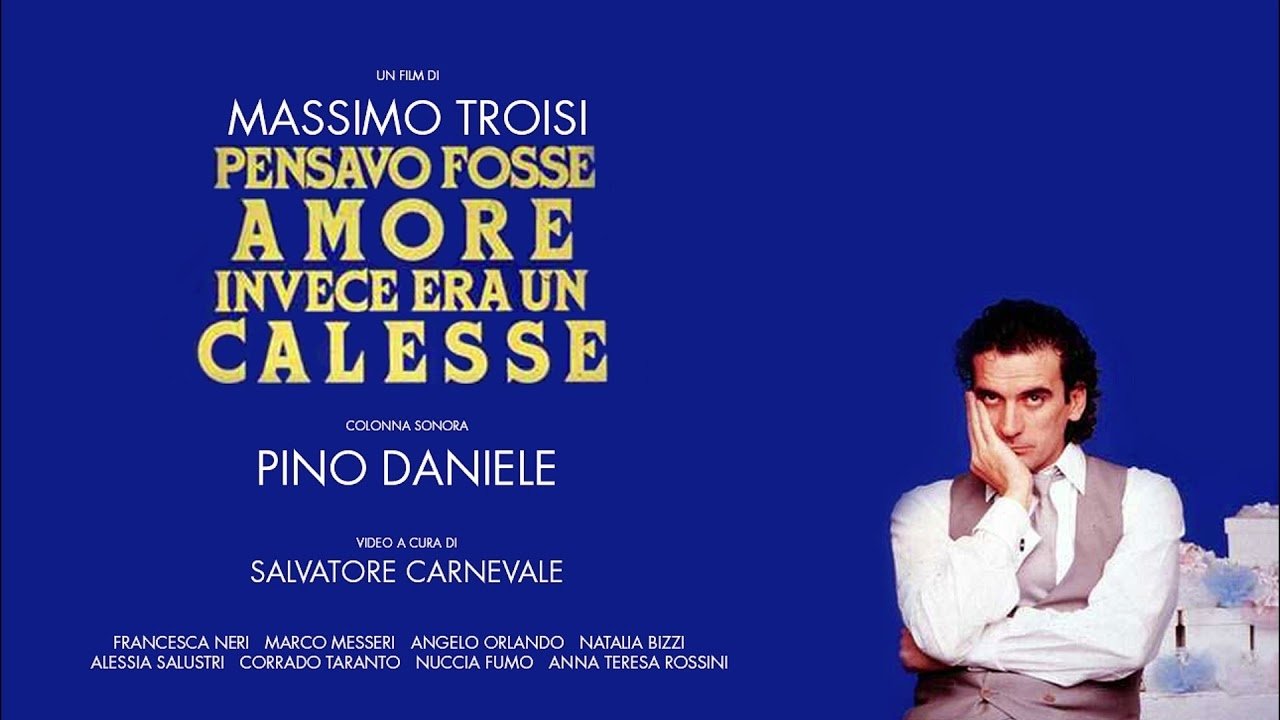
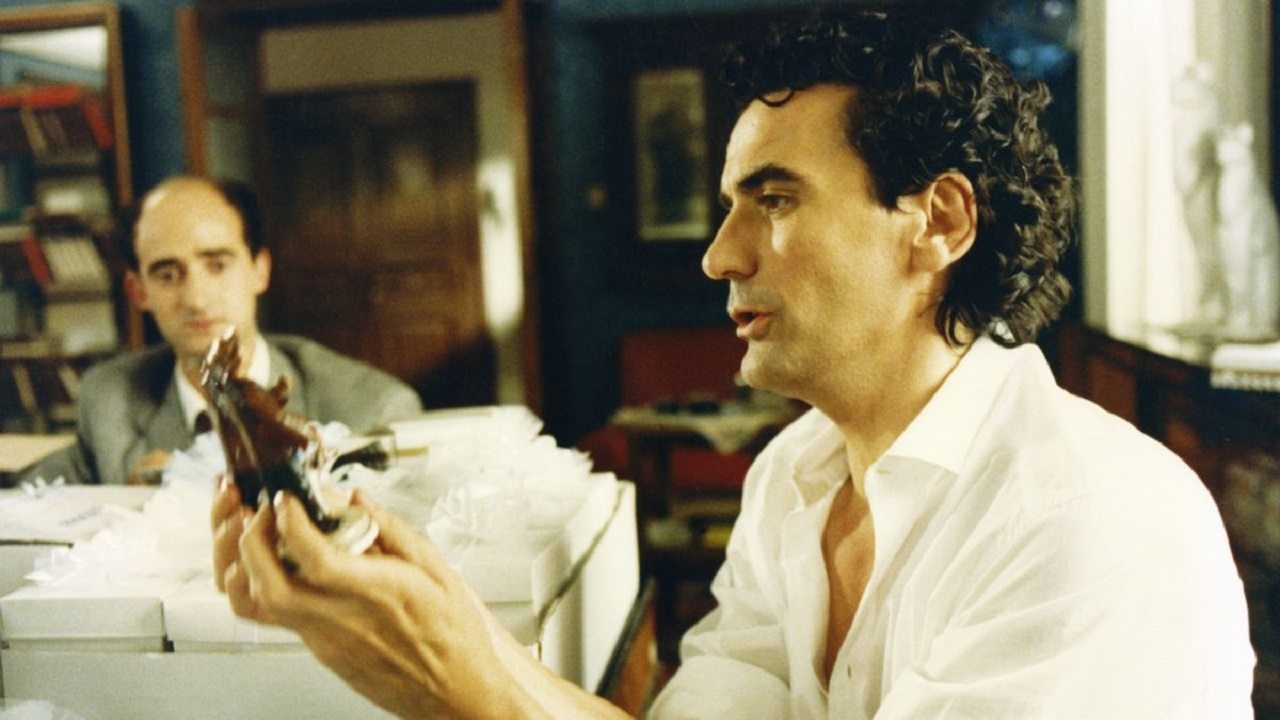
The original Italian title translates roughly to "I Thought It Was Love... Instead It Was a Gig" (a calesse being a light, horse-drawn carriage). This wonderfully specific, slightly absurd metaphor hangs over the film, representing the traditional, perhaps outdated, institution of marriage that haunts Tommaso (Massimo Troisi), a Naples bookstore owner. He's deeply in love with Cecilia (Francesca Neri), a jewelry designer, and she with him. Yet, as their wedding date looms, Tommaso is paralyzed by doubt, a profound fear not of losing love, but perhaps of pinning it down, formalizing it into something heavy and cumbersome like that symbolic carriage. This isn't your typical rom-com setup; it's the starting point for a thoughtful, often bittersweet exploration of relationship anxiety.
### The Troisi Touch: Laughter Through Melancholy
To understand this film is to understand Massimo Troisi. A cultural icon in Italy, tragically lost too soon just after completing his masterpiece Il Postino (1994), Troisi possessed a unique cinematic language. His direction here is unfussy, observant, letting scenes breathe and characters simply be. But it's his performance as Tommaso that anchors everything. His famously hesitant, mumbling delivery, punctuated by shrugs and eloquent silences, conveys a universe of internal conflict. He’s not just playing a character; he seems to be channeling a universal male bewilderment about love's demands. It’s a performance built on nuance, far removed from broad comedic strokes, finding humor in the painful awkwardness of human interaction.
Interestingly, the screenplay was co-written by Troisi and Anna Pavignano, his former real-life partner. Knowing this adds a layer of poignant authenticity to the arguments, the misunderstandings, the hesitant reconciliations. You feel the weight of shared history, the specific shorthand and sore spots that only long-term intimacy can create. Did this personal connection fuel the film's startling honesty? One can only speculate, but the dialogue certainly feels drawn from life, not just a writer's workshop.
### A Dance of Doubt and Desire
As Tommaso and Cecilia break up, try to move on with others (often disastrously or comically), and inevitably circle back to each other, the film refuses easy answers. Francesca Neri, who won a Silver Ribbon award for her performance, is crucial here. She isn't just a passive object of Tommaso's affection or anxiety. Cecilia has her own desires, frustrations, and breaking points. Neri portrays her with a captivating mix of strength and vulnerability, making Cecilia’s struggle just as compelling as Tommaso’s. Their chemistry is undeniable, but it’s a chemistry laced with the friction of genuine incompatibility on certain fundamental levels. Can love conquer all? The film dares to suggest, maybe not, or at least, not without a profound, potentially painful, shift in perspective.
Filmed on location, the city of Naples isn't just a backdrop; it's woven into the film's fabric. The bustling streets, the quiet cafes, the specific cadence of Neapolitan life – it all contributes to the film's lived-in atmosphere. Supporting characters, like Tommaso's perpetually bewildered friend Amedeo (Marco Messeri, a frequent Troisi collaborator), offer moments of levity but also underscore the societal expectations Tommaso is wrestling with.
### Retro Fun Facts: Behind the Hesitation
Digging into this film reveals details that deepen appreciation. Troisi was reportedly already suffering from the serious heart condition (rheumatic fever complications) that would eventually require a transplant and tragically lead to his death shortly after Il Postino. Knowing this adds an almost unbearable poignancy to his portrayal of Tommaso's vulnerability and weariness. The film was a significant success in Italy, winning two David di Donatello awards (the Italian Oscars) – Best Supporting Actor for Angelo Orlando and Best Supporting Actress for Neri. It wasn't a film designed for massive international export, making its presence on VHS shelves in other countries a testament to the curiosity of distributors and renters seeking something beyond Hollywood fare. I distinctly remember the slightly worn cover on the rental shelf, promising something different, something perhaps more... real.
### Lingering Questions, Lasting Impressions
I Thought It Was Love doesn't offer a neat resolution tied up with a bow. It doesn't definitively state whether Tommaso overcomes his fear or if he and Cecilia find lasting happiness. Instead, it leaves you contemplating the nature of love, commitment, and compromise. What does it truly mean to build a life with someone? Is the fear of losing freedom, or perhaps the fear of failure, sometimes stronger than love itself? The film uses its specific Neapolitan context to explore these universal anxieties with humor, warmth, and a deep well of empathy. It avoids easy sentimentality, opting for something more complex and ultimately more resonant. Watching it again now, years after first discovering it on tape, its quiet wisdom feels even more profound.
Rating: 8/10
This score reflects the film's masterful blend of humor and melancholy, Troisi's uniquely captivating presence both in front of and behind the camera, and the raw, relatable honesty of its portrayal of relationship struggles. While its deliberately measured pace might test some viewers, its emotional depth and Francesca Neri's stellar performance make it a standout. It's a film that rewards patience and introspection.
Final Thought: More than just a romantic comedy or drama, I Thought It Was Love feels like a conversation with a wise, slightly sad, but ultimately hopeful friend about the beautiful, terrifying messiness of trying to love another human being. It's a quiet gem that stays with you long after the credits roll.