Alright, fellow tapeheads, let’s rewind to 1994. Remember digging through the Hong Kong action section at the video store, past the familiar kung fu covers, and landing on something electric? Maybe the unmistakable, impossibly cool face of Chow Yun-fat stared back at you from a slightly worn clamshell case. If you were lucky, you grabbed God of Gamblers' Return (also known as Du Shen 2), popped it in the VCR, adjusted the tracking, and settled in for a uniquely wild ride that only 90s Hong Kong cinema could deliver. This wasn't just another sequel; it was the grand comeback of Ko Chun, the Chocolate-Feasting Cardsharp himself, and it hit screens with the force of a royal flush.
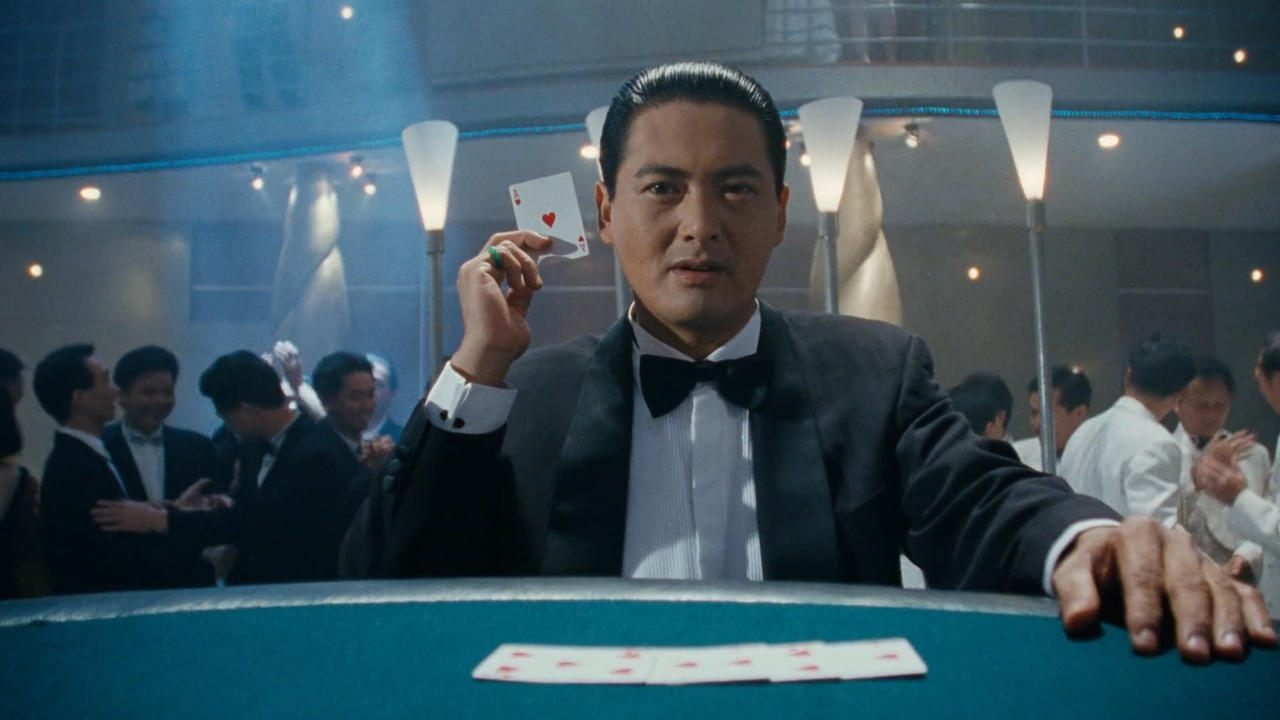
### The Legend is Back (And He Wants Peace... Kinda)
After the absolute phenomenon that was 1989's God of Gamblers, which pretty much defined a subgenre overnight, Chow Yun-fat stepped away from the lead role for a few spin-offs and sequels starring others. His return here, directed by the ever-prolific Wong Jing (who also helmed the original), felt like a major event. And Wong Jing, never one for subtlety, gives us Ko Chun living a quiet life in France, married and expecting a child, seemingly retired from the high-stakes world. Of course, this idyllic peace lasts about as long as a cheap counterfeit watch. Tragedy strikes, engineered by Chau Siu-Chee (Wu Hsing-kuo), a ruthless rival gambler seeking ultimate bragging rights, forcing Ko Chun back into the neon-lit, bullet-riddled world he tried to leave behind.
What follows is pure Wong Jing chaos, a signature blend of slick gambling sequences, surprisingly brutal (yet stylized) violence, slapstick comedy, and globe-trotting adventure. If you went into this expecting gritty realism, you rented the wrong tape! This is cinematic whiplash in the best possible way, bouncing between genuinely touching moments and utter absurdity, often within the same scene. It's a style that could feel jarring now, but back on a fuzzy CRT, it just felt energetic.
### Chow Yun-fat: The Definition of Cool
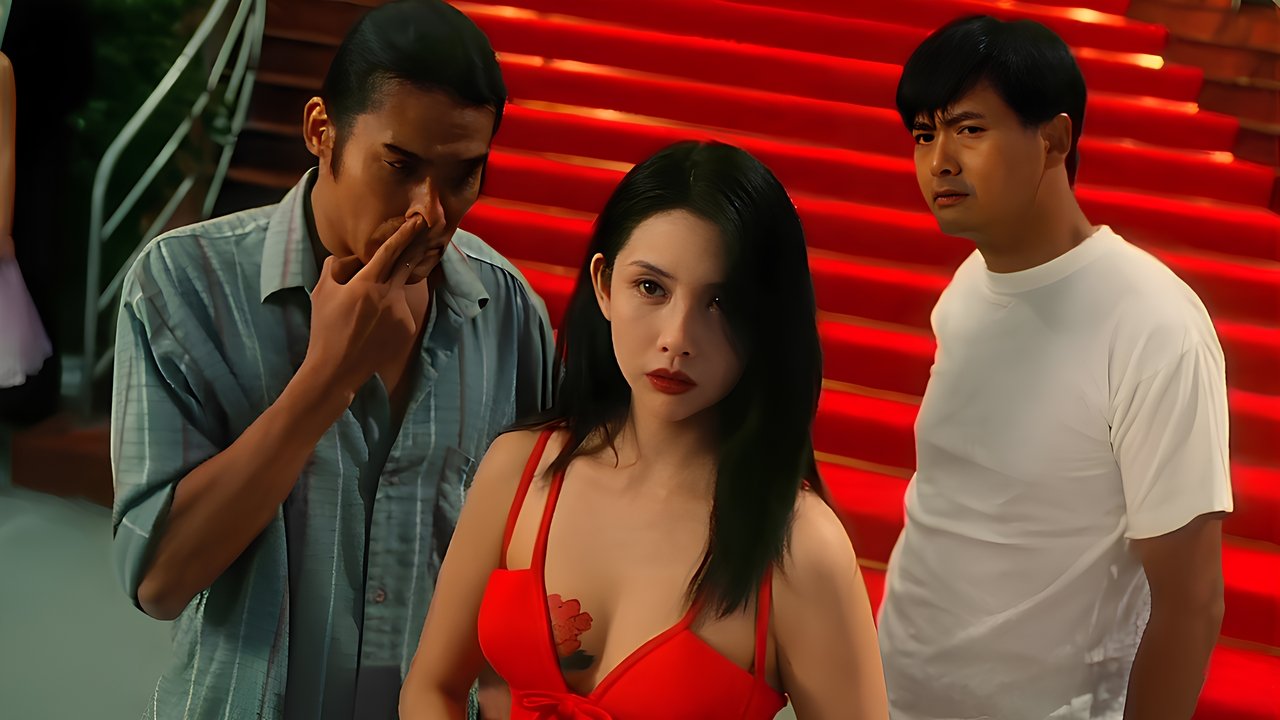
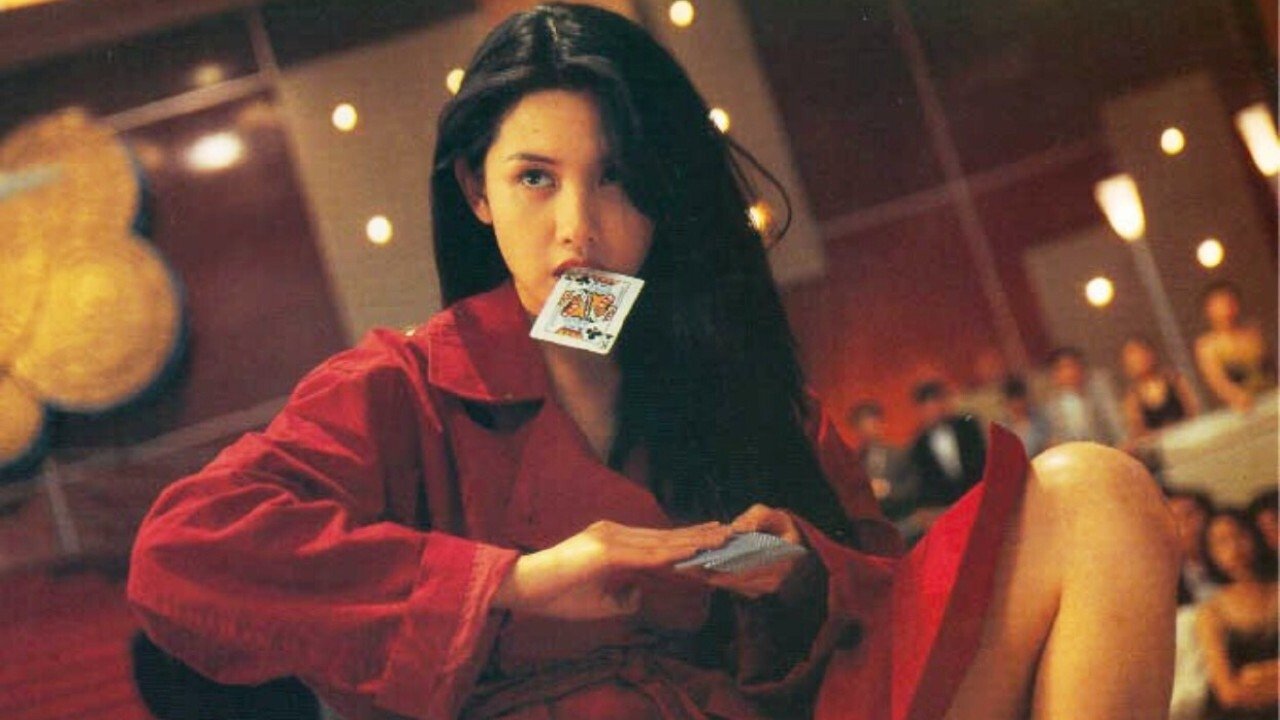
Let's be honest, the main draw here is Chow Yun-fat. By 1994, he was already a megastar, cemented by his heroic bloodshed roles for John Woo like A Better Tomorrow (1986) and The Killer (1989). As Ko Chun, he embodies effortless cool. The slow-motion entrances, the confident smirk, the almost supernatural gambling skills – it’s pure movie magic. He handles the dramatic beats with surprising weight, especially concerning his wife (played by Sharla Cheung, a staple of the genre), but he's equally adept at the comedic moments, often playing the straight man to the film’s more overt goofballs.
Speaking of goofballs, Tony Leung Ka-fai (already a respected dramatic actor, but showing his comedic chops here) joins the fray as "Little Trumpet," a wannabe hustler who becomes Ko Chun's unlikely sidekick. Leung throws himself into the physical comedy and provides much of the film's lighter moments, acting as a necessary counterpoint to Chow's stoicism. Their chemistry works, creating that classic mismatched buddy dynamic amidst the flying bullets and poker chips.
### Action, 90s Hong Kong Style
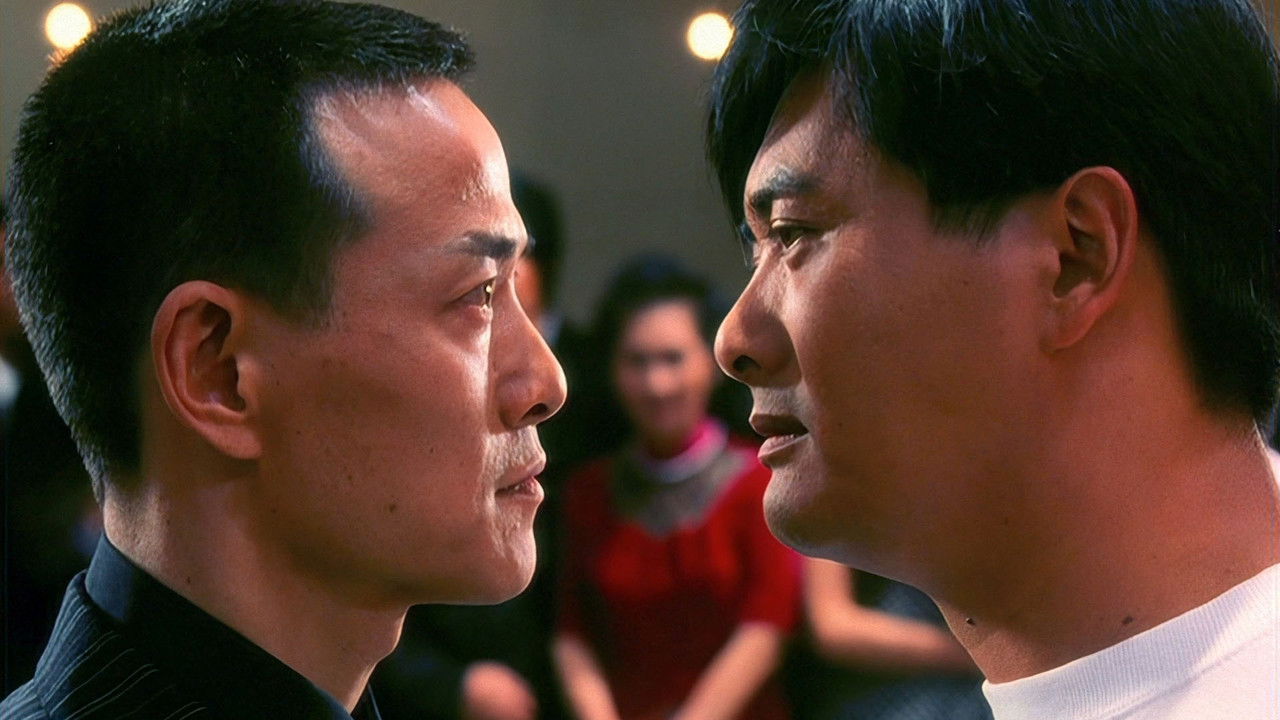
The action in God of Gamblers' Return isn't about meticulous realism or complex, grounded stunts in the way a Hollywood blockbuster of the time might have approached it. It's about style and impact. Remember those gunfights? Chow Yun-fat, often dual-wielding pistols, sliding across floors, dodging bullets with balletic grace while dispatching waves of henchmen. It’s operatic, over-the-top, and undeniably thrilling. This wasn't about realistic bullet hits; it was about the coolness of the hero prevailing against impossible odds. There's a raw energy to it, often achieved through clever editing, dynamic camera angles, and Chow's sheer charisma, that feels distinct from today's CGI-heavy set pieces.
Retro Fun Fact: The film was a massive success in Hong Kong, earning over HK$52.5 million. That might not sound like a modern blockbuster number, but in 1994 HK dollars, it was colossal, cementing the enduring appeal of Chow Yun-fat and the gambling genre Wong Jing had popularized. You can see why they kept making these! The blend of action, comedy, and gambling clearly struck a chord.
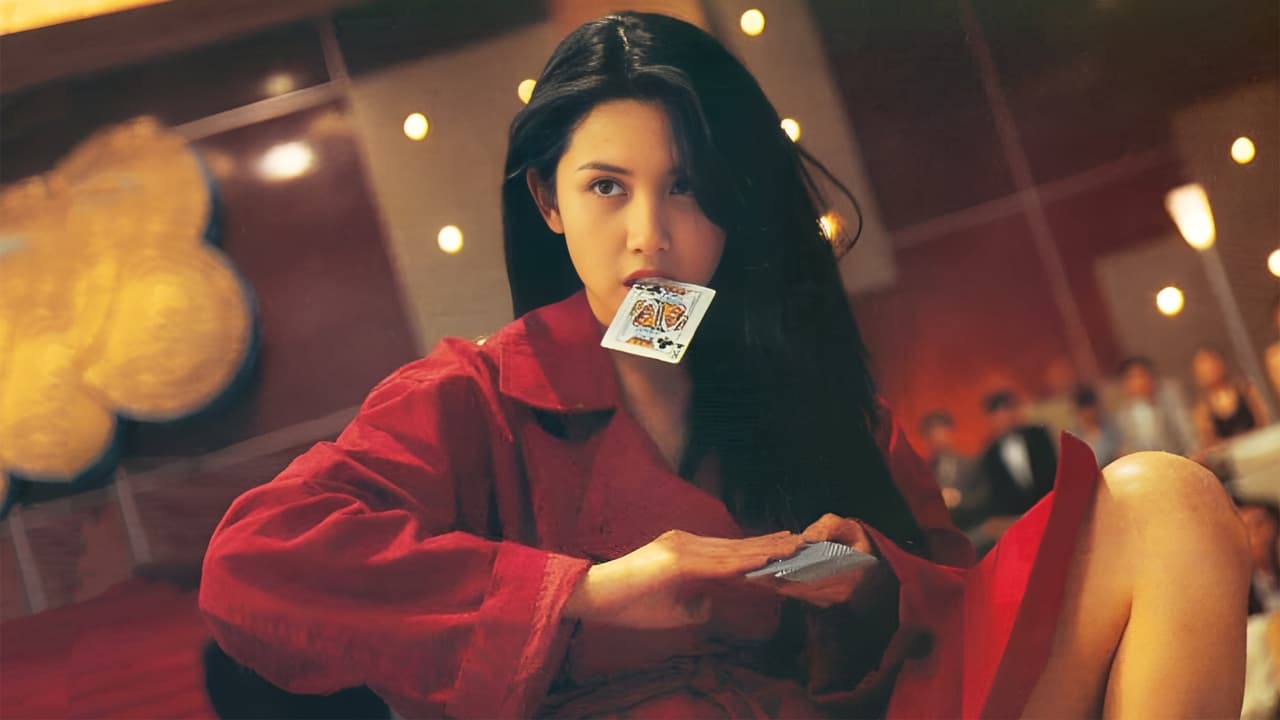
The film hops from France to Taiwan to Mainland China, giving it a sense of scale. Wong Jing, despite sometimes being criticized for recycling plots or leaning heavily on genre tropes, knew exactly how to deliver what audiences wanted. He keeps the pace relentless, throwing everything at the screen – elaborate casino showdowns involving intricate cheating techniques (visualized with slick freeze-frames and slow-mo), sudden bursts of violent action, and broad comedy. It’s kitchen-sink filmmaking, but undeniably entertaining. You also get the welcome return of Charles Heung as Lung Ng, Ko Chun's ever-reliable bodyguard, adding another layer of continuity and cool dependability.
### More Than Just a Sequel?
While it leans heavily on the formula established by the first film, God of Gamblers' Return feels like a confident, super-sized version. It knows its audience and delivers exactly the kind of high-energy entertainment they craved. It might not have the tight narrative focus or emotional depth of Chow's collaborations with John Woo, but it perfectly captures the specific, sometimes bizarre, always entertaining flavour of mainstream Hong Kong cinema in the mid-90s. Finding this on VHS felt like unearthing a treasure trove of stylish action and unexpected laughs.
---
VHS Heaven Rating: 8/10
Justification: While the plot is undeniably formulaic Wong Jing fare and the tonal shifts can be jarring, God of Gamblers' Return is elevated by the magnetic presence of Chow Yun-fat reclaiming his iconic role, great comedic support from Tony Leung Ka-fai, and bucketloads of stylish, uniquely Hong Kong action-comedy energy. It was a massive hit for a reason and delivered exactly what fans wanted – the return of the king, cooler than ever. It perfectly encapsulates the kind of vibrant, slightly crazy filmmaking that made hunting through the video store shelves so rewarding.
Final Thought: Forget realism; this is pure 90s Hong Kong cinematic swagger distilled onto tape – loud, proud, and still ridiculously fun to watch when you're in the mood for some high-stakes cool.