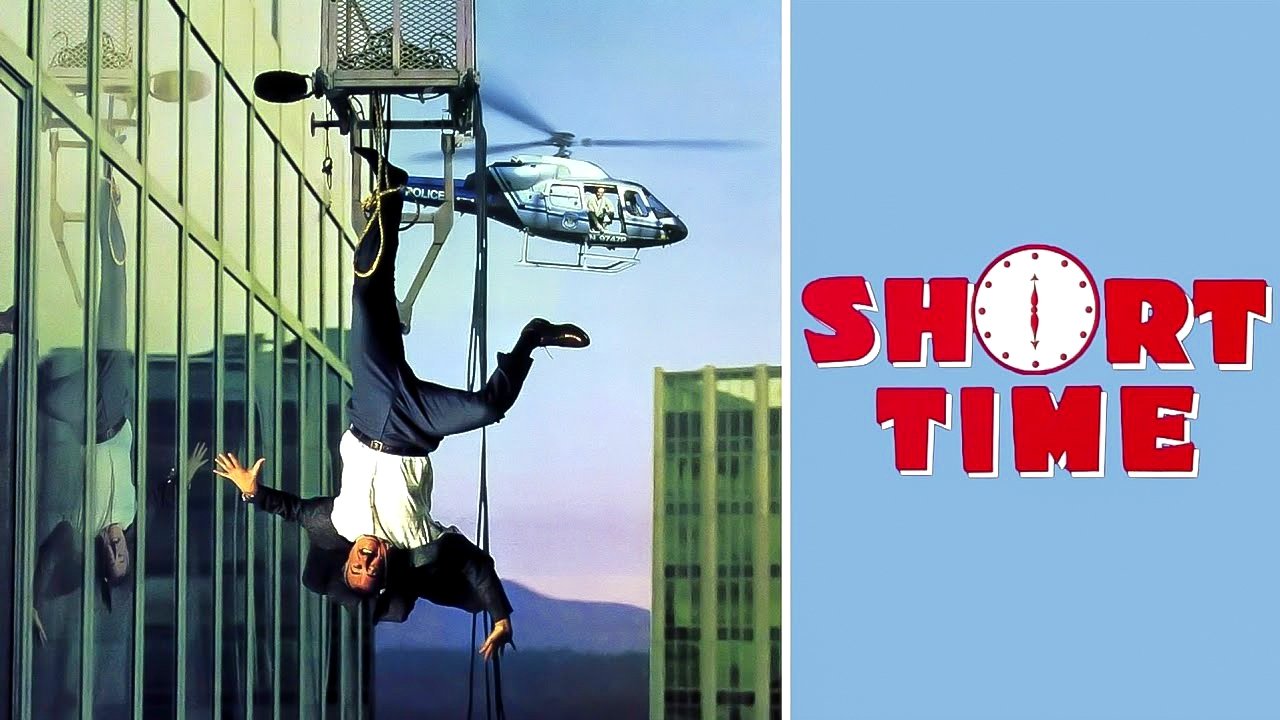
Okay, rewind your minds back to the glorious days of browsing the aisles at Blockbuster or your local mom-and-pop video store. Remember grabbing that tape with the intriguing cover, maybe featuring a stressed-looking guy in a cop uniform amidst some chaos? That feeling of potential discovery? That's the vibe hitting me right now thinking about Short Time, a 1990 action-comedy gem that perfectly embodies that high-concept energy studios were chasing back then. This wasn't your standard buddy-cop flick; it had a premise so darkly absurd, yet played with such gusto, you couldn't help but get swept up in the ride.
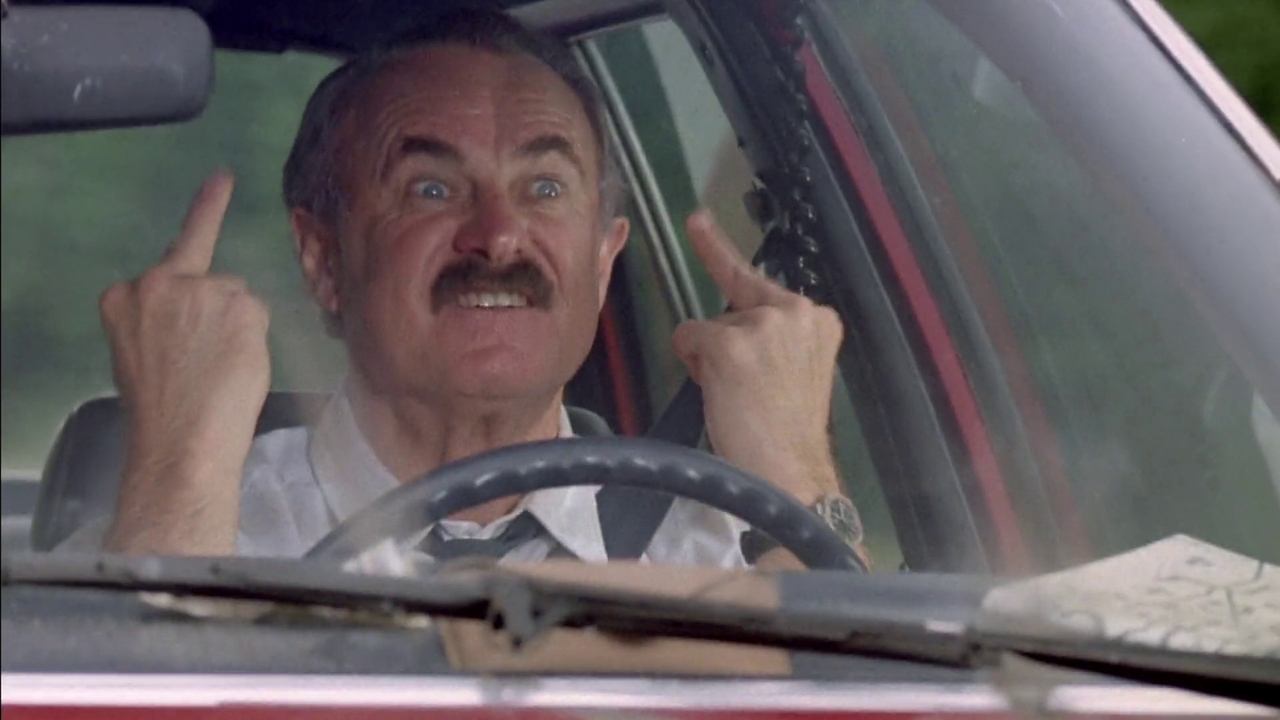
The hook is pure gold: Burt Simpson (no, not that Bart Simpson), a cautious, nearing-retirement Seattle cop played brilliantly by the perpetually exasperated Dabney Coleman, gets mistakenly diagnosed with a terminal illness. With only weeks to live (he thinks), his priority shifts from saving his pension to securing a fat "death in the line of duty" insurance payout for his wife (the ever-delightful Teri Garr) and son. His brilliant plan? Get himself killed spectacularly while trying to stop a crime. The result is a cop who suddenly transforms from desk-jockey-in-waiting to a seemingly fearless, almost suicidal super-cop, throwing himself headfirst into danger much to the utter bewilderment of his partner, Ernie Dills (the wonderfully quirky Matt Frewer).
### From Desk Duty to Demolition Derby
Let's talk about Dabney Coleman. Usually the smug boss (9 to 5) or the buttoned-down authority figure (WarGames), seeing him unleashed here is a genuine treat. He throws himself into the role with a frantic, wide-eyed desperation that fuels both the comedy and the surprisingly thrilling action. It's a physically demanding performance, and Coleman sells Burt's newfound (and completely misinterpreted) bravery perfectly. Interestingly, this iconic Coleman role almost didn't happen; Gene Hackman was initially attached but dropped out, and reports suggest John Candy was also considered. Can you imagine how different that movie would have felt? Coleman’s specific brand of controlled panic turning into reckless abandon is key to Short Time's unique charm.
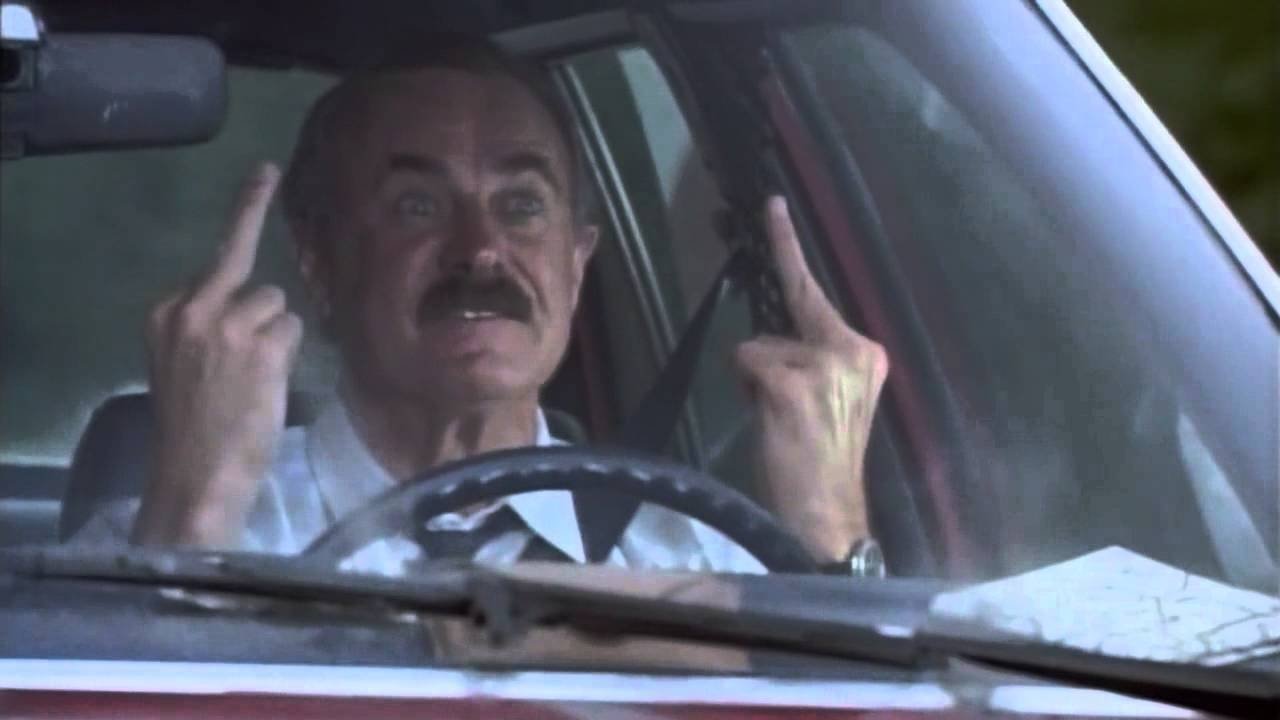
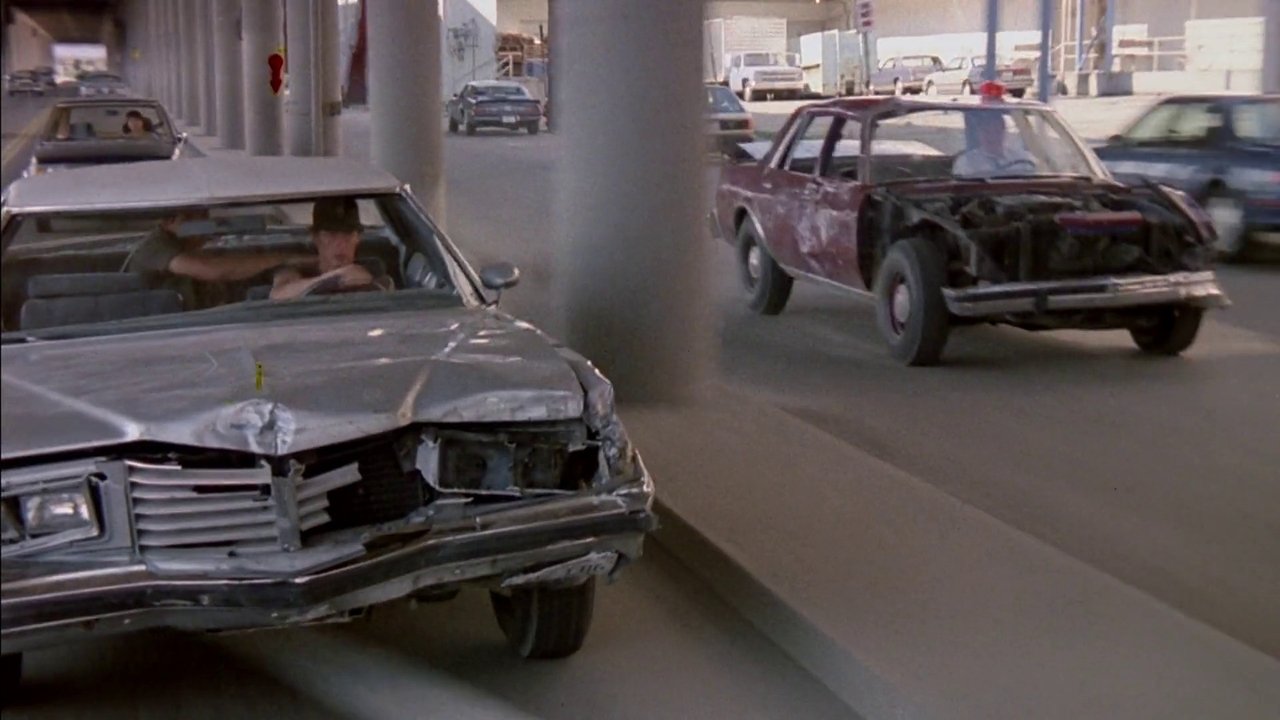
And the action? Oh, it’s pure, unadulterated late-80s/early-90s practical stunt work, the kind that makes you wince and cheer simultaneously. Forget glossy CGI; director Gregg Champion (who also gave us The Cowboy Way) lets the stunt team loose in the streets of Vancouver, BC (standing in for Seattle). There's a grittiness to the car chases, a sense of real metal crunching and tires squealing that feels visceral. Remember how chaotic yet real those multi-car pile-ups looked on a slightly fuzzy CRT screen? That’s the magic here. They weren't afraid to wreck actual cars and have stunt performers take genuine risks.
### That Bus Chase Though...
The film really kicks into high gear with its centerpiece sequence: an absolutely bonkers chase involving Burt commandeering a bus packed with passengers to pursue fleeing criminals. It's extended, destructive, and hilariously over-the-top, featuring near misses, property damage galore, and Burt’s increasingly frantic attempts to put himself in harm's way while inadvertently becoming a local hero. This sequence alone is worth the rental fee (or, you know, tracking it down today). The sheer logistics of filming something like that practically, with real vehicles and coordinated near-misses, feels almost like a lost art form compared to today's digital landscapes. You can practically smell the diesel fumes and burnt rubber.
Of course, the supporting cast helps ground the absurdity. Matt Frewer, forever beloved as Max Headroom but also great in films like Honey, I Shrunk the Kids, is pitch-perfect as the partner struggling to comprehend Burt's sudden death wish. His reactions are often the audience's surrogate, a mix of terror and baffled admiration. And Teri Garr, a comedic legend from classics like Young Frankenstein and Tootsie, brings warmth and relatability as Burt’s wife, unaware of the morbid motivation behind his sudden career U-turn.
### A High-Concept Gamble
Short Time wasn't a massive blockbuster upon release; it reportedly cost around $10.5 million and pulled in less than half of that domestically. But like so many films of its era, it found a dedicated audience on home video and cable, becoming a fondly remembered cult favourite. Its blend of dark comedy – mining laughs from a terminal diagnosis and suicidal ideation – with explosive action is a tricky balancing act, one that feels distinctly of its time. It wouldn’t likely get made the same way today, which is part of its unique appeal. The premise is dark, but Coleman's performance and the sheer gusto of the action keep it firmly in the realm of entertainment, never tipping over into genuinely depressing territory.
It captures that specific early 90s flavour: a high-concept premise, a character actor stepping into a surprisingly physical lead role, and action scenes built on practical mayhem rather than pixels. It's a film that understands the simple joy of watching things get spectacularly, physically wrecked on screen.
VHS Heaven Rating: 7.5 / 10
Justification: Short Time earns a solid 7.5 for its brilliantly executed high-concept premise, a career-highlight comedic/action performance from Dabney Coleman, and genuinely thrilling practical stunt work that exemplifies the best of late 80s/early 90s action filmmaking. It's funny, exciting, and possesses a unique energy. Points are slightly deducted for a tone that occasionally wobbles and some plot mechanics feeling a bit convenient, but its rewatchability and pure entertainment value are undeniable for fans of the era.
Final Thought: Short Time is the kind of wonderfully specific action-comedy hybrid that thrived on video store shelves – maybe not high art, but high-octane fun driven by a perfectly cast lead and a glorious disregard for property damage. A true testament to when "going for broke" on screen meant literally breaking things.