Alright, fellow tapeheads, let’s rewind to a time when the buddy cop formula was getting twisted into some truly strange shapes. Pop the tape in, adjust the tracking, and settle in for 1990’s Loose Cannons, a film that landed on video store shelves with a premise so wild, you just had to know what was going on. It promised the legendary Gene Hackman teaming up with the comedic force of Dan Aykroyd. What could possibly go wrong? Well… quite a bit, actually, but in a way that only the glorious, anything-goes era of late 80s/early 90s cinema could deliver.
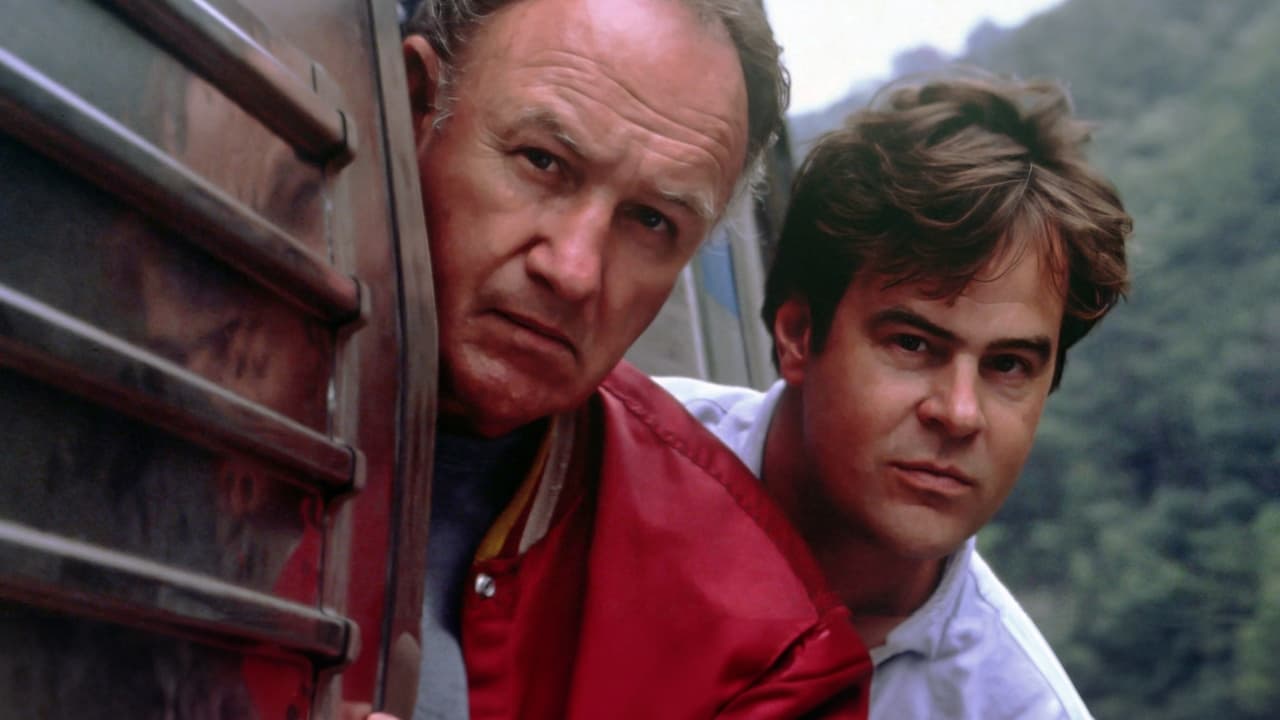
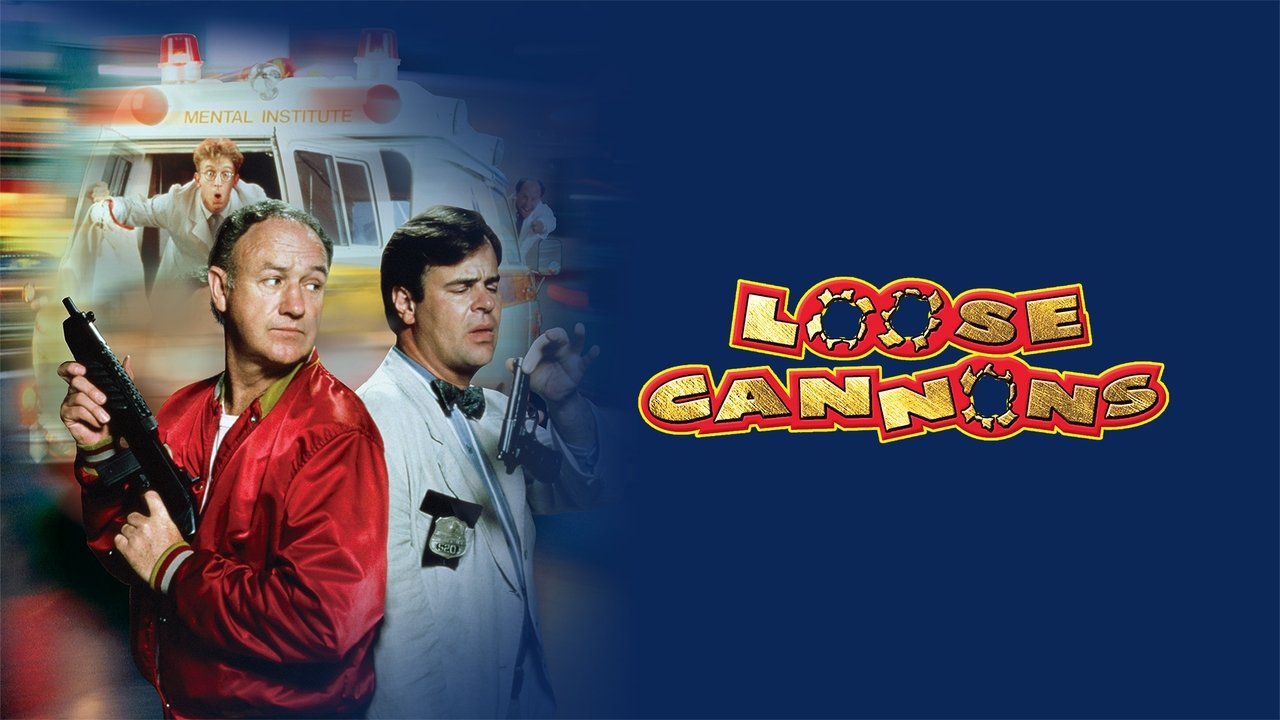
This wasn't just another mismatched partners flick; oh no. Hackman plays Mac Stern, a seasoned, seen-it-all Washington D.C. detective pulled back into the fray. His new partner? Ellis Fielding, played by Aykroyd, a brilliant forensics expert who also happens to suffer from dissociative identity disorder, triggered by violence. His multiple personalities aren't subtle psychological explorations; they're loud, cartoonish impressions – Popeye, Captain Kirk, the Road Runner – bursting out mid-investigation. Their mission: recover a rare piece of film allegedly showing Adolf Hitler in a compromising situation before it falls into the wrong hands and destabilizes an upcoming German election. Yes, you read that correctly.
### The Oddest Couple
Let's be honest, the central gimmick is pure high-concept lunacy. Aykroyd, fresh off the massive success of Ghostbusters (1984) and its 1989 sequel, dives headfirst into the chaotic spectrum of personalities. It's a performance that’s… certainly committed. Watching him switch on a dime from meticulous detective to manic cartoon character is jarring, often baffling, and occasionally sparks a flicker of the comedic genius we know he possesses. But the film never quite figures out how to handle this element. What could have been sharp satire or dark comedy often lands as just plain awkward, especially viewed through a modern lens regarding mental health portrayals.
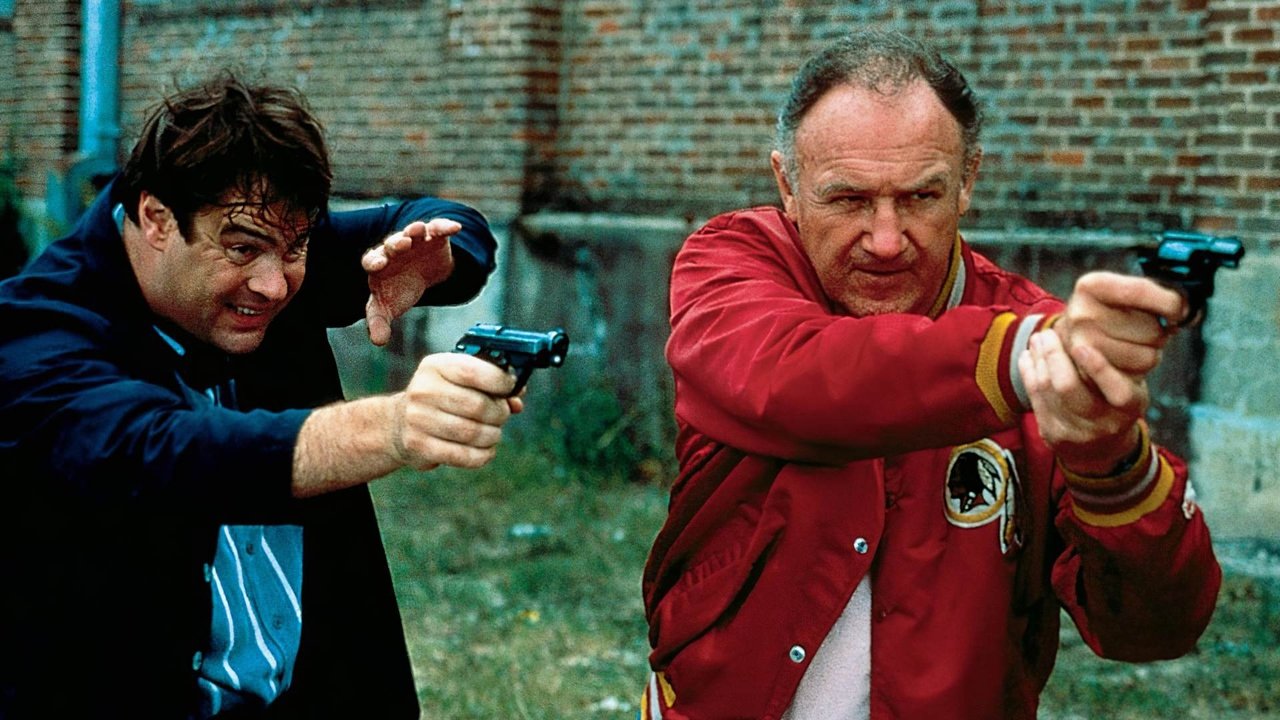
Opposite him, you have Gene Hackman. This is the man who gave us Popeye Doyle in The French Connection (1971), a titan of dramatic acting. And here he is, reacting to Aykroyd suddenly talking like a cartoon sailor. Legend has it Hackman was less than thrilled with the project, reportedly taking it primarily for the paycheck and clashing with the filmmakers. You can almost feel his stoic bewilderment radiating off the screen, which, inadvertently, becomes one of the film's funnier aspects. He grounds the absurdity simply by being Gene Hackman, looking perpetually exasperated.
### Action, Comedy, and a Case of Whiplash
So, how does the action stack up? This is where Loose Cannons feels most like a product of its time. Director Bob Clark, a filmmaker with a bafflingly diverse resume that includes the beloved A Christmas Story (1983) and the raunchy teen hit Porky's (1981), tries to inject some gritty D.C. thriller vibes. There are car chases, shootouts, and fistfights, staged with that signature 90s practical crunch. Remember how real those bullet squibs looked back then? You get plenty of that here. Cars skid, things explode (for real!), and stunt performers earn their keep. It’s tangible in a way that slick CGI often isn’t.
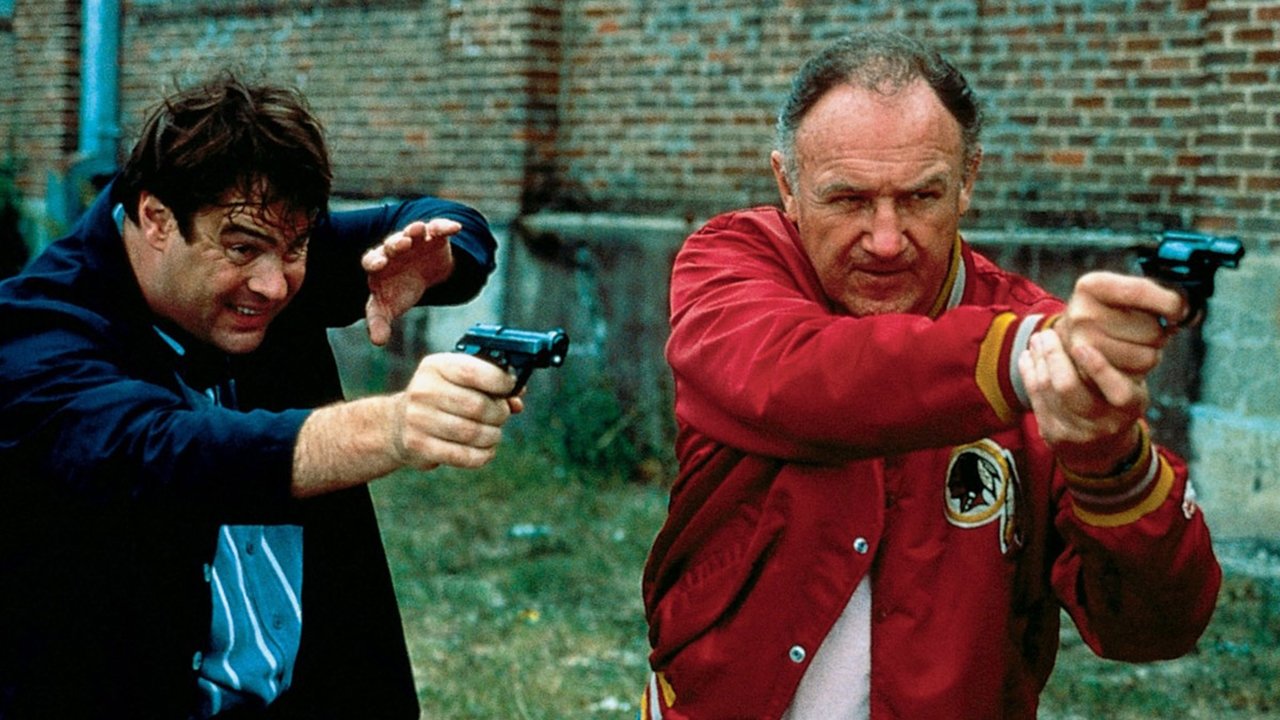
The problem is the tonal rollercoaster. One minute, you’re in a fairly standard, if slightly clunky, police chase scene; the next, Aykroyd is doing a Looney Tunes voice. It’s like trying to watch Lethal Weapon (1987) while someone keeps switching the channel to a Saturday morning cartoon marathon. The whiplash is intense. Interestingly, the script had input from horror master Richard Matheson (I Am Legend, Duel) and his son, Richard Christian Matheson, alongside Clark. One can only imagine the earlier, perhaps darker, drafts before it morphed into this peculiar action-comedy hybrid. Could there have been a genuinely edgy thriller buried somewhere under the slapstick?
Adding to the chaos is the delightful Dom DeLuise as Harry "The Hippo" Gutterman, a flamboyant pornographer who holds clues to the elusive film. DeLuise, a frequent collaborator with Burt Reynolds in films like Cannonball Run (1981), brings his usual manic energy, turning up the camp factor whenever he’s onscreen. He feels like he wandered in from a completely different, even sillier movie, yet somehow, in the context of Loose Cannons, he almost fits.
### A Notorious Bomb, A VHS Curiosity
Let's not sugarcoat it: Loose Cannons was savaged by critics upon release. Gene Siskel famously declared it one of the worst films he'd ever reviewed, and Roger Ebert awarded it a rare zero stars. It also tanked at the box office, reportedly making back only about a third of its $15 million budget. Ouch. Finding this tape at Blockbuster likely meant digging past the popular new releases into the "Huh, what's this?" section.
Yet, viewed decades later through the warm, fuzzy glow of cathode ray nostalgia, Loose Cannons holds a certain fascination. It’s a cinematic train wreck, yes, but a spectacular one, born from clashing talents, a bonkers premise, and that specific early 90s willingness to throw absolutely everything at the wall. It’s a relic of a time when major studios would gamble on genuinely bizarre concepts, starring A-list actors.
Rating: 3/10
Why the score? Let's be real, Loose Cannons is objectively not a "good" movie. The tone is a mess, the central gimmick is mishandled, and it often feels clumsy. However, for the dedicated VHS archeologist, it earns a few points for sheer audacity, the unintentional comedy derived from Hackman's visible suffering, some decent practical action beats buried in the chaos, and its status as a truly baffling Hollywood artifact. It’s the kind of film you watch with fellow retro enthusiasts, shaking your heads and asking, "How did this get made?"
Final Thought: Loose Cannons is the cinematic equivalent of finding a weirdly shaped, brightly colored cassette single at the bottom of a bargain bin – you know it's probably not a classic hit, but its sheer strangeness makes you morbidly curious to hear it just once. A fascinating failure from the VHS vaults.