Alright, fellow tapeheads, settle in. Dim the lights, maybe crack open a soda that isn't quite name-brand, and let's talk about a movie that absolutely blew the doors off my local video store's "International" section back in the day. I remember grabbing the Royal Tramp (1992) VHS, the cover art a whirlwind of bright colours and goofy faces, having absolutely no idea what kind of cinematic sugar rush I was in for. Based on a revered, sprawling wuxia novel? Sure. Faithful adaptation? Not even close. Gloriously, anarchically entertaining? You bet your worn-out tracking button it is.
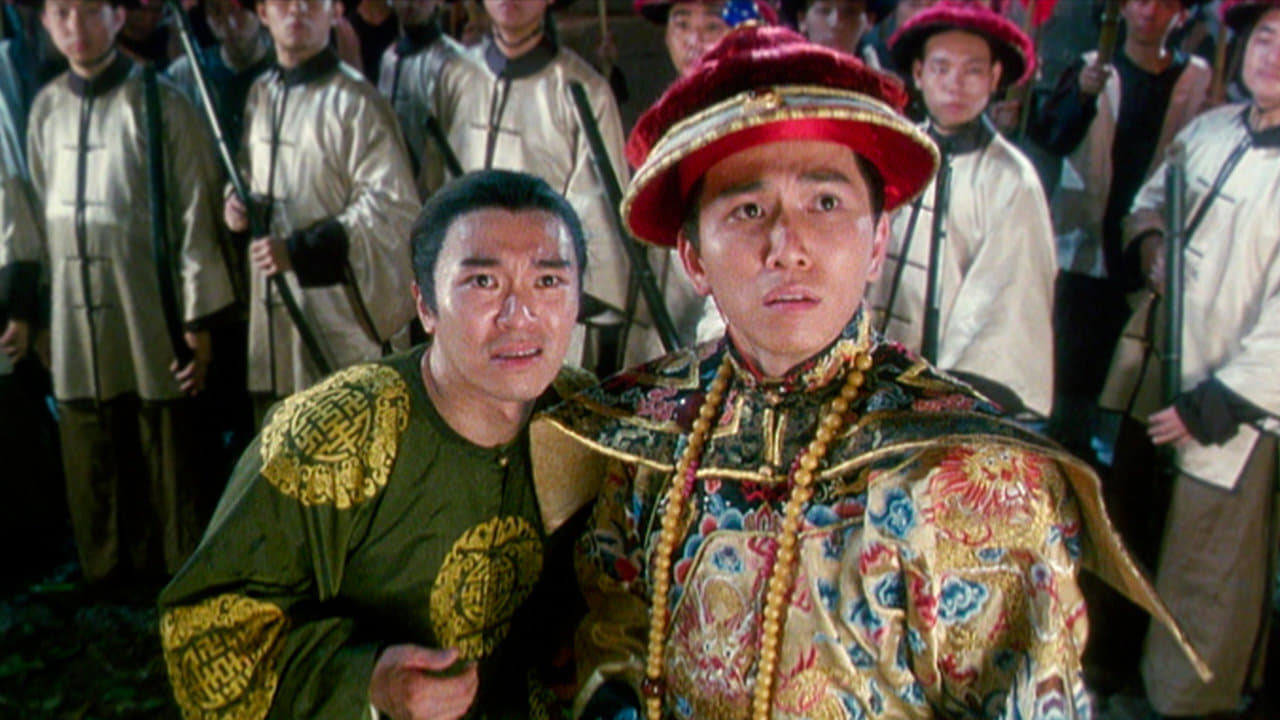
This isn't your typical historical epic. Forget solemn narration and stoic heroes. Instead, director Wong Jing, a man never accused of subtlety (this is the guy who gave us God of Gamblers (1989), after all), throws Louis Cha's complex novel The Deer and the Cauldron into a blender with slapstick, wire-fu, and enough rapid-fire gags to make your head spin. And who better to lead this charge than the reigning King of Comedy himself, Stephen Chow?
### Wai Siu-bo: The Accidental Agent
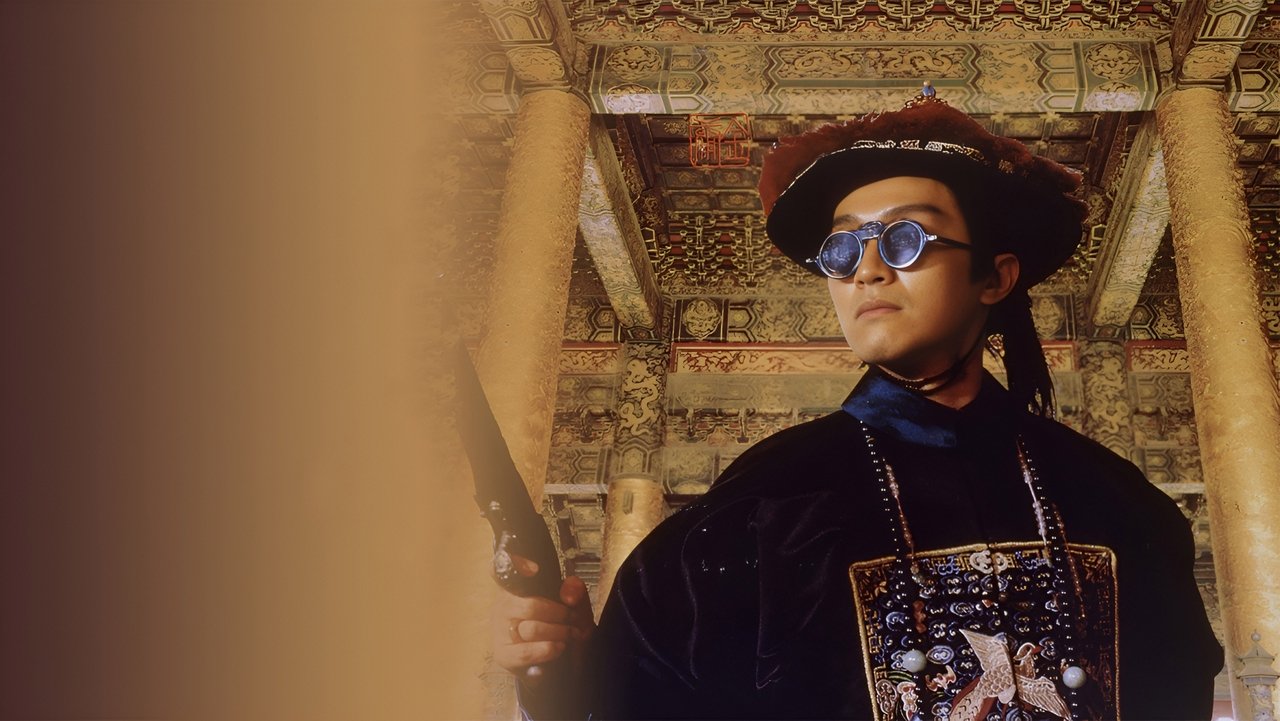
At the heart of this delightful chaos is Chow's Wai Siu-bo. He’s not a hero in the traditional sense; he's a fast-talking, cowardly, lecherous braggart from a Yangzhou brothel who accidentally finds himself infiltrating the Forbidden City. Through a ridiculous series of misunderstandings and sheer dumb luck, he ends up posing as a eunuch, befriending the young Kangxi Emperor, and getting entangled in deadly court intrigue and revolutionary plots. Stephen Chow is simply electrifying here. His signature mo lei tau (nonsensical) comedic style, full of puns, anachronisms, and lightning-fast verbal sparring, was at its absolute peak. Retro Fun Fact: Chow dominated the Hong Kong box office in the early 90s; in 1992 alone, the top five highest-grossing films all starred him, with Royal Tramp and its sequel landing at numbers 3 and 5 respectively! He makes Siu-bo utterly infuriating but somehow impossible not to root for.
### A Symphony of Silly Stunts
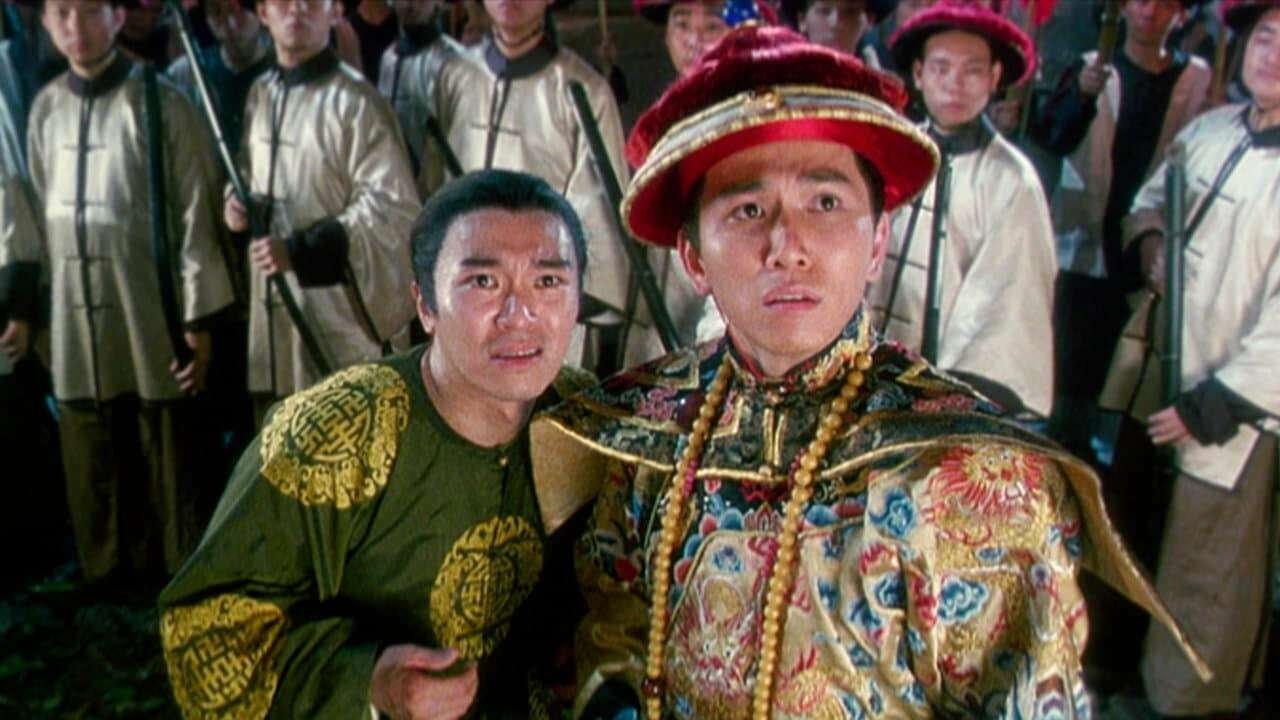
Let’s talk action, because Royal Tramp delivers it in spades, albeit filtered through Wong Jing’s hyperactive lens. Forget gritty realism. This is pure Hong Kong wire-fu spectacle, choreographed by the legendary Tony Ching Siu-tung (whose iconic work includes A Chinese Ghost Story (1987) and Hero (2002)). Characters soar through the air, defy gravity, and engage in battles that are as cartoonish as they are kinetic. Remember how real those impacts felt, even when someone was flying sideways across a courtyard? That's the beauty of practical effects and expertly executed wirework. There's a tactile energy here, a sense of controlled chaos performed by actual stunt performers, that often gets lost in today's smoother, CG-heavy sequences. The fight scenes, particularly those involving the imposing fake Empress Dowager (a fantastic Sharla Cheung Man), are a whirlwind of inventive choreography and comedic timing. Retro Fun Fact: Wong Jing was notorious for incredibly fast shoots. Legend has it that scenes were often written just moments before filming, contributing to the film’s spontaneous, almost improvisational energy. This rapid pace likely put immense pressure on the stunt teams to deliver spectacular results quickly.
### More Than Just Chow
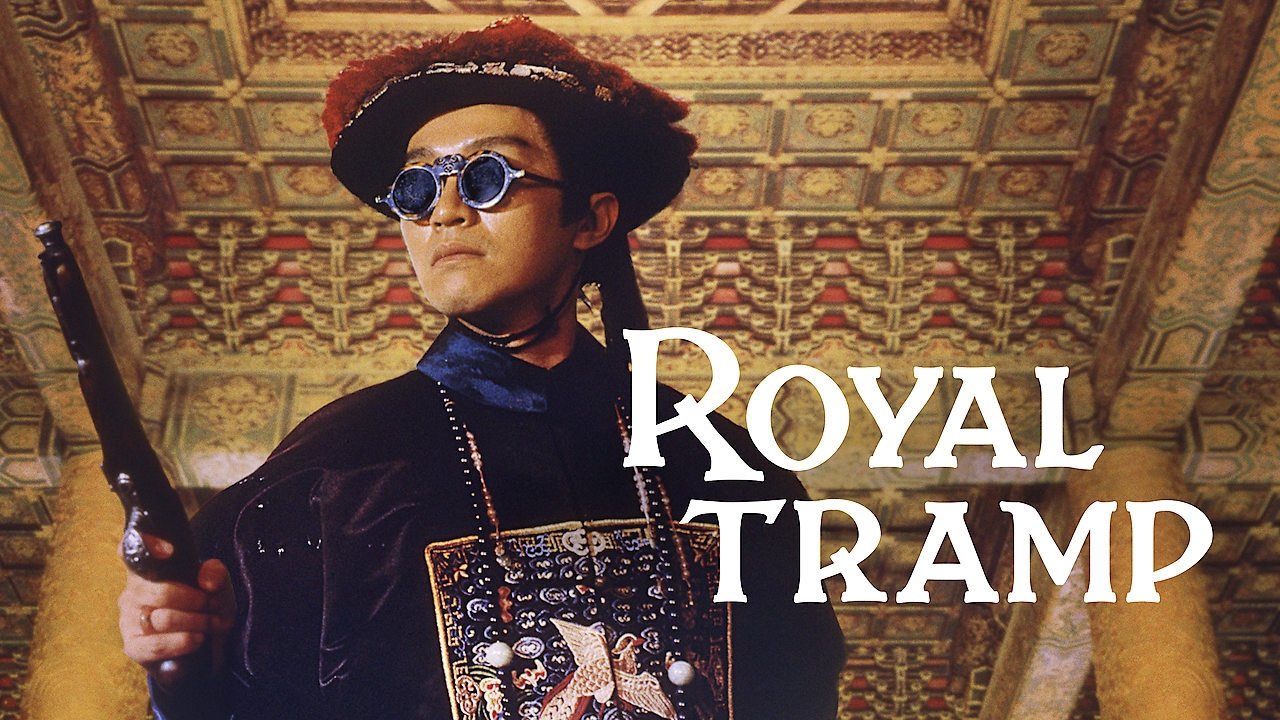
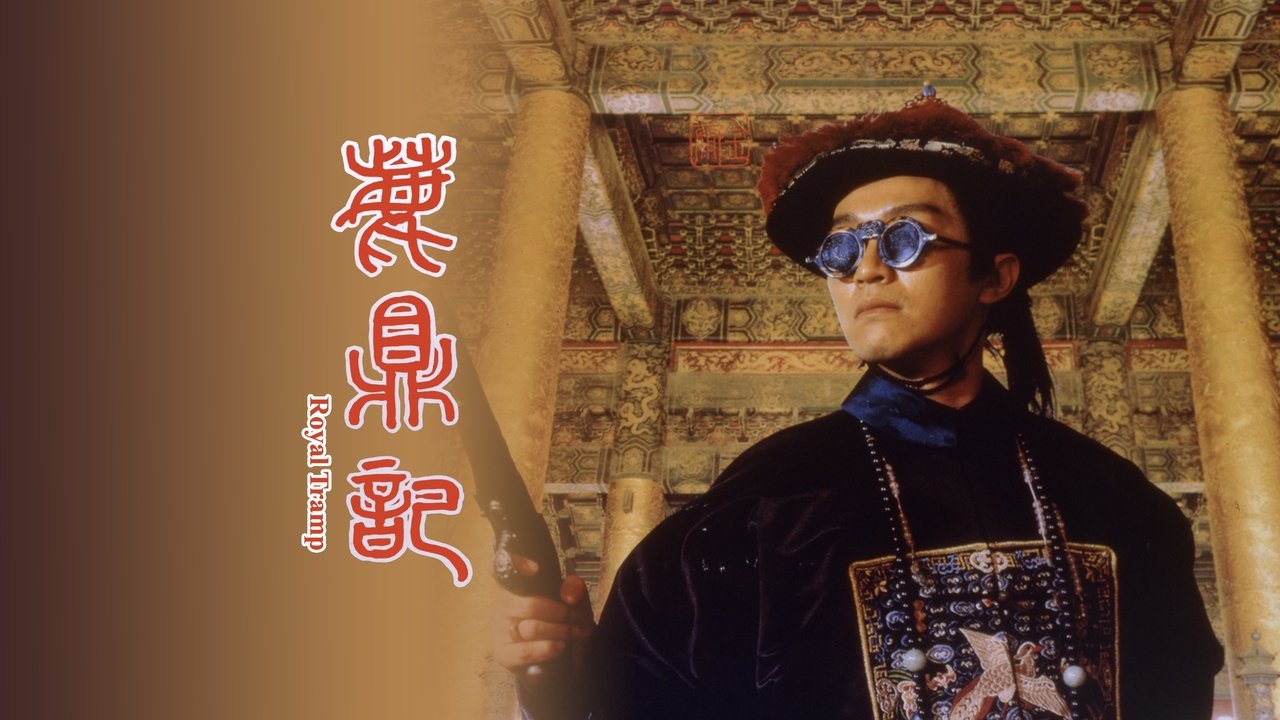
While Chow is undeniably the main event, the supporting cast is a crucial part of the film's manic charm. The legendary Ng Man-tat, Chow’s frequent on-screen partner in crime, is reliably hilarious as the bumbling, lecherous eunuch Hoi Tai-fu. Their comedic chemistry is pure gold, a rapid-fire exchange of insults and idiocy honed over many films together. And seeing Sharla Cheung Man switch between regal authority and deadly martial arts prowess as the Empress Dowager/Lung児 is a highlight. Keep an eye out too for a memorable appearance by the iconic Brigitte Lin as the leader of the Dragon Sect (taking over the role in the sequel). It’s a testament to the film’s anything-goes attitude that such established stars happily dive into the absurdity.
### From Page to Glorious Mess
Adapting a beloved, lengthy novel like The Deer and the Cauldron into a 110-minute comedy sprint is inherently ludicrous, and Wong Jing leans into it. Plot threads whiz by, characters appear and disappear, and logic often takes a backseat to the next gag or action set piece. For purists of the novel, this was likely sacrilege. Retro Fun Fact: The sheer density of the source material meant that even this breakneck film only covers roughly the first half of Wai Siu-bo’s story. Its massive success led to Royal Tramp II being rushed into production and released just two months later in the same year (September 1992, following the first film's July release) – a common practice in the hyper-competitive Hong Kong film market of the era.
Watching Royal Tramp on VHS often meant dealing with subtitles that ranged from barely adequate to hilariously nonsensical, adding another layer of delightful confusion. Yet, there was an undeniable thrill in discovering this vibrant, energetic corner of world cinema, so different from the Hollywood fare dominating the shelves. It felt like uncovering a secret handshake, a burst of pure cinematic fun beamed straight from Hong Kong.
Rating: 8/10
Justification: While the plot is a chaotic whirlwind and the humour is definitely a product of its time (and occasionally crude by today's standards), Royal Tramp is an absolute blast. It perfectly encapsulates the manic energy and specific comedic genius of early 90s Hong Kong cinema, powered by a career-defining performance from Stephen Chow. The action, though stylized, has that practical, high-energy wire-fu magic. It's loud, dumb, incredibly funny, and utterly unique.
Final Word: Forget faithful adaptations; this is Wong Jing and Stephen Chow turning a classic novel into pure, uncut cinematic candy floss laced with gunpowder – a sugar rush perfectly preserved on magnetic tape.