Okay, rewind your minds with me for a second. Picture this: the fluorescent hum of the video store, that distinct smell of plastic cases and possibility, and there it is on the shelf – the glorious, slightly pulpy cover art for Tango & Cash. Two of the biggest action mugs of the decade, Sylvester Stallone and Kurt Russell, side-by-side, promising explosions, wisecracks, and probably a few shredded constitutions. You grabbed that tape, maybe popped it in late on a Saturday night with the tracking slightly fuzzy, and braced yourself. What you got wasn't just an action movie; it was a glorious, messy, high-octane collision of star power and sheer 80s excess, a film practically bursting at the seams with its own chaotic energy.
### The Armani Suit and the Cowboy Boots
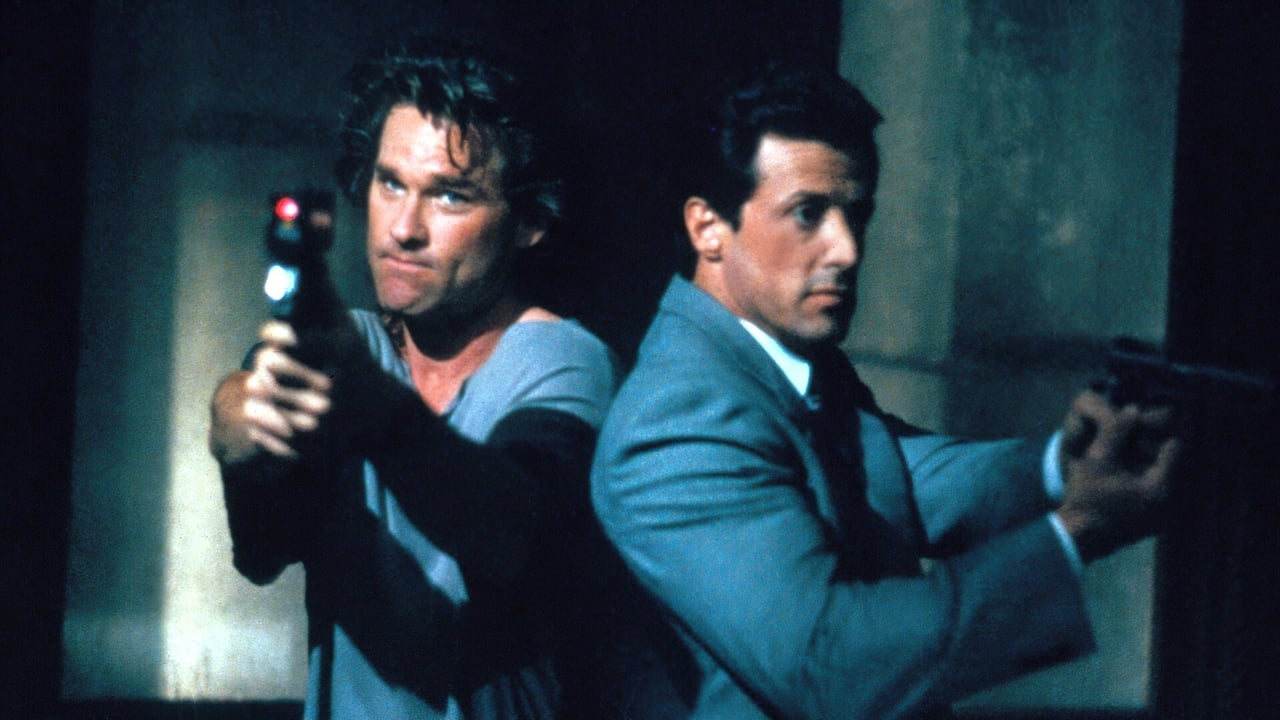
Right from the get-go, Tango & Cash (1989) lays out its game plan: contrasting personalities forced together. We have Ray Tango (Sylvester Stallone, surprisingly effective playing the intellectual, sharply dressed Beverly Hills cop) and Gabe Cash (Kurt Russell, radiating pure, unadulterated cool as the rough-around-the-edges downtown detective). They're rivals, the best in LA, and they hate each other. Their introductory scenes, showcasing their vastly different methods (Tango calmly cornering a tanker truck, Cash… well, causing considerably more property damage while chasing down a perp), perfectly set the stage. The banter between Stallone and Russell is the absolute engine of this movie; their chemistry crackles, selling even the most ludicrous lines through sheer force of charisma. You believe these guys could trade insults and bullets with equal skill.
### Framed by Pure Villainous Ham
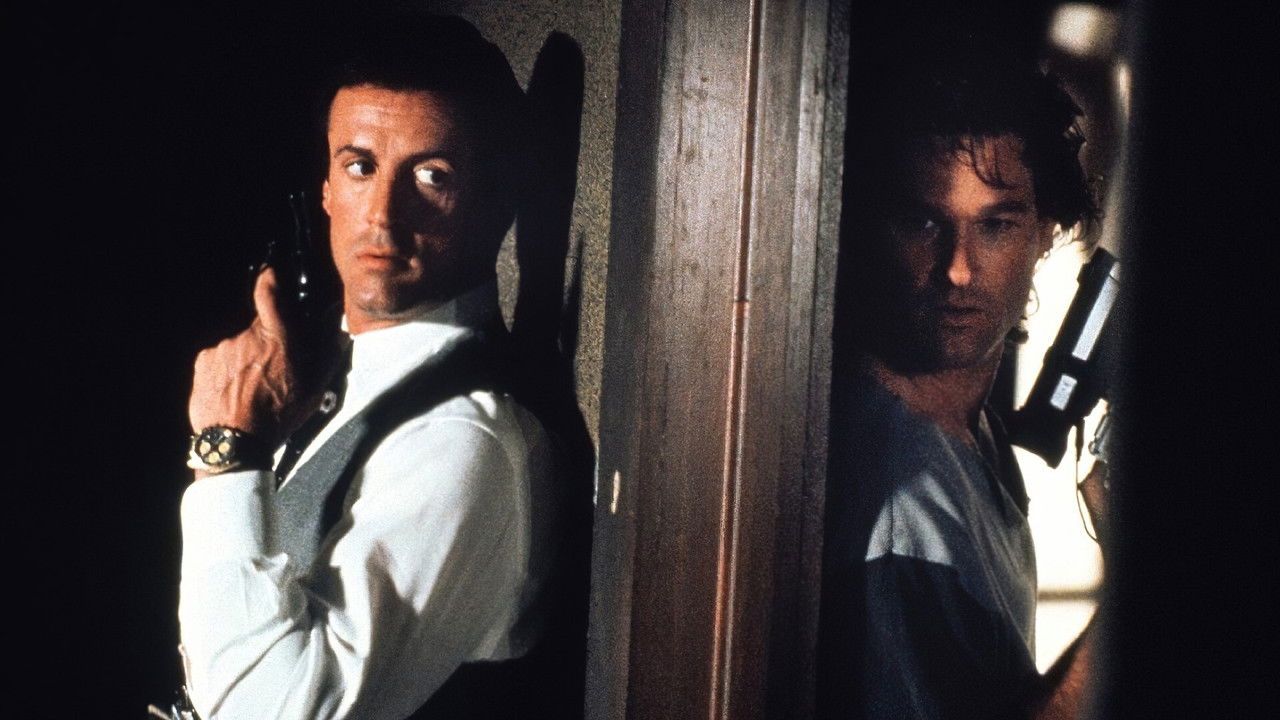
Of course, our dynamic duo can't just keep arresting low-level thugs. Enter Yves Perret, played with scenery-chewing delight by the legendary Jack Palance. Fresh off his Oscar win for City Slickers just a couple of years later, Palance here sinks his teeth into a classic 80s super-villain role – sophisticated, ruthless, and maybe just a little bit nuts (remember the pet mice?). Perret, aided by instantly recognizable character actors like Brion James and James Hong, frames Tango and Cash for murder, landing them not just in prison, but in a general population filled with criminals they themselves put away. It's a classic setup, pure pulp fiction, and Palance sells the menace beautifully.
### Behind Bars and Behind the Scenes Mayhem
The prison sequence offers some genuine grit and tension, a showcase for some gnarly practical stunt work as our heroes navigate a hostile environment. But this section also hints at the film's famously troubled production. Original director Andrei Konchalovsky (who gave us the brilliant Runaway Train just a few years prior) envisioned a somewhat darker, more serious tone. Clashes with producer Jon Peters (a notorious figure himself) and Stallone reportedly led to Konchalovsky being fired mere weeks before filming wrapped. Retro Fun Fact: The film's budget reportedly ballooned to a massive $55 million (that’s over $130 million today!), partly due to these production struggles and rumoured extensive reshoots handled by Albert Magnoli (director of Purple Rain) and possibly others, including Stallone himself exercising considerable influence. You can almost feel the gears grinding behind the scenes sometimes, but bizarrely, it adds to the film's chaotic charm.


### Unleash the Practical Effects!
Once Tango and Cash bust out (in spectacular fashion, naturally), the movie kicks into overdrive for its finale. And folks, this is where the VHS-era action truly shines. The assault on Perret's compound is a masterclass in glorious, tangible destruction. We're talking real explosions that feel like they have weight, squibs that pop with convincing impact, and stunt performers earning every cent of their paychecks. Remember how real that looked back then? Before seamless CGI smoothed everything over, there was a visceral thrill to seeing actual vehicles flipping, real fire billowing. And let's not forget the pièce de résistance: the heavily armed, futuristic-looking RV/truck thing they use for the final assault. It’s utterly ridiculous and completely awesome, a perfect symbol of the film's over-the-top approach. Was that final confrontation maybe a little rushed? Sure. Does it deliver the goods? Absolutely.
### An Enduring Slice of 80s Action Cheese
Let's be honest, Tango & Cash isn't high art. The plot has holes you could drive that weaponized RV through. Teri Hatcher, as Tango's sister Kiki (and Cash's love interest), does her best but is largely relegated to the damsel role typical of the era. And yes, there's that infamous scene where Stallone goes undercover in drag – a moment that lands with a thud then and feels even more awkward now. But criticizing Tango & Cash for these things feels like missing the point. It arrived at the tail end of the 80s, a final, glorious gasp of buddy-cop excess before the genre started to evolve. It wasn't a critical darling upon release, but audiences found it, especially on video rental shelves. It became a staple, a go-to for pure, unadulterated action fun. The synth-heavy score by Harold Faltermeyer (of Beverly Hills Cop and Top Gun fame) is pure auditory nostalgia.
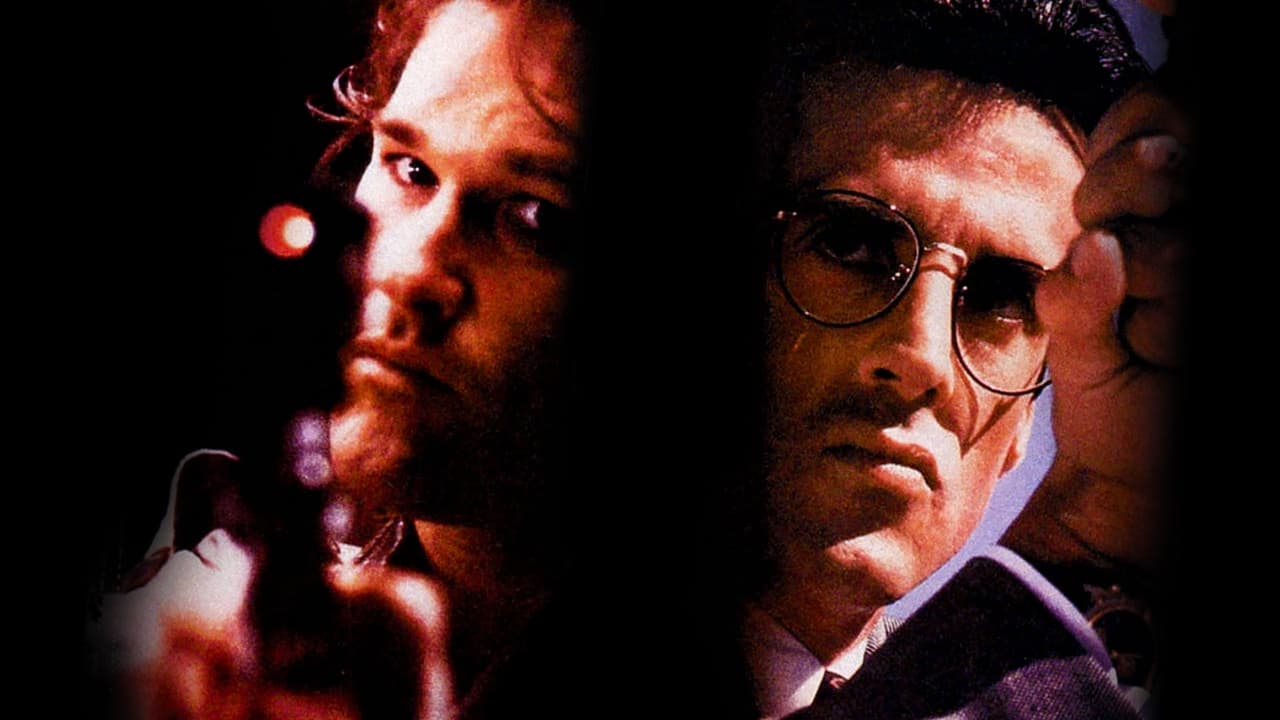
Rating: 7.5 / 10
Justification: The score reflects the undeniable entertainment value, the stellar chemistry between Russell and Stallone, the fantastic practical action sequences, and its status as a beloved cult classic. It loses points for the messy plot, underdeveloped female character, and moments of sheer silliness that haven't aged gracefully. However, the fun factor heavily outweighs the flaws for fans of the era.
Final Word: Tango & Cash is like finding your favourite comfy old leather jacket – maybe slightly worn, definitely a product of its time, but it still fits perfectly and makes you feel undeniably cool. A gloriously chaotic symphony of bullets, banter, and big hair.