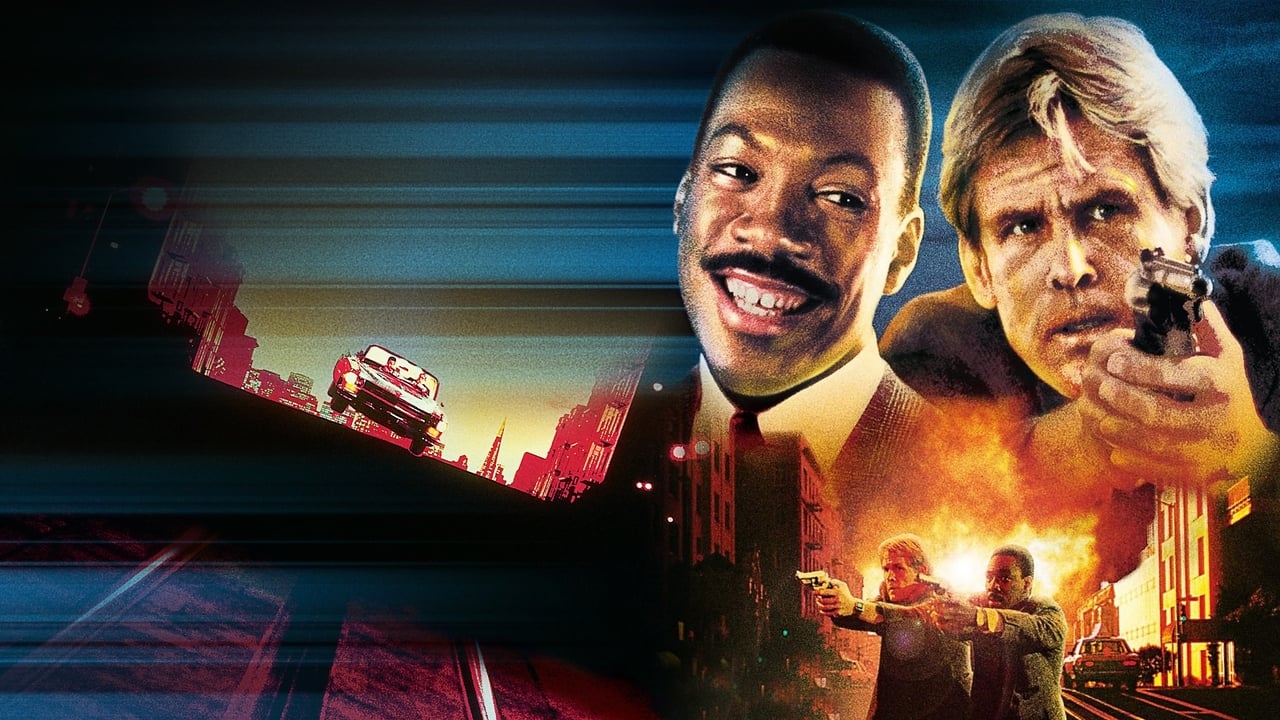
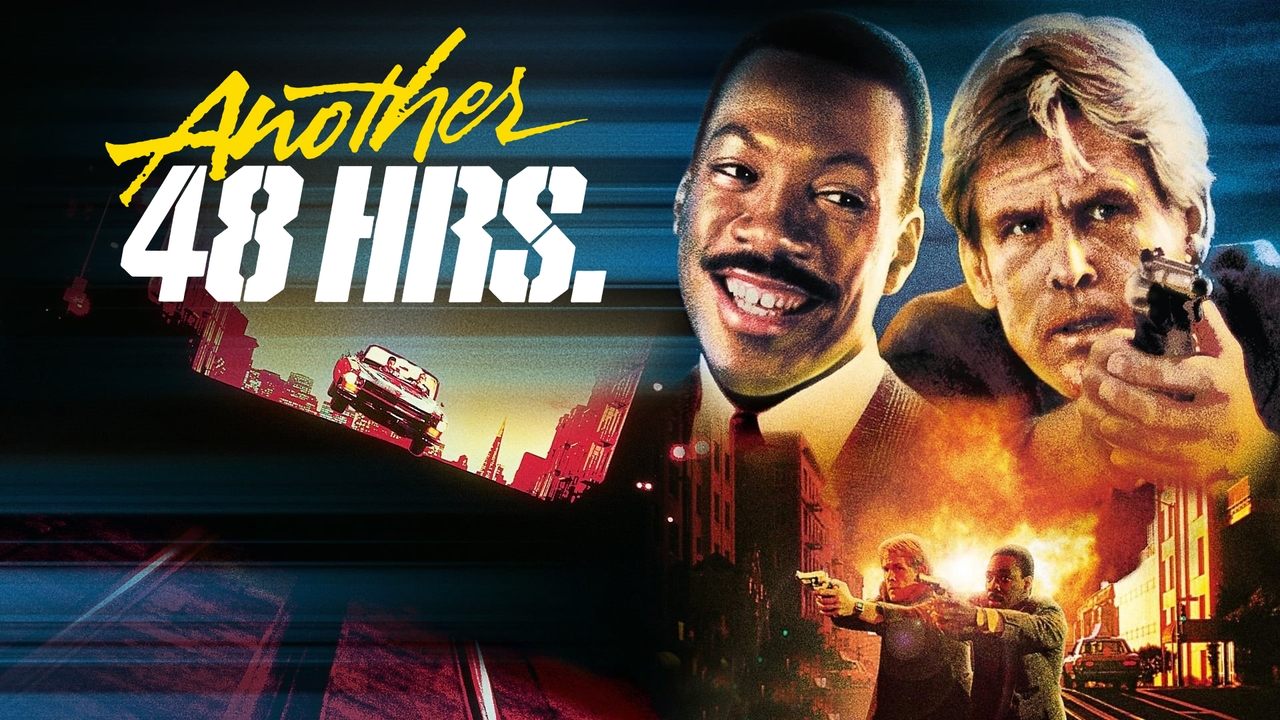
Alright fellow tape-heads, let's rewind the clock. Picture this: it’s 1990. You’re browsing the ‘New Releases’ wall at the local video store, fluorescent lights humming overhead, the scent of plastic cases and possibility in the air. And there it is – the familiar scowl of Nick Nolte and the million-dollar smirk of Eddie Murphy. Another 48 Hrs. The title alone promised a return trip to that specific brand of gritty, wise-cracking chaos director Walter Hill unleashed back in '82. Eight long years after Jack Cates first sprung Reggie Hammond from stir, the promise of seeing them back together was almost too good to pass up. Did it recapture the lightning in a bottle? Well, grab your popcorn and let's hit play.
Back on the Streets, Same Old Grit
The film wastes no time reminding you this is Walter Hill country – stark visuals, sudden bursts of violence, and men who communicate primarily through gritted teeth and gunfire. Cates is still the rumpled, perpetually angry cop, now obsessed with nailing the mysterious drug kingpin known only as the "Iceman." Hammond, meanwhile, is finally about to walk free, dreaming of his recovered cash. Naturally, things go sideways immediately, forcing the mismatched pair back into an uneasy, bullet-riddled alliance. The plot feels... familiar. Maybe too familiar for some critics back in the day, who pointed out the recycled beats from the original. And let's be honest, with four credited writers (John Fasano, Jeb Stuart, Larry Gross, and Fred Braughton – often a sign of a bumpy ride in development), the story sometimes feels less like a cohesive narrative and more like a series of volatile encounters designed to put Nolte and Murphy in the same explosive vicinity.
That signature Hill Style
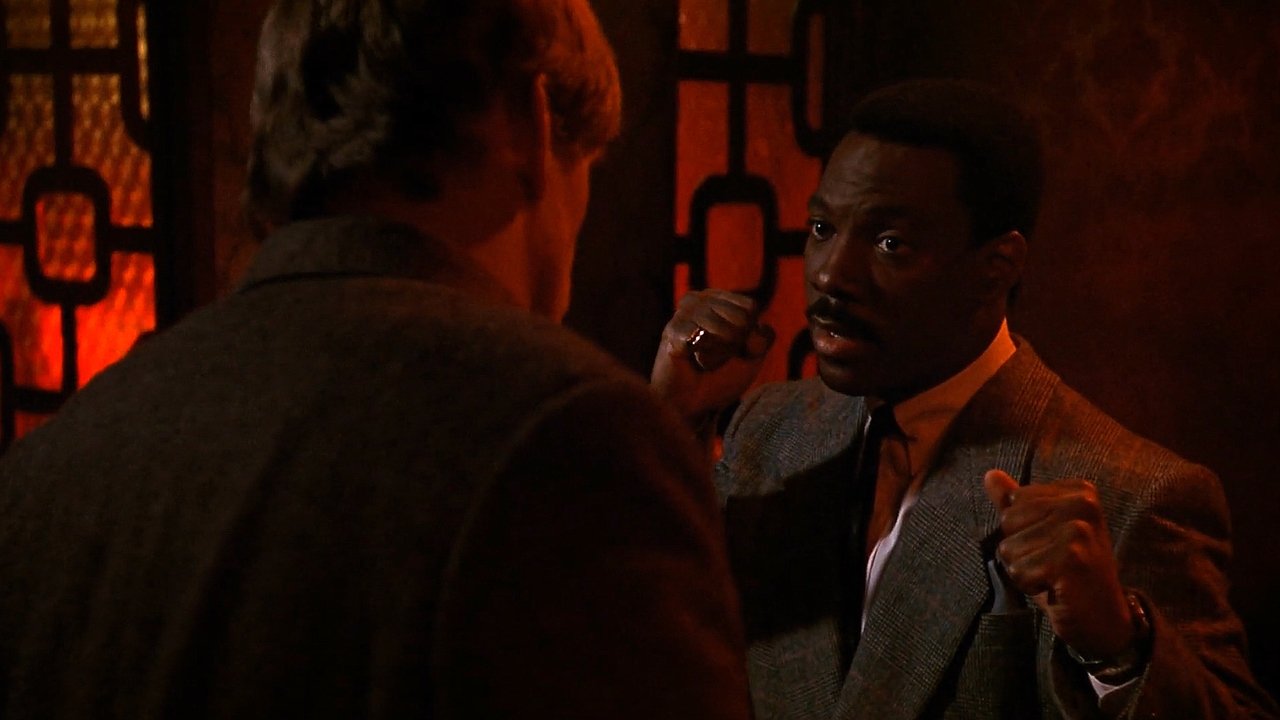
But here’s the thing: even if the script felt like a remix, Walter Hill (The Warriors (1979), Streets of Fire (1984)) directs with an unapologetic, hard-edged style that was already starting to feel like a relic of the 80s, even in 1990. This wasn't the slick, quippy action-comedy territory Lethal Weapon was charting. This was rougher, meaner. Hill knows how to stage action with a visceral punch. Remember that biker bar scene? Pure chaos, unfolding with a clarity and brutality that relied entirely on stunt performers, breakaway props, and sheer nerve. There's a weight to the violence here, a feeling that punches hurt and bullets tear through more than just set dressing. It's a far cry from the often weightless, CGI-heavy action sequences we see today. Hill wasn't afraid to make things ugly, and that gave the film its distinctively raw energy.
Nolte & Murphy: Still Got It?
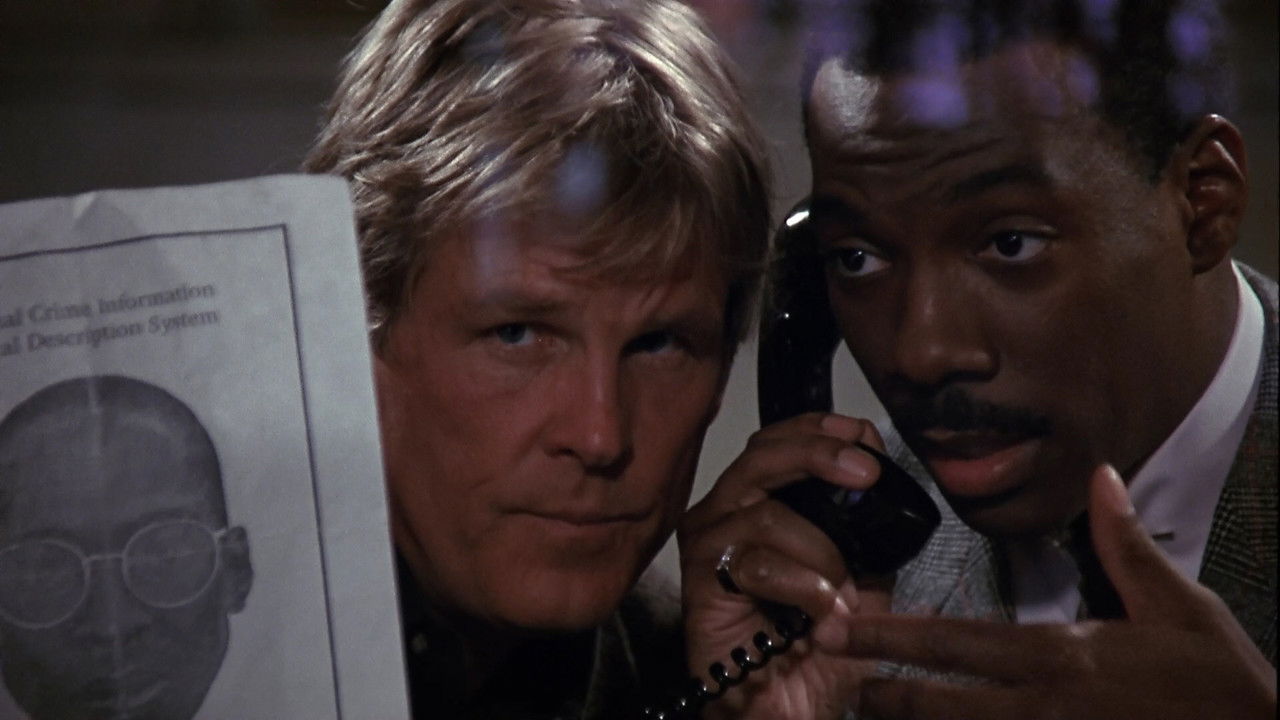
The core appeal, of course, was reuniting Nick Nolte and Eddie Murphy. Nolte slips back into Cates' weary skin effortlessly, all simmering rage and cheap suits. Murphy, by this point a global megastar commanding a hefty paycheck (rumored to be around $9-12 million plus points – a fortune back then!), brings back Reggie's swagger, though maybe with a slightly harder edge this time. Does the chemistry still crackle? Mostly, yes. The insults fly, the bickering feels genuine, but there's maybe a touch less novelty, a sense that they (and we) have been here before. Still, watching these two absolute pros bounce off each other remains a highlight. It’s also great seeing the menacing Brion James, a Hill regular and unforgettable face from the first film (and Blade Runner (1982)), back as Inspector Ben Kehoe, adding another layer of gruff continuity.
That Glorious Practical Mayhem
Let’s talk about the real star for us VHS Heaven dwellers: the action. This film delivered the kind of practical stunt work that made you grip the armrests. That insane prison bus flip? Reportedly done for real, with careful engineering and sheer guts, flipping end-over-end in the dusty California landscape where much of the film was shot (including stints in Las Vegas). It's a jaw-dropping moment that feels utterly real because, well, it largely was. The shootouts are loud and messy, full of shattering glass and those gloriously dramatic squib hits that felt so impactful on our old CRT screens. Was the climactic gunfight in the nightclub maybe a bit over the top? Sure, but it was staged with a relentless energy that hammered home the stakes. You felt the danger because you could see the performers putting themselves on the line.
Echoes in the Tape Deck
Upon release, Another 48 Hrs. wasn't exactly hailed as a masterpiece. Critics were lukewarm, often calling it a rehash. But audiences turned up – it pulled in a respectable $153.5 million worldwide against a substantial budget (estimates hover around $50 million, which is roughly $115 million today – a big investment!). For many of us renting it that weekend, it delivered what was on the box: Nolte being tough, Murphy being funny, and things blowing up spectacularly in between. It might lack the groundbreaking impact and narrative tightness of the original, but viewed through the lens of nostalgia, it's a solid slice of late-80s/early-90s action filmmaking. It’s a reminder of a time when star power and practical spectacle could carry a film, even one built on a familiar chassis.

Rating: 6.5 / 10
Justification: While it undeniably retreads ground from the classic original and the script feels cobbled together in places, Another 48 Hrs. still delivers thanks to the enduring, albeit slightly diminished, chemistry between Nolte and Murphy, Walter Hill's reliably gritty direction, and some genuinely impressive, hard-hitting practical action sequences that were hallmarks of the era. It's not the lightning strike the first film was, but it’s a loud, enjoyable echo.
Final Take: Less a vital sequel, more a potent hit of that late-VHS era action brew – rough, loud, and undeniably physical in a way that feels gloriously old-school today. Worth popping in when you need a fix of pure, unfiltered Cates and Hammond chaos.