Alright, rewind your minds with me. Picture this: it's 1992, maybe a Saturday night, you've just snagged a fresh tape from the local video store – the one with the slightly worn cover art promising martial arts mayhem and maybe a laugh or two. If you were lucky, that tape might have been Royal Tramp 2, and oh boy, were you in for a ride. Released astonishingly fast – hitting Hong Kong screens just two months after its predecessor – this sequel doesn't just pick up the pace, it straps rockets to the plot and lights the fuse.
### More Wai Siu-Bo, More Problems
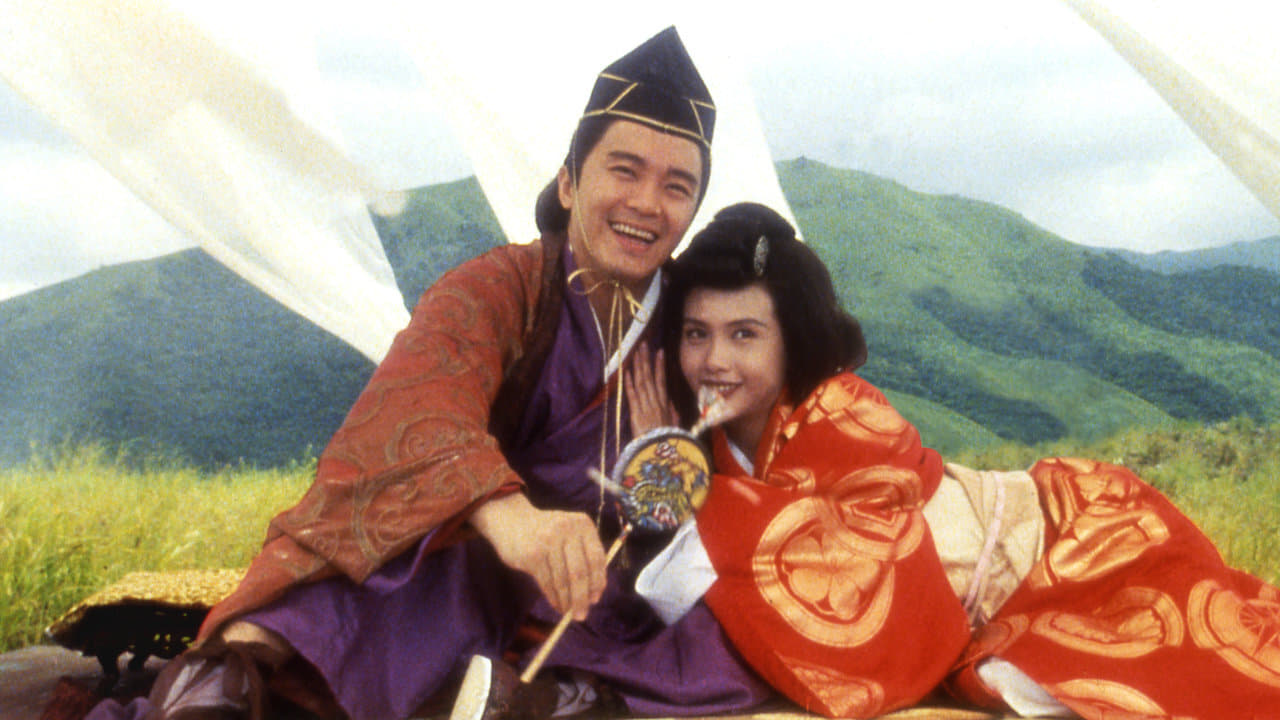
Picking up directly where the first film left off, we're thrown back into the chaotic life of Wai Siu-Bo, played with anarchic glee by the undisputed king of 90s Hong Kong comedy, Stephen Chow. He’s still juggling imperial duties, treacherous court politics, multiple romantic entanglements (including the formidable Princess played again by Chingmy Yau), and his secret allegiance to the rebel Heaven and Earth Society. This time, the stakes feel even higher, the conspiracies twistier, and the comedy somehow even more relentless. The plot, adapted (read: gleefully mangled) from Louis Cha's epic novel The Deer and the Cauldron, barrels along at breakneck speed, barely giving you time to process one absurd situation before hurtling into the next. It's pure Wong Jing – the writer/co-director known for his prolific output and knack for blending lowbrow humour with surprising genre savvy. He knew exactly what audiences wanted from a Chow vehicle back then: maximum velocity silliness.
### Enter the Dragon Sect Leader
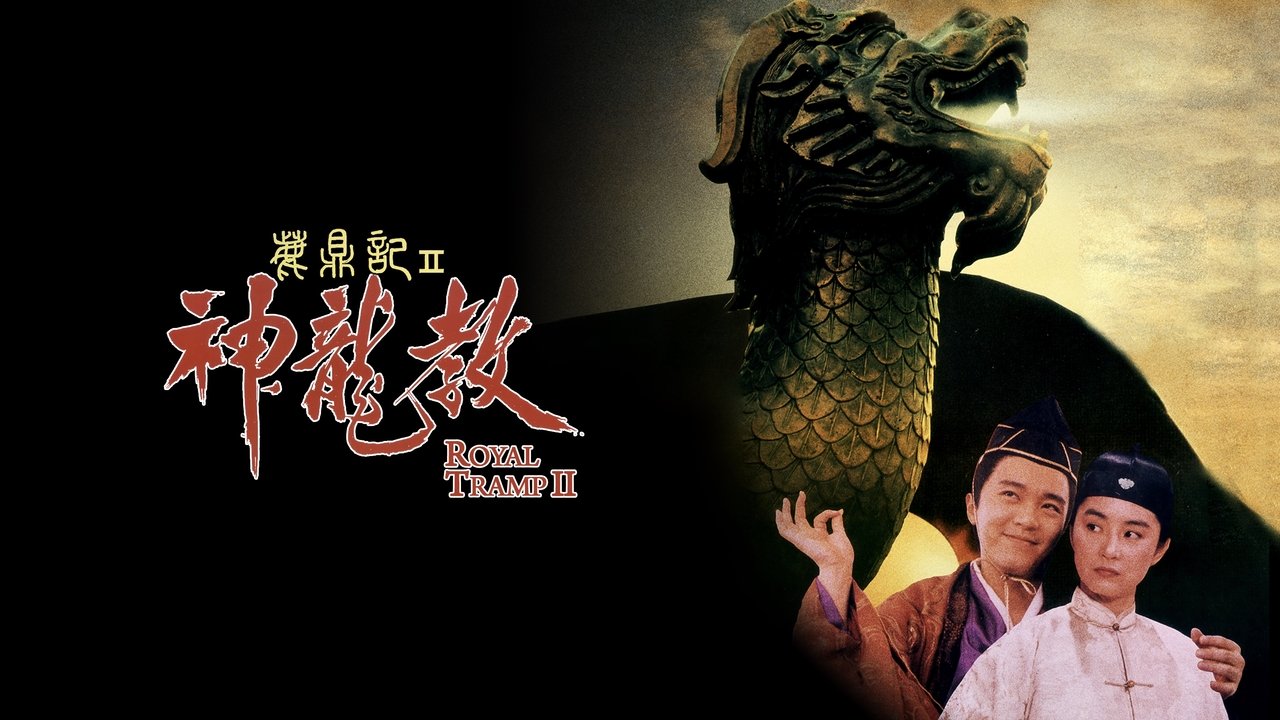
What elevates Royal Tramp 2 beyond just a frantic rehash is the majestic arrival of Brigitte Lin as Lung児, the imposing leader of the Dragon Sect (often translated as Divine Dragon Cult). Fresh off her iconic, gender-bending role as Asia the Invincible in Swordsman II (also 1992, what a year!), Lin brings an incredible screen presence. Her character starts as a deadly serious antagonist, a master martial artist seeking vengeance, but inevitably gets drawn into Wai Siu-Bo's orbit of absurdity. The chemistry between the hyperactive Chow and the initially stoic Lin is fantastic, generating both laughs and some surprisingly effective action sequences. It was a genius casting move, lending genuine wuxia credibility to the surrounding madness. Seeing Lin, a true legend of the genre, navigate Chow's mo lei tau (nonsense comedy) style is half the fun.
### Action That Flies (Literally)
Let's talk about that action, because while Wong Jing handled the comedic chaos, the film's other co-director was none other than Ching Siu-Tung. This is the maestro behind the action in films like A Chinese Ghost Story (1987) and the aforementioned Swordsman II. His signature wire-fu is everywhere in Royal Tramp 2, and it’s glorious. Remember how characters would just fly across rooms, defying gravity with impossible grace and speed? That was Ching Siu-Tung's playground.
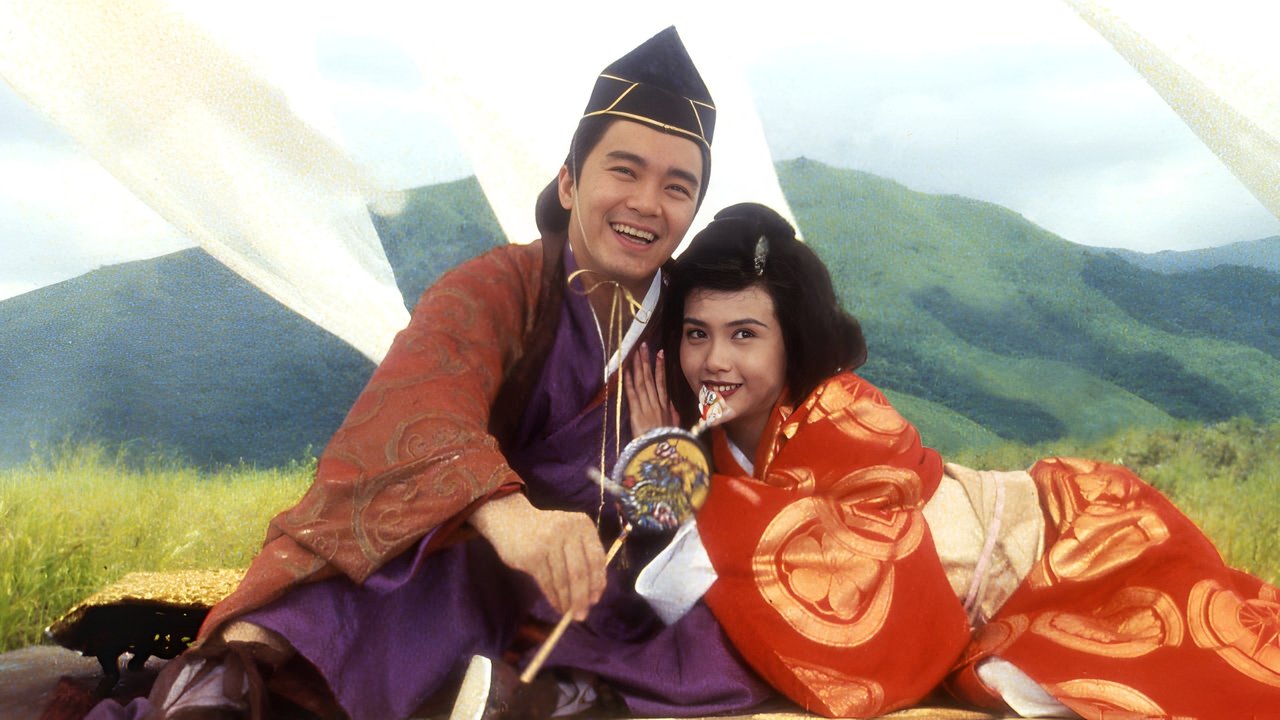
Compared to today's smooth, often weightless CGI-heavy fights, the action here feels incredibly physical, even within its fantasy framework. You see the performers, often legendary stunt doubles alongside the stars, being yanked and propelled by complex wire rigs. There's a certain impact – a visceral sense of movement and (controlled) danger that defined Hong Kong action cinema of the era. The intricate choreography, the speed, the way fighters interact with elaborate sets being simultaneously destroyed – it was pure practical magic orchestrated by masters like Ching. The final battles, in particular, are a whirlwind of colourful costumes, clashing weapons, and high-flying acrobatics that could only have sprung from the hyper-caffeinated Hong Kong film industry of the early 90s. It might look a bit dated now, the wires occasionally visible if you squint, but the energy? Still electric.
### Peak Chow Power
This film landed smack-dab in the middle of Stephen Chow's imperial phase. In 1992 alone, he starred in an unbelievable seven films, five of which dominated the Hong Kong box office Top 10, including both Royal Tramp movies. He was a phenomenon, and Royal Tramp 2 showcases why. His verbal dexterity (even through subtitles!), rubber-faced expressions, and ability to switch from lecherous coward to unlikely hero in a nanosecond are unparalleled. He makes Wai Siu-Bo often despicable, yet somehow utterly charming. It’s a performance style that’s hard to replicate and feels intrinsically tied to that specific time and place in cinema history. Supporting players like Chingmy Yau, Natalis Chan, and Sandra Ng (in a brief but memorable cameo) all get moments to shine, adding to the overall comedic fabric.
The film was a massive hit, naturally. Audiences couldn't get enough of this blend of historical epic, martial arts spectacle, and Chow's signature comedy. While perhaps lacking the slight narrative edge of the first film for some, Royal Tramp 2 arguably doubles down on the sheer entertainment value, leaning even harder into the wuxia elements thanks to Brigitte Lin's presence and Ching Siu-Tung's expert hand. I distinctly remember renting this one shortly after the first, the quick turnaround feeling almost like getting two episodes of a particularly wild TV show back-to-back.
---
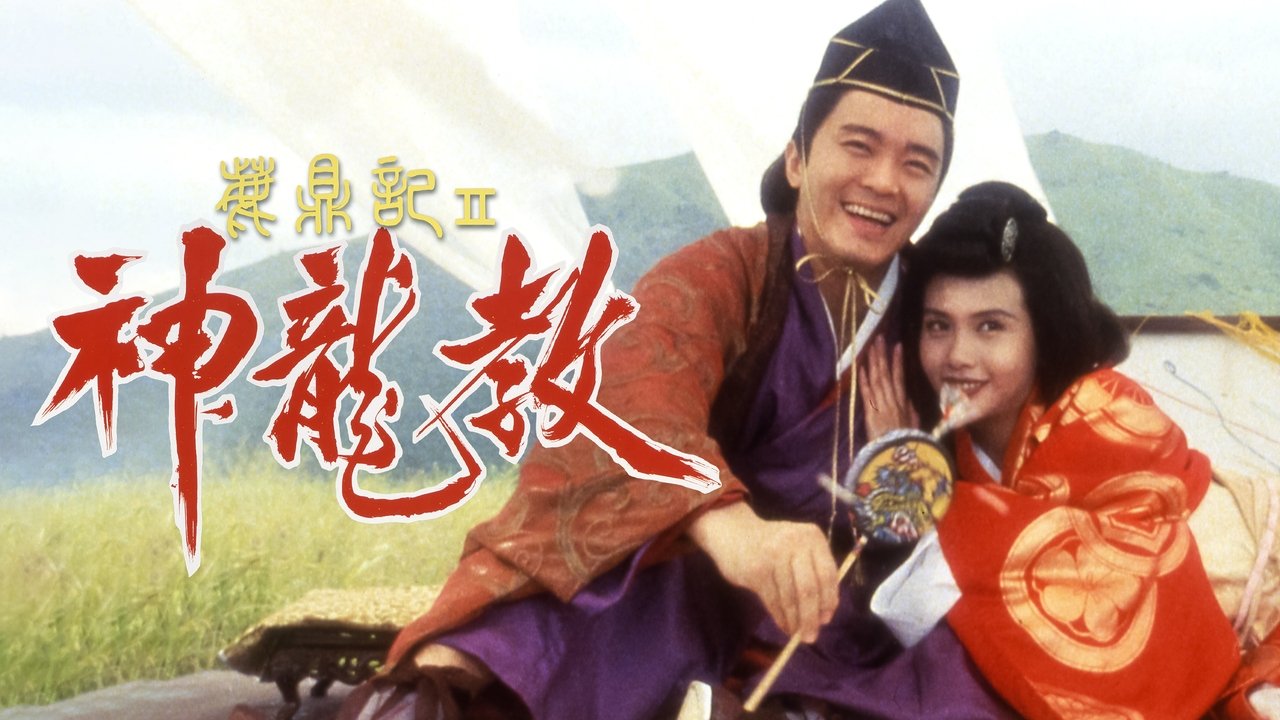
Rating: 8/10
Justification: While the plot is pure chaotic energy and the humour is definitely of its time (and occasionally crude), Royal Tramp 2 delivers exactly what it promises: hyperactive Stephen Chow comedy blended with spectacular, practically achieved wire-fu action courtesy of Ching Siu-Tung, elevated by the iconic presence of Brigitte Lin. It's loud, colourful, frequently nonsensical, but undeniably entertaining and captures a specific, glorious moment in Hong Kong cinema history.
Final Thought: They literally don't make 'em like this anymore – a whirlwind of wires, wigs, and wit that feels like mainlining the glorious excesses of early 90s Hong Kong filmmaking directly into your VCR.