Alright, rewind time! Remember sliding that slightly worn cassette into the VCR, the satisfying clunk, the whirl of the tape? Sometimes, you’d stumble upon something utterly bonkers, a film that defied easy categorisation but left an indelible mark. For many of us prowling the action or import sections of the video store back in the day, 1993’s City Hunter was exactly that kind of discovery – a hyperactive, live-action cartoon powered by the sheer kinetic energy of Jackie Chan and the anything-goes attitude of Hong Kong cinema.
### Manga Mayhem Unleashed
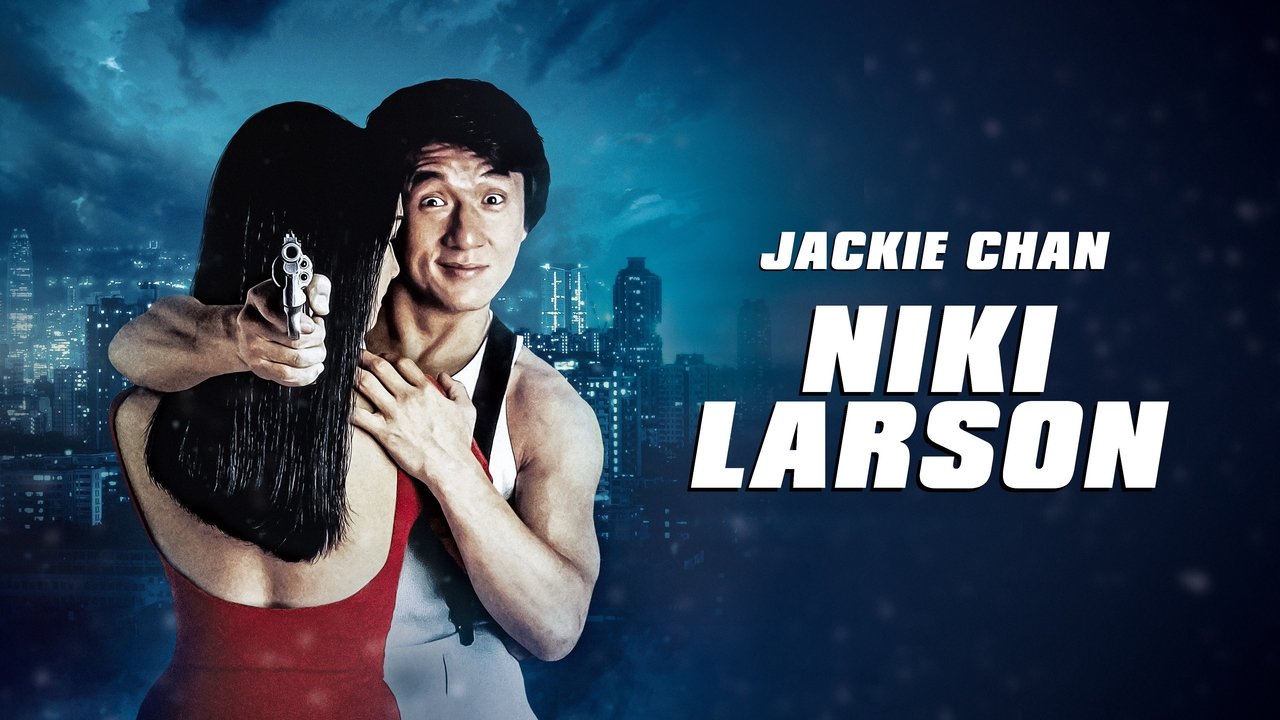
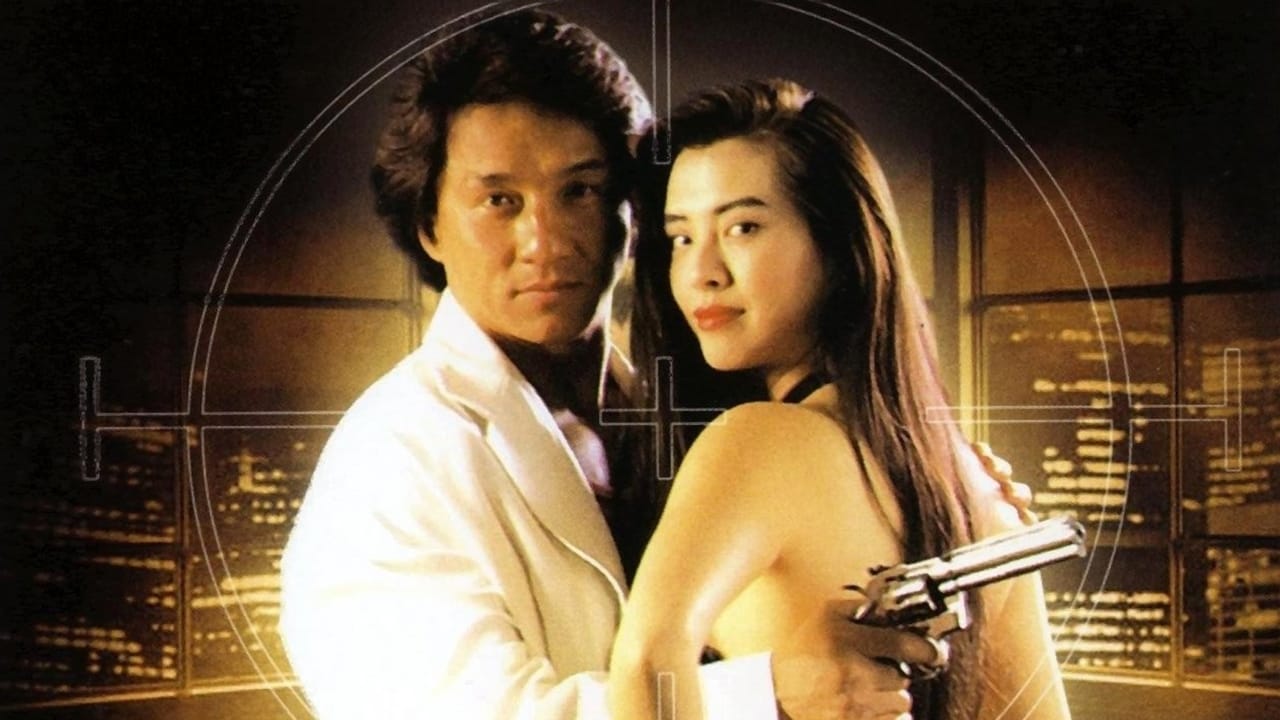
Based loosely (and I mean loosely) on the popular Japanese manga by Tsukasa Hojo, City Hunter drops us into the chaotic world of Ryo Saeba (Jackie Chan), a private detective with legendary marksmanship, incredible fighting skills, and an absolutely uncontrollable libido. He's hired to find the runaway daughter of a newspaper tycoon, Shizuko Imamura (Kumiko Goto), which leads him aboard a luxury cruise liner, the Fuji Maru. Naturally, the ship is promptly hijacked by a gang of ruthless terrorists led by MacDonald (Richard Norton, a familiar face for 90s action fans). Ryo, alongside his jealous assistant Kaori (Joey Wong, unforgettable from A Chinese Ghost Story) and a mysterious undercover agent Saeko Nogami (Chingmy Yau), must save the day. Plot-wise? It’s serviceable scaffolding for absolute madness.
### Pure, Unadulterated Wong Jing
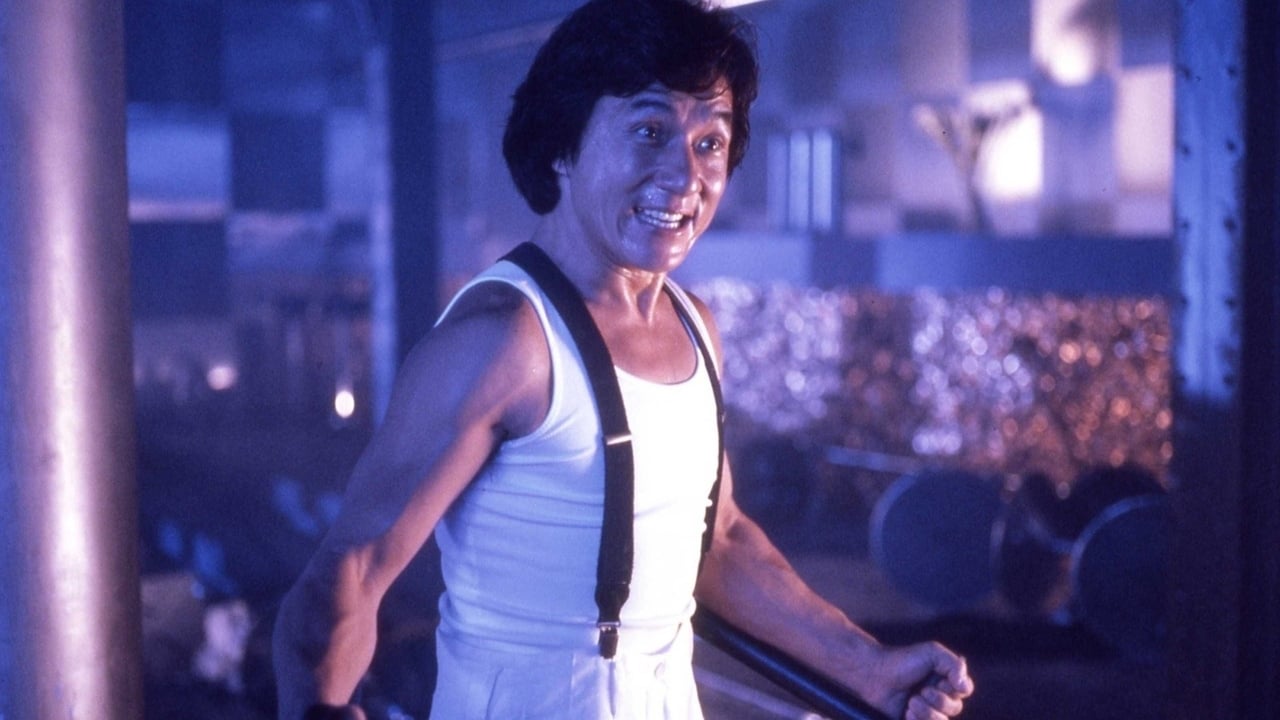
Helming this Technicolor tornado is director Wong Jing, a name synonymous with commercially successful, often low-brow, but undeniably energetic Hong Kong filmmaking throughout the 80s and 90s. Wong Jing, known for his lightning-fast production pace and ability to tap into popular trends, throws everything at the screen here. The tone shifts wildly from slapstick comedy (often centred around Ryo’s relentless horniness) to surprisingly brutal gunfights, to jaw-dropping martial arts sequences. It’s a cinematic sugar rush, vibrant and relentless. Interestingly, Jackie Chan himself reportedly clashed with Wong Jing during production, feeling the director pushed the comedy too far into the absurd and strayed from the more grounded (relatively speaking) action style Chan preferred. You can almost feel that tension sometimes, Chan trying to inject his signature brilliance into scenes bordering on pure Looney Tunes.
### Practical Punchlines and Physical Prowess
Let's talk action, because even amidst the silliness, Jackie Chan delivers. Forget polished CGI – this is the era of tangible impact. Remember how real those fights felt back then, even the comedic ones? Chan utilizes the cruise ship environment masterfully. There's a fantastic fight in the ship's cinema where he uses movie screens and seating to his advantage, showcasing that incredible blend of acrobatics, prop work, and split-second timing. Even the gunplay, while often played for laughs, has a certain weight thanks to practical squibs and stunt performers taking real tumbles.
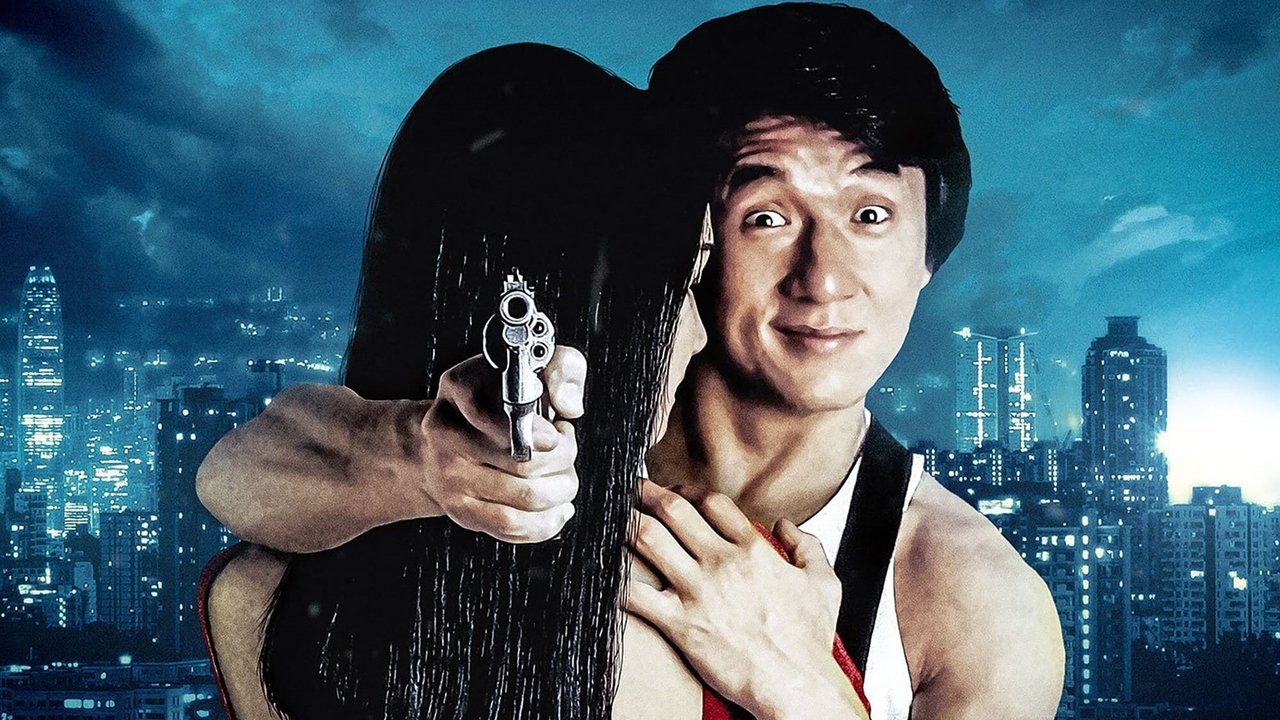
The genius of Chan's physical comedy is on full display. He's not just fighting; he's reacting, improvising, and making the environment part of the choreography in a way few others ever could. One retro fun fact: the film's budget was reportedly around HK$45 million, a decent sum for a Hong Kong production at the time, allowing for the scale of the cruise ship setting and the elaborate action set pieces. It definitely paid off at the box office, becoming a significant hit in Asia despite Chan's reservations.
### Chan vs. Capcom?
And then there's that scene. If you've seen City Hunter, you know exactly what I'm talking about. In a moment of pure, inspired insanity (or perhaps desperation for a pop culture hook), Chan finds himself battling Richard Norton's character inside an arcade cabinet, transforming them into characters from Capcom’s mega-hit Street Fighter II. Jackie becomes E. Honda, then hilariously cycles through other fighters like Guile and Dhalsim (complete with elongated limbs!), while Norton embodies Ken. It's utterly bizarre, breaks the fourth wall into tiny pieces, and is arguably the most memorable sequence in the entire film. Was it faithful to the manga? Absolutely not. Was it peak 90s absurdity captured on film? You betcha. Chan supposedly hated this sequence, feeling it undermined his character and fighting style, but for audiences then (and now), it remains an iconic slice of videogame-movie crossover madness.
### A Flawed Gem on the Shelf
Look, City Hunter isn't high art. The humour hasn't aged perfectly (Ryo's constant womanizing is played way too broadly for modern tastes), the plot is nonsensical, and the tonal shifts can give you whiplash. Joey Wong feels a bit underutilized as the perpetually exasperated Kaori, though Kumiko Goto brings a certain charm as the naive runaway. But watching it again, especially thinking back to grabbing that clamshell case off the rental shelf, there's an undeniable charm. It’s a snapshot of a specific time in Hong Kong action-comedy filmmaking – loud, colourful, unapologetically silly, and punctuated by moments of breathtaking physical skill. It’s the kind of film where logic takes a backseat to spectacle and laughs.
VHS Heaven Rating: 7/10
Why this score? The sheer energy, Jackie Chan's incredible stunt work (even when he disagreed with the context), and the audacious absurdity (especially the Street Fighter scene) make it wildly entertaining. It loses points for the often juvenile humour, paper-thin plot, and inconsistent tone. But as a pure artifact of early 90s Hong Kong pop cinema found on VHS, it’s a blast.
Final Thought: City Hunter is like finding a neon-coloured sugar cereal you loved as a kid – maybe not the most sophisticated taste now, but popping that tape in still delivers a uniquely chaotic and strangely satisfying rush that modern movies rarely replicate. Essential viewing for Chan completists and fans of utterly unrestrained 90s action-comedy.