Alright, fellow tapeheads, let's rewind to a time when the concept of international action superstardom was still being hammered out, often awkwardly, on the gritty streets of cinematic New York. Flickering onto our screens tonight is a curious beast from 1985, a film that promised East-meets-West mayhem but delivered something... else entirely. Grab your tracking adjustment knob, because we're diving into James Glickenhaus's The Protector.

I distinctly remember the buzz around this one hitting the rental shelves. Jackie Chan, already a phenomenon in Hong Kong, was making another big push for the American market after the slight fizzle of Battle Creek Brawl (1980). The box art screamed action – Chan looking tough, explosions, maybe a hint of that Big Apple grime. You popped it in, expecting the usual balletic brilliance, the inventive prop work, the charming grin... and instead got something far more blunt, more American 80s action standard. It was jarring, wasn't it?
### Mean Streets, Different Beat
The setup is pure 80s cop cliché, and I say that with affection. Jackie Chan plays Billy Wong, a New York cop whose partner gets iced during a robbery. Teamed up with the perpetually exasperated Danny Garoni, played with pitch-perfect gruffness by the legendary Danny Aiello, they soon find themselves busted down to crowd control after a bar brawl goes sideways (a scene Chan apparently quite disliked filming). But trouble finds them, naturally. When a wealthy businessman's daughter is kidnapped and whisked off to Hong Kong by a powerful drug lord (played with sinister smoothness by Roy Chiao), Billy and Danny head overseas, officially off-duty but very much on the warpath.
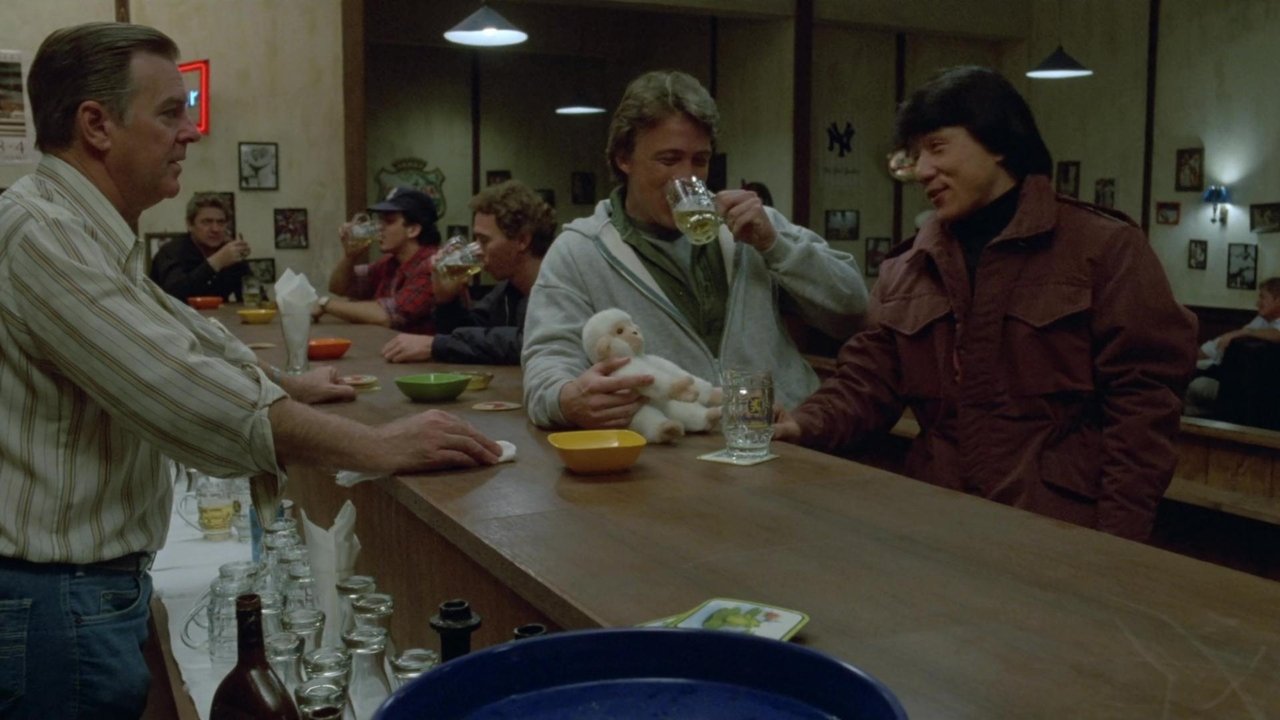
James Glickenhaus, who previously gave us the unforgettably grimy revenge flick The Exterminator (1980), brings that same raw, street-level sensibility here. Forget the intricate, almost dance-like choreography Chan was famous for. Glickenhaus wanted something harder, faster, more brutal. Think less Peking Opera, more back-alley brawl. This fundamental difference in approach became a major point of contention on set. One Retro Fun Fact that's absolutely crucial here: Jackie Chan was so dissatisfied with Glickenhaus's vision and the final US cut, particularly the edited action sequences that removed much of his trademark style, that he took matters into his own hands. He filmed additional scenes, re-choreographed fights, and re-edited the entire film for its Hong Kong release, restoring subplots and injecting more of his signature humour and stunt work. Finding that version back in the day was like discovering a hidden level on a video game!
### When Practical Punches Landed Harder
So, what about the action in the version most of us rented from Blockbuster? It’s undeniably Glickenhaus. There's a speedboat chase that feels genuinely dangerous, full of near misses and practical explosions that look like they could actually singe your eyebrows through the CRT screen. Remember how real those fireball effects looked before CGI polished everything to a smooth, often weightless, sheen? That’s the vibe here. The warehouse finale, too, while lacking Chan's usual elaborate invention, has a certain relentless, bone-crunching energy. Stunt performers are clearly taking real falls, crashing through real objects. It’s visceral, grounded, and feels very much of its time.
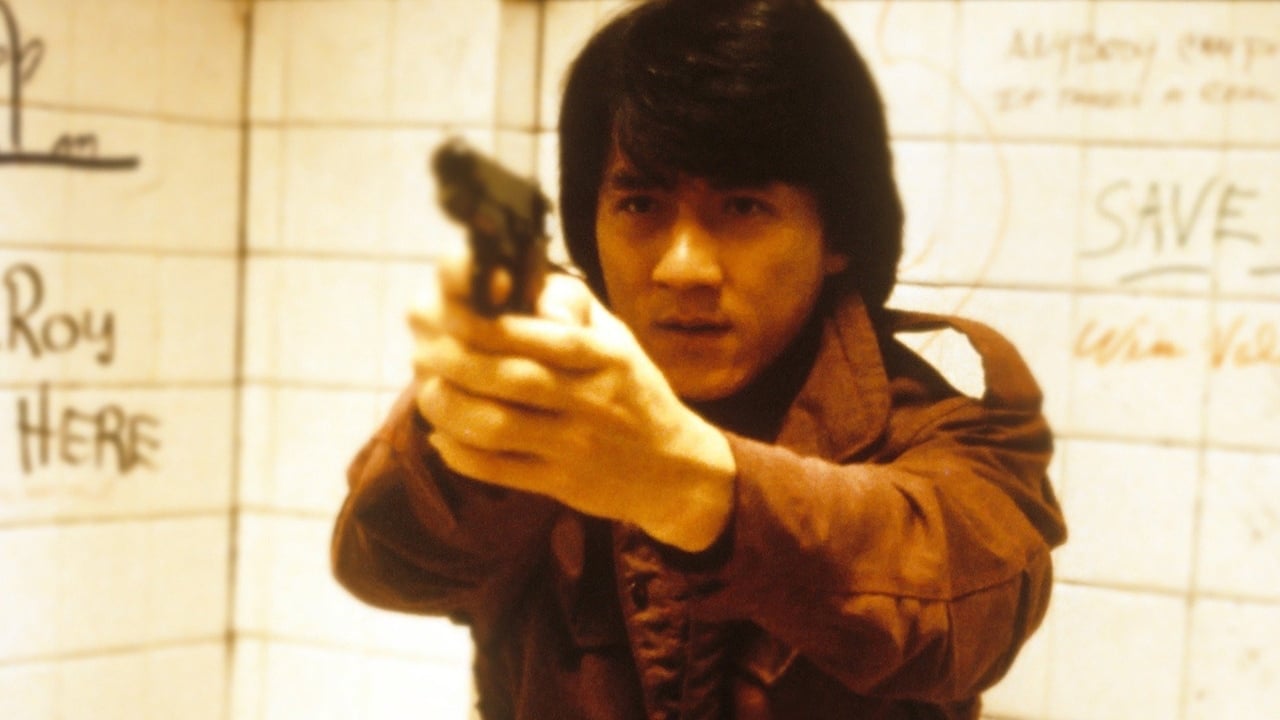
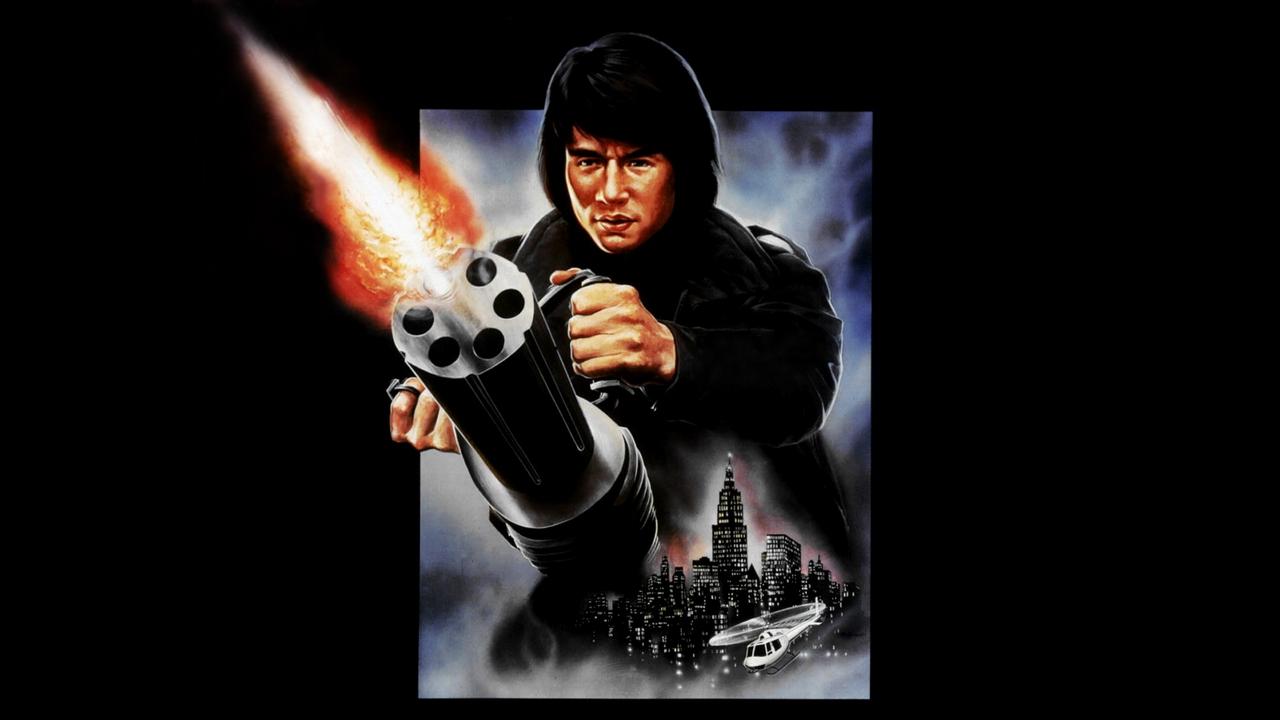
But watching Chan operate within this framework feels... constrained. He’s forced into more direct, less acrobatic confrontations. There are fewer environmental interactions, less of the cheeky improvisation that made his Hong Kong films so electrifying. He still performs incredible feats, don't get me wrong – the man is incapable of not being physically impressive – but the context feels off. It’s like watching a master painter being asked to only use primary colours.
### An Odd Couple and a Culture Clash
The partnership between Chan and Danny Aiello provides some classic odd-couple friction. Aiello is fantastic, bringing his reliable world-weary charm and tough-guy energy. He feels like he walked straight out of a Sidney Lumet picture onto a Hong Kong set. Their banter works in fits and starts, hampered slightly by Chan’s still-developing English at the time and a script more focused on moving pieces than developing chemistry. The supporting cast does its job, hitting familiar archetypes of the era, but it's the central mismatch – not just Aiello and Chan, but Chan and the Glickenhaus style – that defines the film.
Filmed on location in both New York and Hong Kong, the movie captures that distinct 80s aesthetic – the neon glow, the slightly dangerous feel of the city streets, the bustling energy of the Hong Kong docks. It reportedly cost around $10 million, a decent sum for the time, but didn't make a huge splash at the US box office, perhaps reflecting audiences' confusion about what kind of Jackie Chan movie they were actually getting. Critics were generally unkind, and it remains one of the more divisive entries in Chan’s extensive filmography.
### Final Rewind
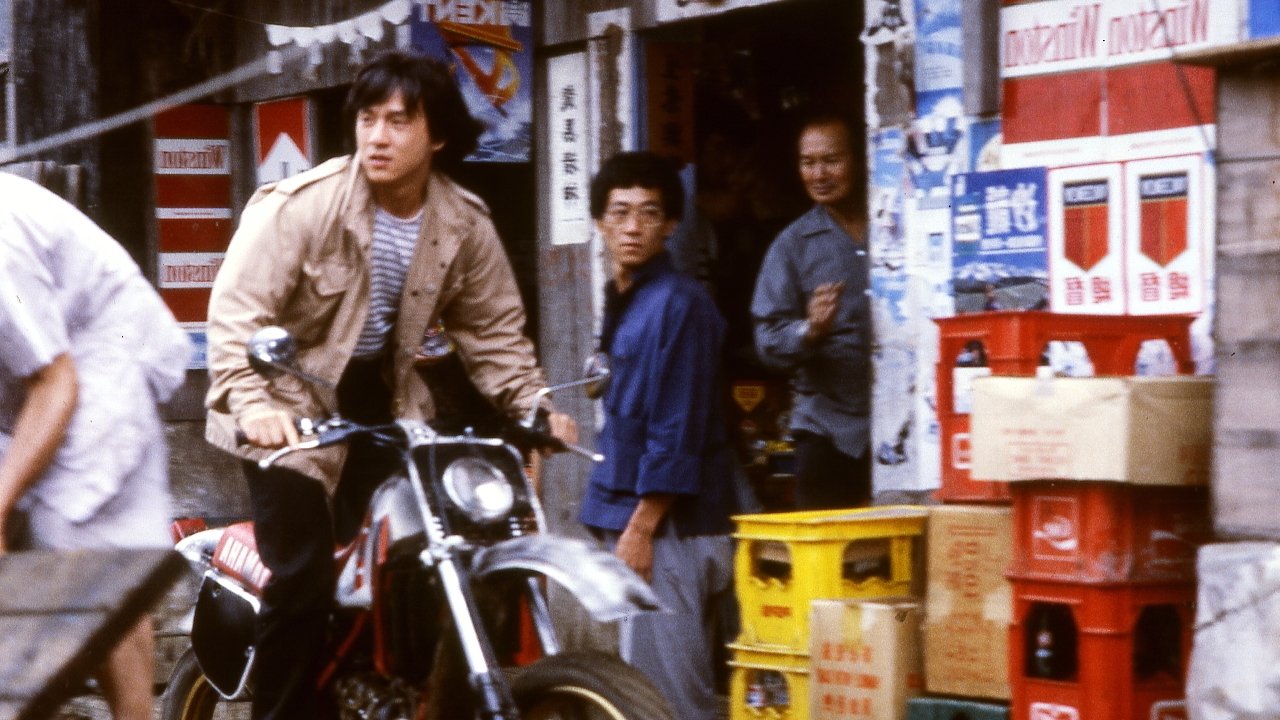
The Protector is a fascinating time capsule. It’s a snapshot of Hollywood trying, and arguably fumbling, the integration of a unique international talent into its established action formula. While Glickenhaus delivers some effectively gritty, practical action sequences that fans of raw 80s thrillers might appreciate, the film fundamentally misunderstands what made Jackie Chan special. It sidelines his comedic genius and neuters his revolutionary approach to stunt work and choreography.
Rating: 5/10
The score reflects the film's status as a compelling, if flawed, curiosity. It boasts some genuinely punchy practical action typical of the era and a great Danny Aiello performance, but it ultimately feels like a missed opportunity, hampered by a clash of creative visions. It's worth seeing for Chan completists and lovers of rough-and-tumble 80s cop flicks, but go in knowing this isn't the Jackie Chan you might expect. It’s a potent reminder that sometimes, letting a unique talent shine on their own terms is the best protection against a forgettable film.