Okay, rewind your mind palace back to those glorious, slightly sticky shelves of the local video rental joint. Remember scanning past the mainstream hits, venturing into the "Action" or maybe even the slightly mysterious "Import" section? That's where gems like 1988's Tiger on the Beat lived – a movie that hits you with the force of a roundhouse kick followed immediately by a custard pie to the face. It’s pure, unadulterated Hong Kong cinematic chaos, and finding that tape felt like discovering a secret handshake into a world of wonderfully insane filmmaking.

This isn't your slick, polished Hollywood buddy cop flick. Oh no. This is raw, energetic, and swings wildly between goofy slapstick and eye-wateringly dangerous stunt work, often within the same scene. It’s a ride, folks, and one that feels quintessentially late-80s Hong Kong.
### The Unlikely Duo
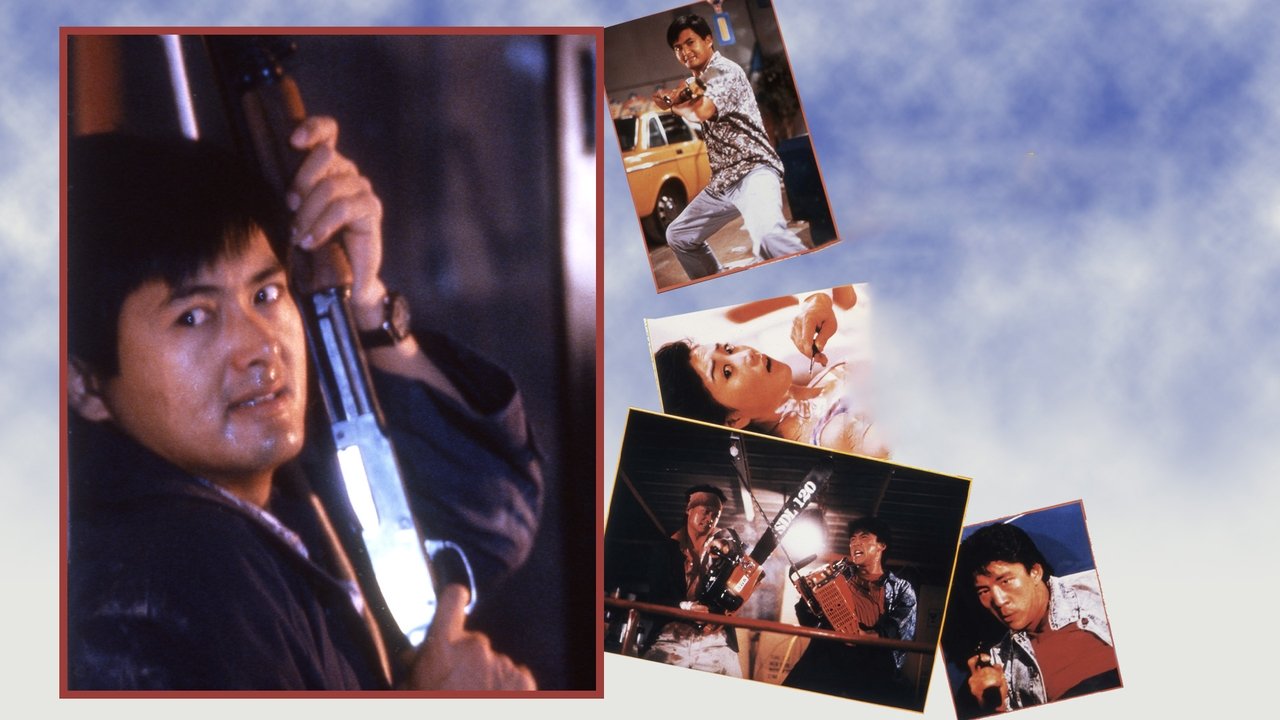
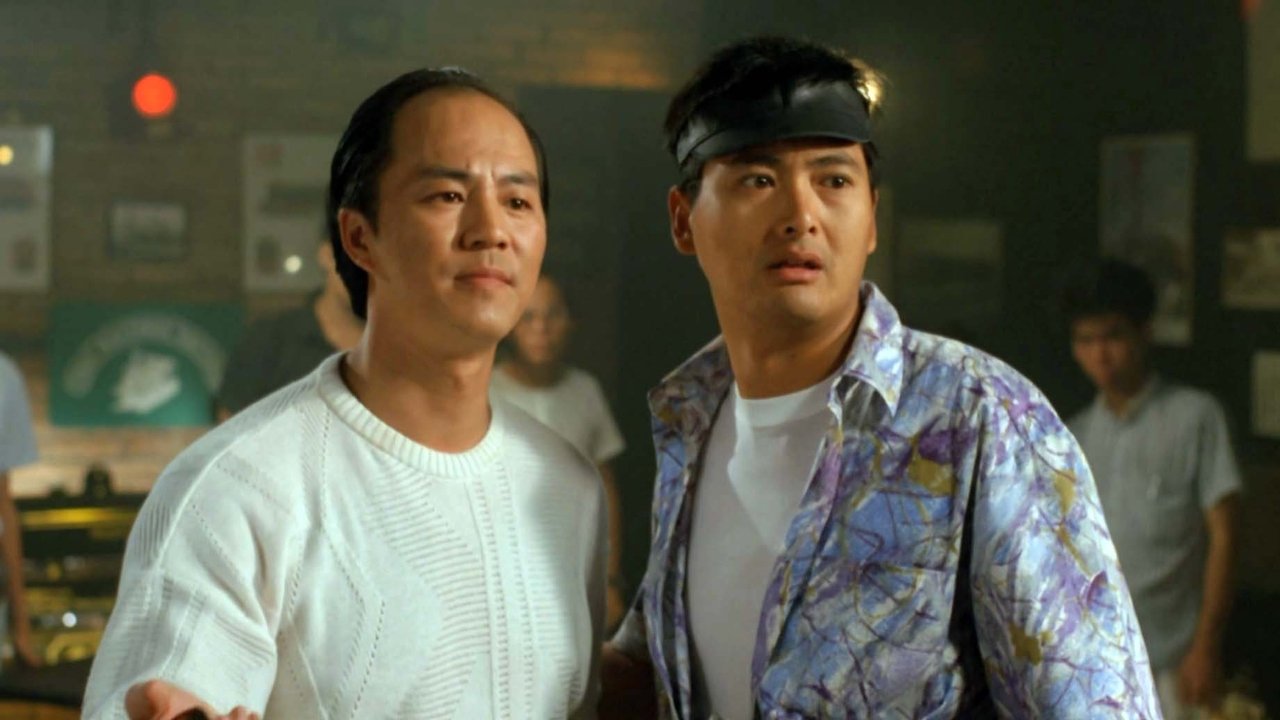
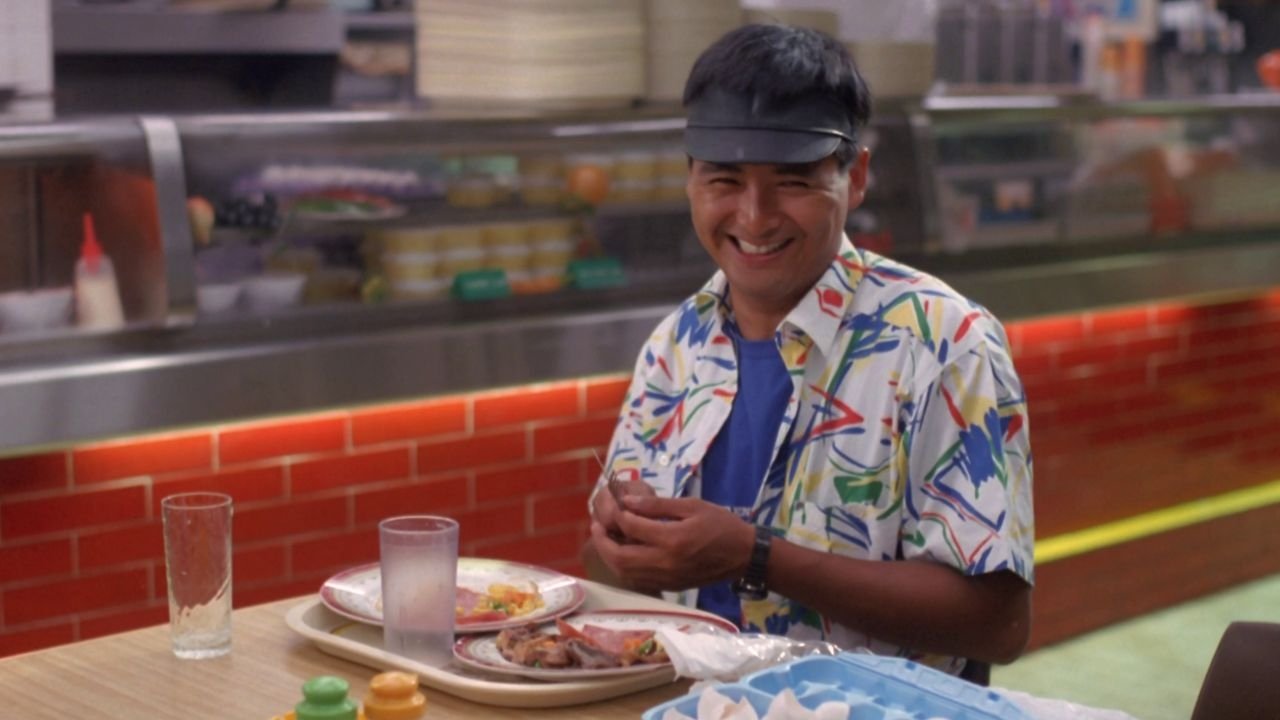
At the heart of the mayhem are two cops who couldn't be more different. We've got Francis Li, played by the impossibly charismatic Chow Yun-fat, fresh off redefining cool in John Woo’s heroic bloodshed masterpieces like A Better Tomorrow (1986). Here, though, Chow delightfully subverts his suave image, playing Li as a lazy, womanizing, corner-cutting veteran sergeant. He’s paired with Michael Tso, portrayed by the ridiculously muscular American-born martial artist Conan Lee. Lee’s character is the by-the-book, fitness-obsessed rookie, all bulging biceps and earnest intensity. Their clash – Chow’s street smarts vs. Lee’s brute force and naivety – fuels much of the comedy, and honestly, their chemistry is surprisingly effective amidst the escalating insanity. Seeing Chow Yun-fat, the epitome of Hong Kong cool, engage in pratfalls and skirt-chasing feels almost like a fun inside joke for fans.
### Lau Kar-leung Unleashed
Directing this glorious mess is none other than the legendary Lau Kar-leung. Now, if you know your martial arts cinema history, you know Lau Sifu from his groundbreaking work at Shaw Brothers studios, choreographing and directing intricate, traditional kung fu classics like The 36th Chamber of Shaolin (1978). Seeing his name attached to Tiger on the Beat might seem odd at first, given its modern setting and frantic energy. But look closer, and you see his fingerprints. While ditching the elaborate forms of his earlier work, Lau brings a kinetic energy and bone-crunching impact to the action. The fights aren't just gunplay; they incorporate intricate choreography and painful-looking falls. A fascinating tidbit is how Lau Kar-leung was adapting his traditional skills to the faster, more stunt-heavy demands of late 80s Hong Kong action, competing with a new generation of action directors. This film is a prime example of that evolution.
### When Practical Effects Meant Actual Danger
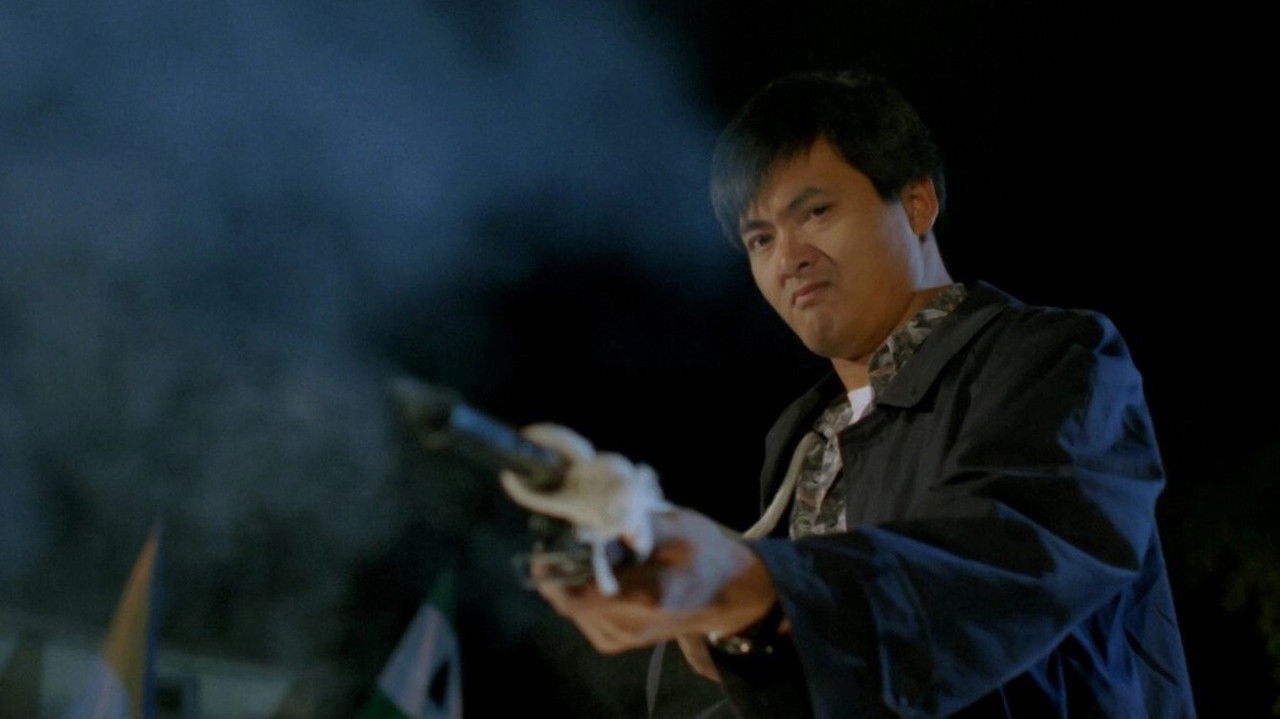
Let’s talk action, because that’s the pulsating core of Tiger on the Beat. Forget CGI safety nets. This film comes from an era where stunts felt real because, well, they largely were. Remember how visceral those bullet hits and shattering windows felt on your fuzzy CRT screen? That wasn't digital trickery; it was squibs, breakaway glass, and stunt performers earning their paychecks the hard way. There’s a rooftop chase that’s pure adrenaline, filled with leaps and falls that make you wince. The sheer physicality Conan Lee brings is incredible – the man moves with a power and agility that’s genuinely impressive.
And then there's that scene. (Minor Spoiler Alert for a specific sequence!) The infamous finale involving chainsaws. Look, modern action movies might have bigger explosions or more intricate digital destruction, but watching Conan Lee and his opponent duel with actual, roaring chainsaws – sparks flying, blades clashing mere inches from flesh – has a raw, terrifying intensity that CGI simply cannot replicate. Rumours have always swirled about the genuine danger on set during this sequence, and frankly, watching it, you believe them. It's the kind of stunt work that makes you simultaneously cheer and gasp, wondering how nobody lost a limb. It's filmmaking without a safety net, thrilling and slightly terrifying to behold today.
### Comedy, Violence, and Whiplash
Now, it wouldn't be an honest VHS Heaven review without acknowledging the film's... unique tonal balance. Co-written by the notoriously prolific Wong Jing, known for his often low-brow but commercially successful blend of genres, Tiger on the Beat can give you whiplash. One minute you're chuckling at Chow Yun-fat's lecherous antics or some broad physical comedy (often involving the lovely Nina Li Chi as the damsel-in-distress figure), the next you're witnessing surprisingly brutal violence or those aforementioned dangerous stunts. It’s a mix that might feel jarring to modern audiences, but it was a common flavour in Hong Kong cinema at the time – catering to diverse audience tastes within a single film. Does it always work? Maybe not perfectly, but it certainly keeps you on your toes.
The film was a solid hit in Hong Kong, tapping into the buddy cop craze while delivering the high-octane action local audiences craved. It even spawned a sequel, Tiger on the Beat 2, though arguably without the same chaotic charm. It cemented Conan Lee briefly as an action name to watch and gave Chow Yun-fat another chance to show his versatility.
Rating: 7.5 / 10
Justification: Tiger on the Beat earns its score through sheer audacity and energy. The action choreography and practical stunt work (especially that chainsaw sequence) are legitimately thrilling and representative of the era's high-impact style. Chow Yun-fat and Conan Lee make for an entertaining odd couple, and Lau Kar-leung's direction ensures the action hits hard. It loses points for the sometimes jarring tonal shifts and broad, dated comedy that hasn't aged as well as the action. However, its raw energy and memorable set pieces make it a standout piece of 80s Hong Kong action cinema.
Final Thought: Tiger on the Beat is like finding a bootleg cassette of your favourite punk band – it's loud, messy, occasionally questionable, but undeniably alive and kicking with a raw energy that polished modern blockbusters often lack. Fire up the VCR (or your preferred modern equivalent) for a dose of glorious, chainsaw-wielding 80s chaos.