Here we go, digging into another tape that always felt heavier than its plastic shell suggested. Some films just land differently when you pull them off the rental shelf, promising perhaps a familiar face or genre, only to deliver something far more unsettling and profound. Such is the case with 1993’s This Boy's Life. It’s a film that sits with you, long after the VCR has clicked off, leaving behind the phantom hum of unspoken tensions.
### Beneath the Surface of Somewhere, USA
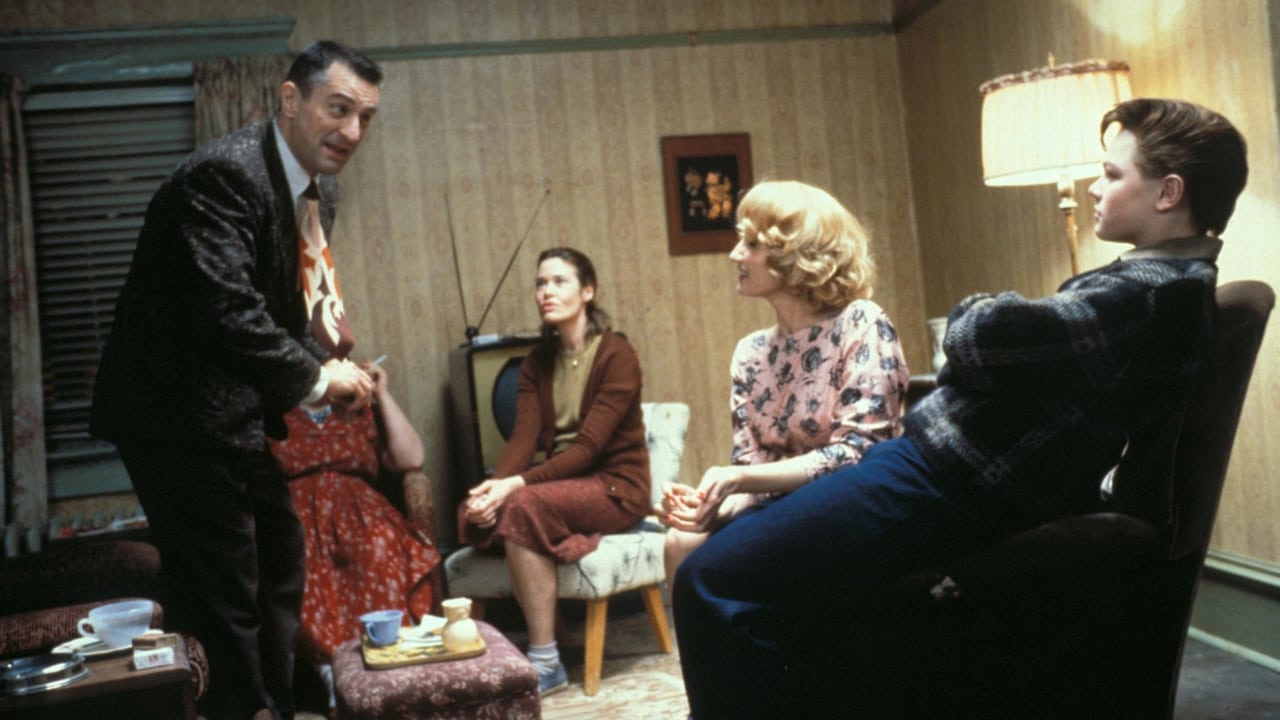
Based on the starkly honest memoir by Tobias Wolff, the film plunges us into the seemingly hopeful, restless landscape of late 1950s America. We follow young Toby (Leonardo DiCaprio) and his mother, Caroline (Ellen Barkin), perpetually chasing a fresh start, a stable life that always seems just over the horizon. Their arrival in Concrete, Washington, and Caroline’s subsequent marriage to Dwight Hansen (Robert De Niro), feels initially like the anchor they’ve been searching for. But beneath the surface of small-town pleasantries and Dwight's forced bonhomie, a suffocating darkness begins to gather. Director Michael Caton-Jones (Scandal (1989), Rob Roy (1995)) masterfully crafts an atmosphere where the wide-open spaces feel paradoxically claustrophobic, mirroring the emotional prison closing in on Toby.
### An Unflinching Duel of Wills

At its heart, This Boy's Life is a brutal, intimate study of a power struggle between stepfather and stepson. This isn't the stuff of heartwarming family drama; it's raw, uncomfortable, and deeply affecting, largely thanks to the powerhouse performances at its core. Seeing a very young Leonardo DiCaprio here is startling. Fresh off TV's Growing Pains, he delivers a performance of astonishing vulnerability and simmering defiance. This wasn't just a promising young actor; this was a revelation. He embodies Toby's yearning for identity, his desperate attempts to carve out space for himself under the oppressive weight of Dwight's control. You feel every frustration, every small act of rebellion, every moment of fear. It’s a performance layered with the confusing, often contradictory, emotions of adolescence trapped in an impossible situation. It’s fascinating to know that Tobey Maguire was also a finalist for the role, and the two forged a lifelong friendship during the audition process – a small moment of connection behind the scenes of such a tense story.
Opposite him, Robert De Niro gives one of his most chillingly effective performances. As Dwight, he eschews the explosive gangster theatrics many associated him with after films like Goodfellas (1990). Instead, he crafts a portrait of petty tyranny fueled by deep-seated insecurity. Dwight isn’t a cartoon villain; he’s terrifyingly real – the kind of man who uses rules, humiliation, and passive aggression as weapons. De Niro captures the man’s desperate need for respect, his fragile masculinity, and the insidious way he chips away at Toby's spirit. There's a quiet menace in his gaze, a tension in his posture that speaks volumes. Reports from the set suggest De Niro maintained a certain level of intensity, not out of malice, but to authentically fuel DiCaprio's reactions, creating an undeniable, uncomfortable chemistry that crackles on screen.
Ellen Barkin, too, is exceptional as Caroline. She portrays a woman blinded by the desire for stability, making choices born of desperation that inadvertently trap her and her son. Barkin navigates Caroline’s complexities with grace, showing her love for Toby warring with her fear and her flawed hope that Dwight might somehow be the answer. Her performance adds another layer of tragedy to the unfolding drama.


### Crafting Authenticity from Pain
The film's power lies in its refusal to look away from the ugliness of the situation. Adapted by Robert Getchell (who penned the equally resonant Alice Doesn't Live Here Anymore (1974)), the screenplay honours the source material's unflinching honesty. Filming primarily on location in the actual town of Concrete, Washington, adds a layer of gritty realism, grounding the emotional turmoil in a tangible place. Even small details, like the meticulous care Dwight takes with his car contrasted with the simmering chaos of his home life, speak volumes about his character's misplaced priorities and control issues.
It’s a film that didn’t exactly set the box office alight upon release – earning just over $4 million domestically against a budget likely north of $20 million (that's roughly $8.8 million in today's money – a definite disappointment). Yet, like so many powerful dramas of the era, it found its true audience on home video. I remember renting this tape, perhaps drawn by De Niro's name, and being absolutely floored by its emotional weight. It wasn't an "easy" watch on the old CRT, demanding attention and empathy in a way few films did. It’s a testament to the power of performance and unflinching storytelling that it resonated so deeply, even without blockbuster returns. The author, Tobias Wolff himself, visited the set, lending a poignant sense of authenticity to the proceedings – watching his own painful memories be recreated.
### The Weight of Memory
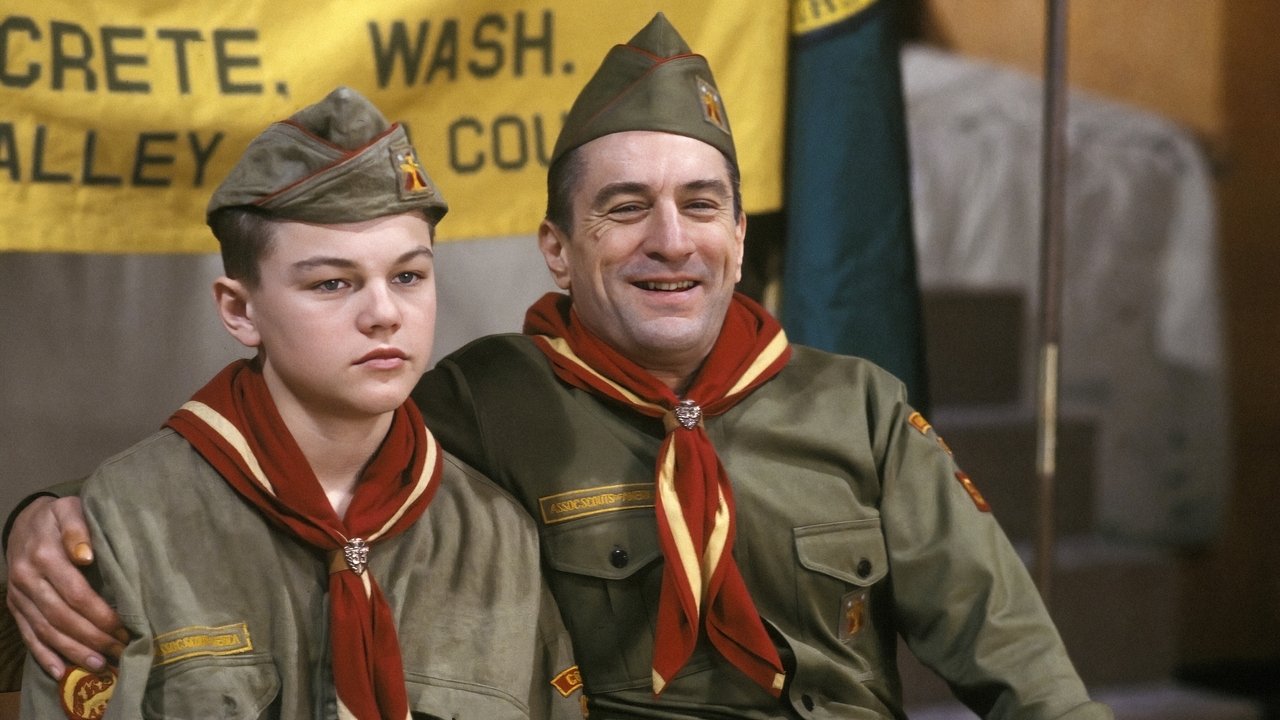
What lingers most after watching This Boy’s Life? It’s the authenticity of the struggle, the rawness of the emotions laid bare. It explores difficult questions about abuse, resilience, the search for male role models, and the desperate measures people take to escape or belong. How does one maintain a sense of self when constantly being belittled and controlled? Doesn't the film serve as a stark reminder of the hidden struggles that can exist behind seemingly ordinary facades, even decades later? It avoids easy sentimentality, offering no simple resolutions, reflecting the often messy and painful realities of growing up.
Rating: 9/10
This score reflects the film's exceptional, career-defining performance from a young DiCaprio, a terrifyingly nuanced turn from De Niro, and its brave, unflinching portrayal of a difficult coming-of-age experience. Its power hasn't diminished; if anything, its examination of toxic masculinity and the fight for self-worth feels more relevant than ever. This Boy's Life is a vital piece of 90s drama, a film that earns its emotional weight and stays with you, a permanent resident in the back aisles of memory, much like those well-worn VHS tapes themselves.