Okay, let's dim the lights, maybe crack open a slightly dusty can of something fizzy, and settle in. Tonight, we're not reaching for the explosive blockbusters or the creature features that usually dominate the shelves here at VHS Heaven. Instead, we're pulling out something quieter, something that nestles under the skin and lingers long after the tape hiss fades: Agnès Varda’s delicate and deeply unsettling 1988 film, Kung-Fu Master!. The exclamation point in the title feels almost like a deliberate misdirection, doesn't it? A playful feint before the film reveals its true, complex heart.
A Fragile Connection
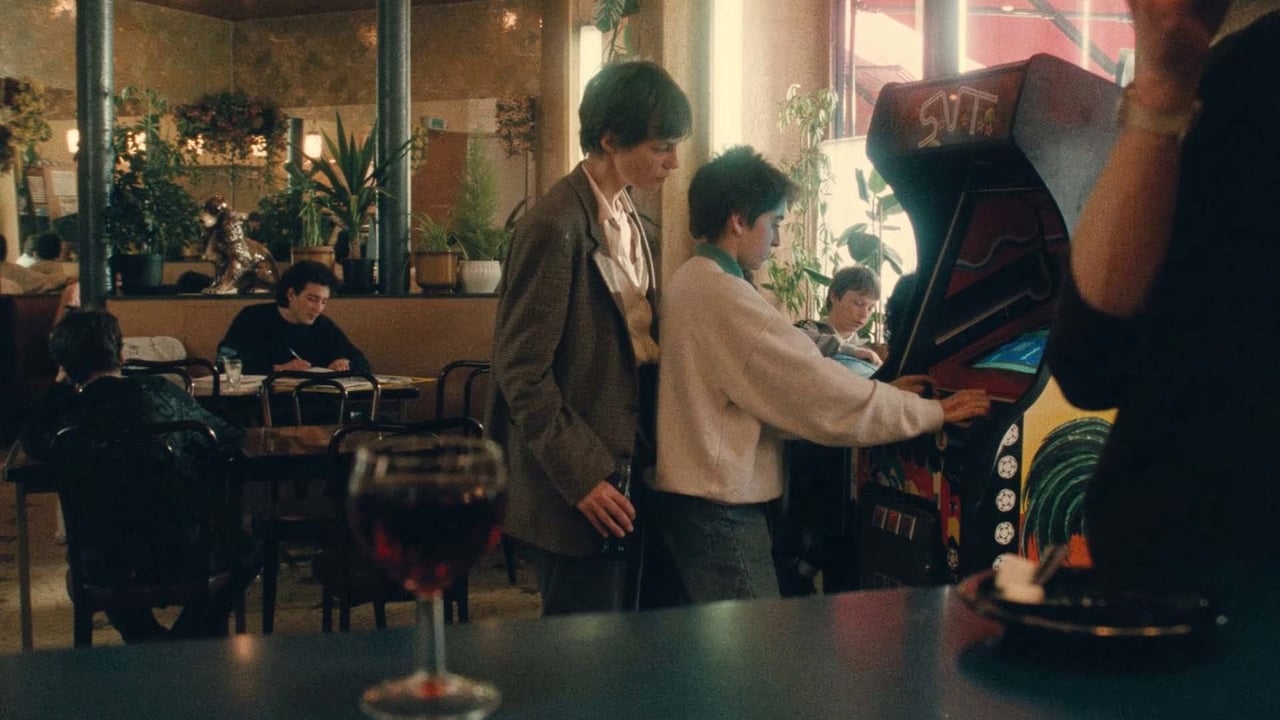
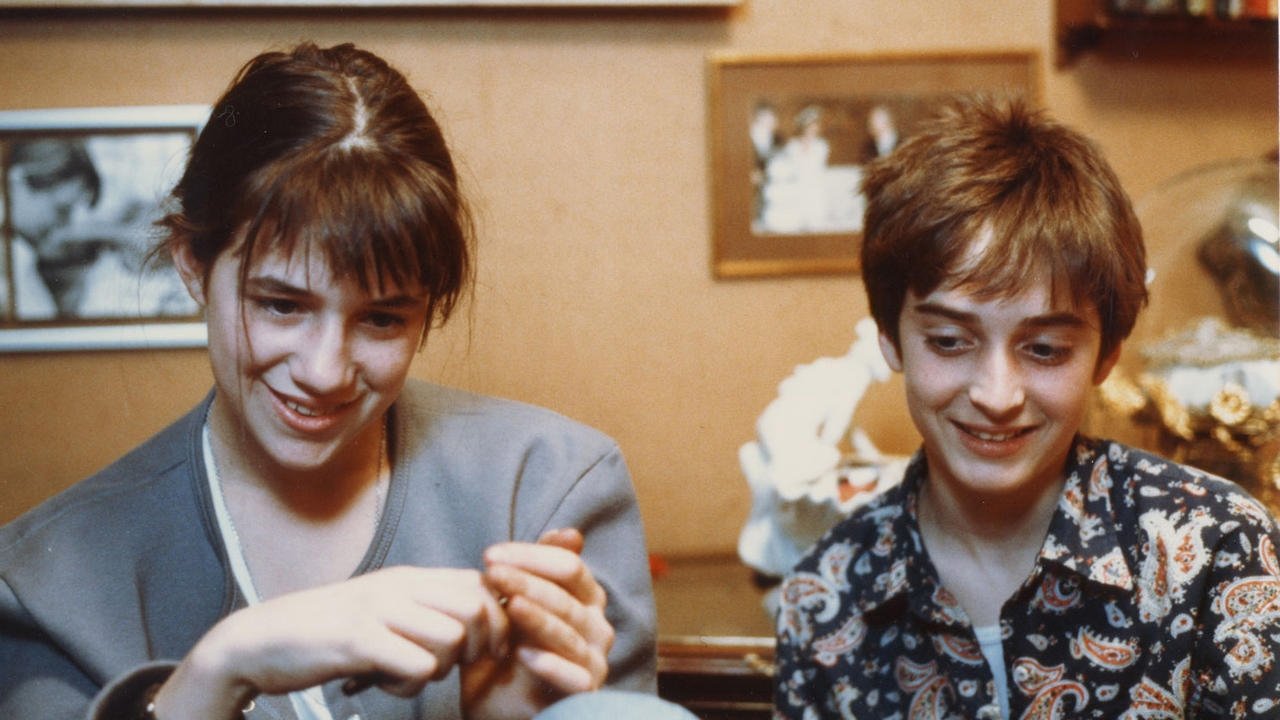
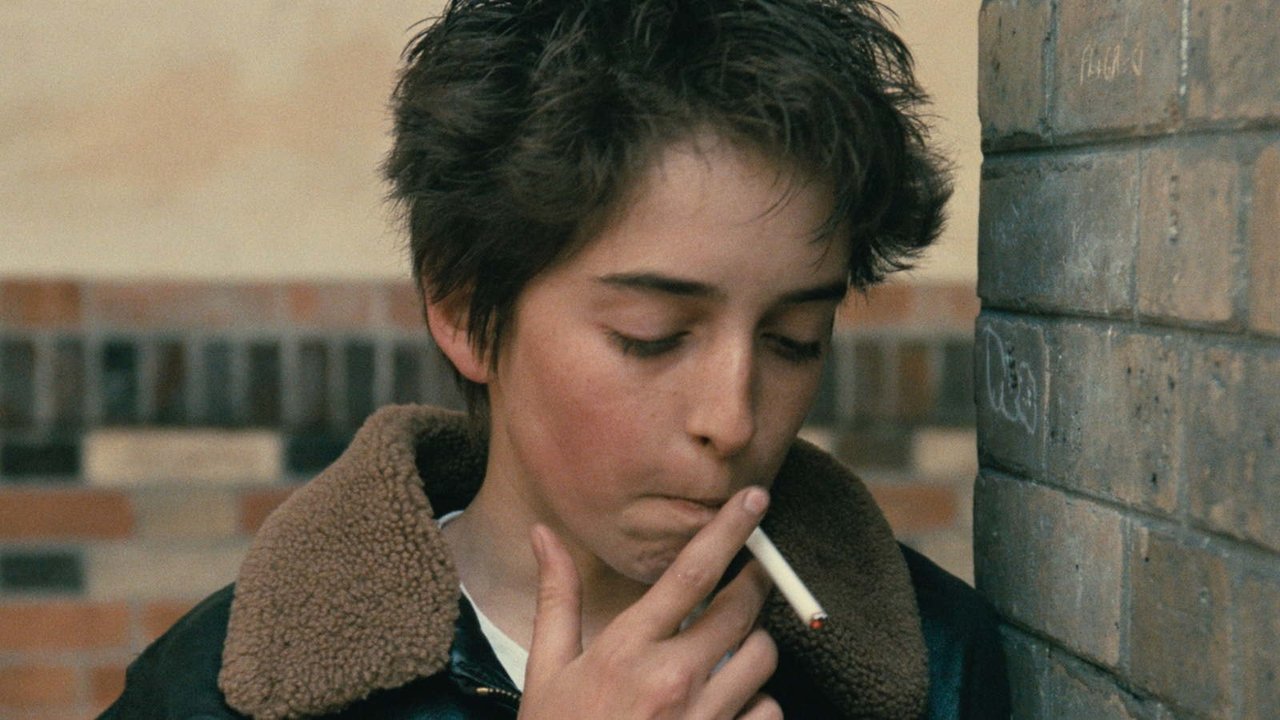
Forget high kicks and finishing moves. The 'mastery' here isn't of martial arts, but perhaps of navigating the treacherous, often unmarked territory of human connection. The film introduces us to Mary-Jane (Jane Birkin), a woman adrift in early middle age, and Julien (Mathieu Demy), a 14-year-old boy consumed by the pixelated battles of the titular arcade game. They meet through Julien’s friend, Lucy (Charlotte Gainsbourg, Birkin’s real-life daughter), and a tentative, ambiguous bond forms. It's a relationship built in quiet moments, shared glances, and halting conversations, set against the backdrop of late-80s Paris and London.
Varda, a giant of the French New Wave known for films like Cléo from 5 to 7 (1962) and later the profound documentary The Gleaners and I (2000), directs with an observational intimacy that is both tender and unnerving. There's no sensationalism here, no easy moralizing. She simply presents the burgeoning affection – part maternal, part confused longing, part shared loneliness – and allows the inherent complexities and societal discomfort to hang heavy in the air. The atmosphere is one of hushed intimacy, occasionally punctuated by the electronic bleeps and bloops of the arcade cabinet, a sound that becomes strangely poignant in this context.
Life Imitating Art (or Vice Versa?)
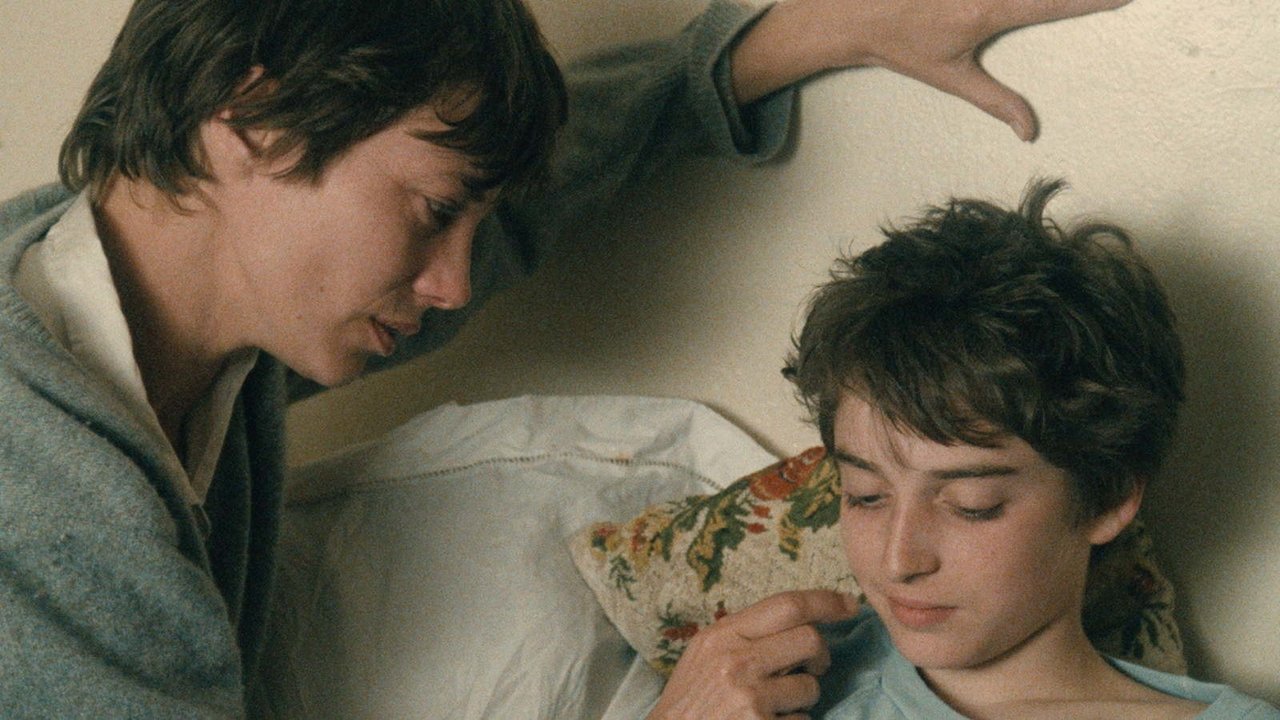
One cannot discuss Kung-Fu Master! without acknowledging the elephant in the room: the casting. Mathieu Demy is Agnès Varda’s own son. Charlotte Gainsbourg is Jane Birkin’s daughter. This meta-textual layer adds an almost unbearable tension and vulnerability to the proceedings. Knowing these real-life relationships exist just outside the frame forces us to confront the blurry line between performance and reality. Varda apparently conceived the idea after observing the interactions between Birkin and her son, fascinated by their rapport and Demy's obsession with the video game. This genesis, rooted in real observation, infuses the film with a raw, almost documentary-like quality, despite its fictional narrative.
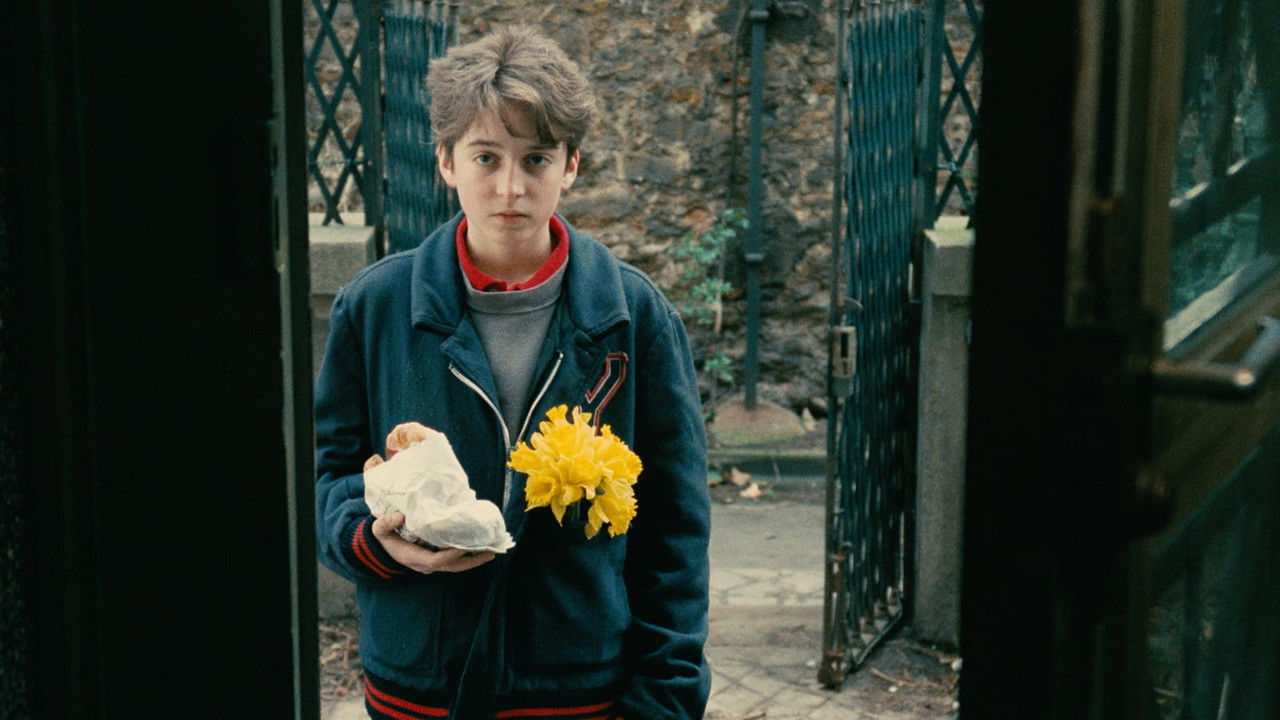
Birkin is extraordinary as Mary-Jane. Her performance is a masterclass in conveying internal conflict through subtle gestures and expressions. We see her loneliness, her desire for connection, and her dawning awareness of the inappropriate nature of her feelings, all warring within her. She imbues Mary-Jane with a fragility that evokes empathy even as we grapple with her choices. Demy, remarkably naturalistic, perfectly captures the awkwardness and self-absorption of adolescence. His obsession with the Kung Fu Master game serves as both a refuge and a defining characteristic, a world where rules are clear and mastery is achievable, unlike the confusing emotional landscape he navigates with Mary-Jane.
Beyond the Pixels
The arcade game itself functions as more than just a plot device. It’s a symbol of Julien’s world, a space where he feels competent and in control. It’s also a marker of the era – remember pumping coins into those machines, the unique sounds and glowing screens holding such sway? Here, though, it feels less like nostalgia and more like a barrier, highlighting the generational and experiential gulf between the two protagonists. Can Mary-Jane ever truly enter Julien’s world, or he hers? The film suggests not, leaving their connection suspended in a kind of liminal, ultimately unsustainable space.
Interestingly, Kung-Fu Master! was originally released as a companion piece to Jane B. par Agnès V. (1988), Varda's unconventional portrait of Jane Birkin. Seen together, the films offer a multifaceted look at Birkin the actress, the woman, and the muse, further blurring the lines between persona and person.
A Quiet Disturbance
This isn't a film that provides easy answers or comfortable resolutions. It deliberately steps into taboo territory, not to shock, but to explore the nuances of human emotion, loneliness, and the often-misunderstood nature of connection. What does it mean to feel an intense, unsanctioned affection? How does society police the boundaries of love and age? Varda doesn’t offer judgment, merely observation, forcing us, the viewers, to sit with the discomfort and examine our own assumptions. It’s a film that trusts its audience to navigate the ambiguity, a quality that feels increasingly rare.
***
Rating: 8/10
Justification: Kung-Fu Master! earns its high rating through Agnès Varda’s sensitive, non-judgmental direction, the brave and nuanced performances from Jane Birkin and Mathieu Demy, and its willingness to explore profoundly uncomfortable themes with quiet intelligence. The casting adds a fascinating, complex layer that elevates the film beyond a simple narrative. While its deliberate pacing and challenging subject matter might not appeal to everyone seeking straightforward entertainment, its artistic integrity and lingering emotional resonance make it a significant, thought-provoking piece of late-80s cinema. It’s a film that doesn’t shout, but whispers questions that echo long after the credits roll.
Final Thought: It's a strange kind of time capsule – not just of 80s arcades, but of a certain kind of brave, intimate filmmaking that dared to look into the quiet, complicated corners of the human heart, even when what it found there was unsettling.