Okay, let's dim the track lighting, maybe crack open a Tab if you've still got one stashed somewhere, and slide this tape into the VCR. Remember the slight clunk and whir? Tonight, we're revisiting a film that felt like a deliberate jolt back in the day, a stark contrast nestled amongst the brighter, often goofier fare lining the rental shelves: James Bridges' 1988 adaptation of Jay McInerney's iconic novel, Bright Lights, Big City.
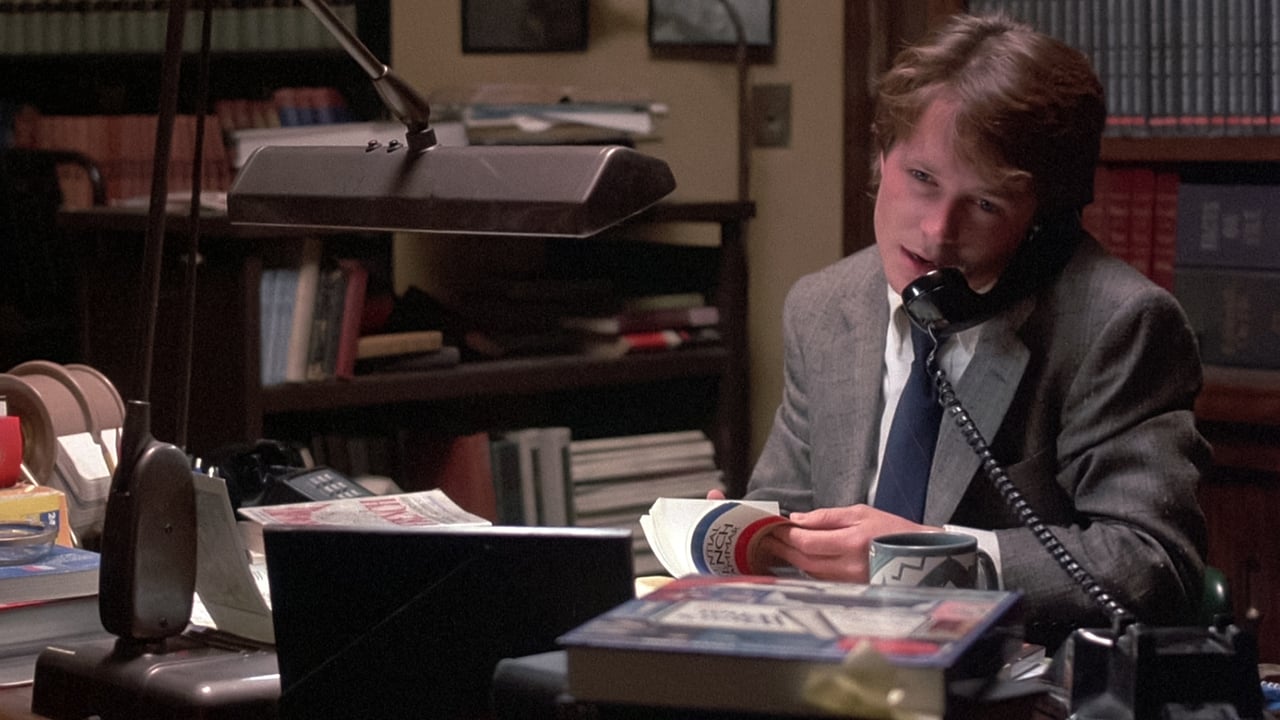
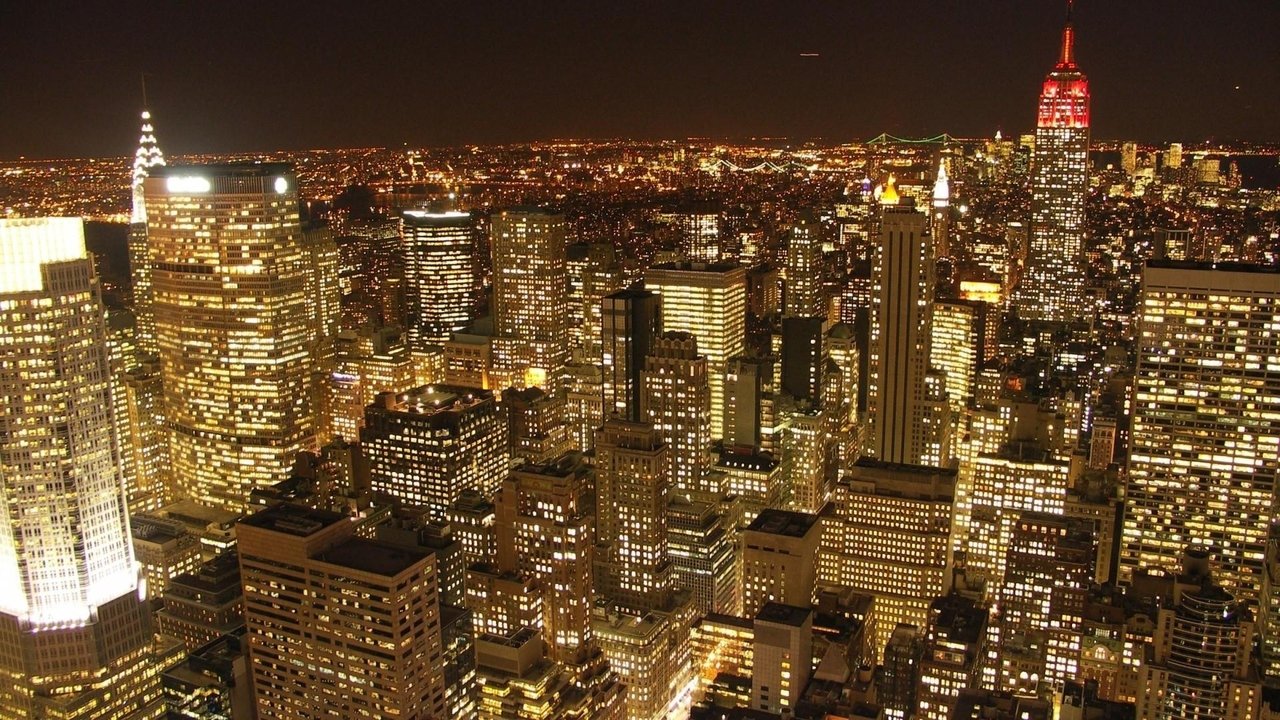
What strikes you first, perhaps even more now than then, is the immediate sense of disorientation. It's not just the flickering neon of late-80s New York City nightlife, captured with a certain weary glamour by legendary cinematographer Gordon Willis (the man who shot The Godfather trilogy and Annie Hall, bringing a surprising gravitas here). It's seeing Michael J. Fox, then arguably at the zenith of his amiable, boy-next-door fame from Family Ties and Back to the Future (1985), adrift in a sea of cocaine, regret, and existential dread. It felt like a statement, didn't it? A conscious effort to shatter a mold.
Into the Urban Labyrinth
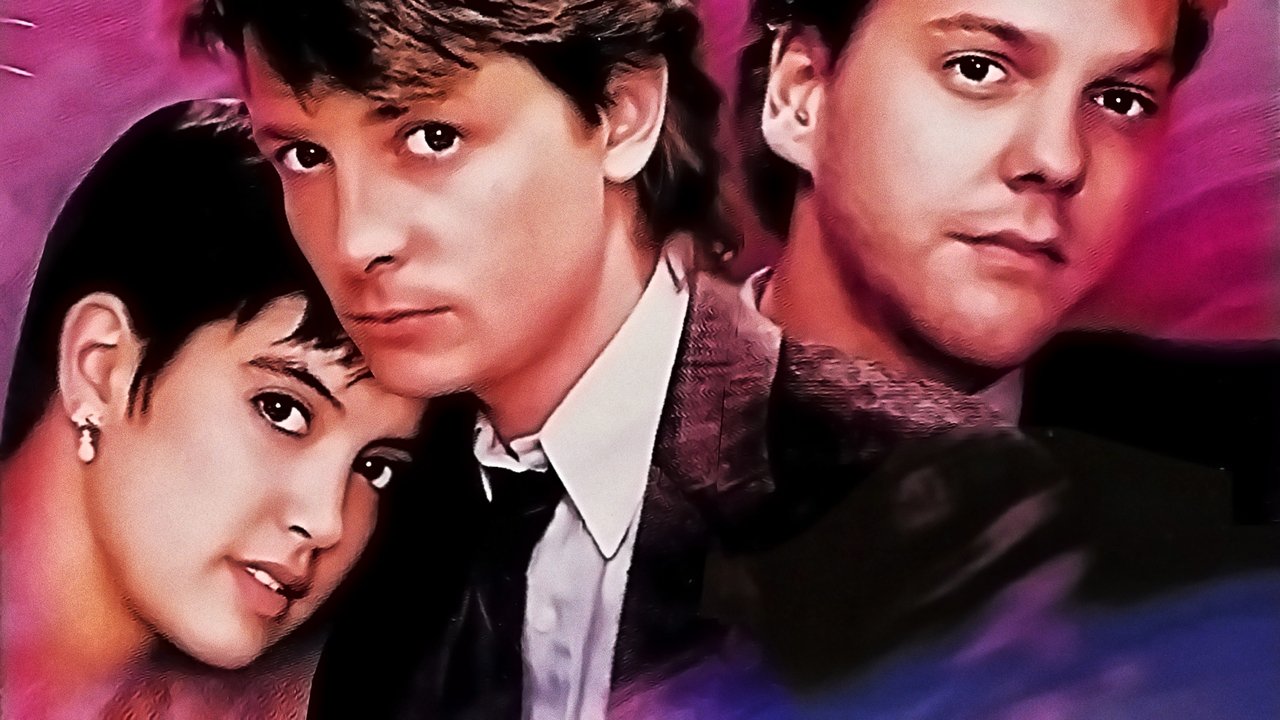
The story follows Jamie Conway (Fox), a fact-checker at a prestigious New York magazine (a thinly veiled stand-in for The New Yorker, where McInerney himself worked) whose life is rapidly unraveling. His model wife, Amanda (Phoebe Cates, bringing a fragile, haunted quality), has left him, his job is hanging by a thread due to his increasingly erratic behavior fueled by grief and Bolivian marching powder, and his nights are a blur of smoke-filled clubs alongside his enabler friend, Tad Allagash. Played with a reptilian charm by Kiefer Sutherland, fresh off The Lost Boys (1987), Tad is the charismatic devil on Jamie's shoulder, forever leading him towards the next line, the next fleeting distraction.
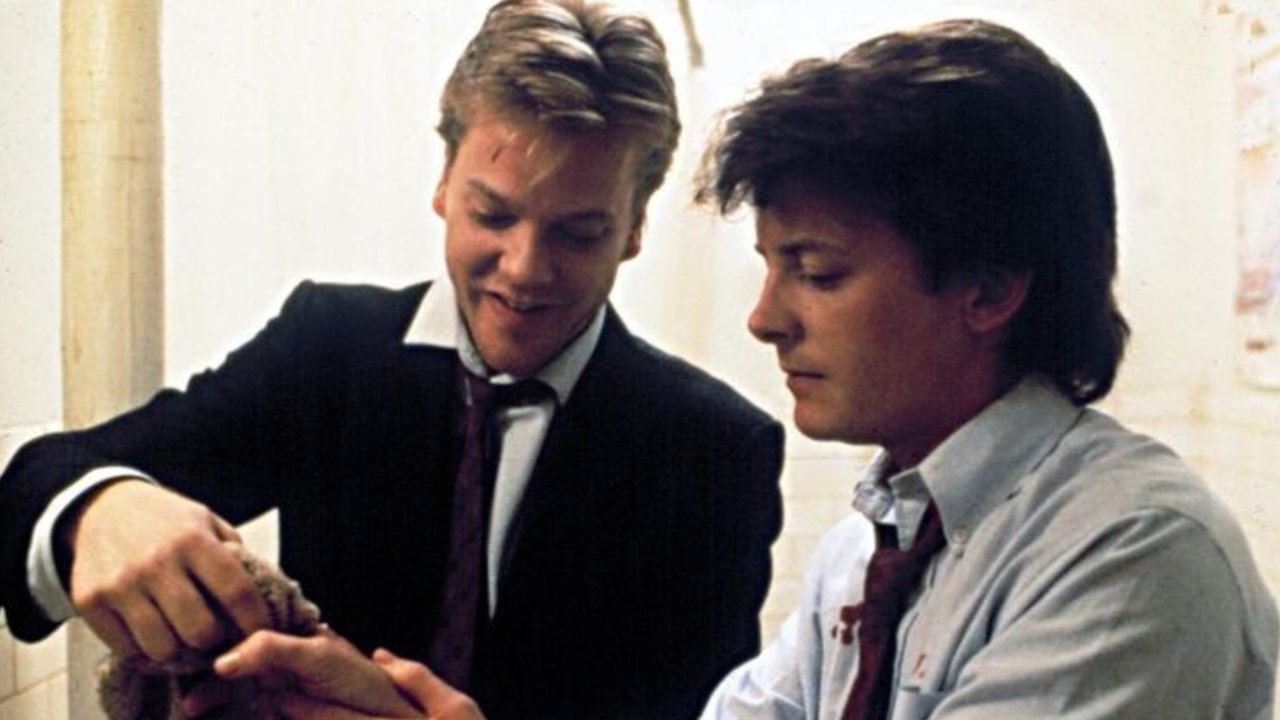
Adapting a beloved novel is always tricky, especially one like McInerney's, famed for its distinctive second-person narration ("You are not the kind of guy who would be at a place like this at this time of the morning..."). McInerney himself penned the screenplay, a move that can sometimes be fraught with peril – authors aren't always the best judges of what needs trimming for the screen. While the film loses that unique narrative voice, it attempts to compensate visually and through Fox's internalized performance, capturing the character's alienation and the dizzying highs followed by crushing lows. Retro Fun Fact: The journey to screen wasn't smooth. Originally, director Joyce Chopra was attached but was replaced by Bridges early in production, hinting at potential creative differences in translating the novel's specific tone. Furthermore, Tom Cruise was reportedly considered for Jamie Conway before Fox actively pursued the role, eager to tackle darker material after hits like The Secret of My Success (1987).
A Different Kind of Fox
And what of Michael J. Fox's performance? It remains the film's most debated element. There's a palpable sincerity in his portrayal of Jamie's pain and confusion. You see the desperation behind the buzzing energy, the hollow attempts at wit falling flat as his world collapses. He physically conveys the jittery exhaustion, the paranoia creeping in at the edges. It was a brave choice, a gamble that didn't entirely pay off commercially – the film struggled at the box office, pulling in about $16 million against a reported $25 million budget. Perhaps audiences weren't ready to see their Marty McFly so lost and self-destructive. Yet, watching it now, there's an undeniable commitment in his work. Does he fully shed his inherent likeability? Maybe not entirely, but the effort to explore the shadows is commendable and gives the film its melancholic core. He truly makes you feel the weight of Jamie's unspoken grief, particularly in the quiet scenes recalling his mother, played with heartbreaking grace by the wonderful Dianne Wiest.
Capturing an Era's Emptiness
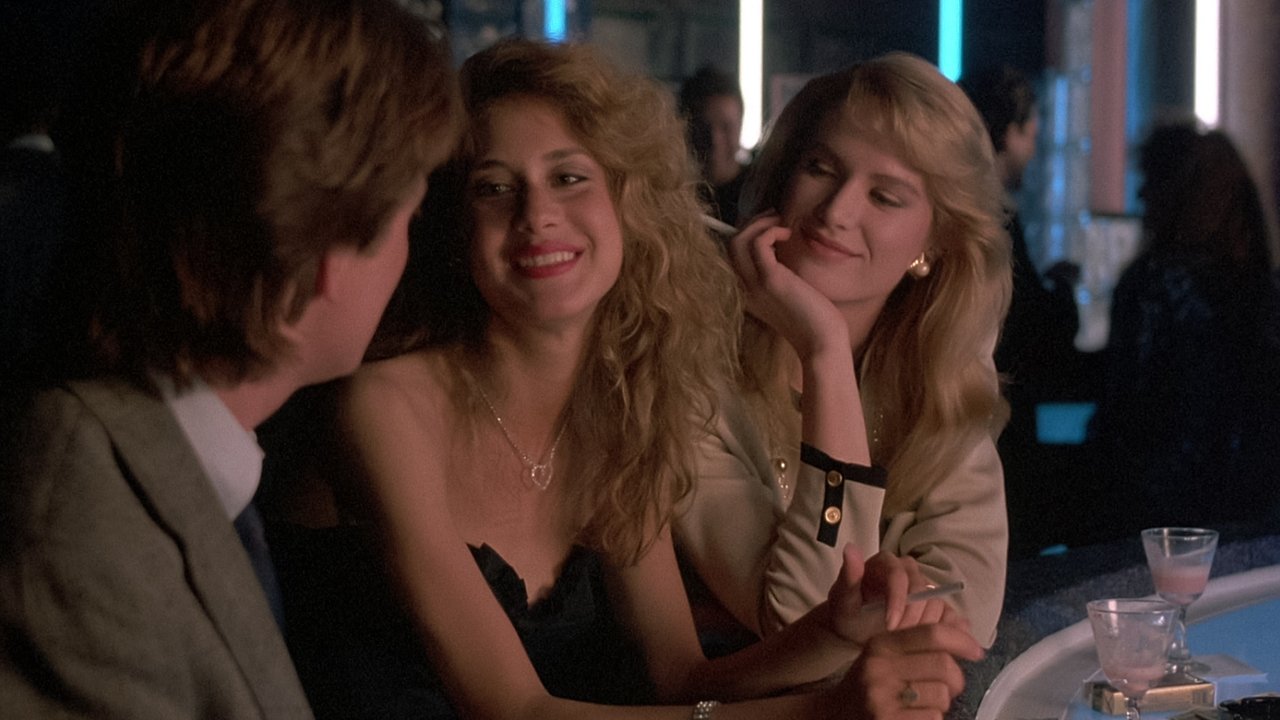
Beyond the performances, Bright Lights, Big City serves as a potent time capsule. Bridges captures the frantic energy of the NYC club scene, the fashion, the music – including a notable score by Donald Fagen of Steely Dan fame and Prince contributing the track "Good Love". But crucially, he doesn't shy away from the emptiness beneath the surface gloss. The endless search for the next high, the superficial conversations, the gnawing loneliness even when surrounded by people – it resonates with a particular late-80s fatigue, a sense that the party was starting to feel hollow. Retro Fun Fact: The filmmakers navigated the tricky terrain of depicting drug use somewhat realistically for a mainstream studio picture, managing an R rating from the MPAA without, perhaps, fully conveying the grimier depths explored in the novel. The famed Odeon restaurant, a real-life downtown hotspot featured in the book, also makes appearances, adding to the film's authentic sense of place.
The film asks uncomfortable questions, doesn't it? About how we cope with loss, the allure of self-destruction as an escape, and the daunting task of finding meaning when stripped of our anchors – career, love, family. Jamie's journey through the nocturnal underworld isn't just about substance abuse; it's a desperate flight from confronting his mother's death and his wife's departure. Can a person truly hit bottom and find their way back?
The Rewind Verdict
Bright Lights, Big City isn't a perfect film. It sometimes feels caught between the edgy source material and the demands of a star vehicle. The transition from page to screen smooths over some of the novel's sharper, more cynical edges. Yet, it remains a fascinating artifact of its time, anchored by Michael J. Fox's courageous step outside his comfort zone and a palpable sense of place and mood. It captures a specific kind of urban melancholy, the feeling of being simultaneously hyper-stimulated and utterly alone. I distinctly remember renting this on VHS, perhaps expecting something different, and being left with a lingering sense of unease and introspection. It wasn't the feel-good hit, but it stuck with you.
Rating: 6.5/10
Justification: The film earns points for its atmospheric portrayal of 80s NYC, Fox's brave against-type performance, Sutherland's effectively slimy turn, and its willingness to tackle darker themes. It loses points for struggling to fully capture the novel's unique voice and power, feeling occasionally uneven in tone, and perhaps not pushing its R-rating quite far enough to match the source's grit. It was a commercial disappointment ($16.1M US Box Office vs $25M budget), reflecting its somewhat awkward positioning.
Final Thought: What lingers most, perhaps, is that final image of Jamie walking towards the dawn, away from the intoxicating darkness and towards... something else. It’s not a triumphant arrival, but a tentative step, leaving us to ponder if the bright lights truly illuminate anything meaningful, or just blind us to the path ahead.