It hits you right away, doesn't it? That feeling of plummeting. The Basketball Diaries isn't a film you simply watch; it's one you experience, often uncomfortably. Back in '95, pulling this tape off the rental shelf felt different. It wasn't the usual blockbuster gloss or comforting genre fare. There was a rawness hinted at by the cover, a promise of something unflinching, and director Scott Kalvert delivered precisely that, dragging us into the harrowing spiral of Jim Carroll's teenage years on the grimy streets of New York City.

Dreams Drowning in the Gutter
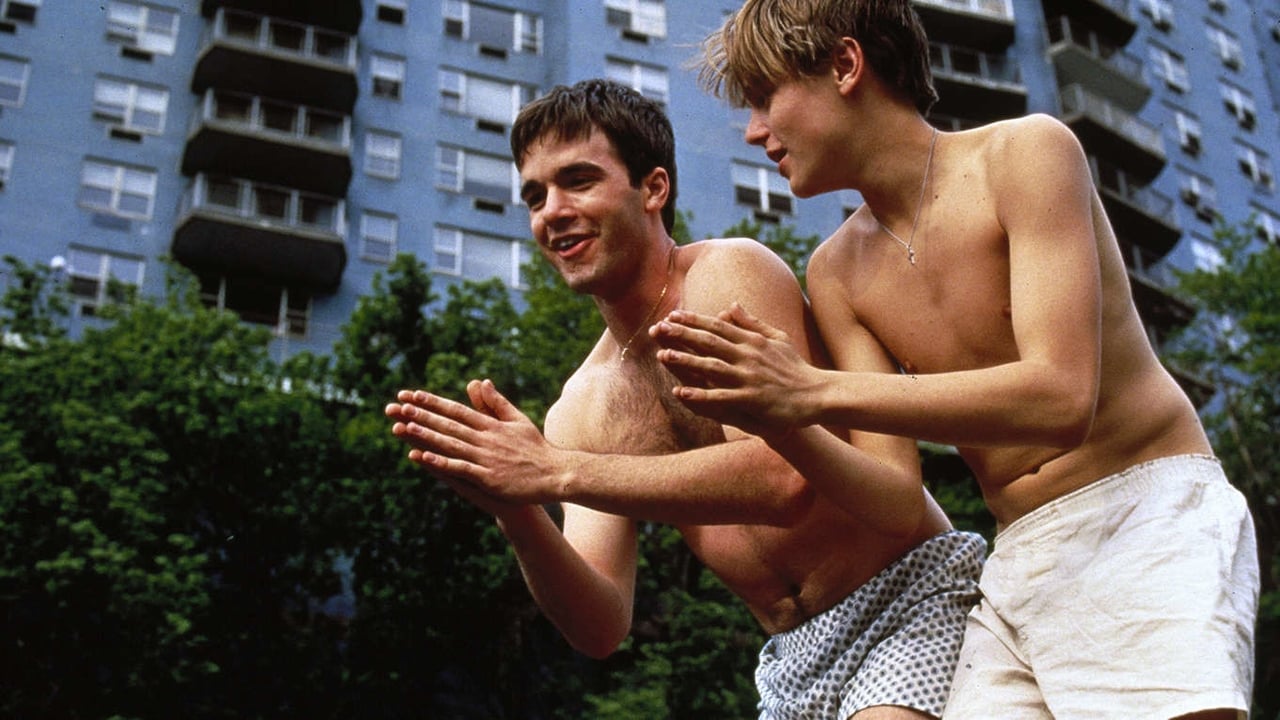
Based on the autobiographical writings of the late poet and musician Jim Carroll, the film follows his younger self, a promising Catholic high school basketball player and aspiring writer whose life takes a devastating detour into heroin addiction. We see the potential flicker – the sharp intelligence in his narration, the raw talent on the court. But the city, depicted here with a gritty, almost tactile realism, has other plans. It’s a landscape of casual cruelty, easy highs, and desperate lows, captured with a nervous energy that mirrors Jim’s own descent. The allure of escape, first through petty crime and rebellion with his friends Mickey (Mark Wahlberg in an early, intense role) and Neutron (Patrick McGaw), soon curdles into the all-consuming need for the needle.
The narrative doesn't shy away from the ugliness. There are scenes here that are genuinely hard to watch – the degradation, the sickness, the betrayals born of desperation. Kalvert, who came from a music video background (directing videos for artists like Marky Mark and the Funky Bunch, interestingly enough), sometimes leans into stylistic flourishes, particularly in the fantasy or drug-induced sequences. While occasionally effective, these moments can sometimes feel a little jarring against the otherwise cinéma vérité feel. Yet, the core story, adapted by Bryan Goluboff, retains the brutal honesty of Carroll's prose.

The Arrival of DiCaprio
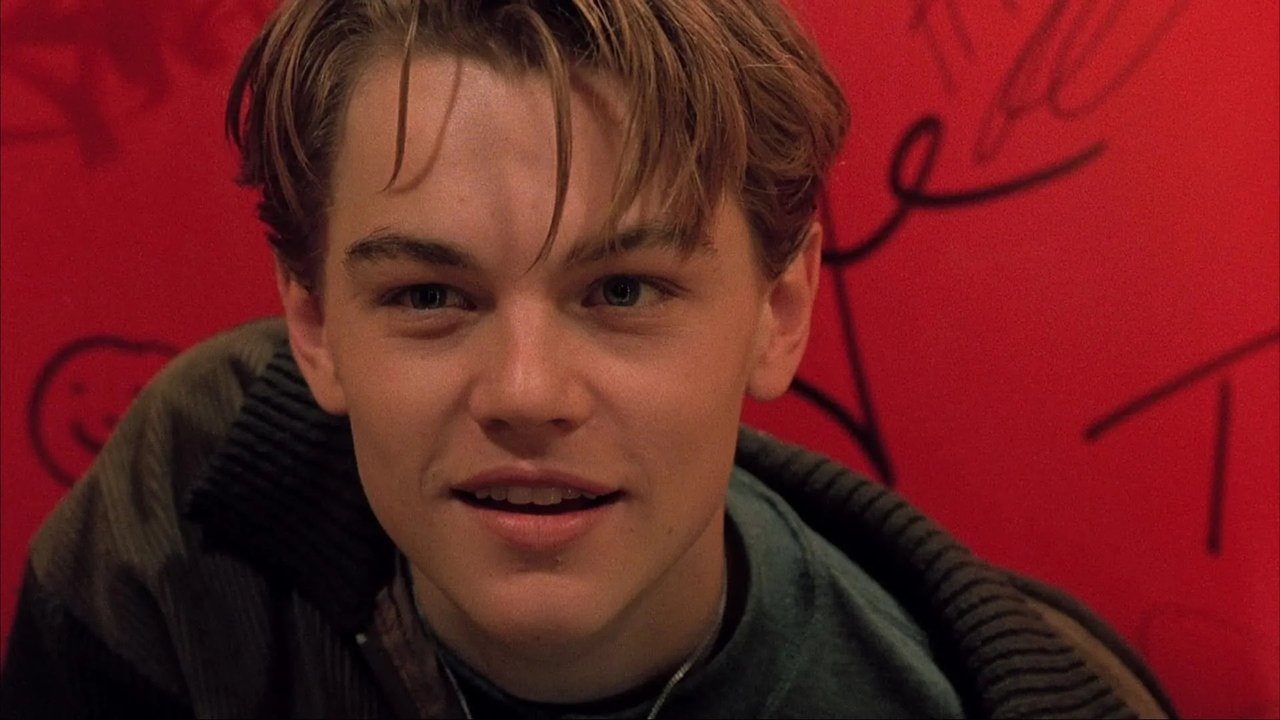
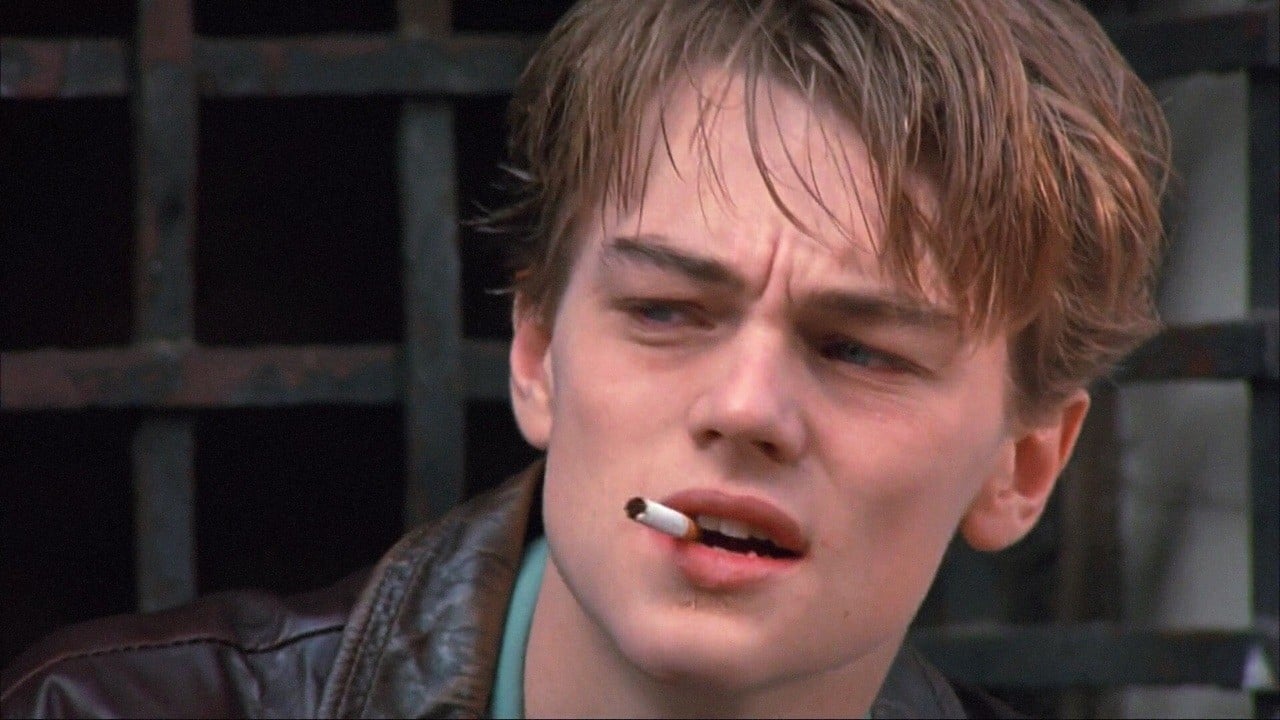
Let's be clear: the absolute anchor of The Basketball Diaries is Leonardo DiCaprio. Already a rising star after What's Eating Gilbert Grape (1993), this performance felt like something else entirely. It’s a fearless, vanity-free immersion into the abyss. He captures the initial swagger, the vulnerability beneath, and then, chillingly, the physical and spiritual decay of addiction. Watching him physically transform, embodying the shakes, the sweats, the desperate pleading, is astonishing. You believe his Jim Carroll. You feel the lost potential aching within him. It's not just mimicry; it's a deep dive into the character's fractured psyche. I recall reading that DiCaprio spent considerable time with Jim Carroll himself to prepare, soaking in the experiences that fueled the book. Carroll even makes a brief, knowing cameo in the film as an older junkie encountering Jim – a poignant, almost ghostly moment.
Supporting players hold their own. Lorraine Bracco, not long after her powerful turn in Goodfellas (1990), brings a weary strength to Jim’s struggling mother, her helplessness palpable. Mark Wahlberg delivers a raw energy as Mickey, radiating a volatile mix of loyalty and danger. These performances contribute significantly to the film's suffocating atmosphere.
Echoes and Reckonings
The Basketball Diaries wasn't a box office smash upon release; its roughly $2.5 million budget barely saw a return initially. It found its audience later, on VHS and cable, becoming a cult classic known for its intensity and DiCaprio's tour-de-force. It's a film that’s lived under a shadow, however. Tragically and unfairly, it was cited in connection with the 1999 Columbine High School massacre due to a dream sequence depicting a school shooting. This context is impossible to ignore, adding another layer of discomfort to an already challenging film, though it's crucial to remember the film depicts the troubled fantasy of a specific character, not an endorsement.
The film’s enduring power, I think, lies in its refusal to offer easy answers or sentimentalize addiction. It presents the fall with brutal clarity. It doesn’t flinch. Maybe that’s why it stuck with so many of us who rented it back then, expecting perhaps a cautionary tale, but getting something far more visceral and unsettling. It wasn't just a movie; it felt like a raw nerve exposed. Does it still resonate today? I believe so. The themes of lost youth, the seductive danger of escapism, and the desperate search for identity in unforgiving environments feel timeless, even if the specific 90s grunge aesthetic firmly roots it in its era.
***
Rating: 8/10
This score reflects the film's undeniable power, driven primarily by Leonardo DiCaprio's searing, transformative performance. The unflinching portrayal of addiction, grounded in Jim Carroll's authentic voice, gives it a raw honesty that's hard to shake. While some stylistic choices feel dated and the subject matter makes it an undeniably difficult watch, its impact is undeniable. It’s a film that earns its cult status through sheer, gut-wrenching commitment.
It leaves you pondering the thin line between potential and ruin, and wondering about all the voices, like Carroll's, that nearly slipped away unheard in the city's noise. A tough but essential piece of 90s independent cinema.