Okay, pull up a chair, maybe grab a soda like they used to have at the corner store. Let's talk about a film that landed on rental shelves in 1993 and felt instantly heavier, more personal than your average gangster flick: Robert De Niro's directorial debut, A Bronx Tale. There's a moment early on, a single gunshot echoing down a sun-drenched Belmont Avenue, witnessed by a wide-eyed nine-year-old. That moment, and the silence that follows, hangs over the entire picture, doesn't it? It's the pebble dropped in the pond, the ripples defining a young life caught between two powerful currents.
### The Sidewalks of Belonging
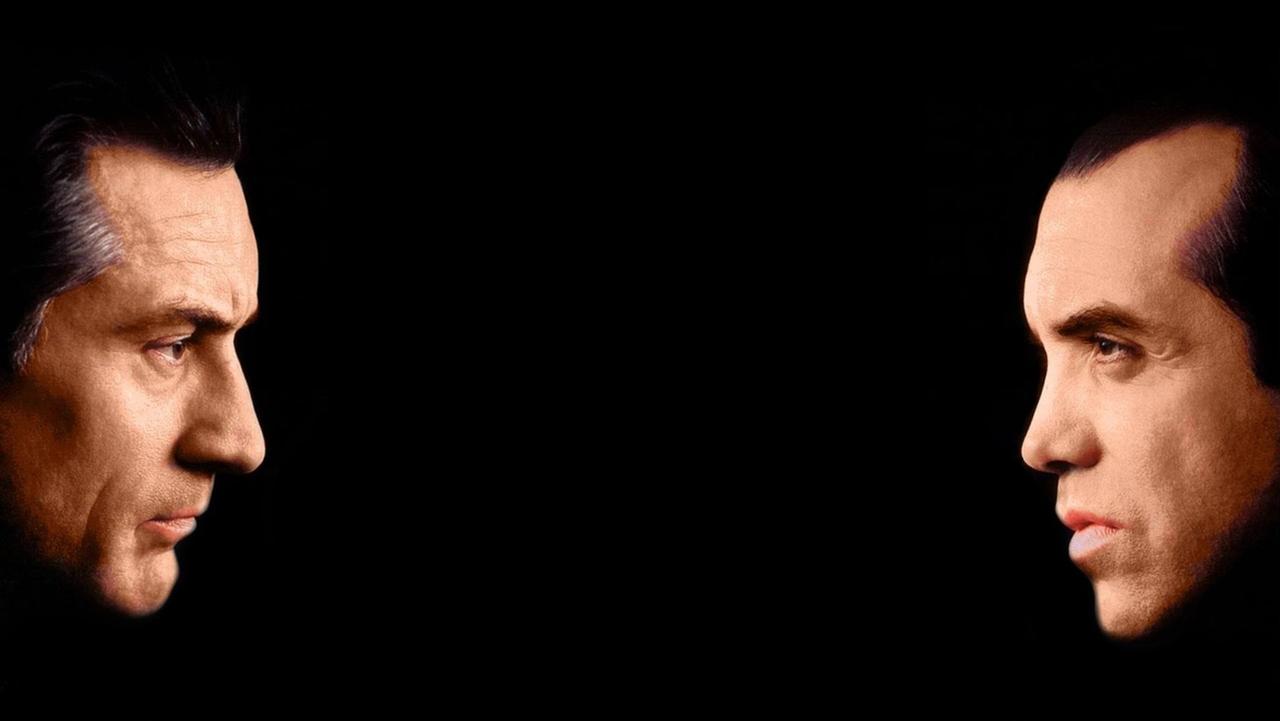
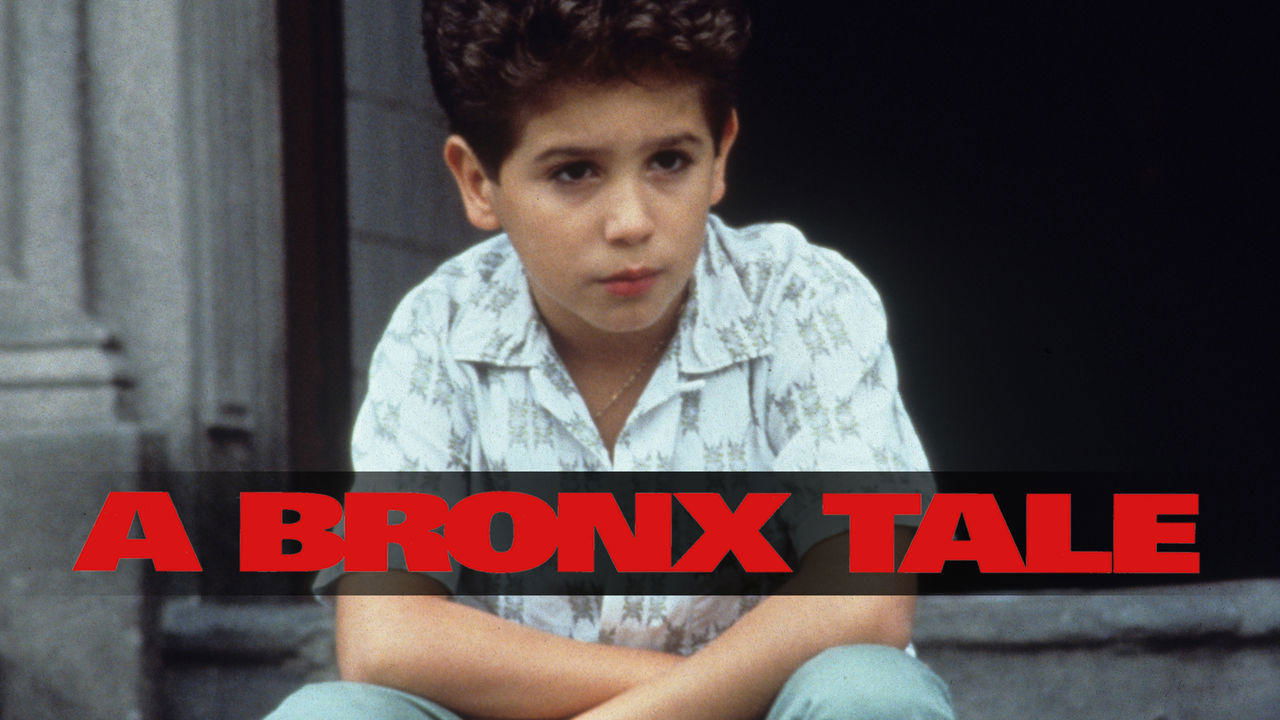
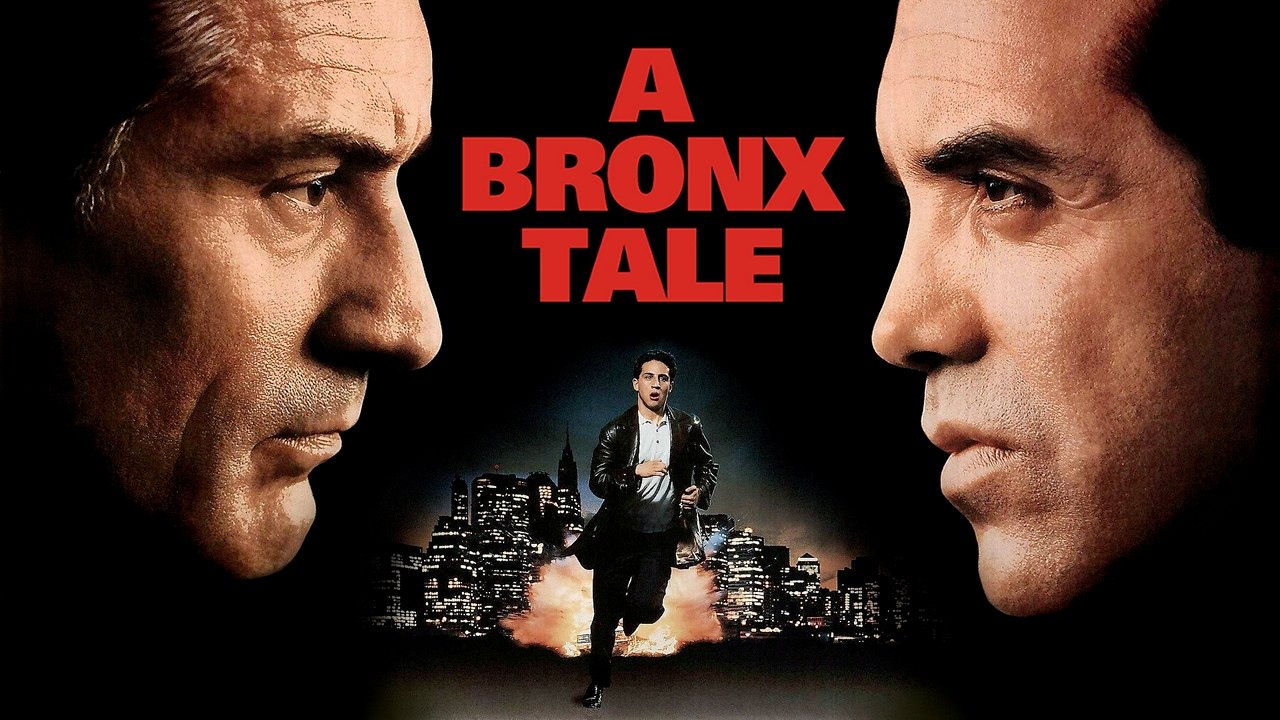
A Bronx Tale transports us back to the Fordham neighborhood of the Bronx in the 1960s, a place rendered with such lived-in detail it feels like you can almost smell the Sunday gravy and hear the doo-wop drifting from open windows. It's the story of Calogero Anello, known as "C", navigating his formative years under the watchful eyes of two father figures. There's his actual father, Lorenzo (Robert De Niro), an honest, hardworking bus driver instilling traditional values of integrity and earning a living "the right way." And then there's Sonny (Chazz Palminteri), the charismatic, feared, and respected local mob boss who runs the neighborhood from his bar, the Chez Bippy. After young C (played beautifully by Francis Capra) keeps quiet about witnessing Sonny commit a murder in broad daylight, he earns the gangster's attention and, eventually, his mentorship.
### Two Fathers, One Street
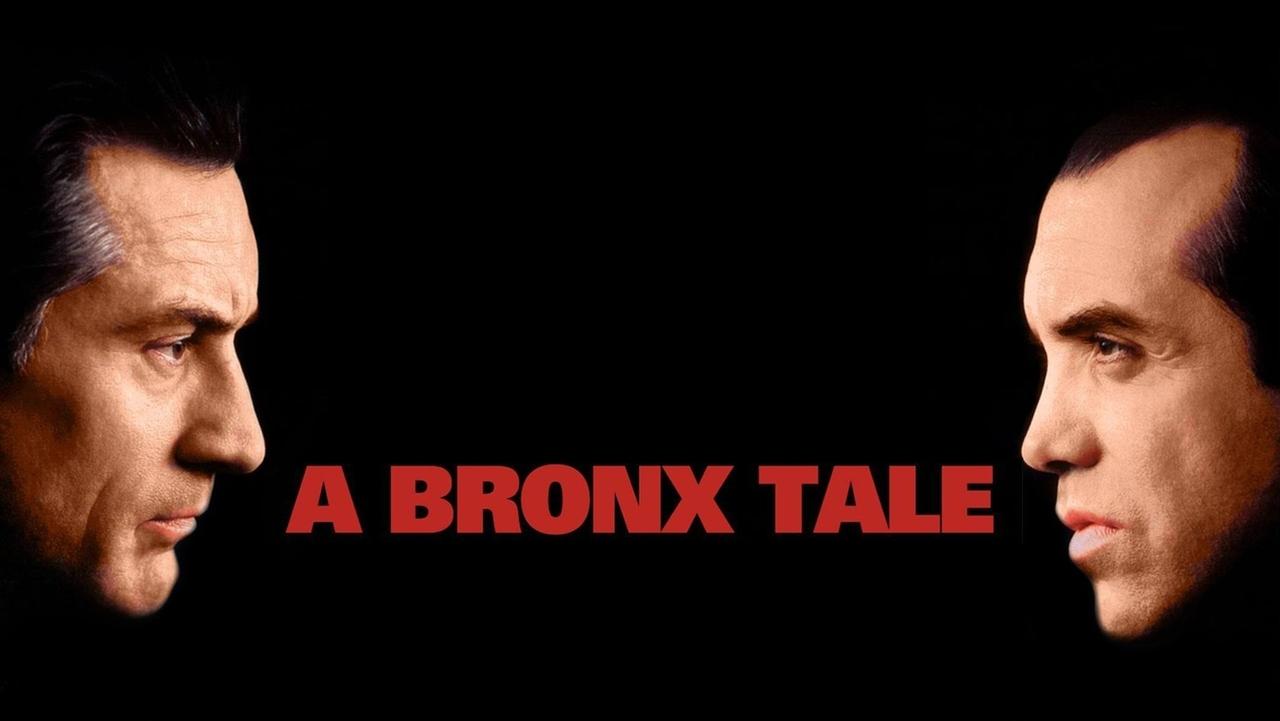
What makes A Bronx Tale resonate so deeply, beyond the sharp suits and street corner dynamics, is the profound tension between these two men and the philosophies they represent. De Niro, directing himself, delivers a performance of quiet strength and aching vulnerability as Lorenzo. He’s a man bound by principle, worried sick about his son being drawn into a world he despises, yet powerless against its magnetic pull. His famous line, "The saddest thing in life is wasted talent," isn't just advice; it's a plea born of love and fear.
Opposite him, Chazz Palminteri is Sonny. It's a role he was literally born to play, given the film's origins. And that brings us to a key piece of this film's soul: Palminteri originally wrote and performed A Bronx Tale as a one-man stage play, drawing heavily on his own childhood experiences. He played all the characters himself. When Hollywood came knocking, Palminteri famously refused to sell the rights unless he could write the screenplay and play Sonny. It was Robert De Niro, after seeing the play, who championed the project, agreeing to Palminteri's terms and choosing it for his own directorial debut. That fierce personal investment shines through; Palminteri embodies Sonny with a captivating mix of streetwise charm, casual menace, and surprising pearls of wisdom ("Is it better to be feared or loved?"). He makes Sonny more than a caricature; he's a flawed, complex figure offering a different kind of education, one learned on the unforgiving pavement.
### Coming of Age on Belmont Avenue
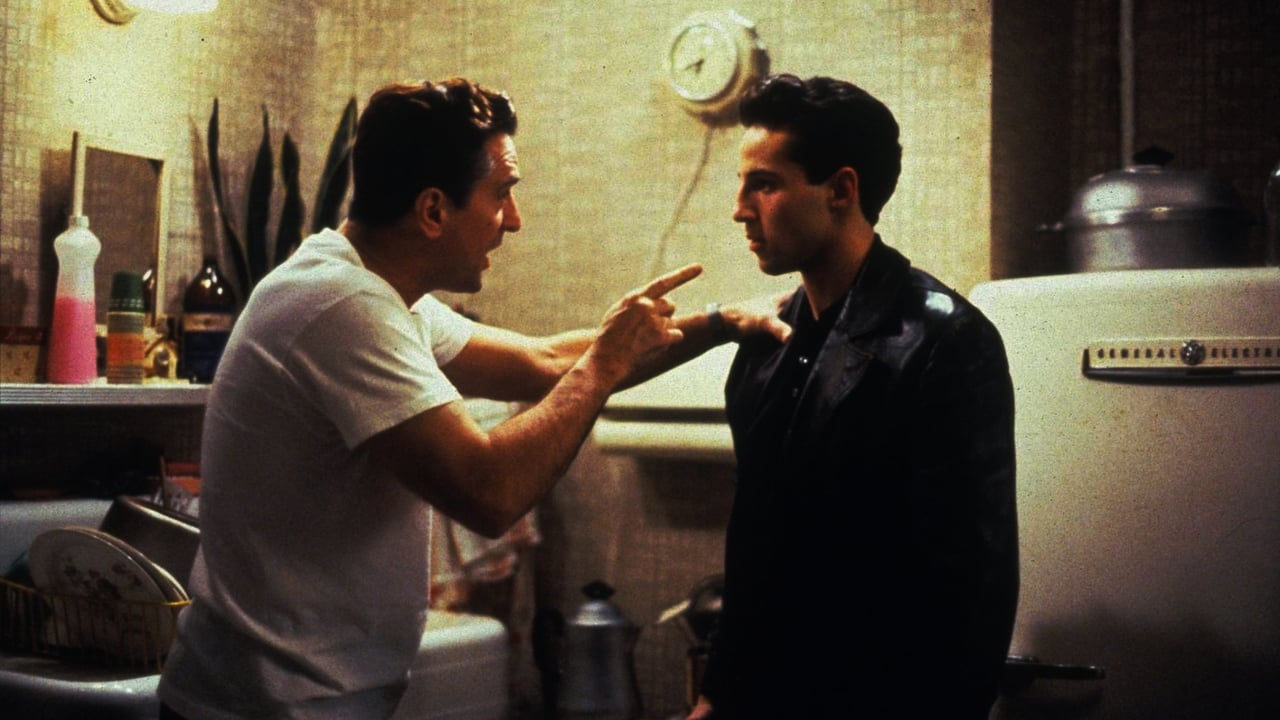
As C grows into a teenager (now played by newcomer Lillo Brancato, reportedly discovered by a casting scout while swimming at Jones Beach), the conflict intensifies. Brancato captures that adolescent swagger masking deep uncertainty, the allure of easy money and respect clashing with his father's quiet dignity. The film doesn't shy away from the uglier realities of the era either, particularly the potent racism that divides the neighborhood, leading C into a forbidden romance with a Black classmate, Jane (Taral Hicks). This subplot adds another layer, forcing C to question the tribal loyalties Sonny seems to embody. How De Niro, as director, handles these scenes – the simmering tension, the sudden bursts of violence, the moments of unexpected connection – demonstrates a remarkable sensitivity and control for a first-time filmmaker. He lets the neighborhood breathe, using a fantastic soundtrack of period hits not just for nostalgia, but to score the emotional beats of C's journey. Remember the way the music swells during those slow-motion shots? Pure cinematic shorthand for memory and significance.
### More Than Just a Gangster Story
It's easy to slot A Bronx Tale into the gangster genre, especially seeing De Niro's name attached, evoking thoughts of his iconic roles in films like Goodfellas (1990) or Casino (1995). But watching it again now, maybe on a worn-out tape or a streaming service that lacks that satisfying clunk of the VCR, it feels different. It's less about the mechanics of organized crime and more about the intricate web of influence, loyalty, and choice that shapes a life. It asks profound questions: Who do we listen to? What defines a 'good' man? Can we escape the gravity of our upbringing?
The film was dedicated to De Niro's own father, who passed away earlier in 1993. Knowing that adds another layer of poignancy to Lorenzo's character and the film's exploration of paternal bonds. It wasn't a massive blockbuster ($17.3 million gross against its budget, which isn't readily available but likely modest), but its reputation has only grown. It found its audience on home video, becoming one of those word-of-mouth rentals – the kind you’d recommend to a friend with a knowing nod, "No, seriously, you gotta see this one."
### The Verdict
A Bronx Tale remains a powerful, moving piece of storytelling. It's anchored by three exceptional performances, particularly Palminteri's unforgettable turn as Sonny and De Niro's understated work both in front of and behind the camera. The script is sharp, filled with memorable dialogue and genuine emotional weight derived from Palminteri's personal history. It captures a specific time and place with authenticity, exploring universal themes that still hit home. While perhaps not as stylistically flashy as some contemporary crime dramas, its focus on character and moral complexity gives it lasting power.
Rating: 9/10
This score reflects the film's superb writing, tour-de-force performance by Palminteri, confident direction from De Niro in his debut, and its deeply resonant, character-driven heart. It's a near-perfect execution of a personal story turned universal parable.
What lingers most, long after the credits roll and the doo-wop fades, is the weight of those choices C has to make, and the realization that sometimes, the most important lessons come from the most unexpected teachers. It's a film that respects its characters, respects its audience, and earns its place as a true gem from the 90s video store era.