Okay, fellow travelers in time and tape, let’s dim the lights, settle into that comfy spot on the couch, and rewind to a film that tried to capture lightning in a bottle – the tumultuous, transformative energy of a specific year through the lens of late-80s filmmaking. I’m talking about Ernest Thompson’s heartfelt, if sometimes uneven, drama, 1969 (1988). This wasn't one that screamed from the New Releases shelf with explosions or high-concept hooks, but finding it nestled in the Drama section often felt like uncovering something earnest, something reaching for significance.
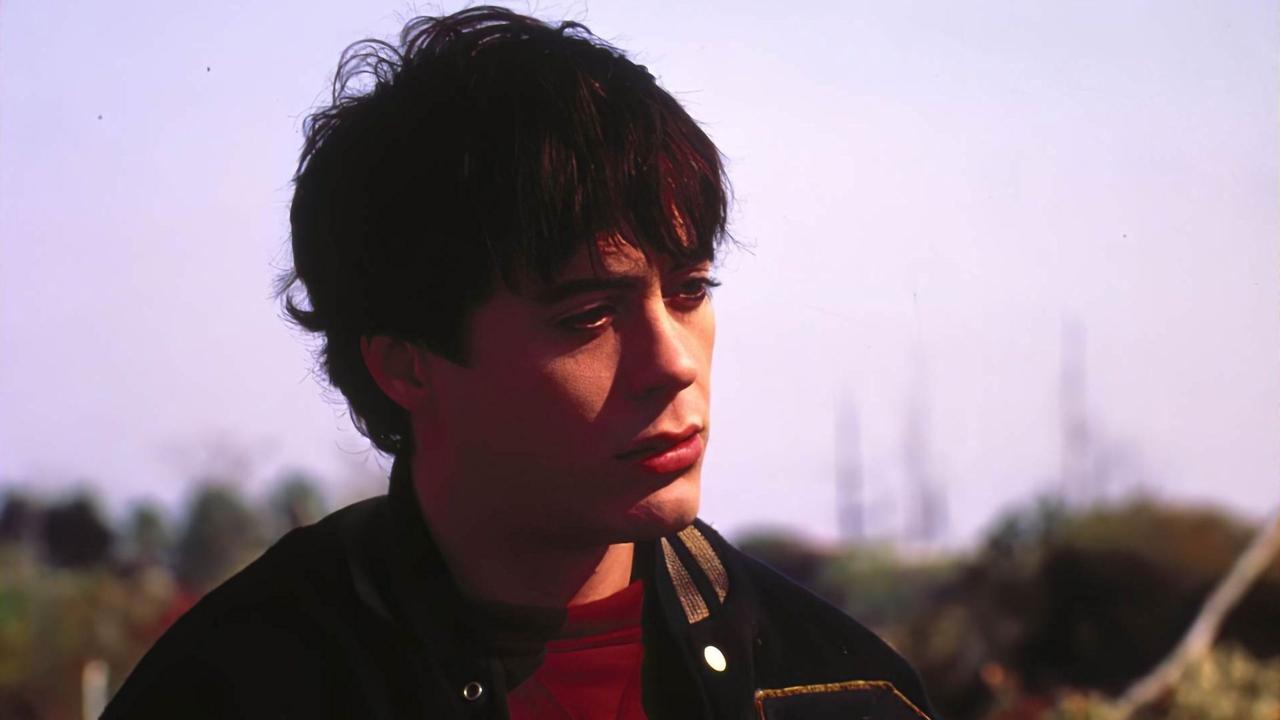
The very title evokes a potent brew of associations: Woodstock, the moon landing, escalating Vietnam protests, seismic shifts in culture and consciousness. 1969 doesn't aim for an epic sweep but focuses intimately on a small Maryland town where the tremors of that year are deeply felt by two best friends, Ralph Carr (Robert Downey Jr.) and Scott Denny (Kiefer Sutherland). It’s a film less about the historical headlines and more about the personal currents beneath them – the anxieties, rebellions, and fragile bonds tested by an era demanding choices.
The Weight of a Generation
What 1969 captures effectively is that suffocating sense of inevitability hanging over young men at the time: the draft. Scott, the more outwardly responsible of the two, feels the pressure from his family, particularly his haunted father Cliff (Bruce Dern, delivering a typically intense performance), a veteran whose own past shadows the present. Ralph, played with that magnetic, almost chaotic energy Robert Downey Jr. was already mastering, is the free spirit, the poet, the one seemingly determined to outrun the future bearing down on them. Their journey through that pivotal summer – chasing freedom on motorcycles, navigating burgeoning romance (with Scott’s sister Beth, portrayed by a young Winona Ryder), and ultimately confronting the draft board – forms the core of the narrative.
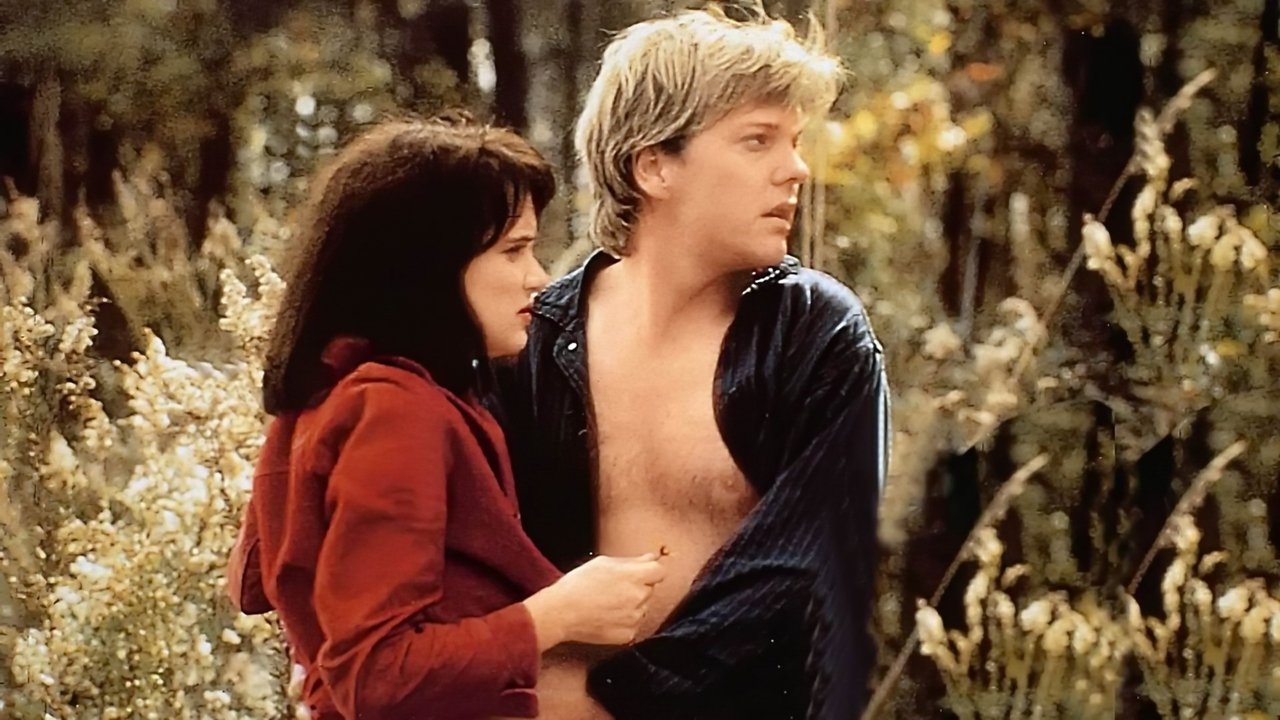
It’s fascinating to watch this film now, knowing the trajectories of its young stars. Sutherland, fresh off iconic roles in Stand by Me and The Lost Boys, brings a compelling sensitivity and coiled tension to Scott. Downey Jr., already showcasing the charisma and underlying vulnerability that would define his career, practically vibrates off the screen. Their chemistry as lifelong friends caught in the crosscurrents of history feels authentic, providing the film’s strongest anchor. Seeing Ryder here, too, right as she was exploding with Beetlejuice (released the same year) and Heathers (1989), adds another layer of retro-spectacle; she embodies a certain hopeful innocence amidst the turmoil.
Capturing the Mood, Finding the Heart
Director Ernest Thompson, who famously penned the Oscar-winning screenplay for On Golden Pond, brings a similar focus on interpersonal dynamics and generational divides to 1969. This was clearly a personal project for Thompson, reportedly drawing inspiration from his own youth. He aims for sincerity above all else, attempting to portray the emotional landscape of these characters grappling with love, loss, patriotism, and protest. The cinematography often bathes the small-town setting in a warm, sometimes nostalgic glow, contrasting the idyllic surface with the underlying anxieties. The soundtrack, leaning heavily on period-appropriate rock and folk, effectively underscores the mood without feeling overly intrusive.
However, the film isn't without its flaws. At times, the dialogue can feel a little too on-the-nose, spelling out themes that the performances already convey. The narrative occasionally dips into melodrama, particularly in its handling of family conflicts and tragic turns. It walks a fine line, and sometimes stumbles, between genuine pathos and predictable beats common in coming-of-age dramas of the period.
Retro Fun Facts: Behind the Haze
- A Writer's Vision: As mentioned, Ernest Thompson both wrote and directed 1969. Winning the Best Adapted Screenplay Oscar for On Golden Pond (1981) gave him significant clout, allowing him to helm this more personal story. The film shares Pond's interest in bridging generational gaps, albeit in a much more turbulent context.
- Location Shift: While set in Maryland, the film was primarily shot in South Carolina and Georgia, using their small towns and landscapes to recreate the specific atmosphere Thompson envisioned.
- Rising Stars Collide: The casting captured several actors on the cusp of major stardom or in the midst of solidifying their 80s icon status. It's a snapshot of young talent navigating more serious dramatic territory.
- Critical Reception: Upon release, 1969 received mixed reviews. Critics often praised the performances, particularly Downey Jr.'s, but some found the script somewhat formulaic or overly earnest in its portrayal of the era's conflicts. It wasn't a box office smash, but it resonated with viewers who connected with its heartfelt tone and exploration of friendship under pressure, finding its audience more steadily on home video – a true VHS-era discovery for many.
Reflecting on '69 from '88
Watching 1969 today offers a dual layer of nostalgia. There’s the film’s own attempt to recreate the late 60s, filtered through the sensibilities and filmmaking styles of the late 80s. And then there’s the nostalgia for the 80s themselves – for seeing these actors in their youth, for the particular feel of dramas from that decade, often striving for emotional depth with varying degrees of subtlety.
The film asks questions that linger: How does friendship endure when the world imposes impossible choices? What is the true cost of conformity, and rebellion? How do the scars of one generation impact the next? While it might not offer groundbreaking answers, its sincerity in posing these questions, particularly through the compelling performances of its young leads, gives it a quiet power. It doesn't shy away from the pain and confusion of the era, even if its approach feels distinctly rooted in the time it was made. It evokes that feeling of renting a drama on a Friday night, hoping for something moving, something that might make you think, and finding a film that, despite its imperfections, genuinely tried to connect.
Rating: 6.5/10
Justification: 1969 earns its score primarily through the strength of its central performances, particularly the vibrant Robert Downey Jr. and the grounded Kiefer Sutherland, whose chemistry anchors the film. Ernest Thompson's direction is sincere, and the film effectively captures moments of youthful rebellion and the pervasive anxiety of the Vietnam draft era. However, it's held back slightly by occasional melodrama, some on-the-nose dialogue, and a narrative that sometimes treads familiar coming-of-age territory. It’s a heartfelt and often affecting film, but not without its 80s-drama conventions.
Final Thought: While perhaps overshadowed by other films tackling the Vietnam era or the counter-culture, 1969 remains a poignant, character-driven snapshot carried by its young, soon-to-be-massive stars. It’s a worthwhile watch for its earnest attempt to grapple with a complex time through the intimate lens of friendship and family, a solid drama section find from the shelves of VHS Heaven.