There’s a particular kind of disorientation that Rising Sun taps into right from the start, a slick, neon-and-shadow unease that felt distinctly early-90s. It wasn't just the shocking murder that kicks things off, but the setting itself: the gleaming, imposing Los Angeles headquarters of the Nakamoto Corporation, a fortress of Japanese corporate power on American soil. Watching it again recently, that feeling returned – the sense of being an outsider, even in a familiar landscape, navigating rules and customs subtly, yet profoundly, different from one's own.

Navigating the Maze
The premise, adapted from Michael Crichton's controversial bestseller, throws LAPD liaison officer Web Smith (Wesley Snipes) into this very maze. When a beautiful woman is found dead during a high-profile party at Nakamoto Tower, Smith is called in, but quickly finds himself needing a guide. Enter Captain John Connor (Sean Connery), an older, seasoned detective with deep, almost mystical knowledge of Japanese culture and etiquette – the kind of figure only Connery, with his inherent authority and worldly weariness, could truly embody. Together, they must unravel a crime wrapped in layers of corporate intrigue, cultural misunderstandings, and technological deceit. It’s a setup ripe for a tense, atmospheric thriller, and director Philip Kaufman (The Right Stuff, Invasion of the Body Snatchers '78) certainly leans into the noirish potential.
The Mentor and The Maverick
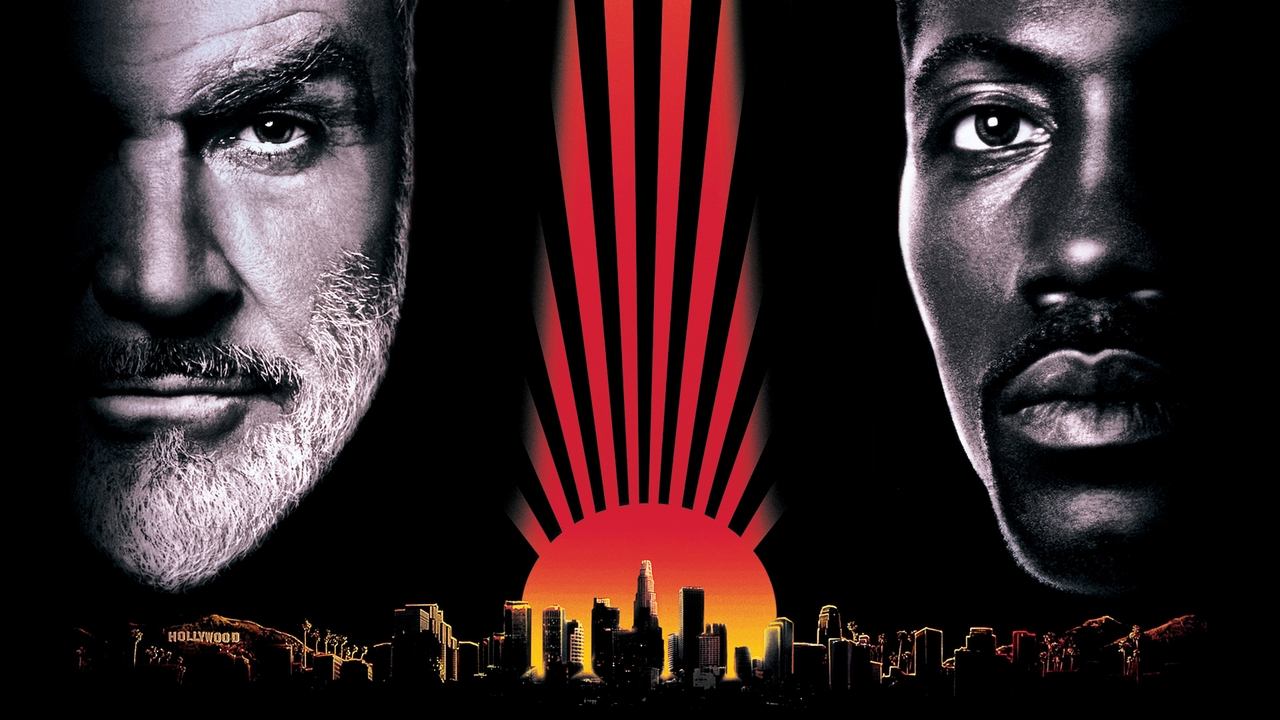
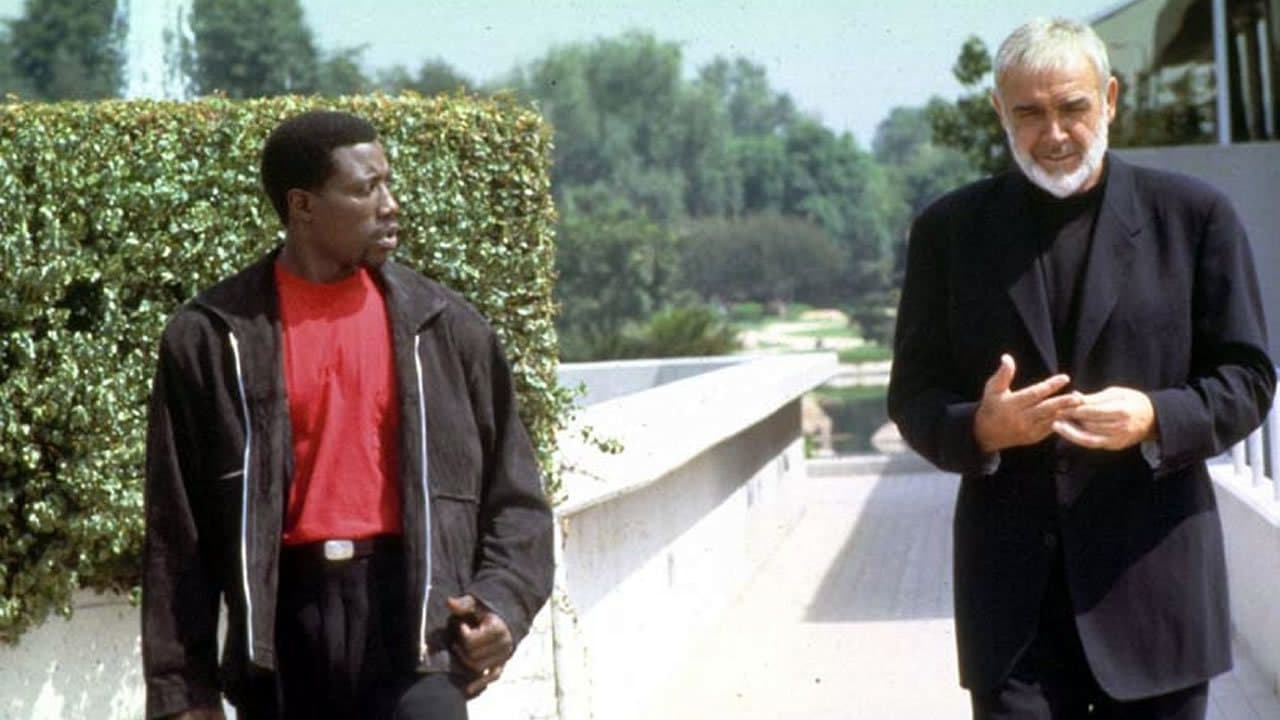
Much of the film's enduring appeal rests on the central pairing. Connery is simply magnetic as Connor. It’s a performance built on quiet confidence and enigmatic pronouncements ("Assume nothing," he constantly advises). He’s the senpai (senior) guiding the kohai (junior), his understanding of the intricate Japanese social dynamics serving as the key to unlocking doors – both literal and metaphorical. There was talk at the time that Connery took the role partly to counterprogram his own iconic image, seeking complex characters far removed from Bond, and Connor certainly provides that depth. His ease within this foreign corporate culture feels earned, never forced.
Wesley Snipes, then rocketing towards major action stardom after films like New Jack City (1991) and Passenger 57 (1992), provides the necessary counterpoint. Smith is smart, capable, but initially out of his depth, serving as the audience's eyes and ears in this unfamiliar world. His frustration and occasional impatience feel authentic, grounding the more esoteric aspects of the investigation. The dynamic between the two leads – the seasoned sage and the quick-study newcomer – is the film's strongest asset, creating moments of genuine connection amidst the suspicion.
Shadows, Screens, and Suspicions
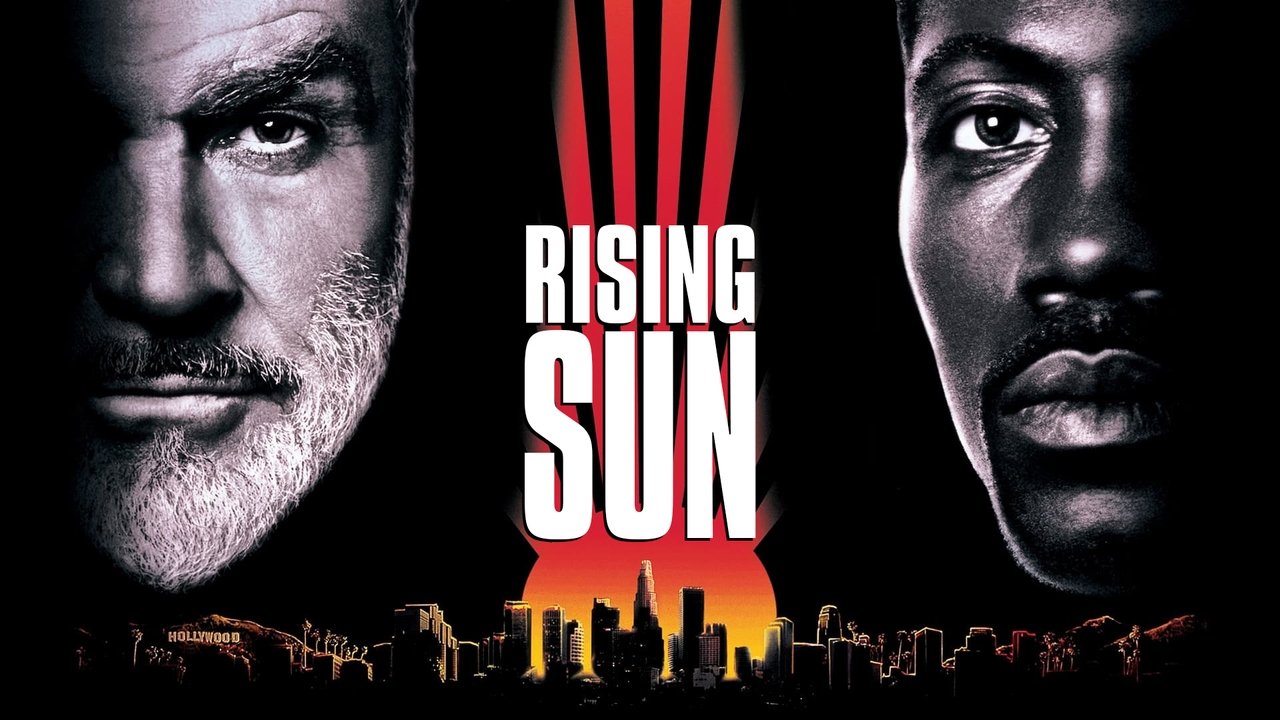
Kaufman, working with legendary cinematographer Michael Chapman (whose lens gave us the gritty realities of Taxi Driver and Raging Bull), crafts a visually slick film. Los Angeles becomes a landscape of reflective glass towers, shadowy interiors, and rain-slicked streets. The Nakamoto building itself feels like a character – imposing, sterile, yet holding dark secrets. A key element, both visually and thematically, is the reliance on digitally altered surveillance footage. In 1993, the idea that video evidence could be seamlessly manipulated felt like cutting-edge science fiction, a chilling premonition of the deepfakes and digital doubt we grapple with today. The scenes where Connor and Smith scrutinize the tapes, trying to discern truth from fabrication, remain genuinely compelling. It’s a potent metaphor for the entire film: what you see is rarely the whole picture.
Retro Fun Facts: More Than Meets the Eye
Digging into the production reveals some fascinating layers. Crichton's original novel sparked considerable controversy for its perceived anti-Japanese sentiment, tapping into the real-world economic anxieties between the US and Japan prevalent in the late 80s and early 90s. The film adaptation, co-written by Kaufman, deliberately softened these edges, shifting the focus more towards corporate malfeasance and the specific mystery, rather than broad cultural critique. Apparently, Crichton wasn't entirely pleased with the changes, feeling the film diluted his intended message.
The casting of Connery was pivotal; his inherent gravitas helped sell the complex cultural dynamics. And supporting players like Harvey Keitel, adding his trademark intensity as another detective initially suspicious of Connor and Smith, and Cary-Hiroyuki Tagawa as the smooth, subtly menacing Eddie Sakamura, enrich the tapestry. Filmed largely in and around LA, the production design did a remarkable job creating the distinct atmosphere of the Nakamoto Tower. With a budget around $35-40 million, Rising Sun pulled in over $107 million worldwide – a solid hit, proving audiences were hungry for this blend of star power and high-tech paranoia, especially coming the same summer as another huge Crichton adaptation, Jurassic Park.
Lingering Questions
Does Rising Sun perfectly navigate the tricky waters of cultural representation? Probably not by today's standards. Some characterizations feel broad, and the reliance on Connor as the 'wise Western interpreter' of Japanese ways can feel a little simplistic. Yet, the film avoids easy answers. It presents a world where motivations are murky, alliances shift, and the truth is deliberately obscured by those in power. It asks questions about perception, prejudice, and the seductive power of technology that still feel relevant. What happens when the evidence itself can lie? How do cultural differences impact the pursuit of justice?
The film isn't perfect – the pacing occasionally drags, and the intricate plot can sometimes feel convoluted. But its atmosphere, strong central performances, and prescient themes about technology and perception make it a standout thriller from the era. It’s a film that invites you into its world of shadows and secrets, anchored by the undeniable presence of Sean Connery as our guide.
Rating: 7/10
This score reflects the film's undeniable strengths – Connery's commanding performance, the compelling central mystery, Kaufman's slick direction, and its fascinating (if sometimes flawed) engagement with cultural clash and technological paranoia. It’s docked points for occasional pacing issues and some dated cultural depictions, but the core elements work well, justifying its status as a memorable 90s thriller.
Rising Sun remains a fascinating time capsule – a glossy, intriguing slice of early 90s corporate paranoia that feels both specific to its moment and surprisingly resonant today, especially as we navigate an increasingly complex technological and global landscape. It’s one of those VHS tapes that, once revisited, offers more layers than you might remember.