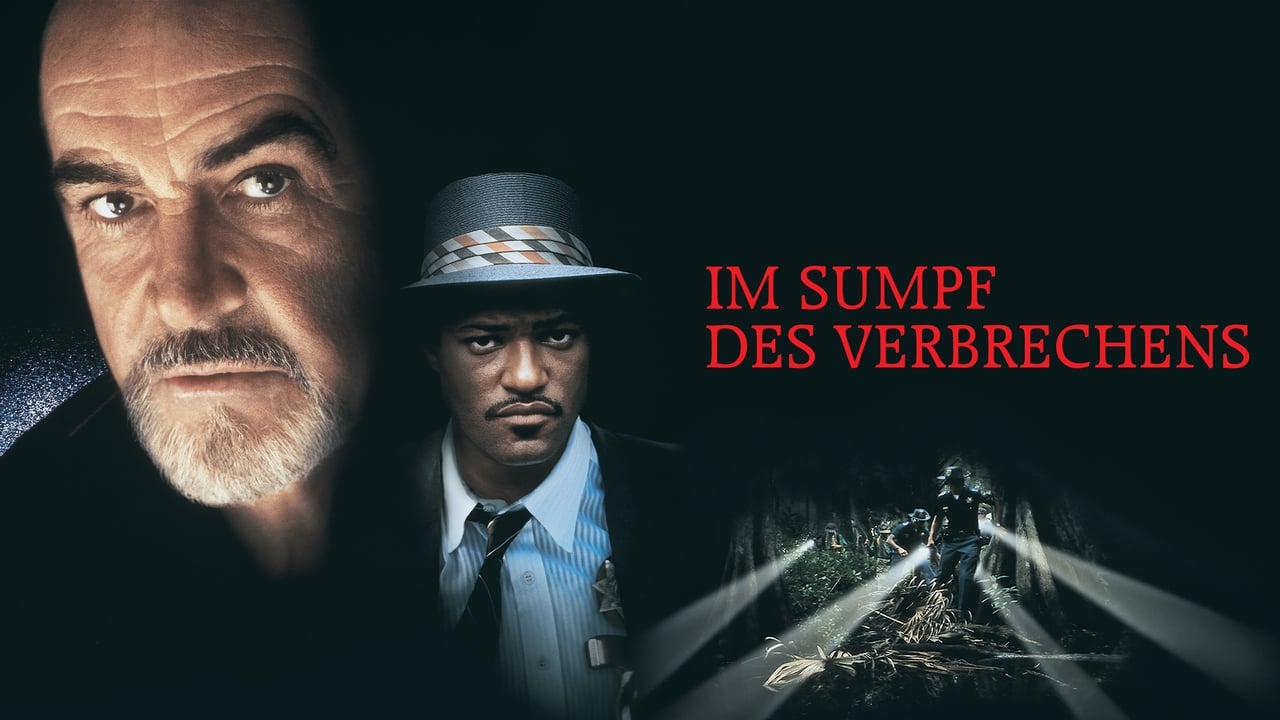
The air hangs thick and heavy, not just with the oppressive humidity of the Florida Everglades, but with the suffocating weight of secrets. Some films promise sunshine and deliver shadows, and 1995’s Just Cause plunges you headfirst into a moral swamp where the surface calm hides predators just waiting to drag you under. It’s the kind of mid-90s thriller that felt substantial, adult, carrying a darkness that lingered long after the VCR clicked off. It begins with a plea, a cry for justice from the depths of death row, but spirals into something far more insidious.
Into the Mire
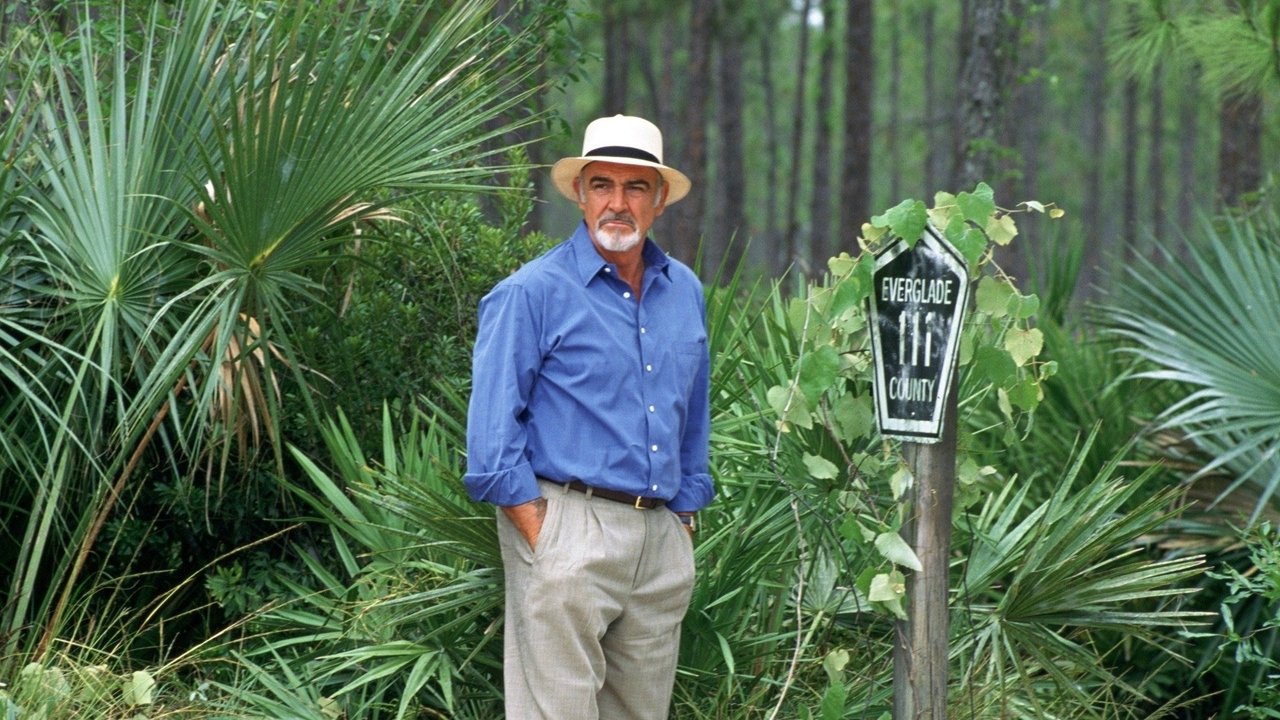
We meet Paul Armstrong, played by the ever-commanding Sean Connery (also serving as an executive producer here, clearly invested in finding meaty post-Bond roles), a Harvard law professor publicly opposed to the death penalty but long removed from the courtroom trenches. He’s pulled reluctantly back into the fray by the desperate pleas of a grandmother (Ruby Dee, radiating quiet dignity) convinced her grandson, Bobby Earl Ferguson (Blair Underwood, conveying a palpable mix of fear and simmering rage), was wrongly convicted for the brutal rape and murder of a young white girl. The setting isn't just backdrop; the Everglades, filmed on location in sticky, bug-infested Florida locales like Cypress Gardens and Fort Myers, becomes a character – beautiful, dangerous, and concealing untold horrors beneath its murky surface. Director Arne Glimcher, previously known more as a high-profile art dealer and for The Mambo Kings, uses this environment effectively, creating a palpable sense of isolation and decay that mirrors the腐烂 at the heart of the justice system depicted.
Faces in the Shadows
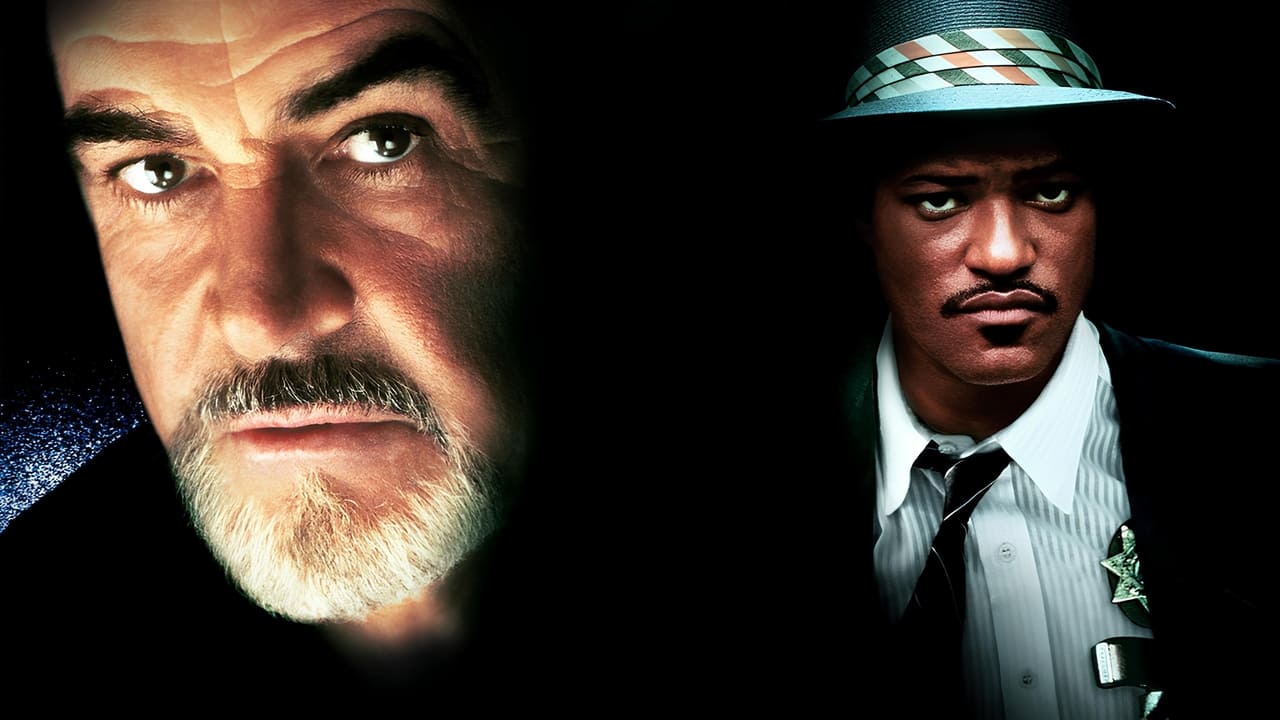
Connery brings his signature gravitas to Armstrong, a man whose academic principles are sorely tested by the visceral reality he uncovers. He’s our anchor, but the film truly crackles when its supporting players command the screen. Laurence Fishburne cuts an imposing figure as Tanny Brown, the local detective who secured Ferguson's conviction. Fishburne embodies weary authority, a man who’s seen too much and perhaps buried too much. Interestingly, the character was reportedly based by author John Katzenbach on a real detective he encountered while working as a crime reporter – a touch of grim reality bleeding into the fiction. Kate Capshaw, as Armstrong's wife, feels somewhat underutilized, relegated mostly to worried phone calls, a common pitfall for female characters in thrillers of this era.
But then there’s Ed Harris. As Blair Sullivan, the taunting, Bible-quoting serial killer already on death row who claims he committed the crime Ferguson is blamed for, Harris delivers a performance of pure, distilled menace. It’s genuinely unsettling. Rumor has it that Harris embraced the darkness, remaining intensely in character on set, creating an atmosphere of unease that translates powerfully onto the screen. His scenes opposite Connery are electric, charged with psychological warfare. Doesn't that kind of committed, terrifying performance just sear itself into your memory from this era?
Building the Unease
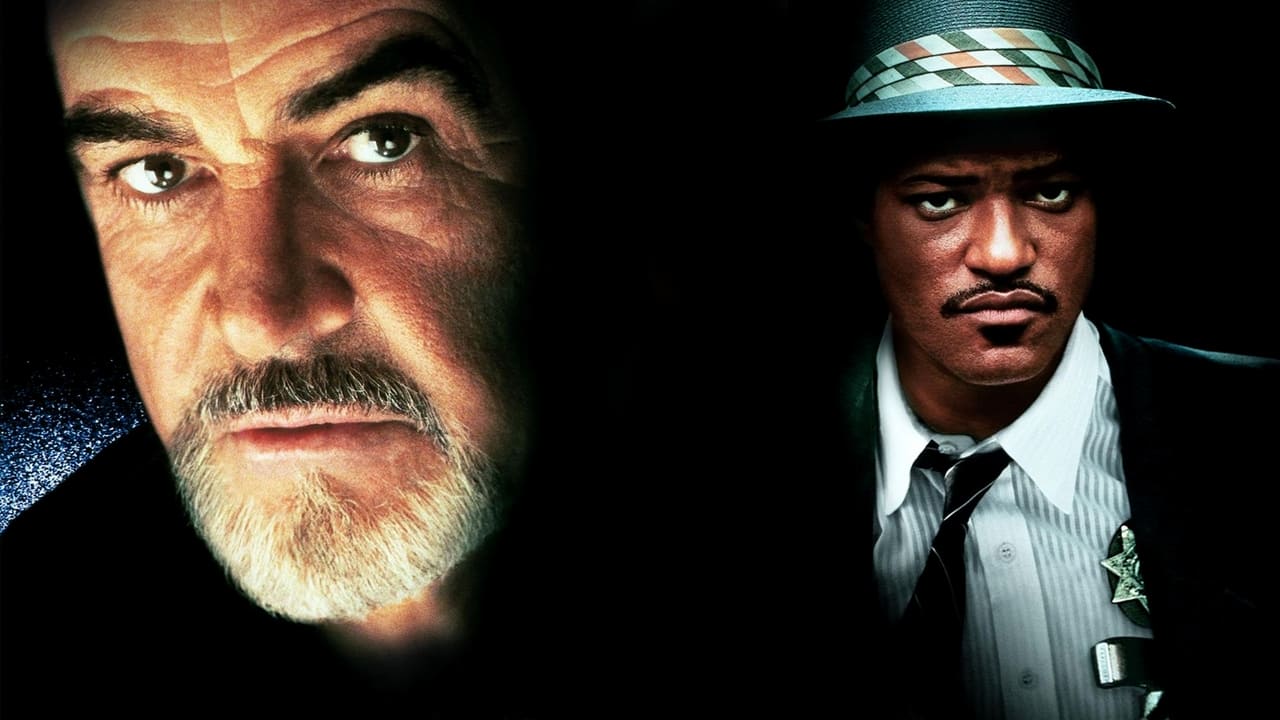
Just Cause isn't reliant on jump scares. Its tension builds slowly, methodically, through atmosphere and implication. Glimcher, aided by James Newton Howard's subtly menacing score and evocative cinematography, lets the Florida heat and the shadowy interiors press in on the viewer. The film captures that specific 90s thriller aesthetic – grounded, slightly gritty, focused on procedural detail mixed with bursts of shocking violence. The screenplay, credited to Jeb Stuart (bringing his Die Hard and The Fugitive action chops) and veteran Peter Stone (Charade), navigates the twists and turns of Katzenbach's novel, though reportedly streamlining and altering some elements, particularly towards the climax. This blend of writers might explain the film's mix of methodical investigation and sudden, brutal escalations.
Retro Fun Facts: Digging Deeper
Beyond the central performances and atmosphere, Just Cause has its share of interesting production details. Filming in the actual Everglades presented logistical challenges – the heat, the insects, the unpredictable weather all contribute to the authentic, sweaty feel of the movie. While not a runaway blockbuster (earning around $63 million worldwide against a budget estimated somewhere in the $30-40 million range – respectable, but not setting the world on fire), it found its audience on home video, becoming a reliable rental staple for those seeking a grown-up thriller. It sits comfortably alongside other legal dramas of the time, though perhaps with a nastier, more cynical edge than many of its contemporaries.
(Spoilers Ahead for a Major Twist!)
The Sting in the Tail
Alright, let’s talk about the ending. Just Cause pulls a significant rug-pull in its final act, revealing that Bobby Earl Ferguson wasn't the innocent victim he claimed to be, and that the truth is far more tangled and disturbing, involving a brutal partnership with Sullivan. This twist was, and remains, somewhat divisive. For some, it felt like a genuinely shocking and effective gut punch, subverting expectations. For others, it perhaps strained credulity or felt like a slightly cheap manipulation after investing so much in Ferguson's plight. The novel apparently had an even darker, more ambiguous resolution, but the cinematic version opted for a more explosive, action-oriented confrontation. Did that twist genuinely shock you back in the day, or did it feel like a step too far? It certainly ensures the film doesn't fade quietly.
(Spoilers End Here)
Final Verdict
Just Cause is a solid, often genuinely gripping 90s thriller that excels in atmosphere and boasts powerhouse performances, particularly from Connery, Fishburne, and a truly terrifying Ed Harris. It captures the specific weight and feel of the era's adult-oriented suspense films – slickly produced, morally ambiguous, and unafraid to delve into darkness. While the plot mechanics, especially the controversial twist, might creak a little under scrutiny today, the oppressive mood and the strength of the acting carry it through. It’s a film that feels satisfyingly dense, a reminder of a time when mainstream thrillers weren’t afraid to be complex and unsettling. Watching it again definitely took me back to browsing the aisles of the video store, looking for something with substance and suspense.
Rating: 7/10
Justification: The score reflects the film's strong atmosphere, compelling central performances (especially Harris), and effective tension-building. It captures the 90s thriller vibe perfectly. Points are deducted slightly for the somewhat underwritten role for Capshaw and a divisive final twist that, while memorable, might not land perfectly for everyone and feels a touch contrived compared to the preceding build-up.
Final Thought: More than just a legal procedural, Just Cause is a sweaty, unsettling journey into the heart of deception, reminding us that the most dangerous predators often wear the most convincing masks. It remains a potent slice of 90s darkness, well worth revisiting on a stormy night.