He calls himself Casanova, but there's nothing romantic about his obsession. It's cold, calculated, and utterly terrifying – a predator stalking the margins, collecting brilliant young women like morbid trophies. That chilling premise hangs heavy over Kiss the Girls (1997), a film that arrived near the peak of the 90s serial killer thriller boom, delivering a dose of dread that felt particularly potent under the flickering glow of a rented VHS tape late at night. It wasn't just jump scares; it was the suffocating atmosphere, the gnawing uncertainty that lingered.
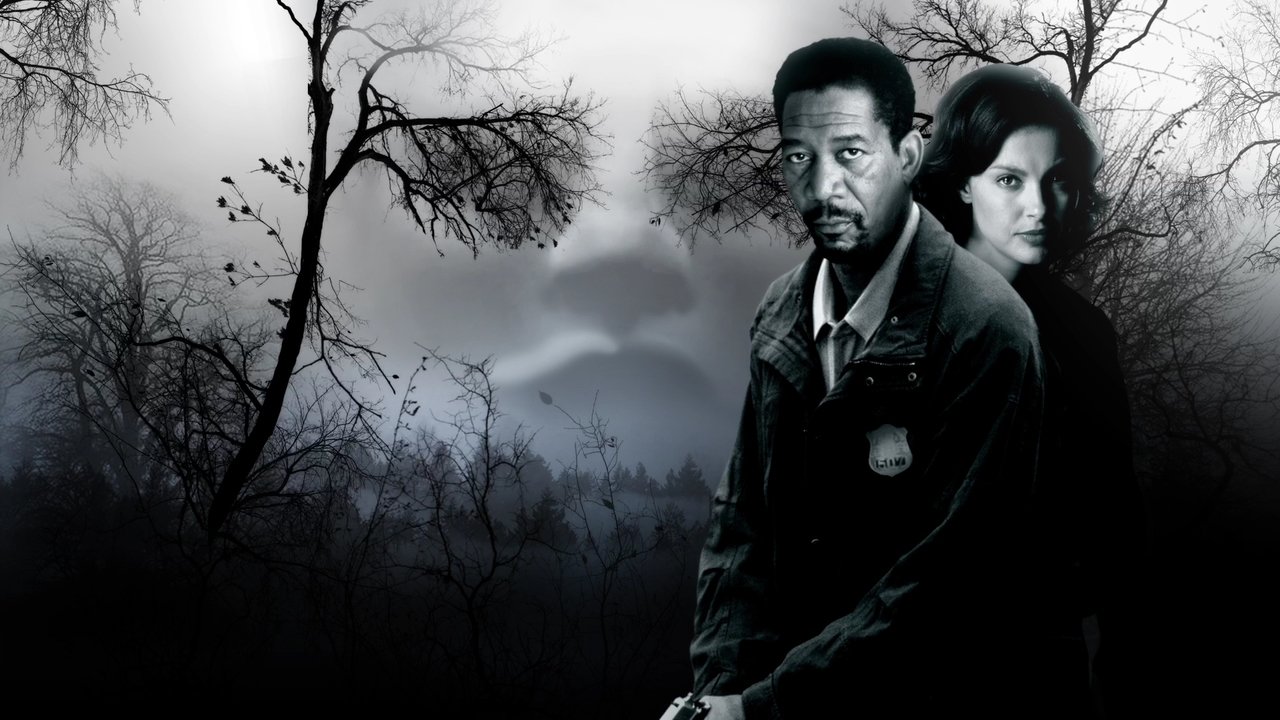
Southern Gothic Dread
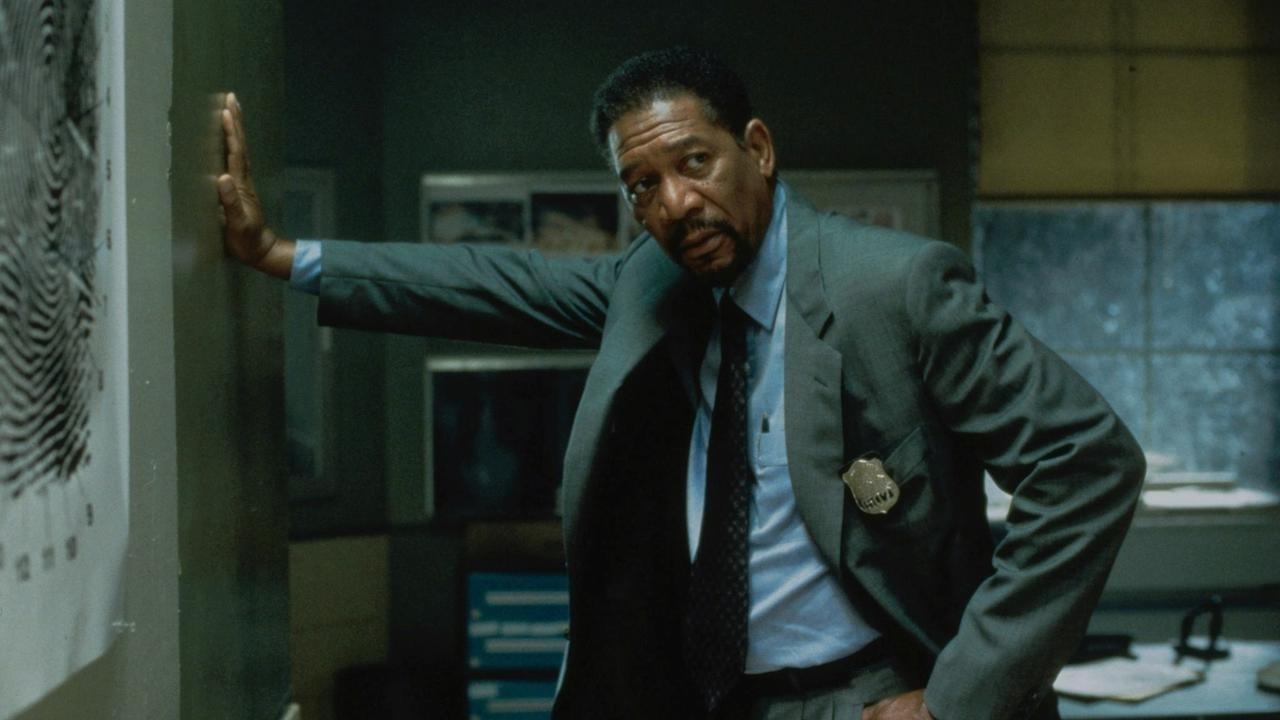
Director Gary Fleder, then best known for the stylish neo-noir Things to Do in Denver When You're Dead (1995), plunges us into a humid, unsettling vision of the American South. The sprawling forests of North Carolina aren't just scenery; they feel like an accomplice, vast and indifferent, easily swallowing secrets and screams. Forensic psychologist Alex Cross (Morgan Freeman) arrives from D.C. when his niece becomes one of Casanova's missing, bringing his sharp intellect and quiet intensity into this tangled web. Freeman, already an established force but solidifying his niche as the thinking man's authority figure, embodies Cross with a gravitas that anchors the film. It's said Freeman was instrumental in shaping the character on screen, insisting Cross retain his intelligence and dignity, steering clear of becoming a mere action hero despite the thriller tropes. It’s a performance that feels instantly trustworthy, drawing us into his desperate search.
The One Who Got Away
The narrative truly ignites with the introduction of Dr. Kate McTiernan (Ashley Judd), the only woman known to have escaped Casanova's clutches. Judd, in a star-making turn that showcased both vulnerability and fierce resilience, is phenomenal. Her harrowing escape sequence – plunging into a roaring river, pursued relentlessly – is a masterclass in tension. It’s even more impressive knowing Judd performed many of her own stunts for that sequence, adding a layer of gritty realism that you just felt, even back then. Her fragmented memories, the trauma etched onto her face, become crucial pieces of the puzzle, forging an uneasy but vital alliance with Cross. Their shared determination against a backdrop of institutional friction and mounting fear forms the film's emotional core. Doesn't her desperate fight for survival still feel palpable?
Unmasking the Familiar
Part of the film's unsettling power lies in its antagonist(s). Casanova isn't some supernatural entity; he's chillingly human, operating with methodical precision. The reveal of his identity – and the subsequent twists – plays on anxieties about the darkness that can hide behind a familiar face or a position of trust. Cary Elwes, shedding the charming Westley persona from The Princess Bride (1987), takes on a supporting role as Detective Nick Ruskin, navigating the local investigation alongside Cross. It was a deliberate choice for Elwes to play against type, adding another layer to the ensemble cast's dynamic. The film cleverly keeps you guessing, seeding clues and red herrings within the murky investigation unfolding across state lines, from North Carolina college towns to the shadowy corners of Los Angeles.

From Page to Screen
Adapted from James Patterson's bestselling novel, Kiss the Girls was the first Alex Cross book to hit the screen (though chronologically, Along Came a Spider came first in the book series). While book purists might note divergences, the screenplay by David Klass successfully translates the core suspense and the compelling dynamic between Cross and McTiernan. It captures that specific late-90s procedural feel – reliant on deduction, intuition, and legwork rather than the high-tech forensics that would soon dominate the genre on television. It reportedly cost around $27 million to make, but its blend of star power and suspense resonated, pulling in over $60 million domestically – a solid hit that proved audiences were hungry for intelligent, character-driven thrillers. I distinctly remember the stark VHS cover art, Freeman and Judd prominent, hinting at the darkness within. It was one of those tapes that seemed to promise a genuinely gripping night in.
Legacy of Suspense
Kiss the Girls holds up as a well-crafted example of its specific subgenre and era. The atmosphere remains potent, largely thanks to Fleder's direction and Aaron Schneider's shadowy cinematography. The lead performances by Freeman and Judd are magnetic, providing the necessary human element amidst the grim proceedings. While some procedural elements might feel a bit dated now, and the final act perhaps leans into convention, the core tension and the psychological horror of Kate's ordeal still land effectively. It taps into primal fears – abduction, helplessness, the unknown – with unsettling skill.
Rating: 7.5/10
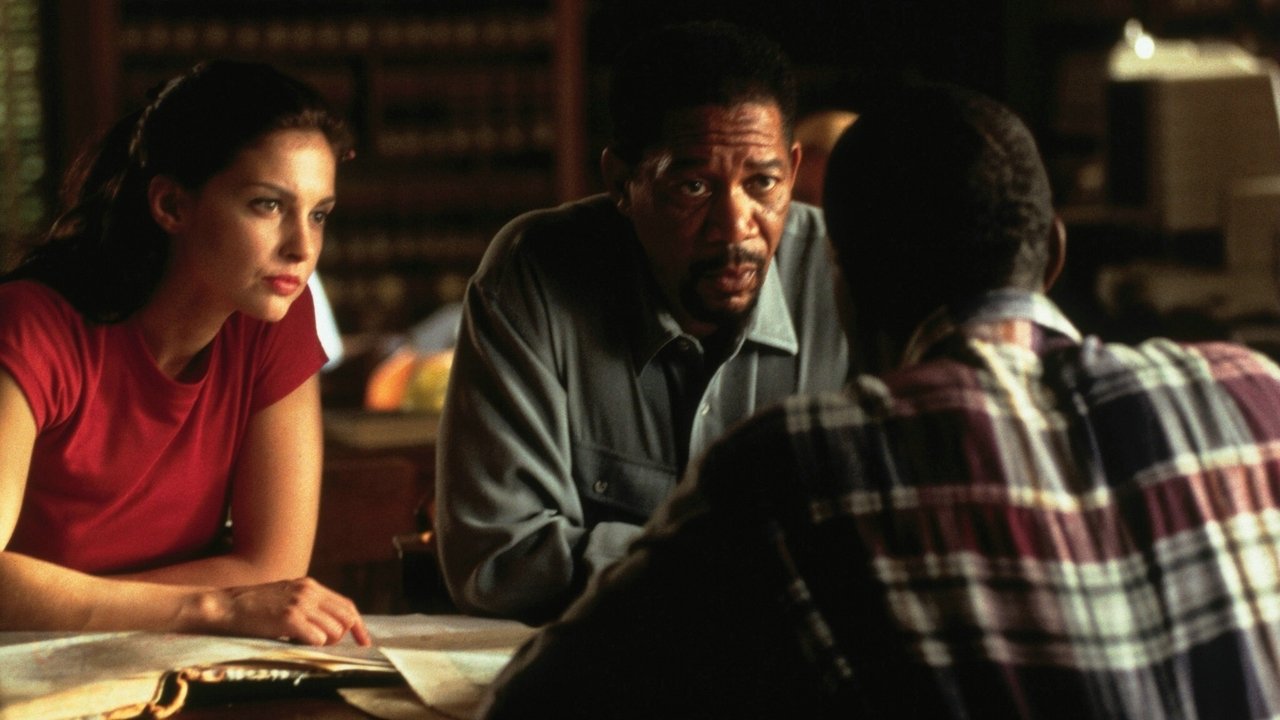
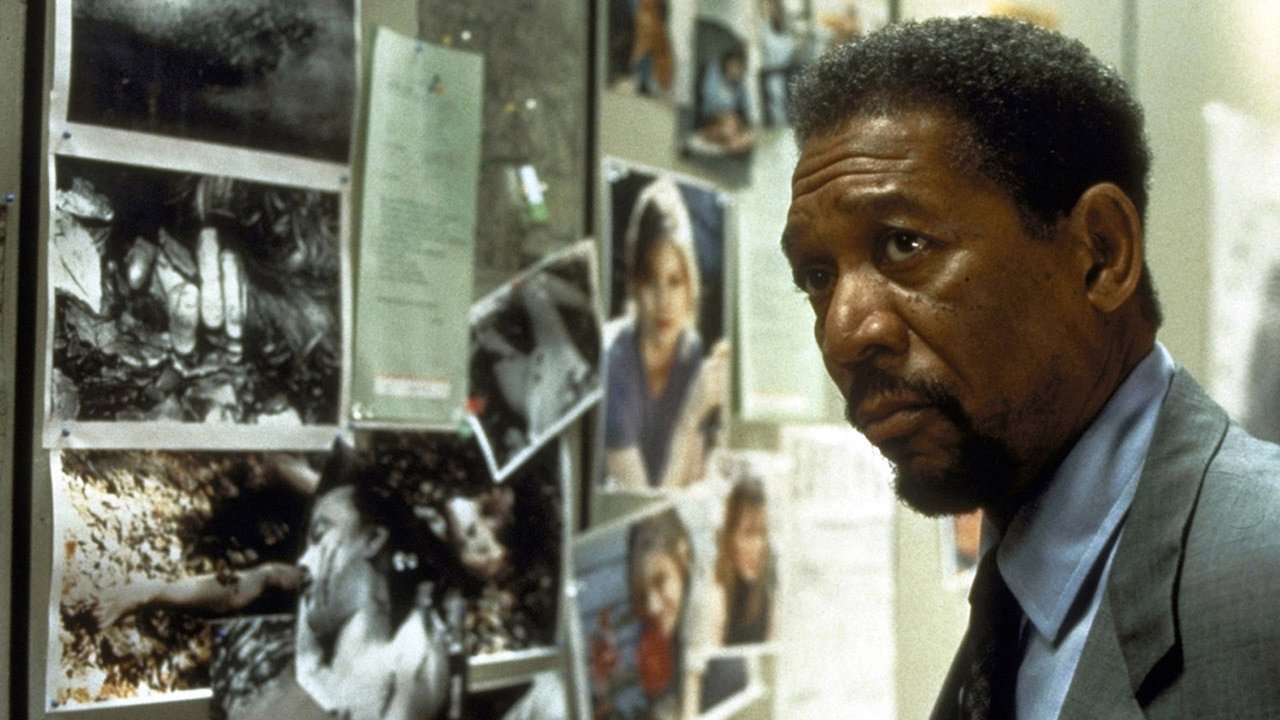
This score reflects the film's strengths: its palpable atmosphere, compelling lead performances (especially Judd's breakout), and genuinely gripping escape sequence. It successfully builds dread and delivers effective suspense rooted in character. Points are slightly tempered by some familiar thriller conventions and a plot that, while twisty, might not hold up perfectly under intense scrutiny decades later. However, its power to unnerve remains largely intact.
For fans of 90s thrillers, Kiss the Girls remains a compelling watch, a potent reminder of a time when movie star charisma and atmospheric dread could carry a dark story to box office success. It's a film that understood that true chills often come not from gore, but from the unsettling quiet just before the predator strikes.