Okay, tapeheads, gather 'round. Remember digging through those dusty shelves at the video store, past the glossy blockbuster boxes, and finding something… different? Maybe the cover art was a bit rough, the title intriguing, promising raw action you couldn't find anywhere else. That’s the exact feeling El Mariachi (1993) conjures up, even now. This isn't just a movie; it's a legend whispered among film fans, a testament to what sheer grit and a shoestring budget could achieve back in the day.
### Born from Necessity, Bathed in Gunpowder
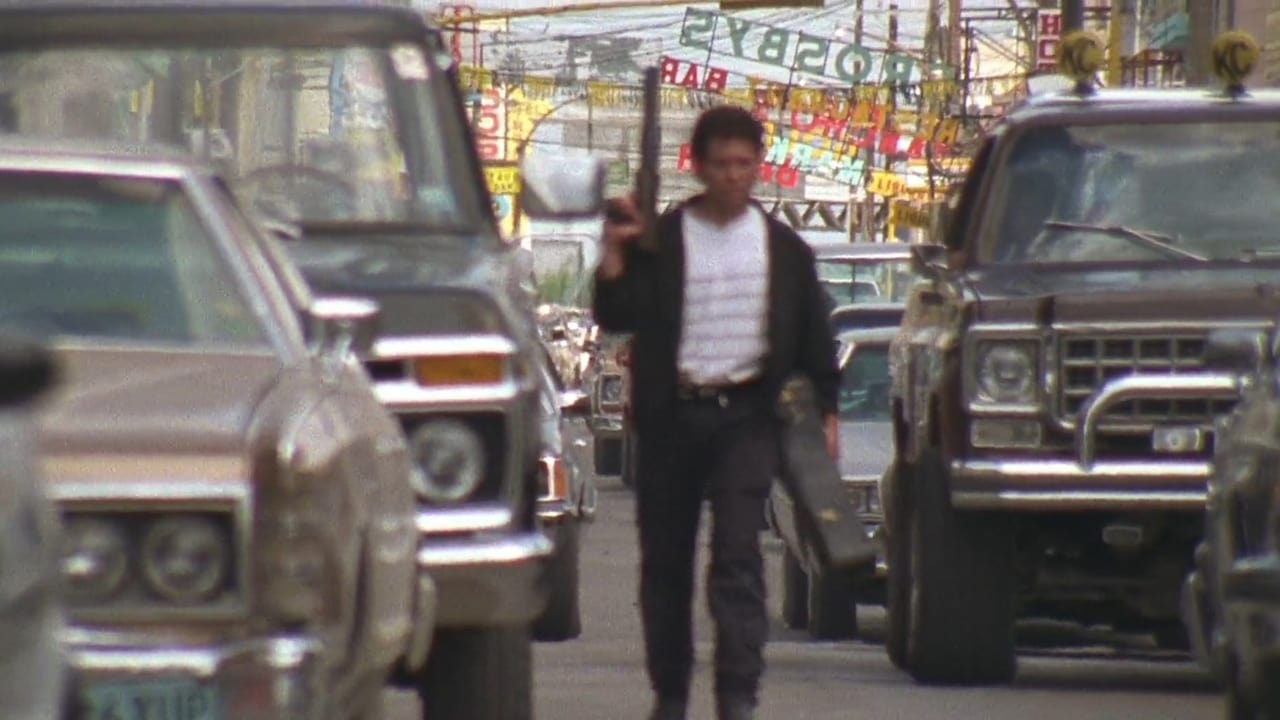
Let's get the most famous piece of trivia out of the way immediately, because it truly defines this film: El Mariachi was made for around $7,000. Seven. Thousand. Dollars. Director Robert Rodriguez, then just 23, famously raised part of that cash by participating in experimental drug testing – talk about suffering for your art! He didn't just direct; he wrote, shot (often handheld on 16mm), edited, and did the sound mixing himself, initially aiming for the Spanish-language home video market in Mexico. What resulted is pure, unadulterated guerrilla filmmaking, a raw burst of creativity that feels like lightning captured in a bottle... or maybe on a slightly fuzzy VHS tape.
The plot is deceptively simple, almost operatic in its mistaken identity premise. A nameless Mariachi (Carlos Gallardo, Rodriguez's longtime friend and collaborator) drifts into a dusty border town looking for work, carrying only his guitar case. Unfortunately for him, a ruthless killer named Azul has also just arrived, carrying his weapons in… you guessed it, an identical guitar case. What follows is a cascade of bloody misunderstandings as local crime boss Moco (Peter Marquardt) and his thugs hunt down the wrong man. Marquardt actually met Rodriguez during those same clinical trials – just one of the many fascinating, almost accidental pieces that fell into place during production.
### Action Forged in Fire (and Clever Editing)
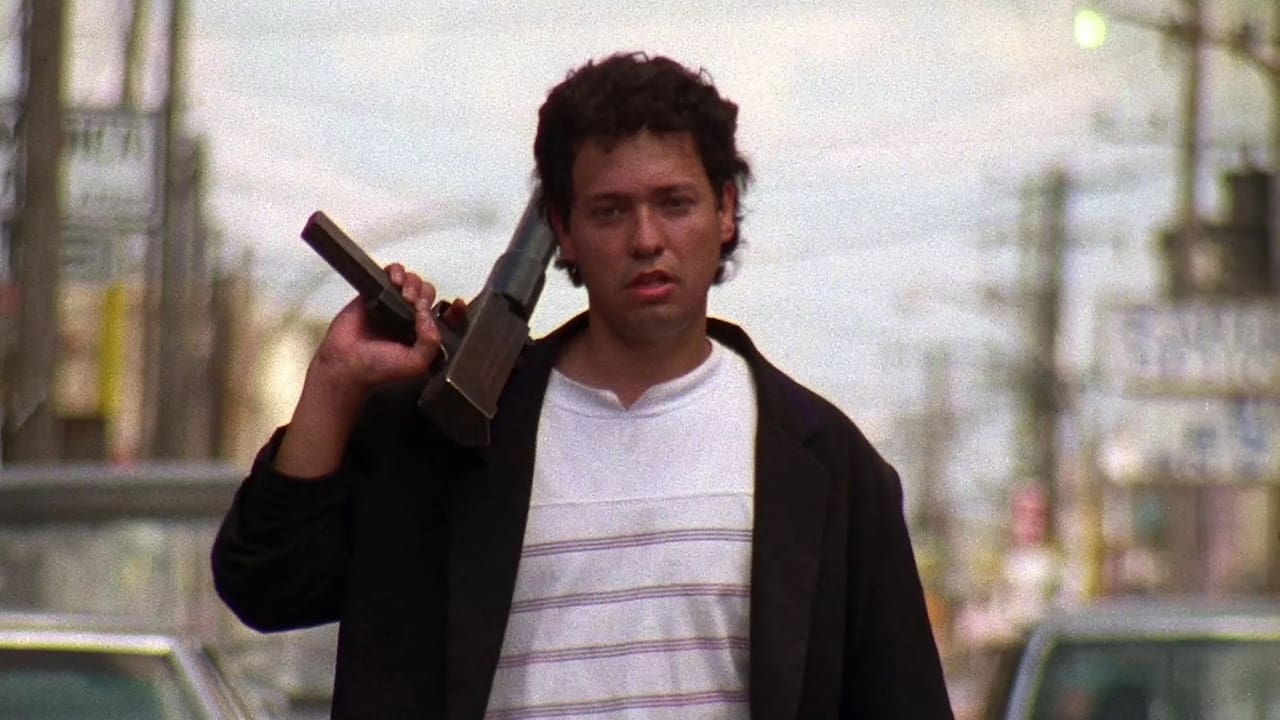
Forget polished, billion-dollar CGI extravaganzas. The action in El Mariachi feels visceral because it’s so clearly achieved through practical means and clever cinematic tricks. When guns fire, they look real because they often were (using blanks, of course), and the squibs used for bullet hits, while perhaps not Hollywood-perfect, have a gritty impact that CGI rarely matches. Remember how impactful those sudden bursts of violence felt back then, without the safety net of digital manipulation? Rodriguez uses rapid-fire editing – honed out of necessity to hide imperfections and make limited footage go further – to create a kinetic energy that punches well above its weight class.
There's an undeniable charm to seeing the seams. That famous tracking shot achieved using a broken hospital wheelchair? Genius born from lack of proper equipment. Rodriguez often filmed scenes silently and added sound effects later, sometimes using library sounds or foley created on the fly. It’s rough, yes, but it’s alive. You feel the heat, the dust, the desperation. Compare that to some modern action sequences that feel like watching a video game cutscene – technically flawless but lacking that tangible sense of danger and resourcefulness. This movie bleeds authenticity.

### More Than Just Bullets and Guitars
While the action is the main draw, Carlos Gallardo brings a quiet charisma to the title role. He’s not a superhero; he’s an ordinary guy thrown into an impossible situation, and his reactions feel grounded. Consuelo Gómez as Domino, the bar owner who gets caught in the middle, provides the film's heart, offering a brief respite from the chaos. Her chemistry with Gallardo is surprisingly effective, adding a layer of doomed romance to the proceedings.
Robert Rodriguez’s direction, even at this nascent stage, shows flashes of the stylish flair he’d later refine in films like Desperado (1995) – essentially a bigger-budget Hollywood remake/sequel starring Antonio Banderas – and From Dusk Till Dawn (1996). He clearly loves the language of cinema, using zooms, whip pans, and dynamic angles to keep things visually interesting despite the technical limitations. The slightly grainy 16mm footage, transferred to video, only enhances that feeling of discovering a hidden gem, something raw and untamed that somehow slipped through the cracks.
Columbia Pictures eventually picked up the film for distribution after it generated buzz at festivals, investing significantly more than the original budget just to clean up the sound mix and transfer it to 35mm for theatrical release. But the core DNA, that $7,000 miracle, remains gloriously intact. It became a cornerstone of the 90s indie film boom, proving that vision and passion could trump nine-figure budgets.
### The Verdict
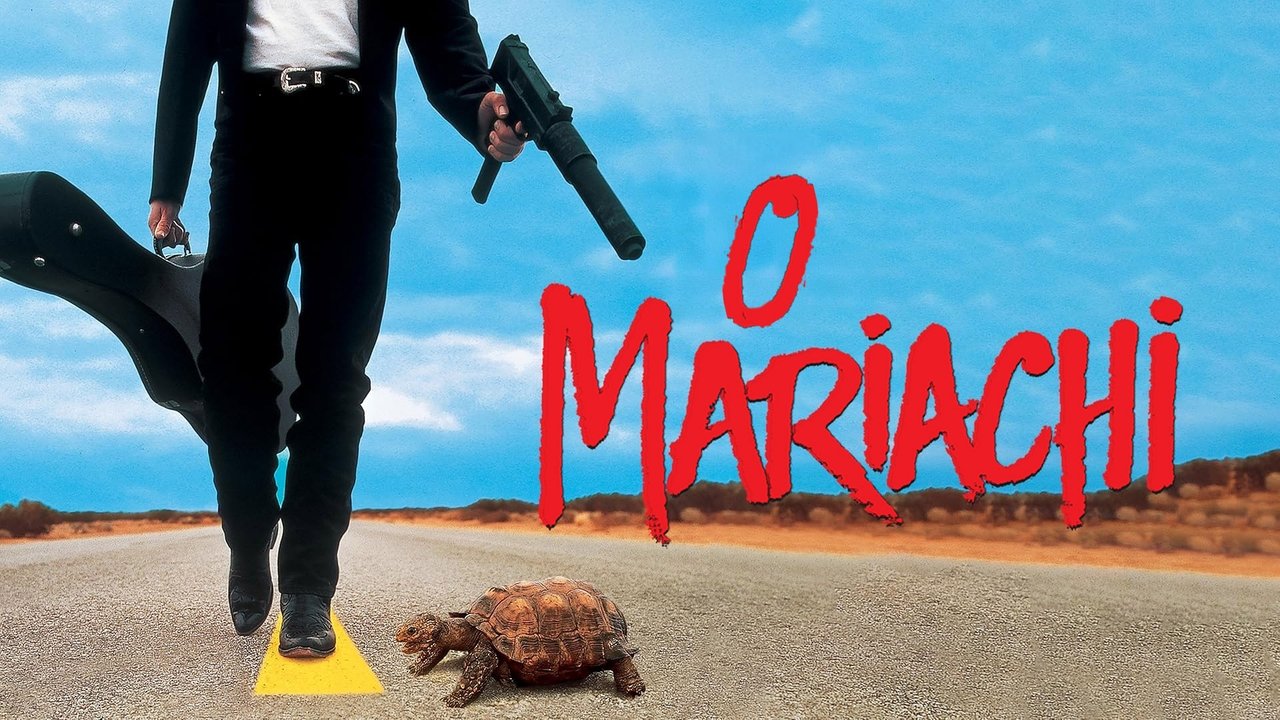
El Mariachi isn't perfect. Some performances are raw, the plot mechanics are straightforward, and the budget constraints are occasionally visible if you squint. But its energy is infectious, its backstory is legendary, and its influence is undeniable. Watching it feels like witnessing the birth of a major talent fueled by nothing but ingenuity and sheer willpower. It’s a reminder of a time when filmmaking felt more accessible, more rock 'n' roll.
Rating: 8.5/10 - The score reflects its monumental achievement relative to its resources and its enduring cult status. It's not flawless, but its impact and sheer audacity earn it high marks. It’s a masterclass in low-budget filmmaking that delivered high-octane thrills.
Final Thought: Forget slickness; El Mariachi is pure cinematic adrenaline shot straight from the hip, proving that sometimes, all you need is a camera, a guitar case, and a hell of a lot of nerve. A must-watch for anyone who misses when action felt less like pixels and more like gunpowder.