The city night breathes cold exhaust and unease. Some films just feel like New York City in the gritty transition between the 70s and 80s – a landscape of looming steel, decaying grandeur, and simmering violence. Few capture that specific, nerve-jangling energy quite like Bruce Malmuth’s 1981 thriller, Nighthawks. This isn't the triumphant fanfare of Sylvester Stallone's Rocky; this is Stallone stripped down, weary, and plunged into a darkness far more chilling than any boxing ring opponent.
Mean Streets, Global Threats
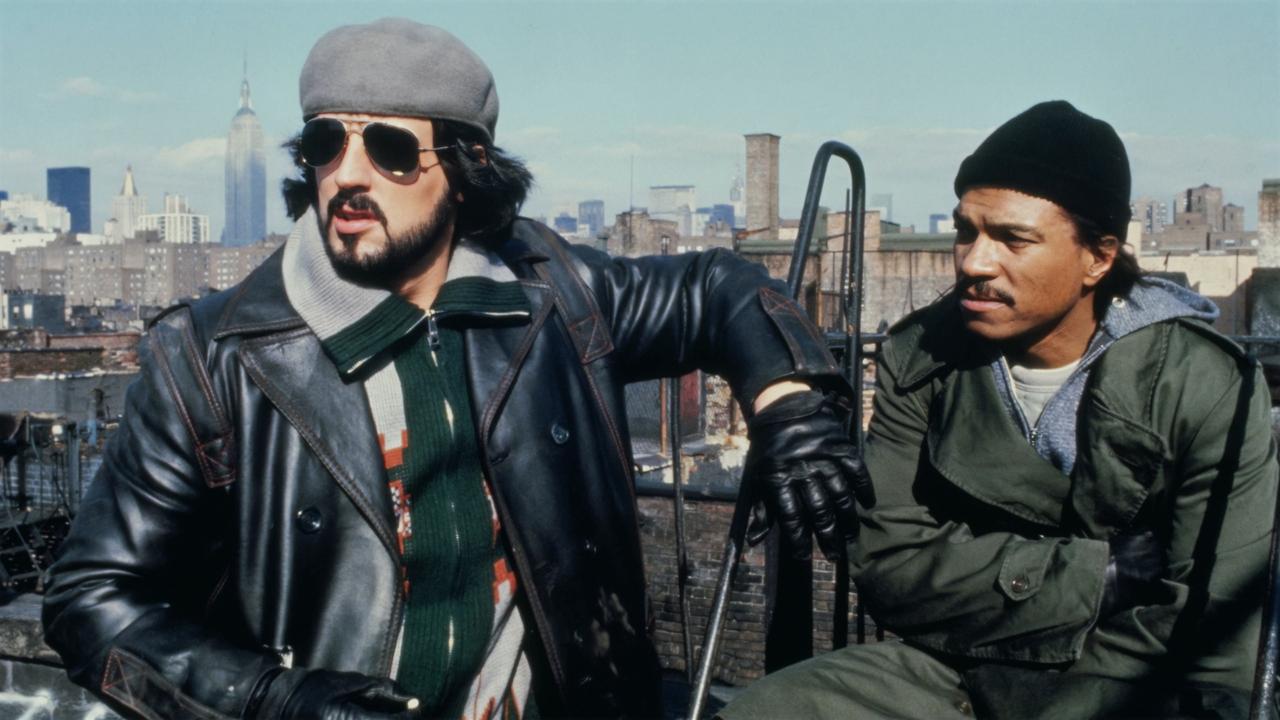
We meet NYPD Sergeant Deke DaSilva (Sylvester Stallone) and his partner Matthew Fox (Billy Dee Williams, smooth as ever between his galactic smuggling runs in Star Wars) working the brutal late shifts on the streets of the Bronx. They're effective, unconventional, clad in disguises – DaSilva memorably in drag to bait muggers – but grounded in the grim reality of urban crime. Their world is violently disrupted when Heymar "Wulfgar" Reinhardt (Rutger Hauer in his terrifying American debut), a ruthless international terrorist, slips into Manhattan after bombing a London department store. Suddenly, these street cops are drafted into an elite anti-terrorist unit, tasked with hunting an enemy whose methods and motivations are chillingly alien to their experience.
The setup immediately establishes a stark contrast: the grounded, reactive world of the NYPD versus the cold, calculating, proactive violence of Wulfgar. Nighthawks leans heavily into this clash, transforming the familiar streets of New York into an unpredictable hunting ground. It’s a premise that felt intensely relevant then, tapping into rising global anxieties, and it retains a certain raw power even now. Remember the tension as they meticulously studied surveillance photos, trying to anticipate the ghost in their midst?
Hauer's Reign of Terror
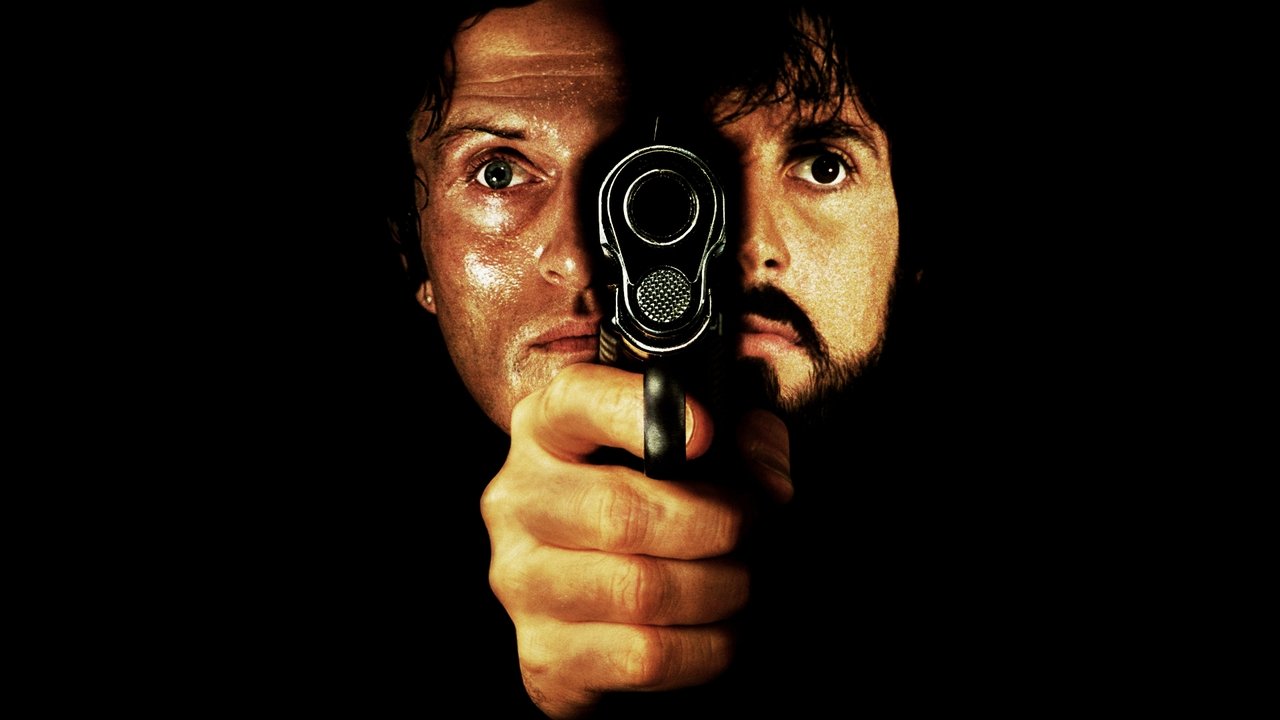
Let's be honest: the magnetic, horrifying pull of Nighthawks rests significantly on the shoulders of Rutger Hauer. Wulfgar isn't a cackling caricature; he's intelligent, methodical, and utterly devoid of empathy. His icy blue eyes seem to bore right through the screen. Hauer reportedly dove deep into the role, spending time with actual counter-terrorism experts and even learning intricate weapon handling techniques to enhance his portrayal's chilling authenticity. He embodies a different kind of threat – sophisticated, elusive, and operating by a code DaSilva struggles to comprehend. The scenes where Wulfgar coolly navigates the city, observing, planning, are drenched in dread. His confrontation with DaSilva in a packed disco, pulsing with Keith Emerson's driving score, remains an absolute masterclass in simmering tension. Doesn't that scene still make your skin crawl?
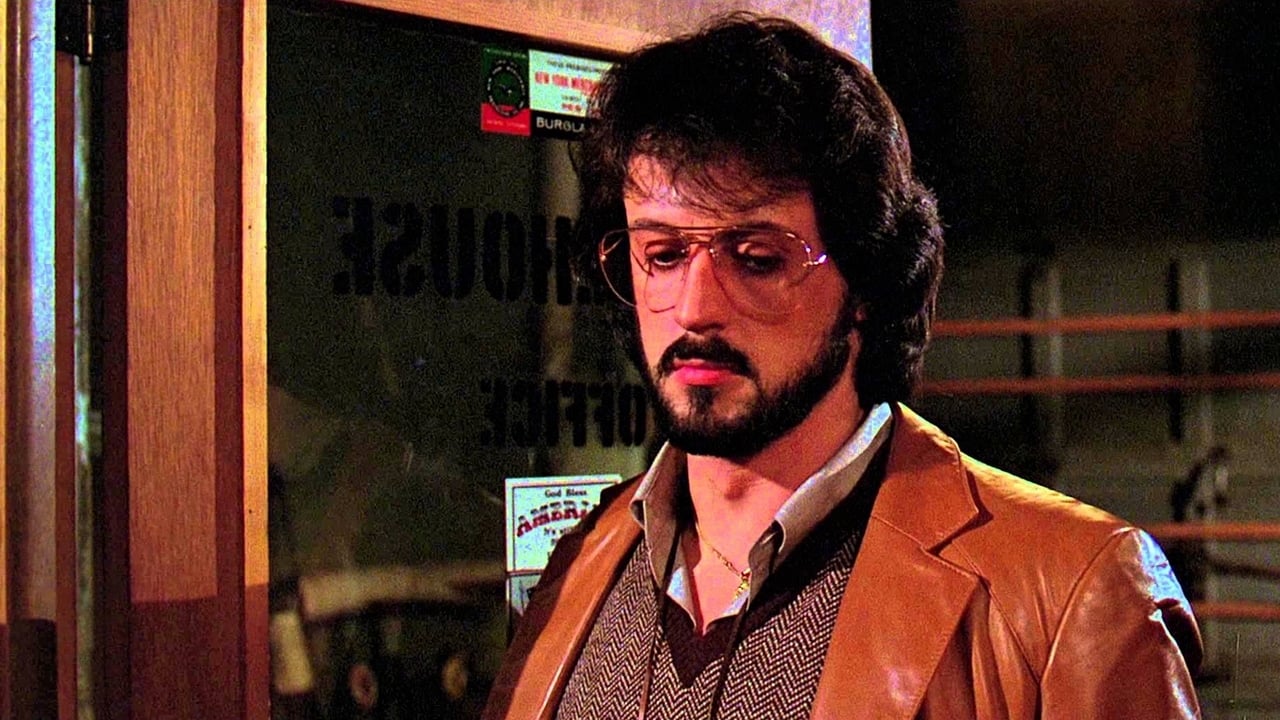
Stallone, for his part, delivers a surprisingly nuanced performance. DaSilva is tough, yes, but also visibly strained, uncomfortable with the paramilitary tactics he's forced to learn, and haunted by the escalation of violence. It's a far cry from the invincible action heroes he'd soon embody in films like First Blood (1982) and Cobra (1986). He's vulnerable here, physically and emotionally, which makes his eventual confrontation with Wulfgar far more compelling. The dynamic between Stallone and Billy Dee Williams feels genuine, their established partnership providing a necessary anchor amidst the chaos.
Production Grit and Retro Realism
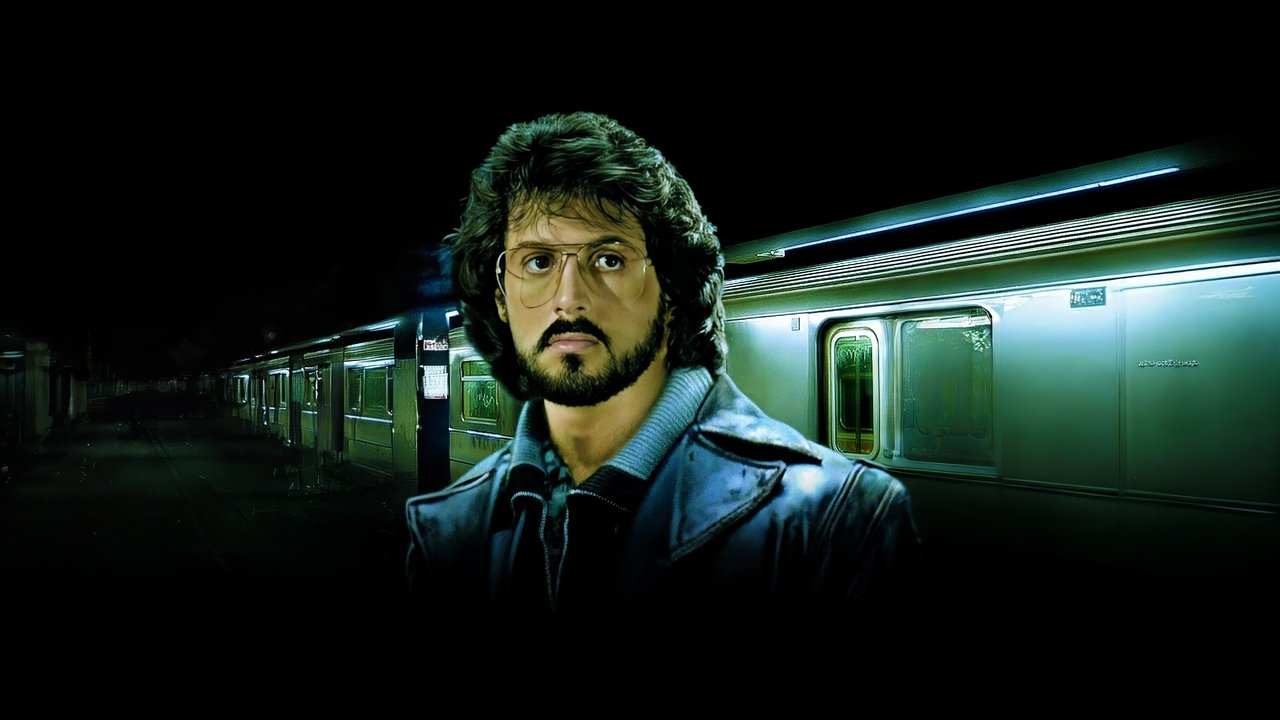
Nighthawks benefits immensely from its on-location shooting in New York City. The film captures the texture of the era – the graffiti-scarred subways, the bustling crowds, the slightly grimy sheen over everything. Filming wasn't always easy; reports suggest securing permits for scenes like the tense subway chase involved significant hurdles, adding another layer to the production's gritty realism. The film initially had a different director, Gary Nelson, who was replaced by Malmuth partway through, contributing to a sometimes-uneven feel but ultimately delivering a lean, mean final product.
Interestingly, the project reportedly began life as a potential The French Connection III, which perhaps explains its procedural focus and grounded tone, before being reshaped for Stallone. Stallone himself allegedly took the role partly to avoid being pursued for The Godfather Part III, a fascinating "what if" scenario. While Stallone later expressed some dissatisfaction with the final cut and Malmuth's direction, the film stands as a powerful entry in his early, more dramatic work. Made for a relatively modest $5 million, it pulled in nearly $20 million at the box office – a solid success story that translates to roughly a $16 million budget yielding a $65 million gross in today's money. Not bad for a dark, uncompromising thriller.
The practical effects, particularly the squib hits and moments of sudden violence, felt shockingly visceral back on VHS. There's a weight and impact to them that often gets lost in modern CGI. The anti-terrorist training sequences, showcasing specialized weaponry and tactics, added a layer of authenticity that was quite novel for mainstream audiences at the time.
Echoes in the Dark
While perhaps overshadowed by bigger 80s action blockbusters, Nighthawks remains a potent and atmospheric thriller. Its influence can be felt in later "cop vs. sophisticated killer" narratives. It presented a major star in Stallone grappling with a darker, more morally ambiguous conflict than audiences were used to seeing him in, and it unleashed the unforgettable menace of Rutger Hauer onto American screens just before his iconic turn in Blade Runner (1982). The film doesn't shy away from the ugliness of violence or the psychological toll it takes, culminating in a confrontation that feels earned and brutally final. It's a film that sticks with you, less for flashy set pieces (though the cable car sequence is memorable) and more for its pervasive sense of urban dread and the chilling performance at its dark heart.
***
VHS Heaven Rating: 8/10
Nighthawks earns its stripes with its palpable atmosphere, gritty realism, and an absolutely electrifying villain performance from Rutger Hauer. Stallone delivers commendable dramatic weight, and the film captures a specific early 80s NYC vibe perfectly. While perhaps a little lean on character depth outside the central conflict and occasionally showing signs of its behind-the-scenes shuffles, its core tension and Hauer's chilling presence make it a standout thriller from the era.
Final Thought: In the flickering glow of a CRT, Nighthawks wasn't just an action movie; it was a cold dose of urban paranoia, reminding us that sometimes the most dangerous predators walk among us, hidden in plain sight.