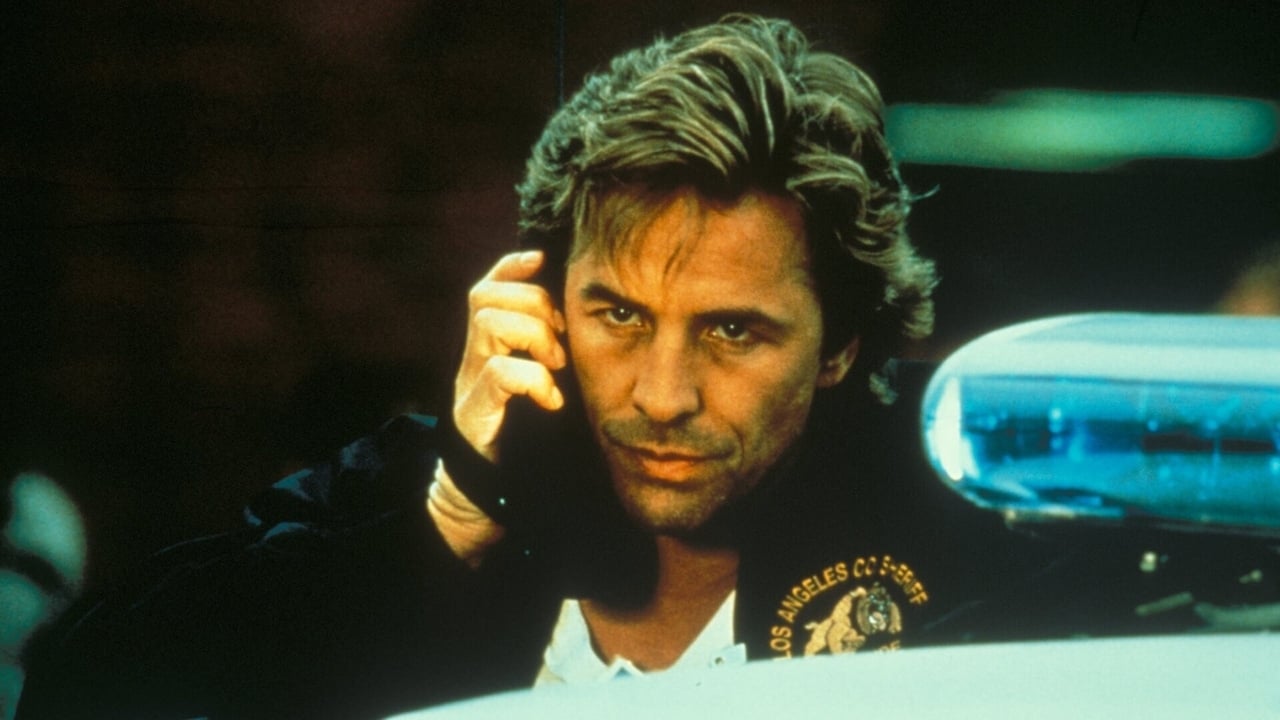
Forget the sun-drenched pastels and sockless loafers of Miami. The air hangs heavy and stale in Dead Bang (1989), thick with the scent of cheap whiskey, gunpowder, and desperation. This isn't the aspirational cool of Crockett; this is the frayed-nerve reality of LAPD Homicide Detective Jerry Beck, a man seemingly held together by caffeine, nicotine, and sheer, stubborn grit. Plunging us into a Christmas Eve murder scene that rapidly spirals into something far darker, the film immediately establishes a tone of weary cynicism, a world away from the neon glow many associated with its star.
A Different Shade of Johnson
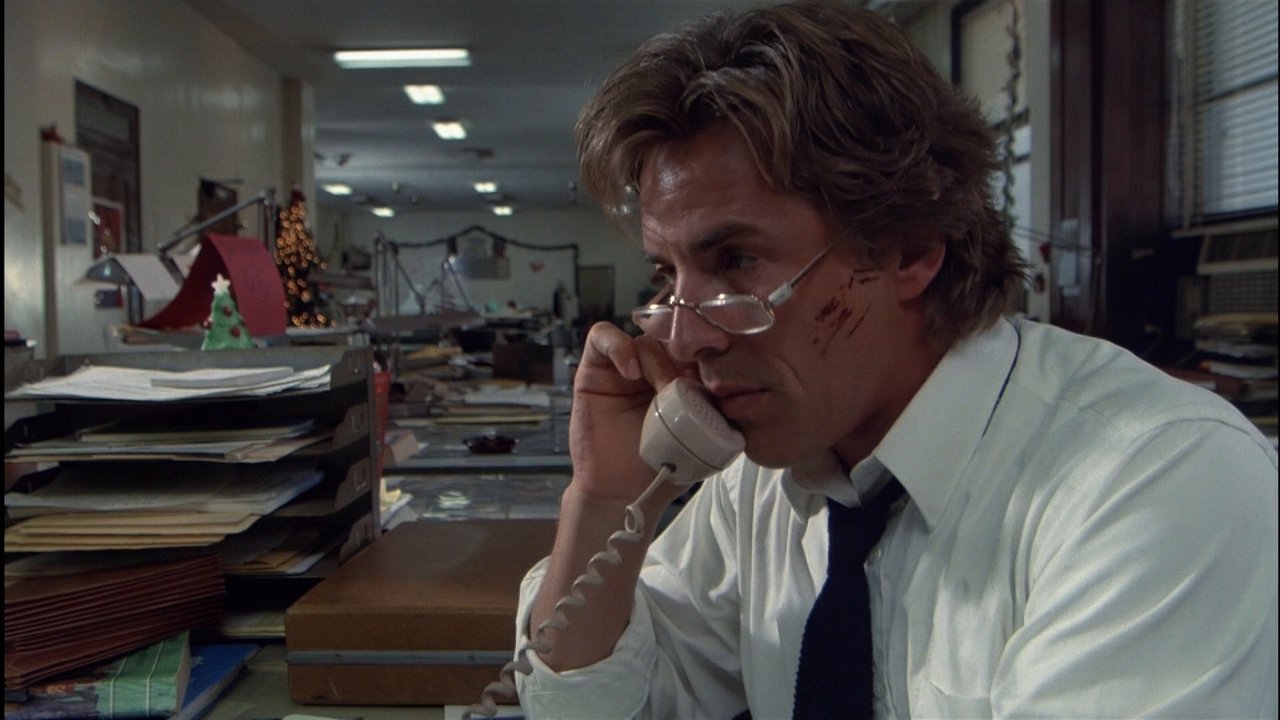
Stepping into the rumpled suit of Detective Beck, Don Johnson, then at the peak of his Miami Vice fame, delivers a performance steeped in exhaustion and simmering rage. Beck isn't a hero; he's a barely functioning screw-up, navigating a messy divorce, estrangement from his kids, and a job that chews up souls for breakfast. It's a deliberate and mostly successful attempt by Johnson to shed his slick TV persona for something rougher, more grounded. You feel the weight of every late night, every cold coffee, every dead end. Interestingly, the character and the core story were based on the real-life experiences of LAPD Detective Jerry Beck, lending a raw authenticity to the proceedings – this wasn't just Hollywood fantasy, but rooted in the dangerous pursuit of violent extremists. Rumors persisted of on-set friction between Johnson's more relaxed approach and the notoriously demanding director, but whatever the dynamic, Johnson channels a believable world-weariness.
Frankenheimer's Steady, Unforgiving Hand
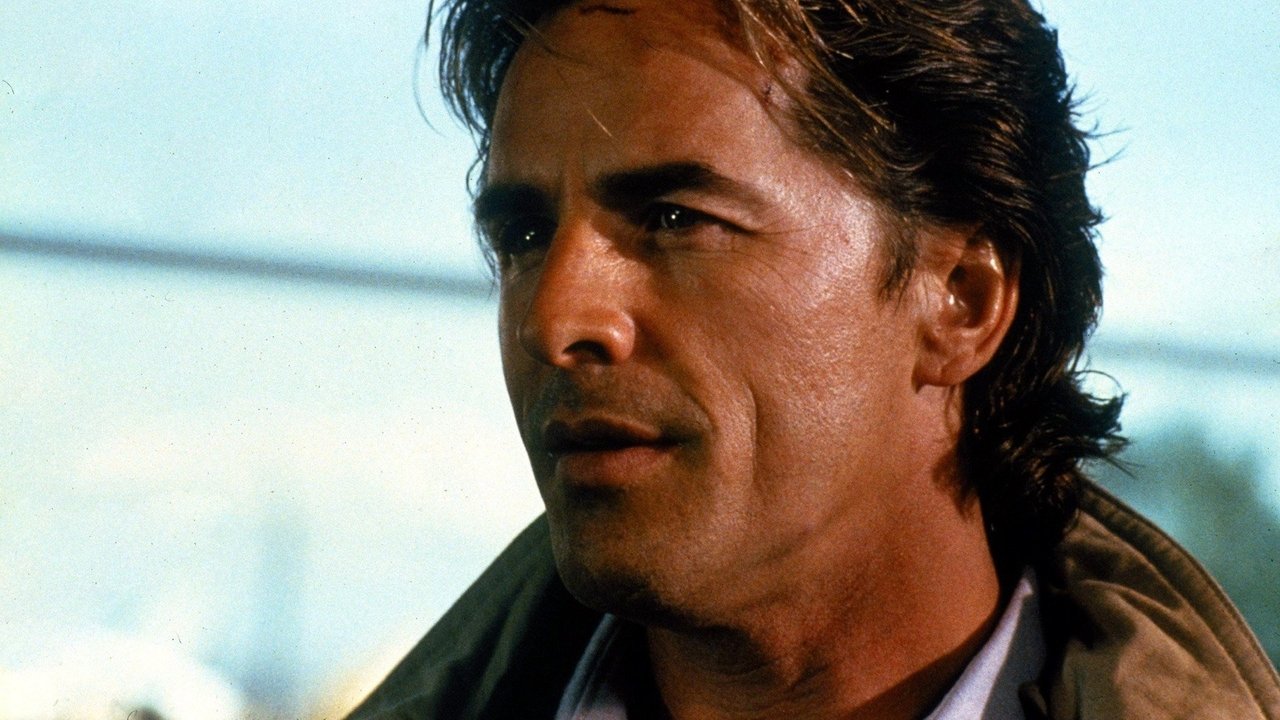
Behind the camera sits the legendary John Frankenheimer, a director whose pedigree includes stone-cold classics like The Manchurian Candidate (1962) and Seconds (1966). By the late 80s, his career was perhaps less high-profile, but his talent for crafting taut, atmospheric thrillers remained undiminished. Dead Bang benefits immensely from his assured direction. There's a palpable sense of place and pressure; Frankenheimer avoids flashy theatrics, instead focusing on procedural detail and sudden bursts of brutal violence. The film’s pervasive sense of damp, bone-chilling cold feels authentic, perhaps amplified by the decision to shoot significant portions in Calgary and other parts of Alberta, Canada, which convincingly doubled for the less glamorous corners of Colorado, Arizona, and Oklahoma where Beck's investigation leads him. This choice lends the film a unique visual texture, far from the expected sunny California noir.
Down the Rabbit Hole of Hate
The plot kicks off with the seemingly routine murder of a cop on Christmas Eve, but Beck’s instincts tell him there’s more to it. His investigation quickly uncovers a trail leading to a network of violent white supremacists planning something big. The film doesn’t shy away from the ugliness of this ideology, portraying the antagonists, including a chillingly intense William Forsythe (memorable from Raising Arizona (1987)), not as cartoon villains but as genuinely dangerous fanatics. As Beck digs deeper, moving from California to Arizona and into the snowbound heart of Colorado, the danger escalates, pushing him further to the edge. Penelope Ann Miller (Carlito's Way (1993)) provides capable support as a key witness caught up in Beck's chaotic wake, adding a touch of civilian vulnerability amidst the escalating mayhem.
Retro Fun Facts: Grit, Gunfire, and Box Office Blues
- Real Steel: The film aimed for realism, particularly in its depiction of firearms and police procedure, reflecting its basis in Detective Beck's actual case files.
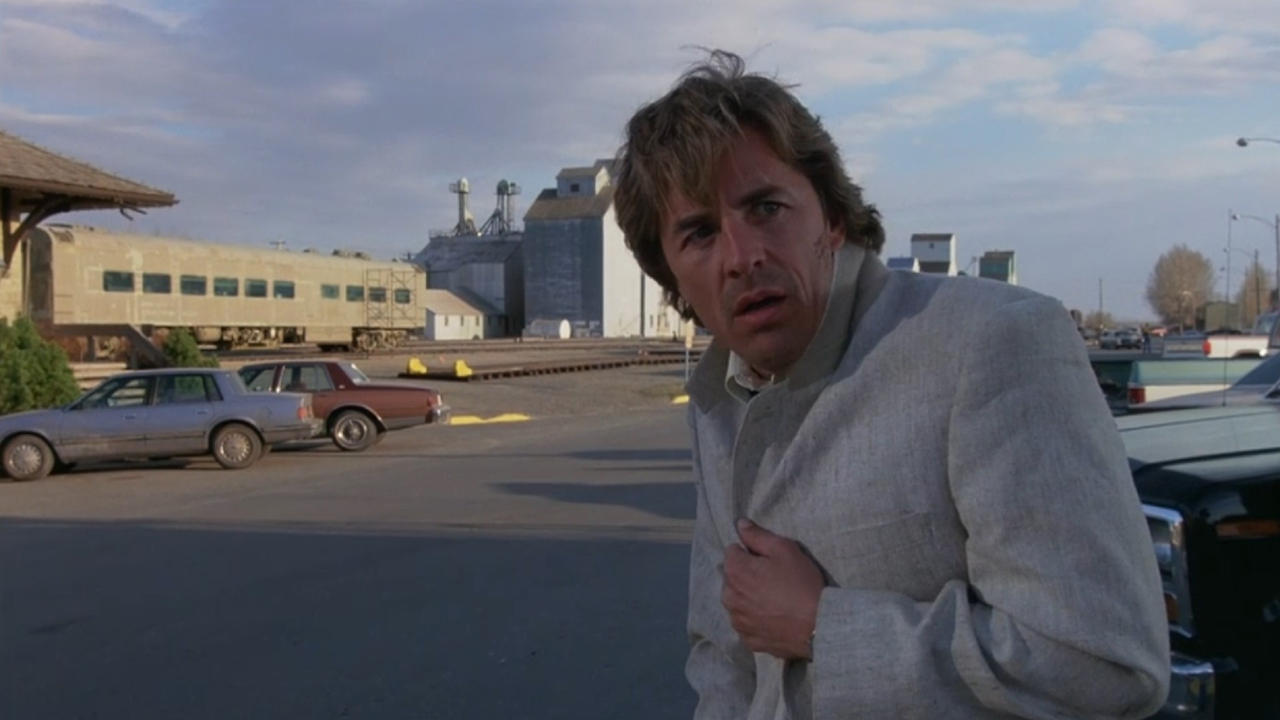
- Canadian Stand-In: While Beck's journey spans several US states, the bulk of the filming took place in Canada, primarily Calgary, Alberta. This likely helped stretch the $21.9 million budget, but also contributed to the film's distinct, often bleak, visual identity.
- Tagline Trouble?: The main tagline was "He's a good cop having a bad day." While accurate, it perhaps undersold the film's grim subject matter and violent intensity, possibly contributing to its disappointing box office performance.
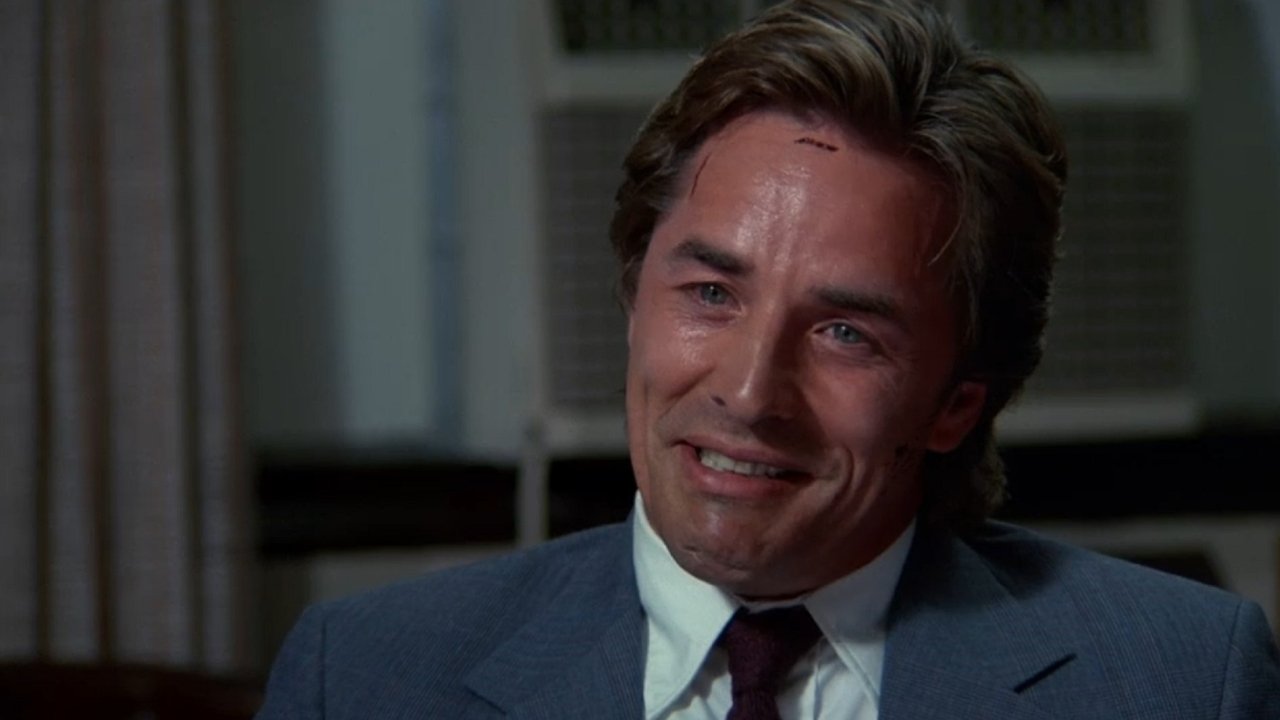
- Financial Misfire: Despite Johnson's star power and Frankenheimer's direction, Dead Bang struggled commercially, grossing only around $8.1 million in the US. It became one of those titles more likely discovered on video store shelves than during its initial theatrical run. I distinctly remember the stark cover art beckoning from the action section, promising something tougher than the usual fare.
- Title Explained: The term "dead bang" is police slang for a case where the evidence is overwhelming and the suspect's guilt is considered certain or open-and-shut.
A Bleak but Compelling Relic
Dead Bang isn't a perfect film. Its pacing occasionally flags, and some plot mechanics feel a bit conventional for the genre. Yet, it possesses a gritty integrity and a level of visceral impact that resonates. It’s a film that feels distinctly of its time – a hard-R, unapologetically violent cop thriller made for adults, before the genre became overly polished or reliant on CGI. Johnson's performance, while perhaps not his most nuanced, is effective in conveying the sheer toll of the job, and Frankenheimer crafts sequences of genuine tension and startling violence. Does that final shootout still feel satisfyingly chaotic? For fans of the genre, absolutely.
Rating: 7/10
The score reflects a tough, well-directed, and commendably grim late-80s thriller anchored by a solid central performance and Frankenheimer's undeniable craft. It successfully captures a sense of weary realism and delivers impactful action, even if it never quite transcended its genre trappings or found a wider audience initially.
For those browsing the dusty shelves of VHS Heaven, Dead Bang is a potent shot of unvarnished, late-80s grit – a compelling, violent chase into the dark corners of America, guided by a master filmmaker and starring a TV icon pushing against his established image. It’s a film that earns its title, feeling both certain in its grim trajectory and impactful in its execution.