Okay, pop that tape in the VCR, maybe hit tracking a couple of times to clear up the fuzz... remember that feeling? Tonight on VHS Heaven, we’re diving headfirst into the tequila-soaked, bullet-riddled explosion of style that is Robert Rodriguez’s Desperado (1995). This wasn't just a movie back then; it felt like a declaration – a hyper-kinetic blast of Mariachi cool that hit screens with the force of a shotgun-loaded guitar case.
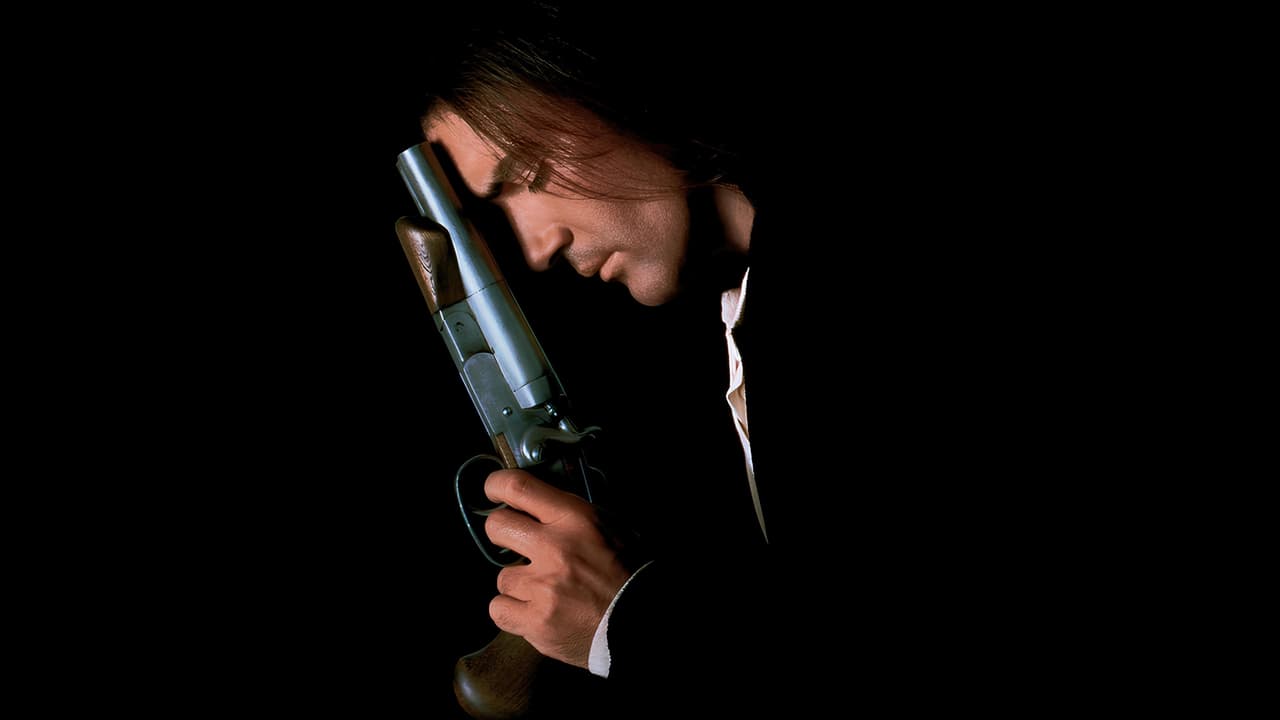
### From Micro-Budget Miracle to Studio Showdown
Before we get to the main event, let's rewind a bit. Many of us first encountered this world through Rodriguez's legendary $7,000 debut, El Mariachi (1992). That film, famously funded in part by Rodriguez subjecting himself to paid medical testing, was a miracle of low-budget ingenuity. Columbia Pictures snapped up the rights, loved the concept, but wanted something... bigger. Enter Desperado, essentially a slicker, star-powered remake/sequel, now armed with a comparatively hefty $7 million budget. While some purists missed the raw grit of the original, you couldn't deny the sheer explosive energy Rodriguez unleashed with actual resources. He took the core story – a mysterious musician seeking vengeance against the drug lord who shattered his life – and cranked every single dial up to eleven.
### The Brooding Balladeer Arrives
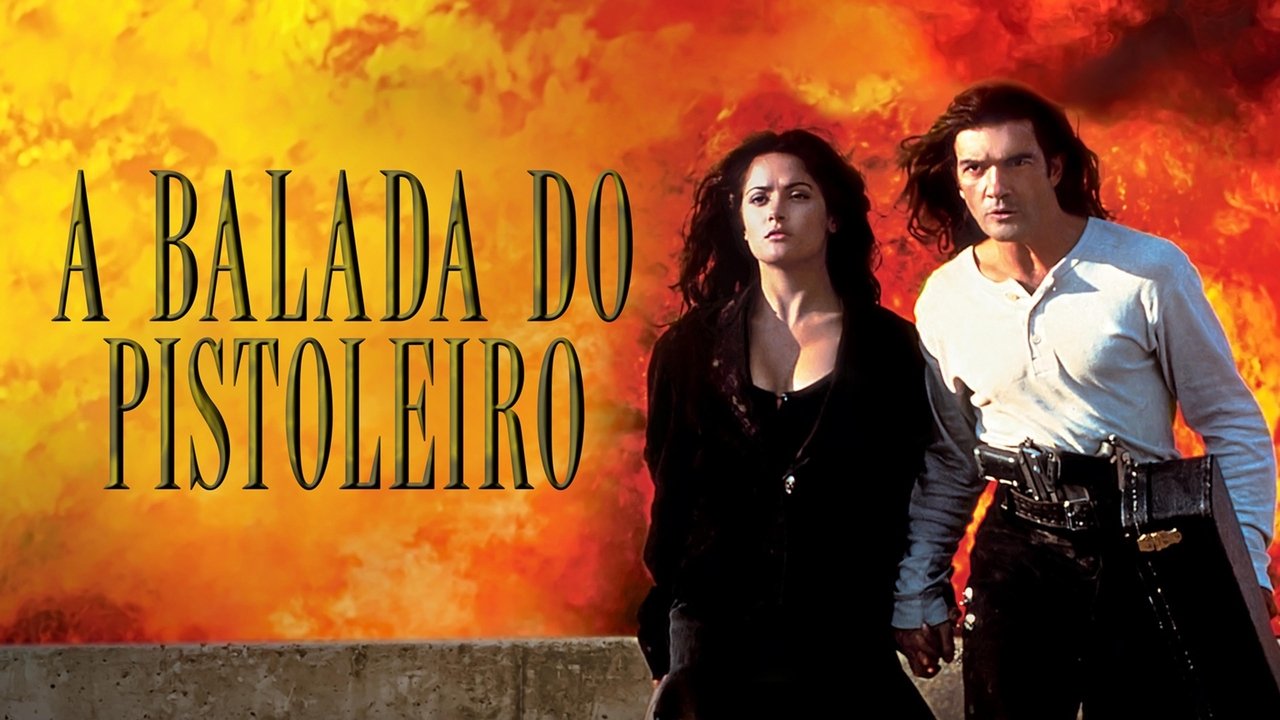
And who better to step into the dusty boots of the vengeful Mariachi than Antonio Banderas? Already a star in his native Spain thanks to his work with Pedro Almodóvar, Desperado truly announced his arrival as a Hollywood leading man, dripping with charisma and effortless cool. He is El Mariachi – stoic but simmering, deadly serious about his mission yet capable of a wry smirk. Banderas reportedly threw himself into the role, even taking guitar lessons to lend authenticity to the musical moments, though let's be honest, the truly blistering fretwork we hear belongs to virtuosos like Los Lobos. Still, he sells the image perfectly, wielding that iconic guitar case arsenal like a natural extension of his vengeful soul.
### Action That Felt Real (Even When It Was Insane)
Let's talk about why this movie felt so electrifying on that grainy CRT screen. The action in Desperado is pure, uncut 90s practical mayhem. Rodriguez, already showcasing the hyper-stylized editing and dynamic camerawork that would become his trademark (seen later in films like From Dusk Till Dawn (1996) and Sin City (2005)), orchestrates ballets of blood and bullets. Remember that insane opening bar shootout? The sheer kinetic energy, the practical squibs erupting like crimson fireworks, the stunt performers flying through the air – it felt visceral in a way that smoother, CG-heavy action often lacks today.

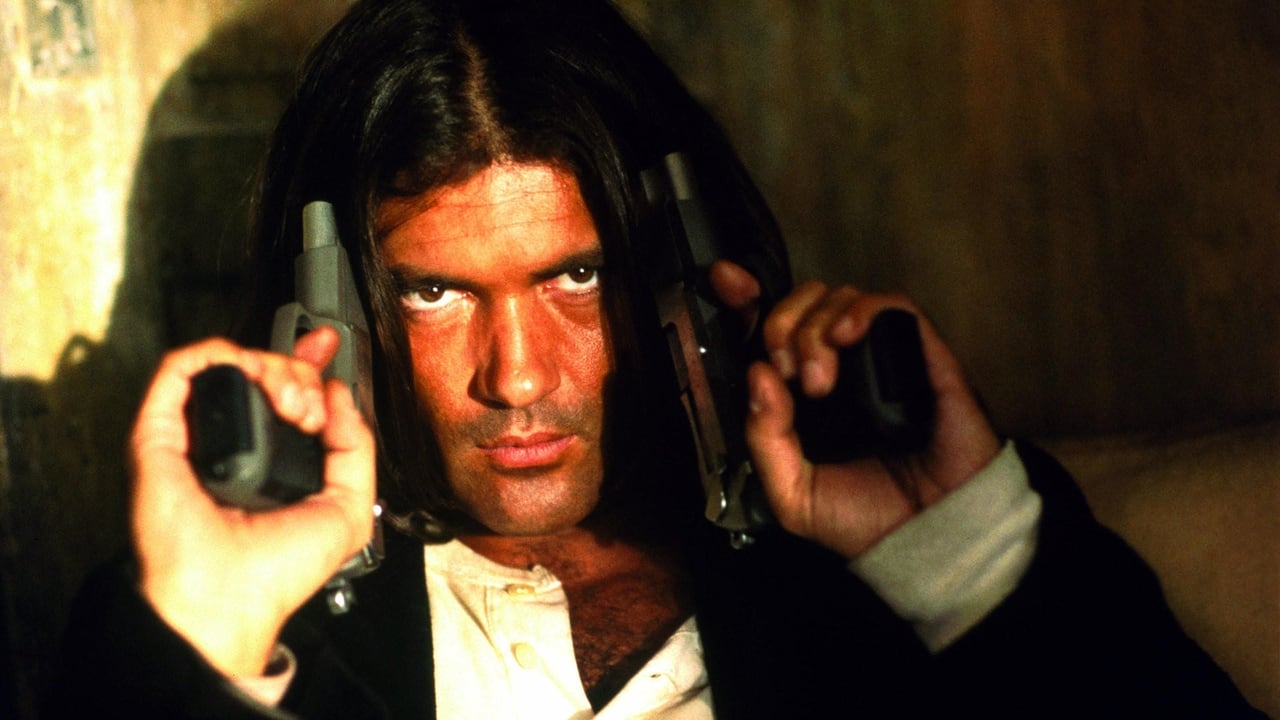
Sure, it's heightened reality, bordering on cartoonish at times (guys flying backwards 20 feet from a shotgun blast!), but the impact felt tangible. Real fire, real shattered glass, real cars getting dented. There’s a gritty texture to it all. This was Rodriguez the auteur having an absolute blast, essentially acting as his own writer, director, and editor (and often camera operator!), channeling influences from Sergio Leone to John Woo. He even threw in a brilliant, scene-stealing cameo for his buddy Quentin Tarantino, whose infamous "pissy beer" joke remains darkly hilarious.
### More Than Just Gunfire
But Desperado wasn't just empty spectacle. It introduced the world to the luminous Salma Hayek as Carolina, the bookstore owner who gets drawn into El Mariachi's dangerous world. Rodriguez famously fought the studio to cast Hayek, who wasn't yet a household name, and thank goodness he did. Her chemistry with Banderas absolutely sizzles, providing the film's surprisingly effective romantic core amidst the chaos. Their connection feels genuine, adding emotional weight to the explosive proceedings.
On the other side of the coin, Joaquim de Almeida delivers a chillingly effective performance as Bucho, the calculating drug lord who serves as the target of El Mariachi's quest. He’s not just a cackling villain; there’s a weariness and menace to him that makes him memorable. And let's not forget the fantastic supporting players who populated this dusty Mexican town (actually filmed primarily in Ciudad Acuña, Mexico), including memorable turns from Steve Buscemi (delivering that crucial opening exposition) and the ever-reliable Cheech Marin as the short-tempered bartender.
### Echoes in the Dust
Desperado landed well back in '95, becoming a solid box office success (grossing over $25 million domestically) and generally earning positive reviews for its sheer style and Banderas's star-making turn, even if some critics found the plot a bit thin. It solidified Rodriguez as a major talent to watch and became an instant cult favorite on home video. Watching it now, it’s undeniably a product of its time – the fashion, the slightly overcooked dialogue, the sheer 90s-ness of it all – but that's part of its charm. It’s a film that wears its influences on its sleeve but remixes them into something uniquely Rodriguez. The Los Lobos-heavy soundtrack alone is worth the price of admission (or rental fee, back in the day!). It perfectly complements the sun-baked visuals and explosive action.

Rating: 8.5/10
Why the score? Desperado is pure cinematic adrenaline shot straight into your eyeballs. While the plot might be straightforward revenge fare, the execution is anything but. Banderas is magnetic, Hayek is radiant, the supporting cast shines, and Rodriguez directs with a visual flair and infectious energy that's impossible to resist. The practical action sequences remain thrillingly visceral, serving as a potent reminder of what made 90s action feel so raw and exciting. It’s stylish, violent, funny, and romantic – a potent cocktail that still packs a serious punch.
Final Thought: This is peak VHS-era gunslinger cool – a film that proved style could be substance when wielded with enough explosive panache. Still absolutely worth watching loud.