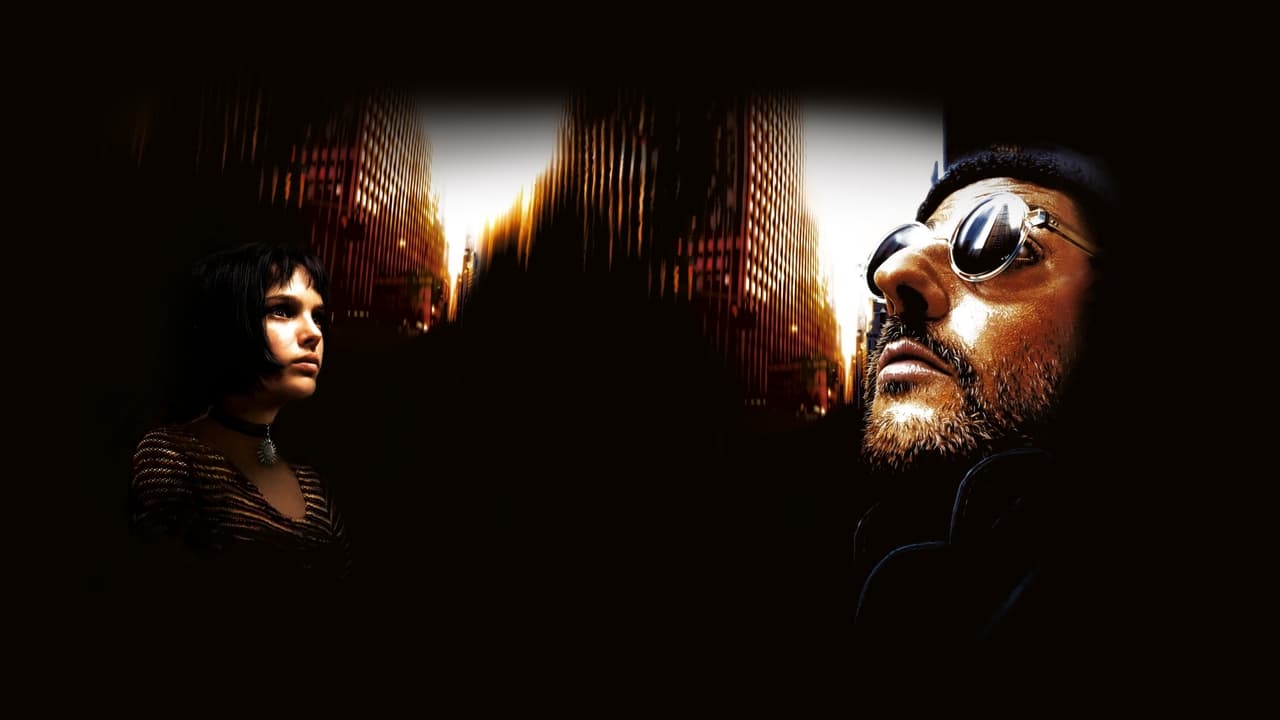
It starts with a pair of sunglasses, dark circles reflecting a world seen but not truly engaged with. And then, milk. Always milk. The mundane rituals of a ghost, living between the cracks of New York City. Luc Besson's Léon (or The Professional, as many of us first encountered it on those chunky US rental tapes) doesn't just depict loneliness; it weaponizes it, crafting a portrait of lethal isolation that still feels sharp, dangerous, and strangely heartbreaking decades later. This wasn't just another hitman flick filling the shelves down at Video Palace; it felt different, darker, somehow more real in its stylized unreality.

An Unlikely Sanctuary
The premise hangs on a knife's edge of discomfort: Léon (Jean Reno), a supremely efficient, almost monastic contract killer – a "cleaner" – takes in Mathilda (Natalie Portman, in a debut that remains astonishing), a 12-year-old girl whose family is brutally murdered by a corrupt, pill-popping DEA agent. Their apartment building becomes both sanctuary and prison, the claustrophobic hallways echoing with the tension of their forced proximity. Besson, who famously dashed off the script in just 30 days while waiting for his larger sci-fi epic The Fifth Element to get off the ground, taps into something primal here: the need for connection, even in the most broken of circumstances. He envisioned Léon as a smaller film, something more immediate, yet it arguably became his most enduring work.
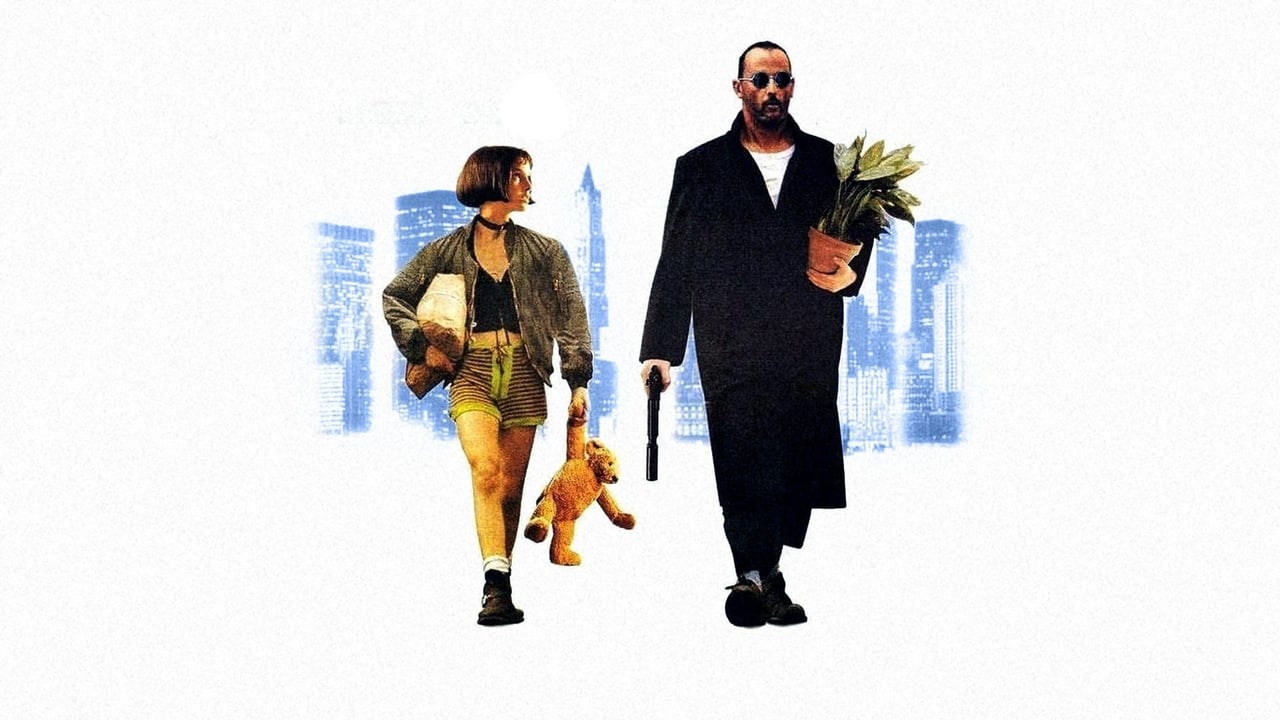
The atmosphere is thick enough to choke on. Thierry Arbogast's cinematography paints NYC not as a glittering metropolis, but as a decaying labyrinth of fire escapes, peeling paint, and shadowed doorways. It’s the perfect hunting ground for Léon, a man who seems more comfortable talking to his houseplant than to other humans. Reno, reprising a character archetype he explored in Besson's earlier La Femme Nikita (1990), is mesmerizing. His stillness speaks volumes; the way he cradles a glass of milk, the meticulous care he gives his plant (his "best friend," he says, because it's always happy and asks no questions), the sudden, explosive violence he unleashes when necessary – it’s a performance built on haunting contrasts. Reno reportedly approached Léon as someone profoundly emotionally stunted, almost child-like himself, which makes his bond with Mathilda all the more complex and unsettling.

Dancing with the Devil
And then there’s Stansfield. Oh, Stansfield. Gary Oldman doesn't just play the villain; he inhales the role, contorting it into something unforgettable and genuinely terrifying. Twitching, sweating, ranting about Beethoven between acts of horrific violence, his Norman Stansfield is corruption made manifest. Much of Oldman's unhinged brilliance was reportedly improvised; Besson wisely let the camera roll during takes where Oldman would riff, capturing raw, unpredictable menace. Remember that spine-chilling crack in his voice before he screams "EVERYONE!"? Pure Oldman, pure nightmare fuel. It’s a performance so dialed up, it borders on caricature, yet it feels utterly grounded in the film's heightened reality. It's the kind of villainy that lingered long after the VCR clicked off.
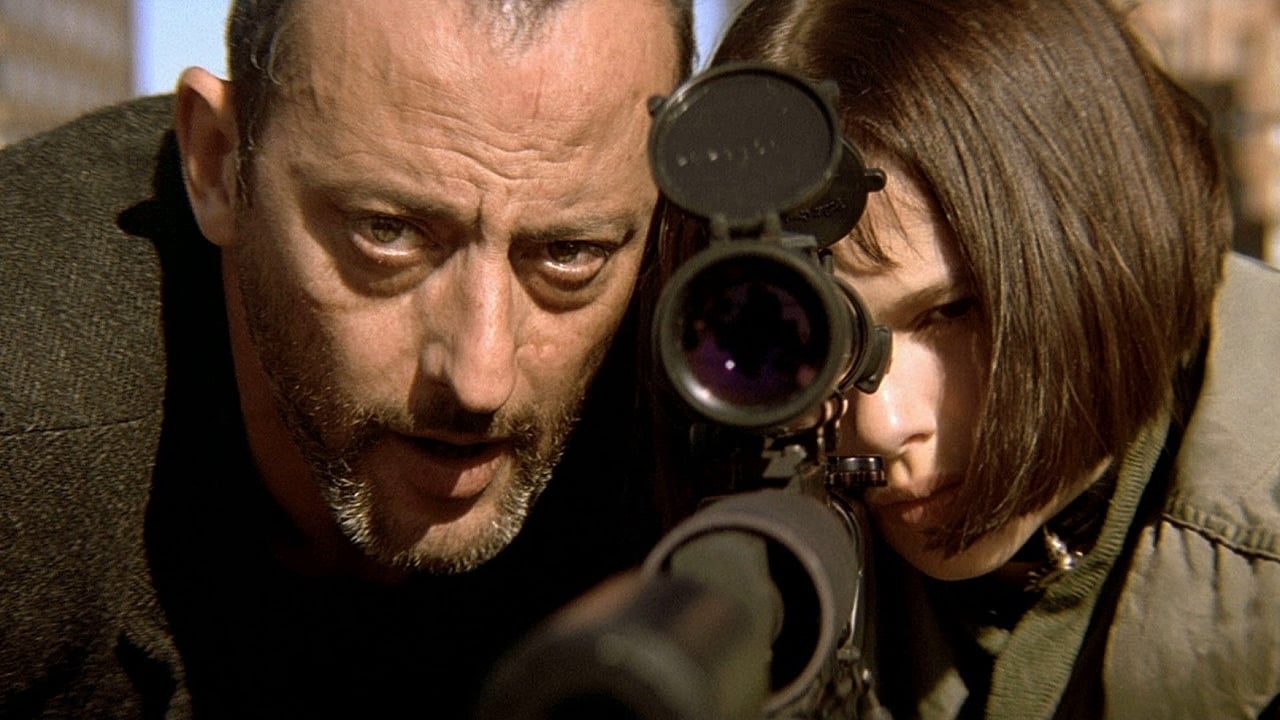
The dynamic between Léon and Mathilda is, of course, the film's pulsating, controversial heart. Natalie Portman, barely a teenager, delivers a performance of staggering maturity and ferocity. The story of her audition is legendary: initially dismissed for being too young, she returned and delivered a scene (reportedly the one where Mathilda talks about her brother) that left no doubt. Her parents insisted on strict conditions regarding her portrayal, particularly around smoking, ensuring the film didn't glamorize it for her character. Watching it now, the unease generated by their relationship is undeniable, a tightrope walk between mentorship, dependency, and something far more ambiguous. It forces questions about innocence, corruption, and the strange forms love and loyalty can take. The longer international cut, simply titled Léon, delves even deeper into this territory, restoring scenes trimmed for the American The Professional release – a classic example of VHS offering different shades of the same story depending on which version you found.
Echoes in the Concrete Jungle
Beyond the leads, the film’s craft is impeccable. Éric Serra’s score is iconic, weaving melancholic synth textures with moments of pulsing action A great example of 90s scoring that creates mood rather than just dictating emotion. The action sequences, particularly the apartment building sieges, are masterclasses in contained chaos – brutal, efficient, and geographically coherent. You feel the plaster dust, the ricochets in confined spaces. It’s a testament to Besson’s stylish direction, blending European arthouse sensibilities with American action tropes. Shot for around $16 million, it wasn't a runaway blockbuster initially ($19.5m US/$46m worldwide), but its cult status exploded on home video, making it a defining film of the 90s independent action scene.
Does it hold up? Absolutely. The central performances remain magnetic, the atmosphere is potent, and its blend of brutal action and fragile emotion is still unique. The discomfort surrounding the central relationship hasn't faded – perhaps it's even more pronounced today – but it’s integral to the film's dark power. It refuses easy answers, leaving you chewing on its moral ambiguities long after the credits roll.
Rating: 9/10
The score reflects the film's undeniable craft, iconic performances (especially Reno, Portman, and Oldman), potent atmosphere, and lasting impact as a cult classic. It's a near-perfect execution of a dark, unconventional vision, only slightly marred by the inherent discomfort of its central relationship, which, while intentional, walks a very fine line.
Léon: The Professional remains a singular experience – a brutal fairytale set in the grimy corners of NYC. It’s a reminder that sometimes the most dangerous thing isn’t the bullet, but the silence that follows, and the unexpected connections forged in the darkest of places. It’s one of those tapes you rented, maybe felt a little weird about, but absolutely couldn't forget.