Okay, pop that tape in, ignore the tracking lines for a second, and get ready. Remember sliding that well-worn clamshell case out of the bag from the video store? Sometimes, amidst the sea of explosive action covers, you stumbled onto something truly special, something with a kinetic energy that felt almost electric coming through the CRT. For many of us, 1993's Tai-Chi Master (originally Tai Ji Zhang San Feng) was exactly that kind of find – a high-water mark in the golden era of Hong Kong martial arts cinema.
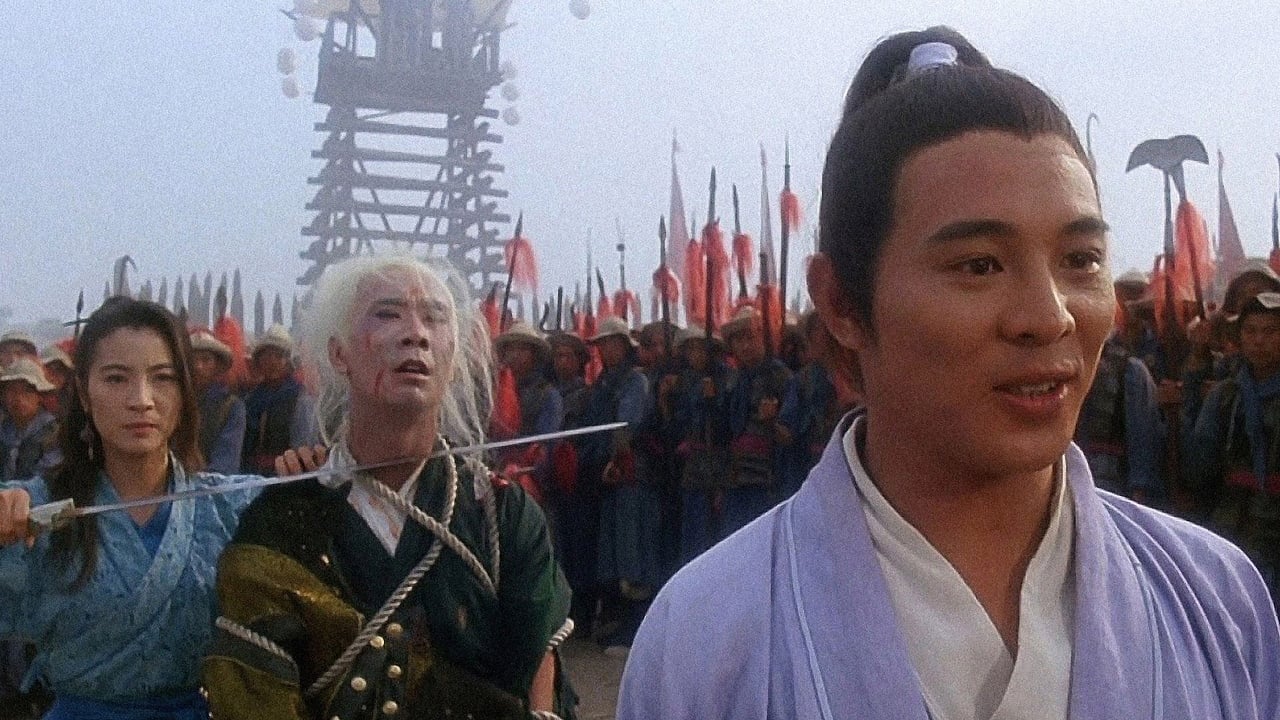
This wasn't just another punch-up flick; it was a showcase for two burgeoning superstars and the legendary choreographer who would soon redefine action for a global audience. Forget shaky-cam and CGI overload for a moment. We're talking pure, unadulterated physical poetry orchestrated by the maestro himself, Yuen Woo-ping, the genius who would later bring us the mind-bending fights of The Matrix (1999) and the balletic grace of Crouching Tiger, Hidden Dragon (2000). But here, in '93, he was already operating at an incredible level, working with two phenomenal martial artists at the peak of their physical prime.
### Monks, Mayhem, and Mastery
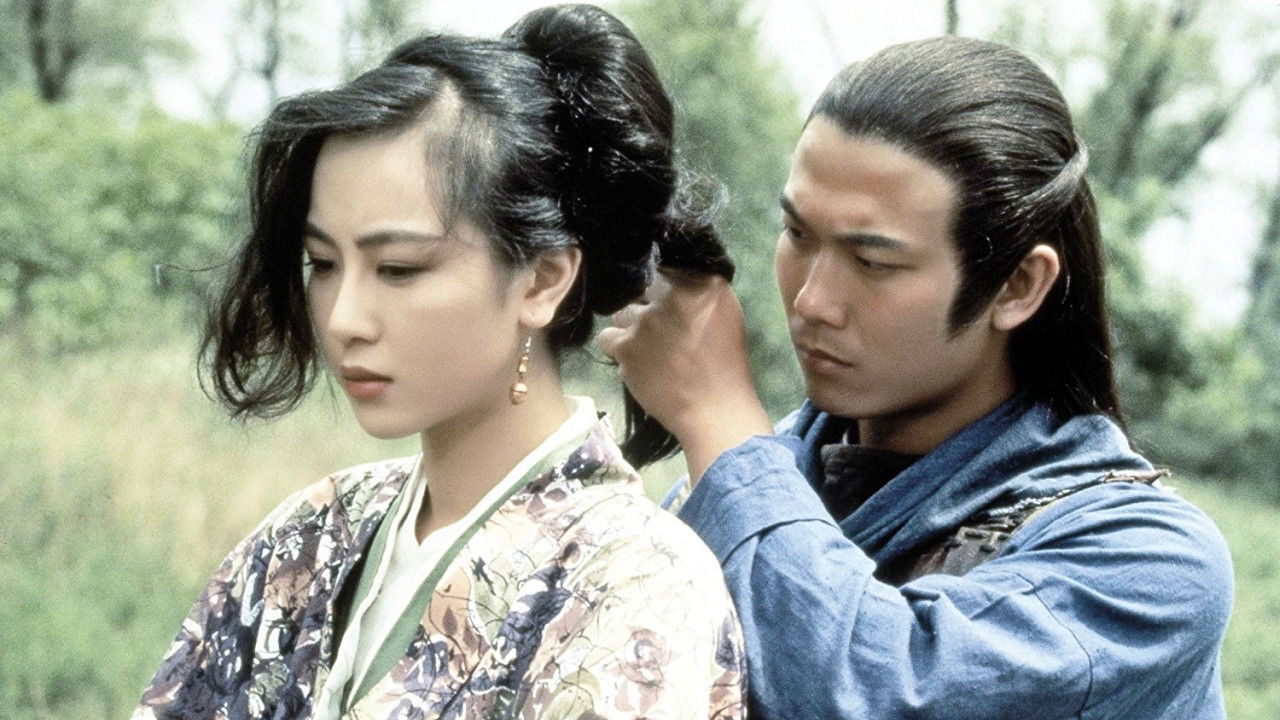
The setup is classic martial arts melodrama, but executed with infectious energy. We follow two best friends raised together in a Shaolin Temple: the kind-hearted, slightly goofy Junbao (Jet Li) and the ruthlessly ambitious Tianbao (Chin Siu-ho). After being expelled for their disruptive behaviour during a friendly (but wildly over-the-top) tournament bout, they venture into the outside world. Junbao falls in with rebels fighting against a corrupt regime, aided by the resourceful Siu Lin (Michelle Yeoh), while Tianbao sees a path to power by joining the tyrannical Eunuch governor's army. Cue betrayal, heartbreak, and spectacular showdowns.
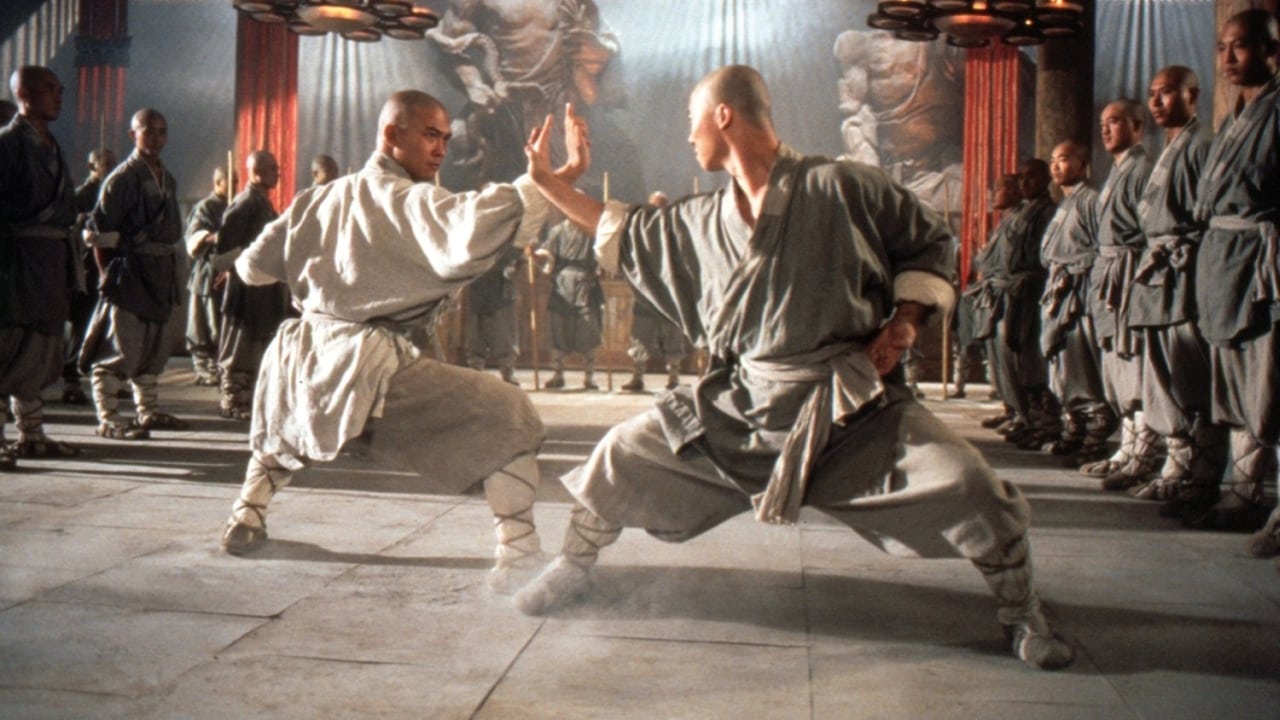
It’s a familiar arc, but the chemistry between the leads elevates it. Jet Li, already a superstar in Asia after the Once Upon a Time in China series, radiates earnest charm as Junbao. His journey from impulsive fighter to the enlightened founder of Tai Chi is the film's core, and Li sells both the dazzling Wushu displays and the emotional turmoil. It's worth remembering Li wasn't just an actor; he was a multiple-time national Wushu champion, bringing an undeniable authenticity to every move. His speed and precision here are simply breathtaking.
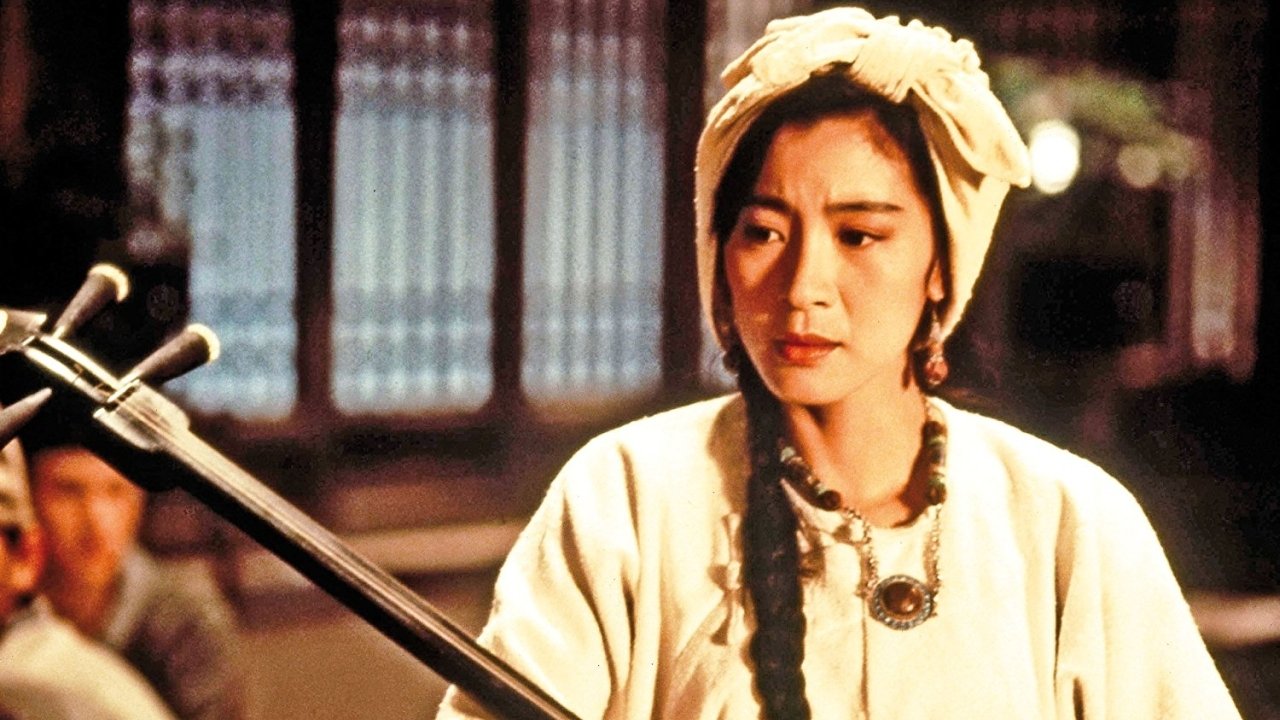
Opposite him, Chin Siu-ho is magnetic as Tianbao. He doesn't just play a villain; he portrays a tragic figure corrupted by ambition, making his downfall genuinely compelling. Their shared history makes the inevitable conflict carry real weight. And then there's Michelle Yeoh. Even in a supporting role, she commands the screen. Already a veteran action star known for doing many of her own dangerous stunts (a rarity even then!), she’s effortlessly cool, capable, and provides a vital anchor for Junbao. Watching her wield a sanjiegun (three-section staff) or engage in frantic hand-to-hand combat is pure joy.
### The Art of the Practical Punch
Let's talk about that action, because that's the main event. Yuen Woo-ping’s choreography here is a masterclass in controlled chaos. Forget the floaty wire-fu that sometimes dominated the genre later; this feels grounded, fast, and incredibly intricate. The fights are long, inventive, and utilize everything in the environment – tables become weapons, scrolls become shields, bodies fly through the air with astonishing speed, propelled by wires often cleverly hidden or simply accepted as part of the heightened reality. Remember how real those impacts felt back then, even with the obvious wire assistance? It was the commitment of the performers, the tangible sense of effort and risk, that sold it.
There’s a raw, almost frantic energy to the early fights, reflecting the characters' youthful impulsiveness. One particularly memorable scene involves Junbao and Tianbao using benches tied together as makeshift nunchaku against imperial soldiers – it’s ludicrously inventive and perfectly showcases Yuen’s playful creativity. It’s a great example of how Hong Kong filmmakers often had to conjure spectacle from limited resources, relying on ingenuity and performer skill over massive budgets. Contrast this with the final confrontations, which become more stylised and powerful as Junbao embraces the flowing, yielding philosophy of Tai Chi. The climactic battle between Li and Chin Siu-ho is a whirlwind of expertly timed blocks, strikes, and throws that remains stunning even today.
There's a certain weight and physicality here that feels distinct from modern, digitally smoothed action. You see the strain, the speed, the near misses. The practical nature of the stunts – real people performing incredibly complex sequences – lends an edge-of-your-seat intensity that CG struggles to replicate. It wasn't about looking seamless; it was about looking spectacularly dangerous.
### More Than Meets the Eye
Beyond the stellar fights, the film has heart. The central theme of friendship curdling into enmity is effectively portrayed, and the eventual embrace of Tai Chi philosophy isn't just a plot device; it feels earned through Junbao's suffering and reflection. The production design captures the period feel effectively, and the score hits all the right dramatic beats. It was a solid hit in Hong Kong upon release, cementing Jet Li's status and further showcasing Yuen Woo-ping's unparalleled talent before Hollywood came calling. For international audiences discovering it on tape, it was often a gateway drug into the wild world of Hong Kong action cinema.
Tai-Chi Master is pure, distilled 90s Hong Kong action goodness. It’s fast, fun, visually stunning, and packed with charisma thanks to its leads. Yes, some of the wirework looks obvious now, and the plot beats are familiar genre territory, but the sheer skill and energy on display are timeless.

Rating: 9/10
The rating reflects near-perfection within its specific genre and era context. The choreography is legendary, the stars are iconic, and the energy is infectious. It perfectly captures the spirit of discovering an absolute gem on the video store shelf.
Final Thought: Forget wires and occasional plot predictability; this is peak practical martial arts filmmaking, a whirlwind of motion and emotion that still kicks harder than most modern action flicks. A must-watch for anyone craving the real deal from the VHS glory days.