Okay, dust off that top-loader VCR, because we're diving headfirst into a whirlwind of colour, chaos, and pure cinematic adrenaline that could only have sprung from the glorious Hong Kong film scene of the mid-80s. I'm talking about Tsui Hark's Peking Opera Blues (1986), a film that feels less like a carefully plotted narrative and more like a firecracker tossed into a paint factory. Finding this gem on a grainy rental tape back in the day felt like uncovering a secret treasure map – slightly confusing at first, maybe dubbed awkwardly, but promising untold excitement.
### Warlords, Rebels, and Rooftop Acrobatics
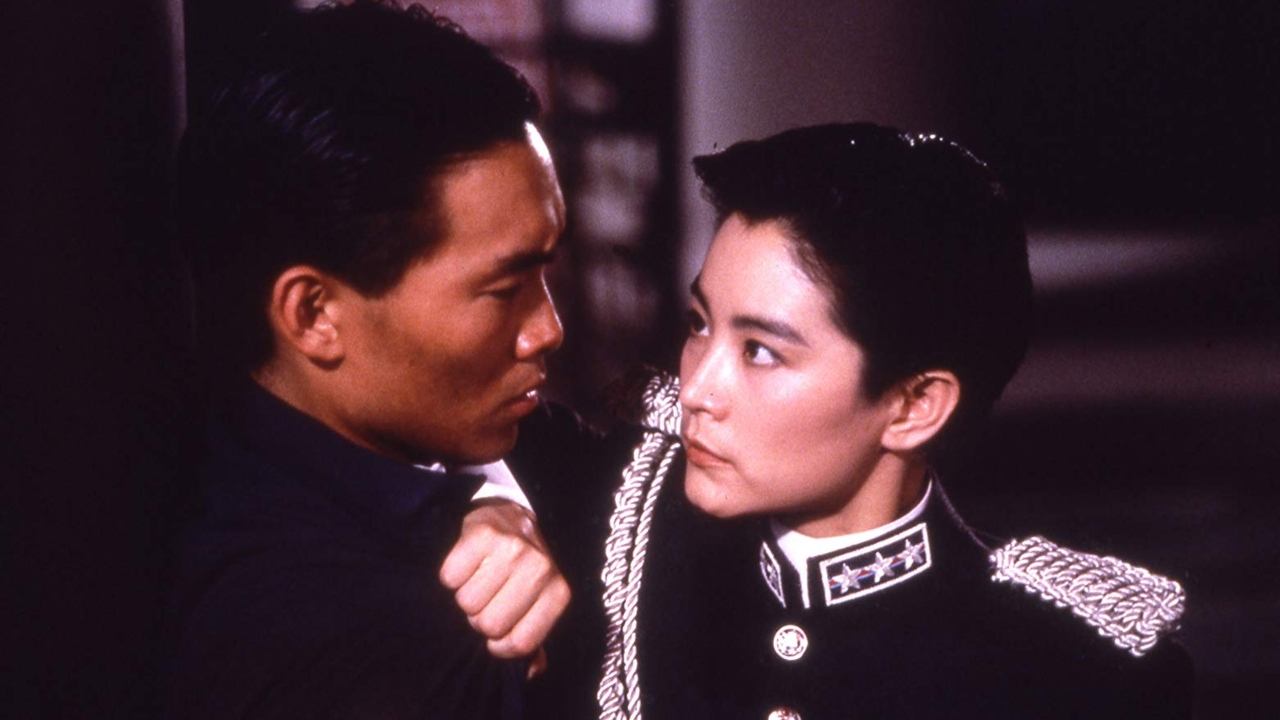
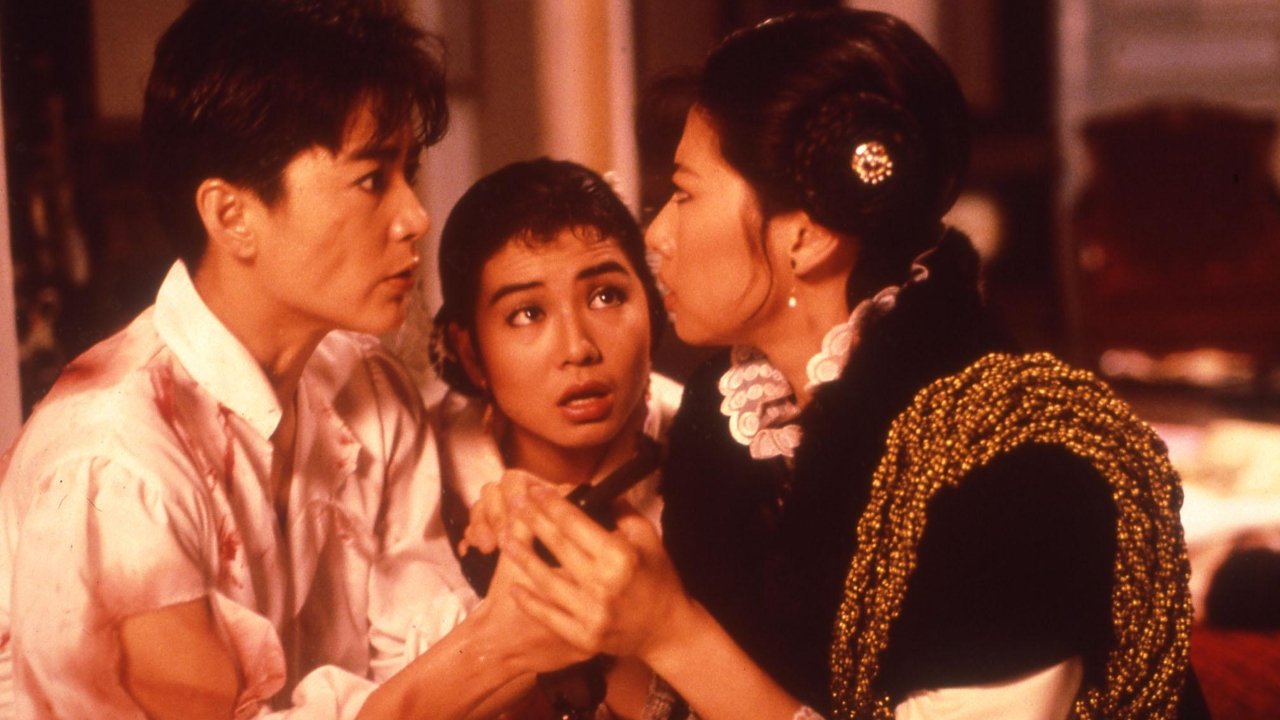
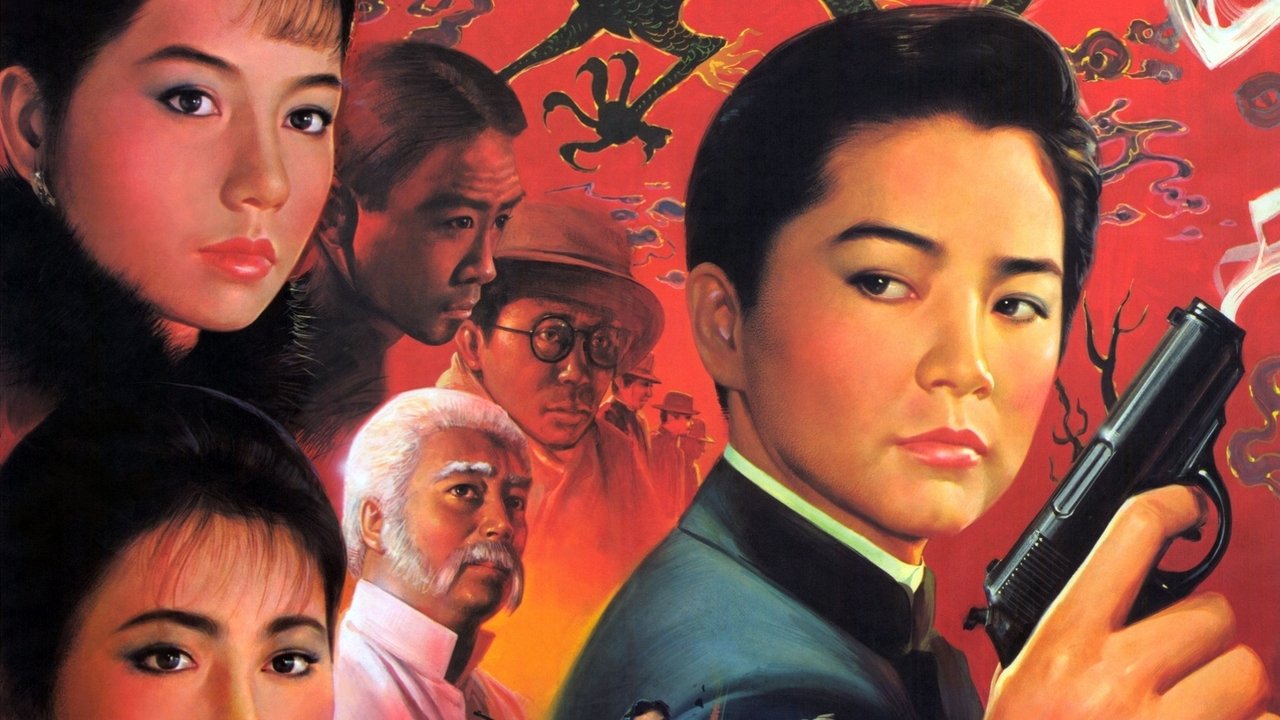
Forget your straightforward action plots. Peking Opera Blues throws us into the dizzying political turmoil of 1920s China, specifically Beijing during the Warlord Era. It’s a backdrop ripe for intrigue, and Tsui Hark, working from a script by Raymond To, uses it as a playground for three unforgettable women whose paths spectacularly collide. We have Tsao Wan (Brigitte Lin), the cross-dressing daughter of a powerful general, secretly working for the anti-warlord revolutionaries. There's Sheung Hung (Cherie Chung), a street-smart thief primarily interested in liberating a jewellery box. And rounding out the trio is Pat Neil (Sally Yeh), the naive but determined daughter of the Peking Opera theatre manager, who gets swept up in the mayhem when she stumbles upon Tsao Wan's mission to retrieve a vital secret document hidden in the theatre.
What follows isn't just a plot; it's a beautifully orchestrated ballet of near-misses, mistaken identities, frantic chases, and sudden bursts of violence, all blended with moments of genuine camaraderie and unexpected humour. Tsui Hark, who had already dazzled us with the fantastical wire-fu of Zu Warriors from the Magic Mountain (1983) and would later perfect the historical epic with Once Upon a Time in China (1991), was hitting an incredible stride here. His direction is pure kinetic energy, bouncing between genres – adventure, comedy, thriller, melodrama – sometimes within the same scene, without ever feeling jarring. It’s a style that defined the Hong Kong New Wave, pushing boundaries and expectations.
### The Unstoppable Trio
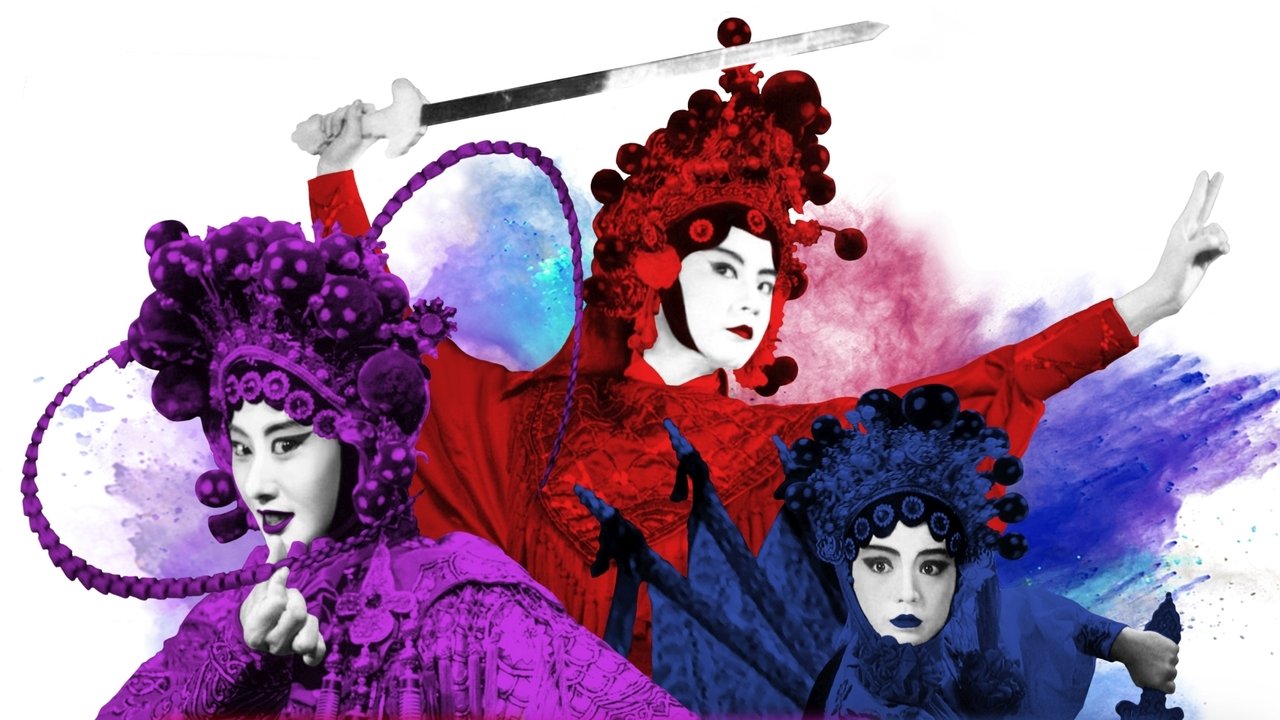
While Tsui Hark orchestrates the chaos, the film absolutely belongs to its leading ladies. Brigitte Lin, already a superstar, exudes cool confidence as the androgynous revolutionary Tsao Wan. Her performance plays with gender roles in a way that felt fresh and exciting, especially within the action genre. Cherie Chung, brings a wonderful, earthy charm and comic timing as the opportunistic Sheung Hung, grounding the film amidst the political intrigue. And Sally Yeh, often the audience's viewpoint character, perfectly captures Pat Neil's journey from wide-eyed innocence to capable participant in the surrounding madness. Their chemistry is electric; the bond that forms between these disparate women becomes the surprising emotional core of the film. It’s hard to imagine anyone else in these roles, though rumour has it the casting process involved considering several other prominent Hong Kong actresses before settling on this iconic trio.
### Action That Felt Dangerously Real
Let's talk about the action, because that's where Peking Opera Blues truly shines with that glorious, tangible 80s intensity. Remember when action felt genuinely perilous? This film is Exhibit A. Forget smooth CGI – we're talking about incredible practical stunts, intricate choreography often performed by the actors themselves (with skilled doubles stepping in for the truly insane bits), and a sense of physical impact that modern films often polish away. The rooftop chases are breathtaking, showcasing agility and daring against stunningly designed sets that recreate period Beijing.
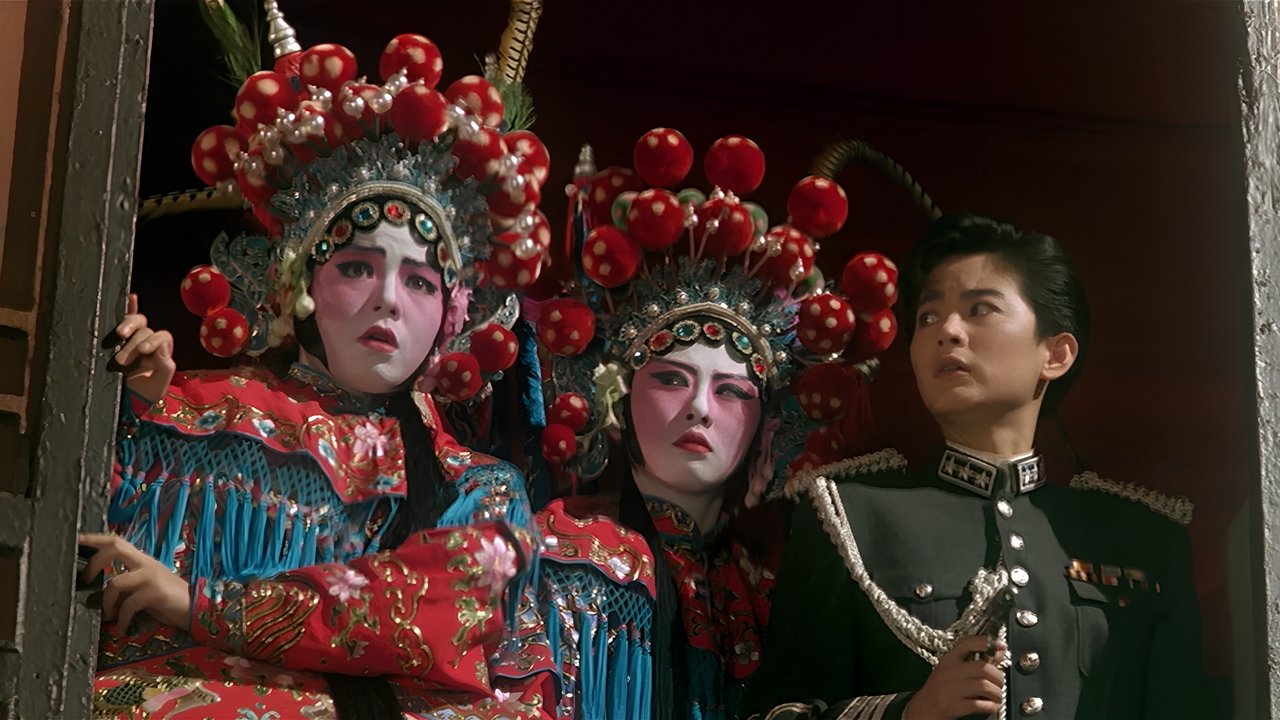
One standout sequence involves the characters navigating the complex backstage and rafters of the Peking Opera house during a performance. The blend of theatricality and life-or-death stakes is masterful. You see real bodies navigating precarious heights, real props being used as improvised weapons, and a speed and fluidity that feels almost superhuman, yet grounded in physical reality. It's a testament to the legendary Hong Kong stunt teams and Tsui Hark's visionary, if sometimes notoriously demanding, direction. Apparently, the complexity of coordinating the action within the elaborate opera setting caused numerous headaches during production, requiring meticulous planning and countless rehearsals to achieve the seamless (yet chaotic) on-screen result.
### More Than Just Mayhem
Beyond the thrilling set pieces, the film is visually stunning. The production design and costumes burst with colour, contrasting the drab military uniforms with the vibrant hues of the opera and the stylish period outfits. The integration of Peking Opera elements isn't just window dressing; it informs the rhythm, the theatricality, and even some of the stunt work, adding another layer to the film's unique identity. While a box office success in Hong Kong (pulling in over HK$17 million – a solid number for '86), its blend of genres and cultural specificity meant it took time to find its devoted international cult following, often discovered, like many treasures, on those well-worn VHS tapes.
This wasn't just another action flick; it felt smarter, faster, and more female-centric than much of what Hollywood was offering at the time. It’s a film that celebrates resilience, unlikely friendships, and fighting back against oppression, all wrapped in a package of exhilarating entertainment.
---
Rating: 9/10
Justification: Peking Opera Blues earns this high score for its sheer audacity, technical brilliance (especially in its pre-CGI stunt work), unforgettable performances from its three leads, and Tsui Hark's masterful, genre-bending direction. It's a near-perfect blend of action, comedy, and heart, representing a high watermark of 80s Hong Kong cinema. The slight deduction acknowledges that the breakneck pace and tonal shifts might feel overwhelming to some viewers unfamiliar with the style, but for fans of the era, it’s pure gold.
Final Thought: This isn't just a movie; it's a shot of pure adrenaline straight from the heart of Hong Kong's cinematic golden age – a dazzling, dizzying spectacle that reminds you how electrifying practical action filmmaking could truly be. Still pops right off the screen, even through a nostalgic VHS haze.