There's a certain kind of chaos that feels like home, isn't there? The loud, overlapping conversations, the slammed doors, the sudden bursts of laughter cutting through tension thick enough to spread on toast. Watching The Snapper again after all these years brings that feeling rushing back – the messy, vibrant, sometimes infuriating, but ultimately unbreakable bonds of a working-class Dublin family facing an unexpected upheaval. It’s a film that doesn’t announce its importance; it simply unfolds, drawing you into the heart of the Curley household with remarkable warmth and unvarnished honesty.
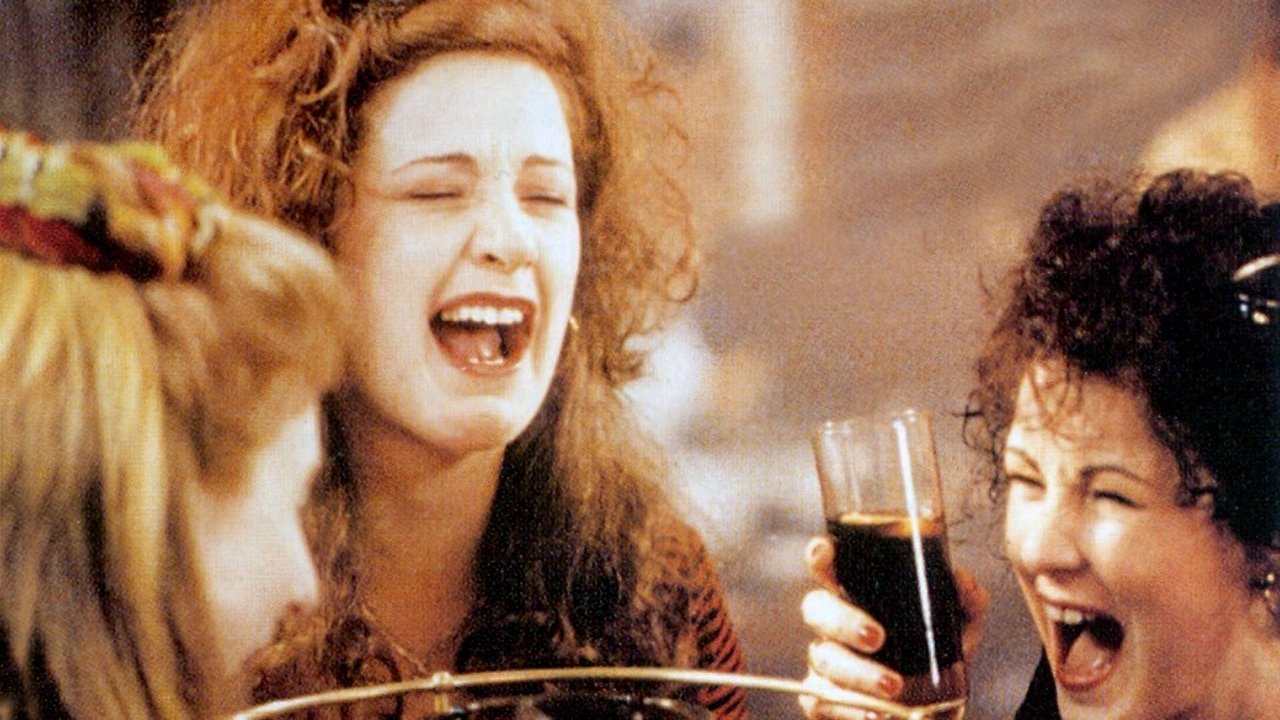
Welcome to Barrytown
Adapted by Roddy Doyle from his own novel (the second in the beloved Barrytown Trilogy that began with The Commitments), and directed with an assured, almost invisible hand by Stephen Frears (My Beautiful Laundrette, High Fidelity), The Snapper plunges us straight into the life of twenty-year-old Sharon Curley (Tina Kellegher). When she announces she’s pregnant – or, in the local parlance that gives the film its title, "up the pole" with a "snapper" on the way – the initial shockwaves are quickly followed by a more pressing question that sets the neighbourhood tongues wagging: who’s the father? Sharon’s steadfast refusal to name him becomes the catalyst for nine months of familial stress, community gossip, and surprisingly tender moments.
Part of the film's immediate charm, especially recalling its journey to the screen, lies in its unassuming origins. Initially produced for BBC television on a modest budget (around £1 million), its quality shone so brightly it earned a well-deserved theatrical release, finding an audience far beyond British living rooms. This low-budget authenticity permeates every frame; filmed on location in Dublin suburbs like Kilbarrack and Raheny, it feels less like a movie set and more like dropping in on actual neighbours.

The Unforgettable Dessie Curley
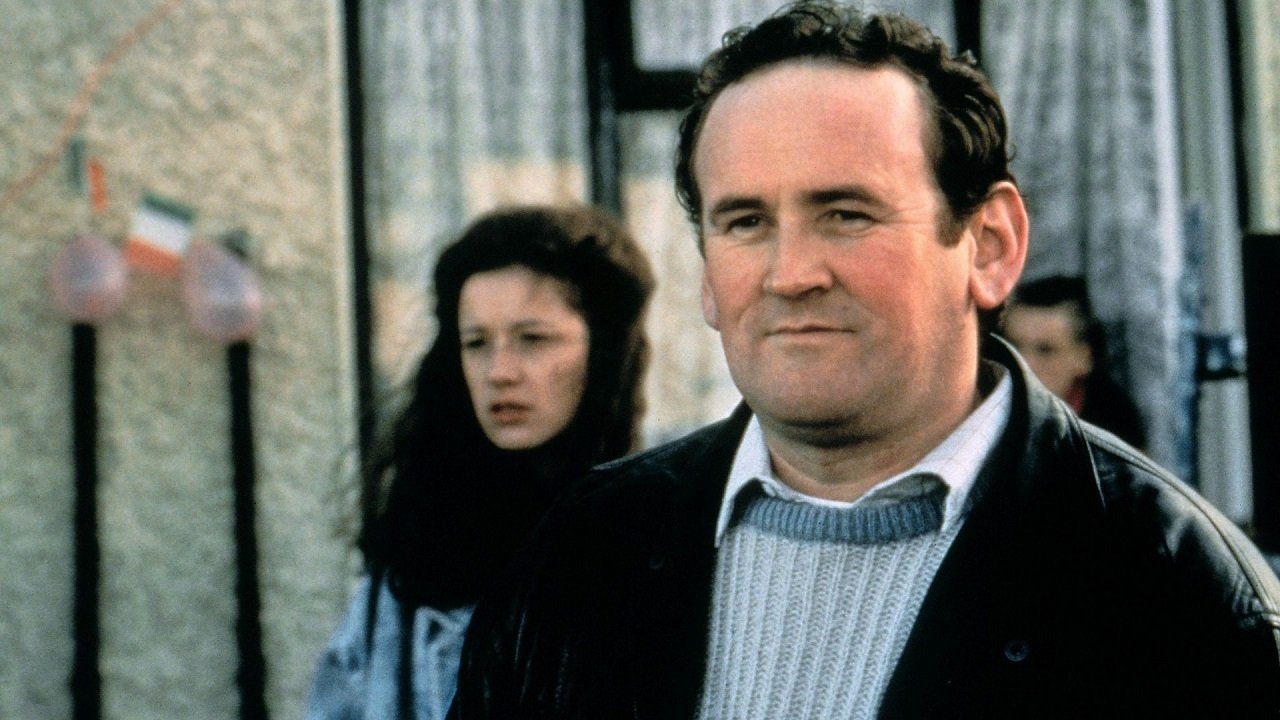
At the heart of the storm, and indeed the film, is Dessie Curley, played with career-defining brilliance by Colm Meaney. Fans who loved him as the slightly differently named patriarch in The Commitments (rights issues prevented a direct character continuation, a fascinating bit of trivia in itself!) will find even more to admire here. Meaney’s Dessie is a force of nature: loud, frequently exasperated, prone to putting his foot in it, yet fiercely protective and ultimately loving. His journey from bewildered, slightly embarrassed father-of-the-expectant-mother to her staunchest defender is the film’s emotional core.
Watch his face as he tries to educate himself about childbirth with a library book, hiding it inside his newspaper in the pub – it’s pure comic gold, mined from genuine awkwardness. Or witness his quiet pride mixed with apprehension as Sharon’s pregnancy progresses. Meaney doesn’t just play Dessie; he inhabits him, making his every frustration, joke, and flicker of tenderness feel utterly real. It's a performance built on nuance beneath the bluster, a masterclass in conveying deep affection through gruffness. Doesn't his struggle to navigate this unexpected turn somehow mirror the ways many parents find themselves adapting to realities they never anticipated?
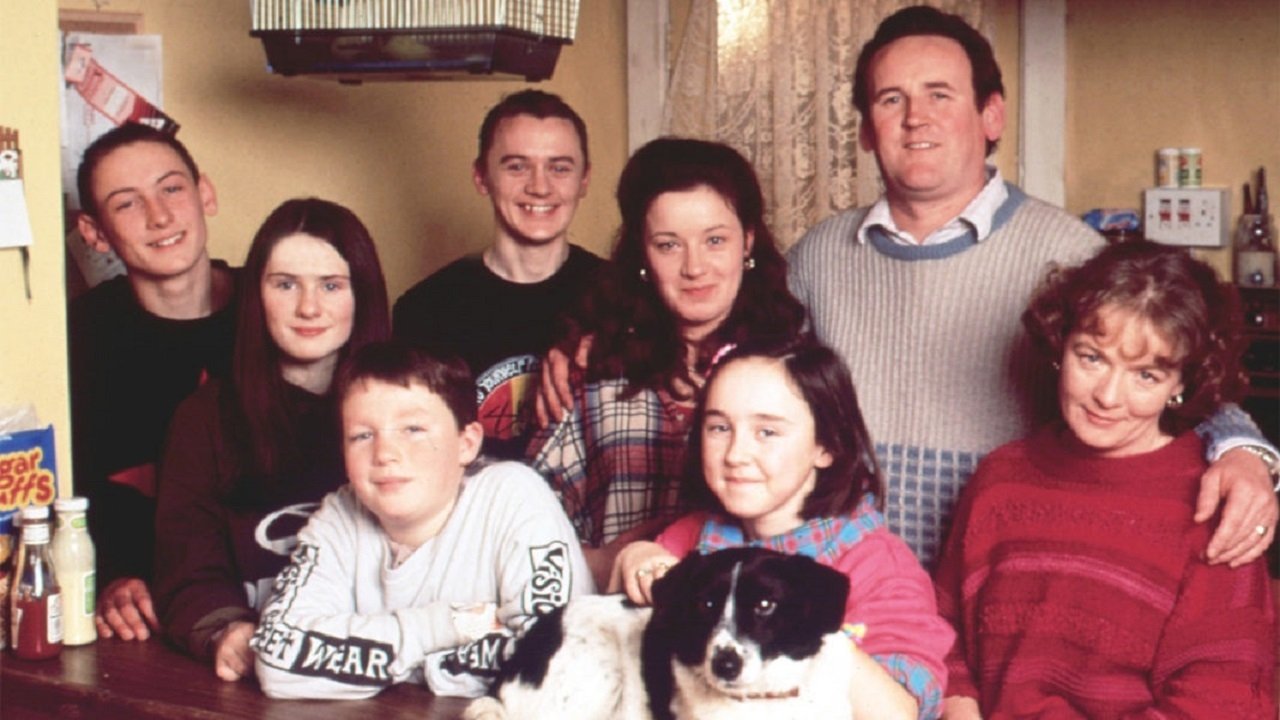
Sharon's Story, Sharon's Strength
Equally crucial is Tina Kellegher's phenomenal portrayal of Sharon. She refuses to be depicted as merely a victim or a cautionary tale. Kellegher imbues Sharon with resilience, humour, and a quiet determination. She’s young, she made a mistake (the eventual reveal of the father's identity is handled with a necessary, uncomfortable frankness, though the film focuses squarely on the family fallout rather than exploitation), but she owns her situation. Her interactions with her friends, her defiant attitude towards the gossips, and the evolving, complex relationship with her father feel incredibly authentic. There's a strength in her vulnerability, and Kellegher makes you root for her every step of the way. Alongside them, Ruth McCabe as Kay, the pragmatic and enduring mother, provides the essential anchor, the quiet centre holding the chaotic family together.
Laughter Through the Tears (and Pints)
What Doyle and Frears achieve so brilliantly is the delicate balance of tone. The Snapper is often hysterically funny, finding humour in the mundane, the awkward, and the sheer absurdity of the situation. The scenes in the local pub, the family squabbles, Dessie's attempts at fatherly advice – they crackle with witty dialogue and perfectly observed character interactions. I distinctly remember renting this on VHS, perhaps expecting a straightforward comedy, and being struck by how much heart lay beneath the laughs.
Yet, the film never shies away from the emotional weight. There’s real hurt, confusion, and fear simmering beneath the surface. The gossip isn't just funny; it's genuinely hurtful. Dessie's initial reactions carry the sting of disappointment. The film understands that life, especially family life, is rarely just one thing. It’s laughter and tears, often in the same breath. That blend felt so refreshing back in '93, a slice of unpolished life rarely seen amidst slicker Hollywood productions.
Enduring Warmth
The Snapper doesn’t rely on big dramatic twists or flashy filmmaking. Its power lies in its specificity – the rhythms of Dublin speech, the dynamics of a large working-class family, the social codes of a close-knit (and often interfering) community. Yet, through this specificity, it taps into universal themes of family loyalty, acceptance, resilience, and the peculiar ways love manifests itself, even amidst shouting matches and pints of Guinness. It’s a film that feels lived-in, populated by characters who feel like people you know.
---

Rating: 9/10
This score is earned through the trifecta of Roddy Doyle's sharp, witty, and deeply humane script, Stephen Frears' perfectly pitched direction that balances comedy and drama effortlessly, and, above all, the unforgettable, authentic performances led by a truly magnificent Colm Meaney and a superb Tina Kellegher. The film's journey from TV movie to cinematic gem speaks volumes about its quality, and its ability to capture the messy, hilarious, and ultimately loving heart of family life remains undimmed.
It leaves you not with easy answers, but with a feeling of warmth and recognition – a reminder that even in the most trying circumstances, the bonds of family, however tested, can endure and even strengthen. What a snapper of a film.