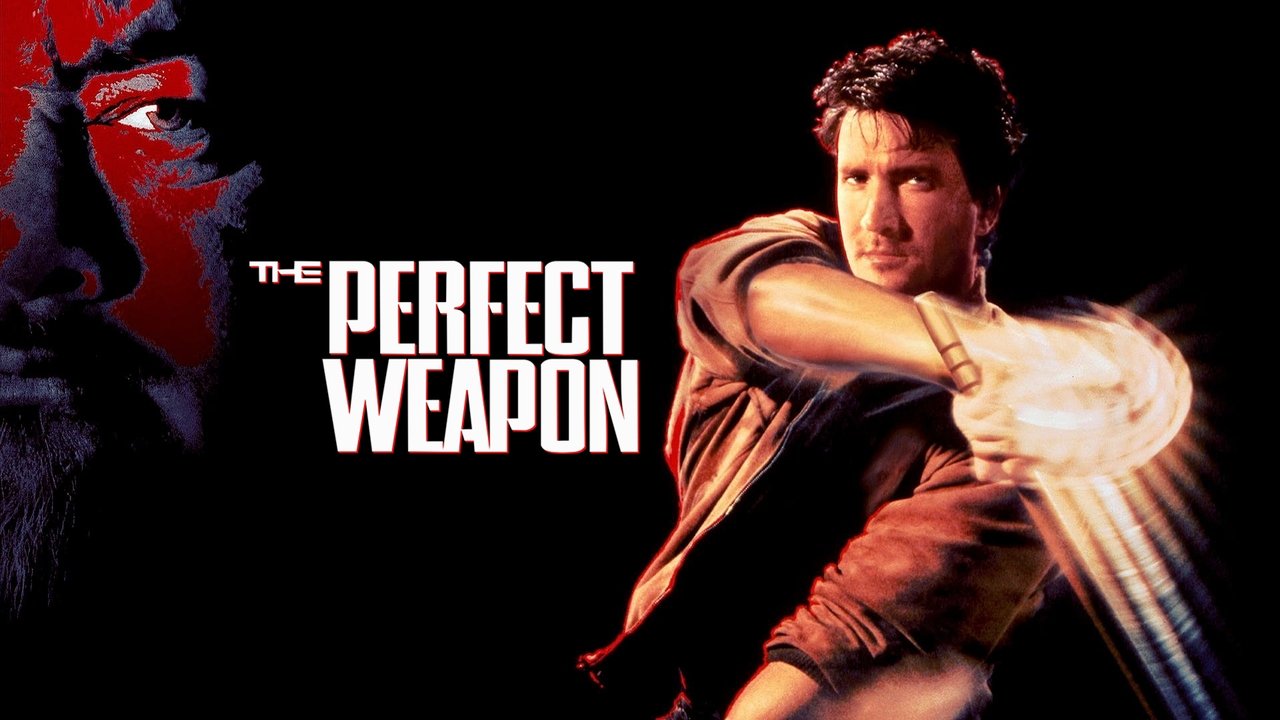
Alright, settle in, grab your beverage of choice, and let's rewind the tape back to 1991. Remember that feeling? Scanning the action aisle at Blockbuster, the fluorescent lights humming, the promise of explosions and flying fists contained within those chunky plastic cases. And then you saw it – maybe the stark cover art, maybe the promise of a new kind of martial arts mayhem. I'm talking about The Perfect Weapon, the film that unleashed Jeff Speakman and the blinding speed of American Kenpo onto the silver screen (and, more importantly for us, our VCRs).
### Kenpo Hits the Streets
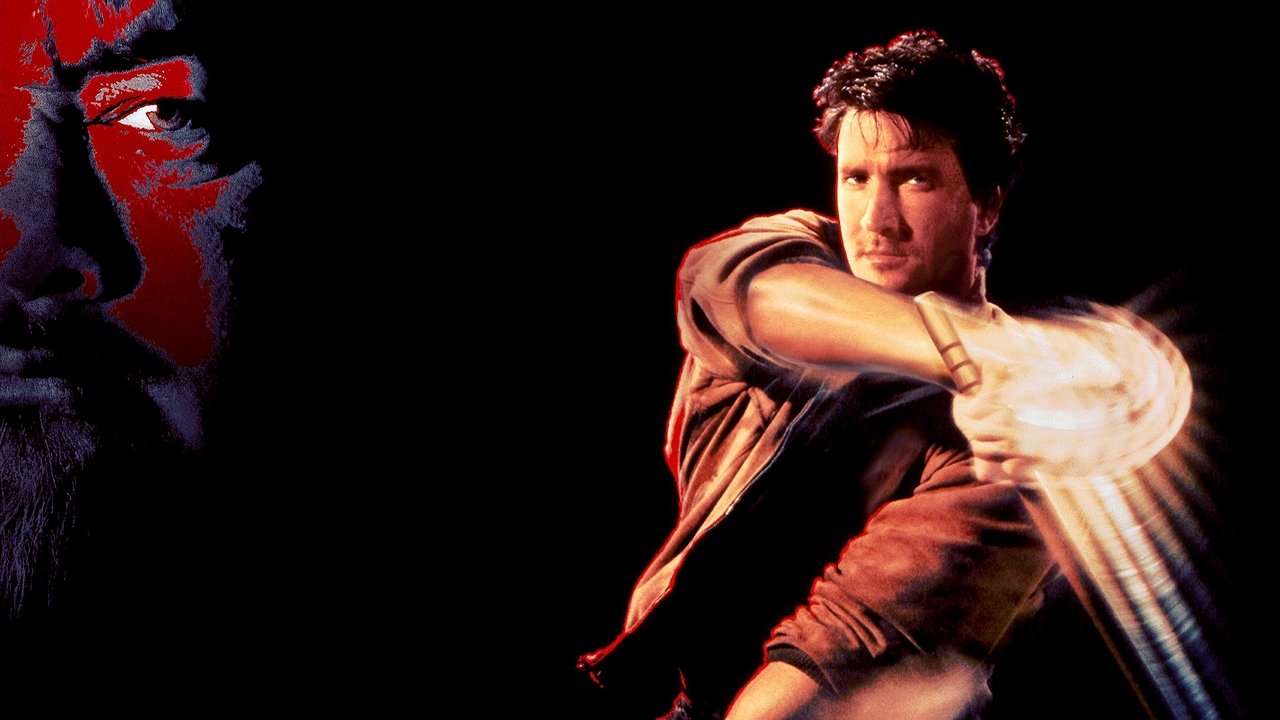
Forget the soaring kicks of Van Damme or the bone-snapping Aikido of Seagal for a moment. The Perfect Weapon offered something different. The core premise is classic early 90s action fodder: Jeff Sanders (Jeff Speakman), a troubled but highly skilled Kenpo practitioner, returns home after years away, only to find his beloved mentor, Kim (Mako), murdered by the Korean mafia operating in his old neighborhood. Naturally, Jeff decides the only way to process his grief is through a carefully orchestrated campaign of vengeance, putting him on a collision course with gangsters, his estranged cop brother Adam (John Dye), and a mountain of a henchman named Tanaka (Professor Toru Tanaka, a familiar face for any 80s action fan, notably menacing in The Running Man).
What set this film apart wasn't the plot – let's be honest, it’s pretty standard revenge fare – but Jeff Speakman himself. This wasn't just an actor playing a martial artist; Speakman was (and is) a high-ranking Kenpo black belt, trained directly under the legendary Grandmaster Ed Parker, the founder of American Kenpo. Director Mark DiSalle, already riding high from producing genuine VHS smashes like Bloodsport (1988) and Kickboxer (1989), was actively looking for the next martial art to showcase after Muay Thai and Aikido had their moments. He found it in Kenpo, and in Speakman, he found its cinematic ambassador. The entire film feels reverse-engineered around showcasing the unique, flowing, and brutally efficient movements of the style.
### That Hand Speed Though!
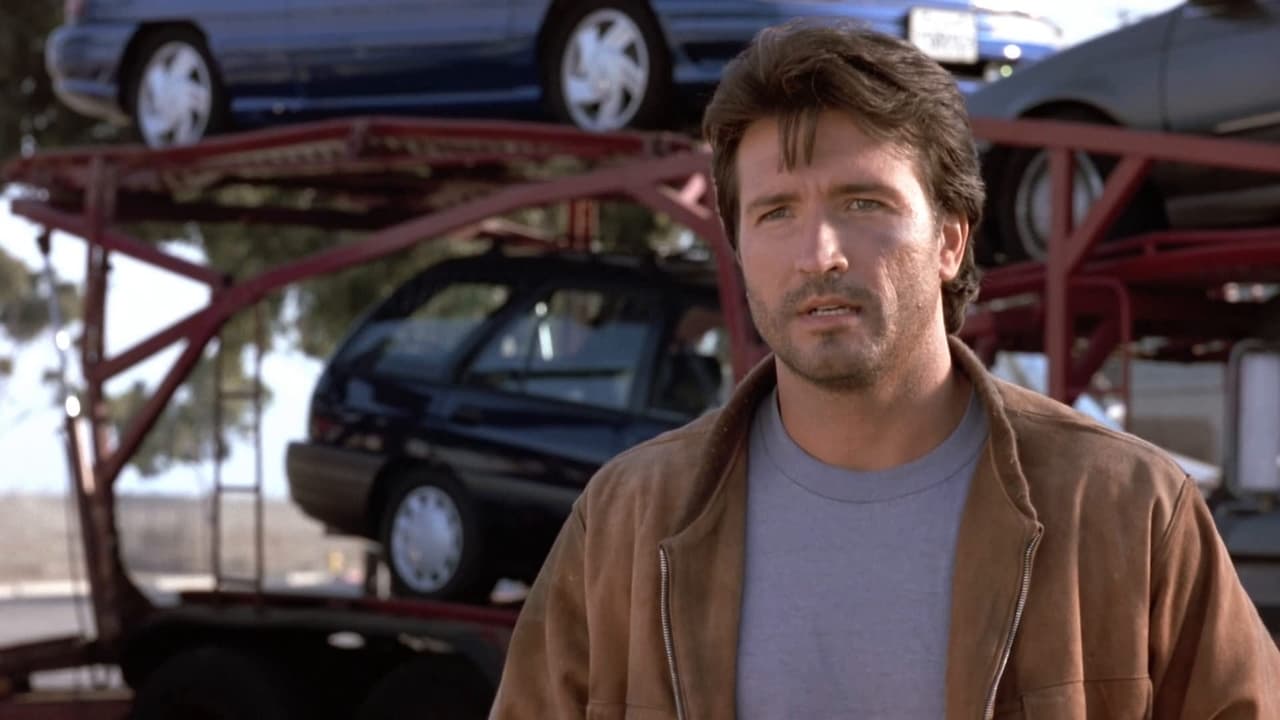
Let's talk action, because that's why we slapped this tape in the machine. The fight choreography in The Perfect Weapon felt distinct. Kenpo emphasizes rapid-fire hand strikes, targeting nerve centers and vital points, often flowing into locks and takedowns. Speakman moves with a coiled intensity, his hands a blur. Remember that pool hall brawl? Or the sequence where he systematically dismantles opponents in tight spaces? It felt grounded, impactful.
This was the era of glorious practical effects and stunt work. When Speakman hits someone, or gets hit, you feel the impact. Stunt performers like the legendary Spiro Razatos (who coordinated stunts here and worked on countless action classics) earned their paychecks, taking real falls onto hard surfaces. There's a visceral quality to the fights – the thuds, the crunches, the sheer physicality – that often gets lost in today's smoother, CGI-assisted choreography. You didn't see wires (mostly), you saw raw athleticism and painful-looking landings. Was every fight scene flawlessly executed? Maybe not by today’s hyper-edited standards, but they felt real in that specific, satisfying 90s way.
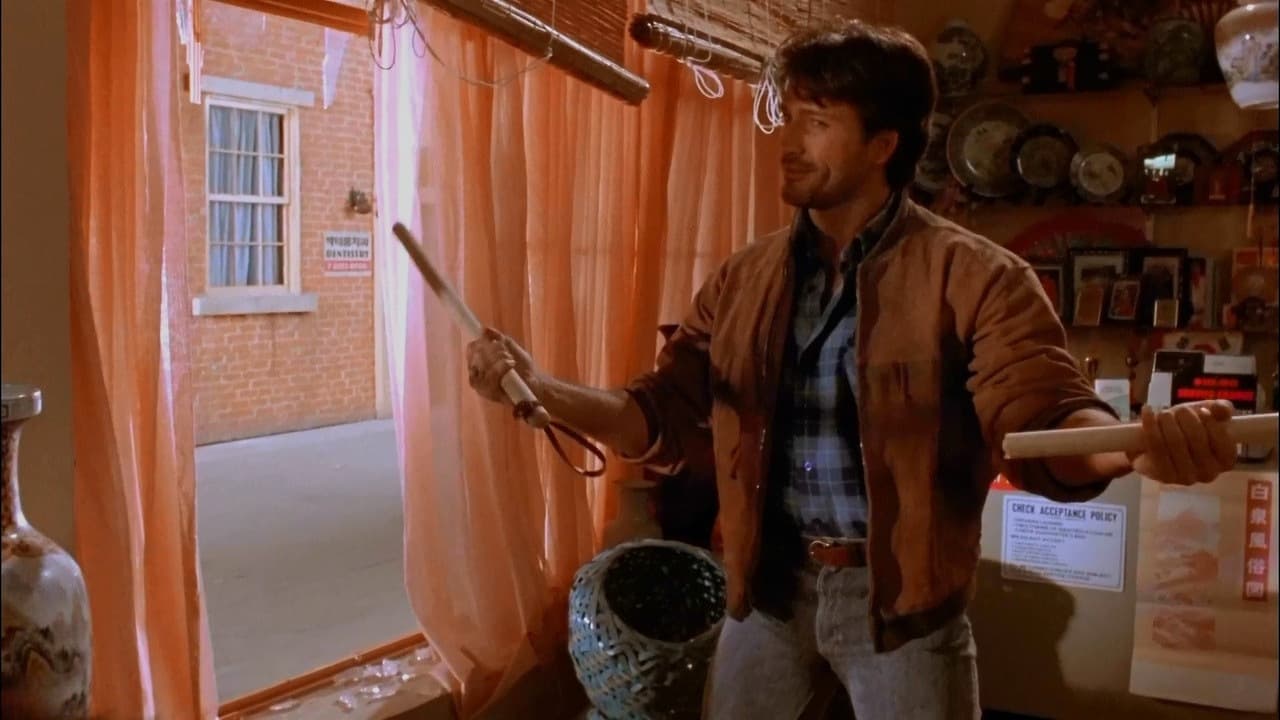
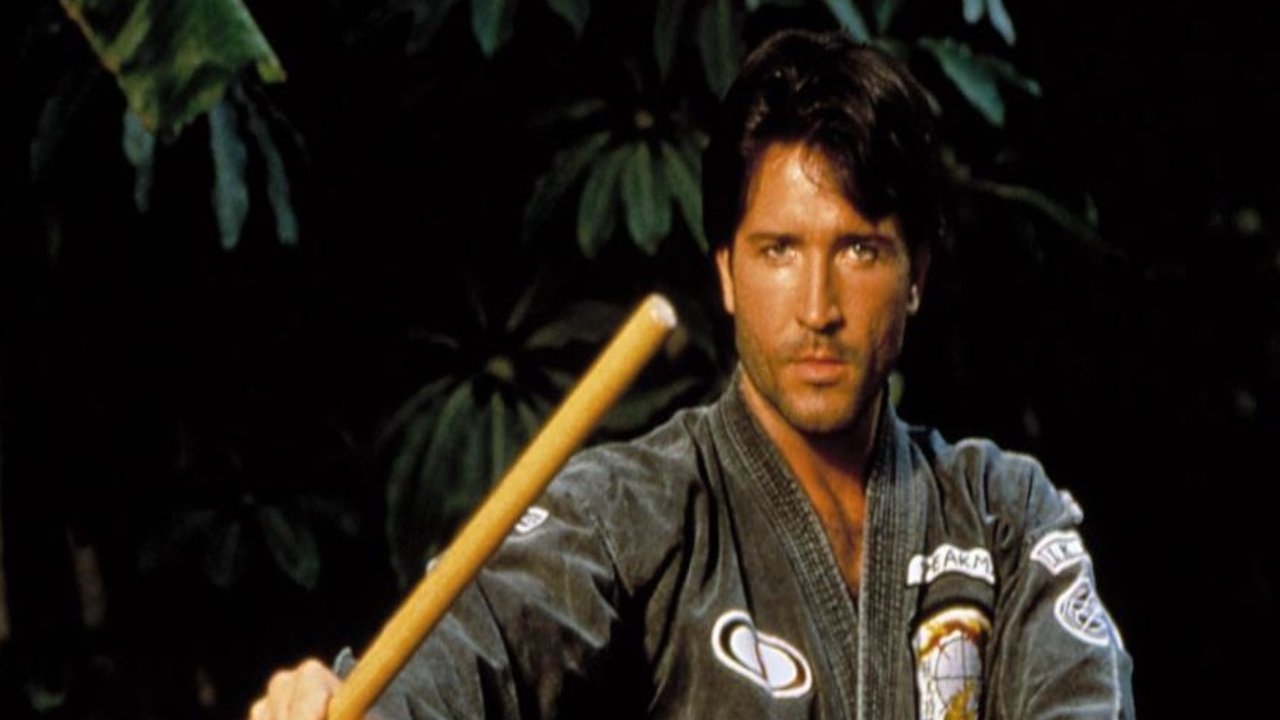
Retro Fun Fact: The production actively leaned into Speakman’s authenticity. They weren't trying to hide that this was a showcase; promotional materials heavily emphasized "American Kenpo" and Speakman's credentials. It was a key selling point, differentiating it from the flood of martial arts films hitting shelves.
### More Than Just Fists
While Speakman is front and center, the supporting cast adds some welcome texture. The late Mako, an absolute legend who brought gravitas to everything from Conan the Barbarian (1982) to Seven Years in Tibet (1997), provides the emotional anchor as Jeff's mentor. His presence lends the simple story a bit more weight. John Dye does his best as the conflicted brother, caught between family loyalty and the law. And who could forget James Hong chewing scenery as Yung, one of the crime bosses? Seeing him pop up always brings a smile – the man is a genre institution!
Mark DiSalle directs with a workmanlike efficiency. He knows the audience is here for the action, and he delivers it clearly and frequently. The film has that slightly gritty, urban aesthetic common in early 90s action flicks – lots of neon, rain-slicked streets, and dimly lit warehouses perfect for showdowns. It doesn’t aim for high art; it aims to entertain action fans, and largely succeeds on those terms.
Retro Fun Fact: Shot primarily around Los Angeles, the film aimed for an authentic Koreatown feel. While not a massive blockbuster (it cost around $10 million and grossed about $15 million domestically), its success on the home video market solidified Speakman's status as a viable action lead for a string of subsequent films throughout the 90s.
### The Verdict on This Kenpo Showcase
Watching The Perfect Weapon today is like firing up a perfectly preserved console game from the era. The graphics (story, dialogue) might seem simple, but the core gameplay (the Kenpo action) is still incredibly satisfying if you appreciate the style. Speakman possesses a unique screen presence – intense, focused, and undeniably skilled. The plot hits familiar beats, but it moves briskly enough between the impressive fight sequences.
It’s a film very much of its time – the fashion, the music, the straightforward revenge plot – but that’s part of its charm for us VHS hunters. It captured a moment when a new martial art was bursting onto the action scene, delivered with practical grit.
Rating: 7/10
Justification: While the story is formulaic and some elements feel dated, The Perfect Weapon delivers outstandingly on its core promise: showcasing American Kenpo through Jeff Speakman's blistering speed and precision. The practical fight choreography is a joy for fans of old-school action, and the film has an earnest energy that's hard to dislike. It's a solid, entertaining slice of early 90s martial arts cinema.
Final Thought: For a pure, unadulterated blast of early 90s Kenpo action that feels ripped straight from the video store shelf, The Perfect Weapon still lands a decisive blow. It’s kinetic nostalgia served straight up.