Alright, settle back into that worn spot on the couch, maybe crack open a Tab if you can find one, because tonight on VHS Heaven, we're popping in a tape that perfectly blends bruised knuckles with surprisingly tender heartstrings: 1989's Best of the Best. This wasn't just another chop-socky flick filling the shelves down at Video Village; it had aspirations, maybe even delusions, of being something more, and honestly? It kind of pulled it off.
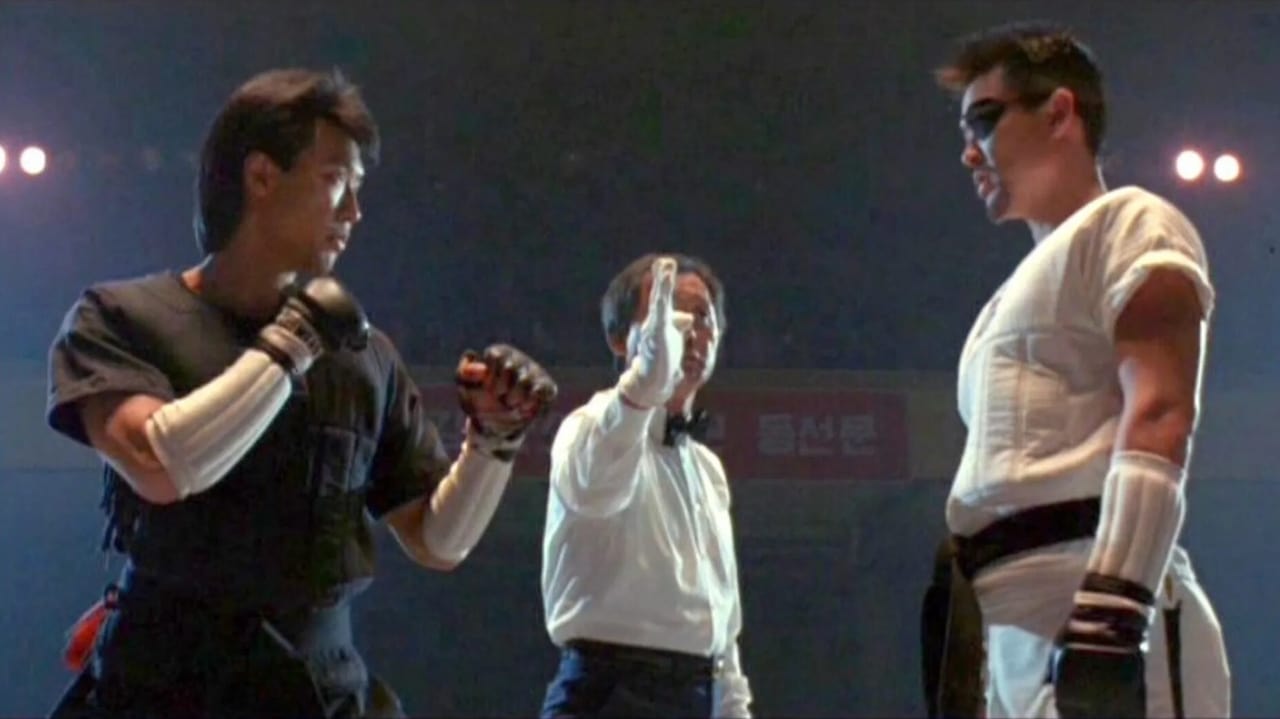
Forget your wire-fu and CGI-enhanced acrobatics for a moment. Best of the Best hails from that glorious late-80s era where martial arts action felt grounded, physical, and intensely personal. The story is pure sports movie formula, distilled through a Taekwondo lens: assemble a ragtag team of American fighters, put them through hell under a demanding coach, and send them off to face the seemingly invincible South Korean national team on their home turf. It sounds simple, maybe even cliché, but the execution? That's where the magic happens.
### Assembling the Team of Trouble
Our entry point is Alex Grady, played with that signature coiled intensity by Eric Roberts. Grady's a widowed father, a former contender haunted by a career-ending shoulder injury, reluctantly pulled back into the grueling world of competitive fighting. Roberts, who reportedly trained hard in Taekwondo specifically for this role despite having no prior experience, absolutely sells the pain and determination. You believe every grimace, every hesitant throw of that damaged arm.
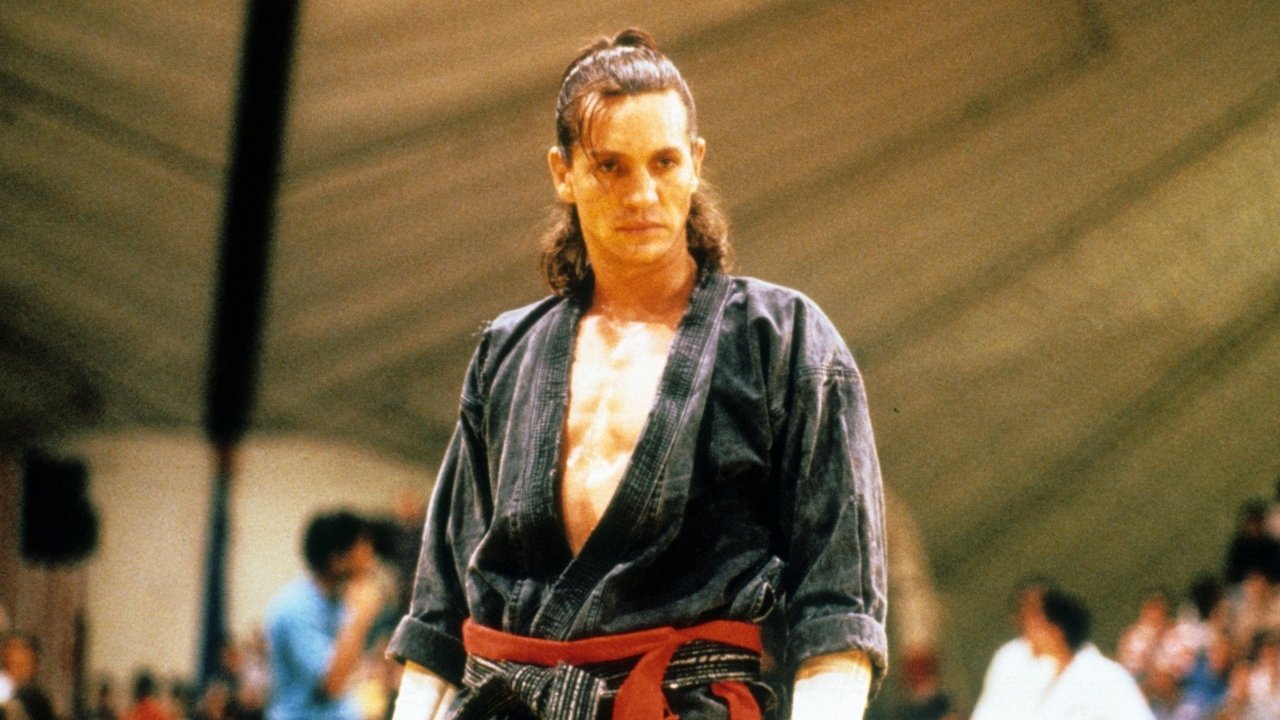
Alongside him is the film's heart and soul, Tommy Lee, portrayed by the film's co-writer and genuine Taekwondo master, Phillip Rhee. Rhee, who holds a high-degree black belt, conceived the story partly based on the experiences of American teams competing internationally. His quiet presence and explosive physical skill provide the perfect counterpoint to Roberts's more volatile energy. The fact that Rhee was not just acting, but bringing authentic martial arts knowledge to the screen, lends the whole affair a crucial layer of credibility. And rounding out the core team are characters like the cocky Travis Brickley (Chris Penn adding welcome comedic relief) and the spiritual Sonny Grasso (David Agresta).
### Training Days and Bruised Egos
No 80s sports film is complete without the training montage, and Best of the Best delivers sequences that are practically gospel for the genre. Overseeing this crucible is Coach Frank Couzo, brought to life by the undeniable gravitas of James Earl Jones. Hearing that voice boom instructions ("There is no 'try'! Only 'do'!") adds instant weight. Jones elevates the material, making Couzo more than just a tough-love archetype; he’s the imposing, philosophical center the team rallies around.
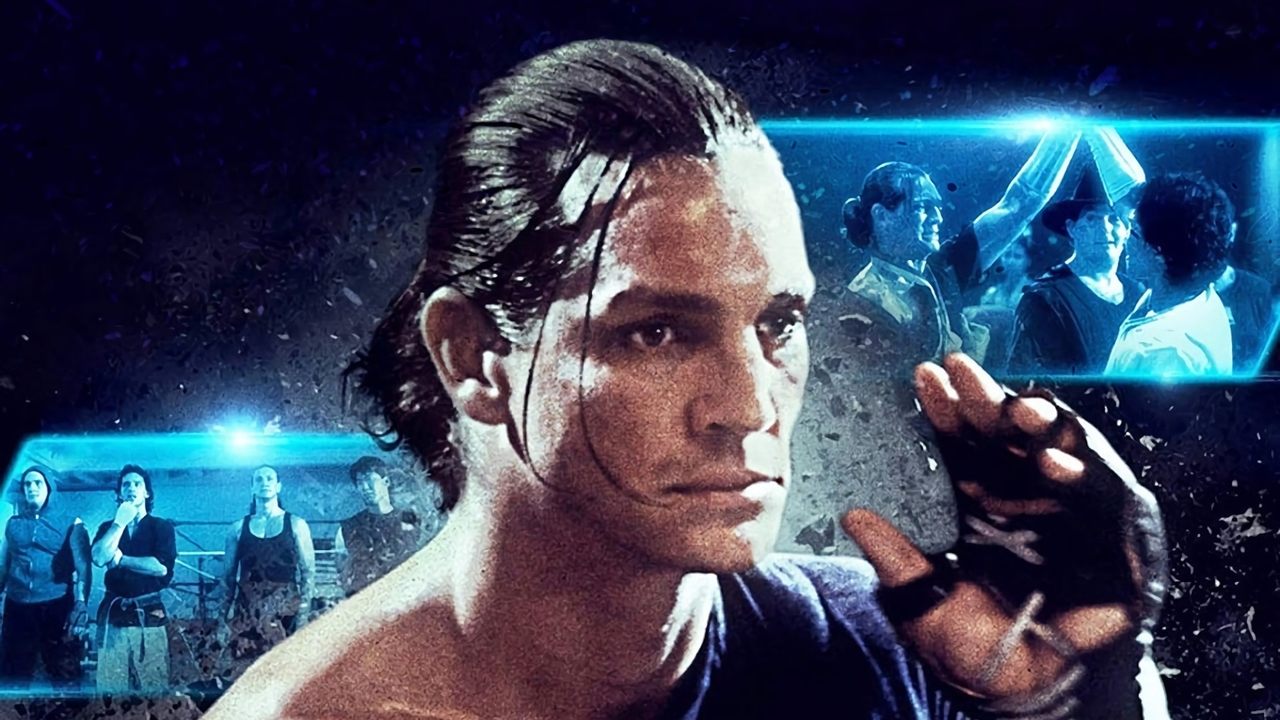
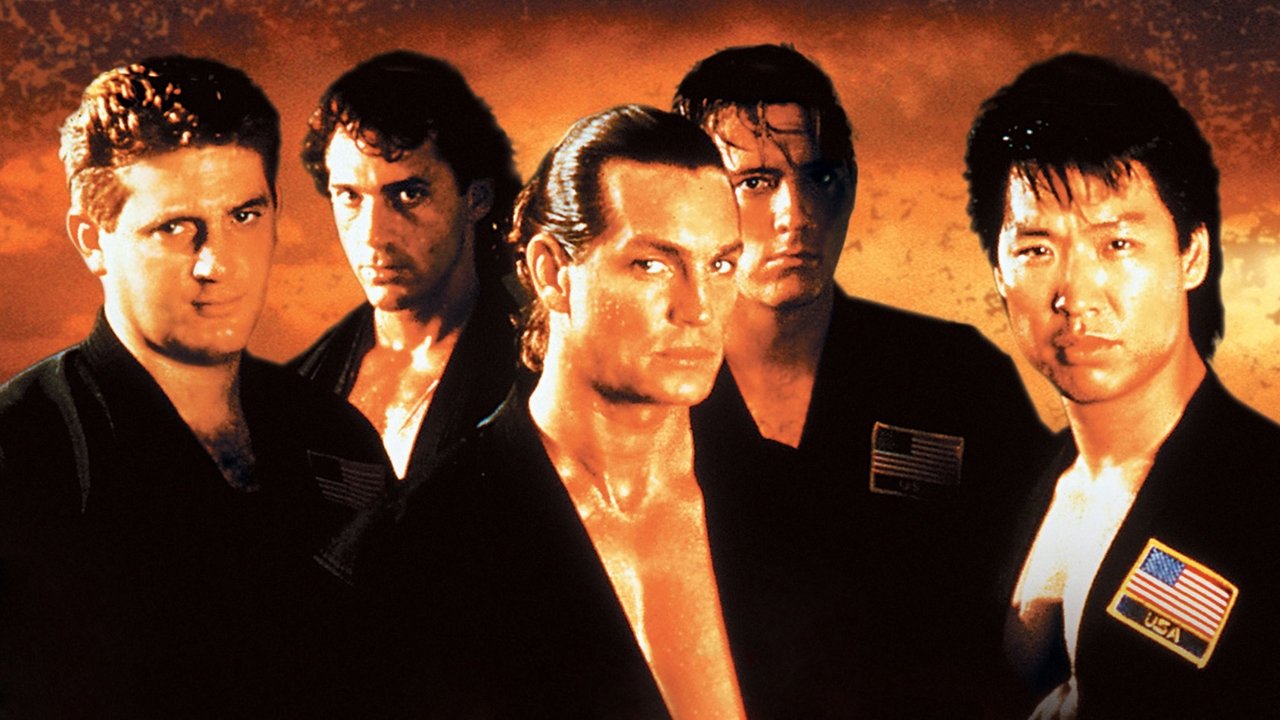
The training itself is depicted with a satisfying crunch. These aren’t slick, dance-like routines. It's sweat, strained muscles, repetitive drills, and the very real thwack of kicks meeting pads (and sometimes, bodies). Remember watching those scenes on a slightly fuzzy CRT, the impacts feeling startlingly real? That’s the beauty of practical stunt work and performers who knew how to sell a hit – or genuinely deliver one. There's a rawness here that modern, digitally smoothed action often lacks. The film even had Simon Rhee (Phillip’s brother and a legendary stunt coordinator/martial artist himself) playing Dae Han Park, the formidable captain of the Korean team, ensuring the opposition felt equally authentic.
### More Than Just Kicks and Punches
What set Best of the Best apart, and perhaps invited some eye-rolls alongside the cheers back in the day, was its commitment to melodrama. This isn't just about winning; it's about overcoming deep-seated trauma. Alex struggles with his injury and single parenthood. Tommy carries the immense burden of facing Dae Han, the man responsible for his brother's death in a previous competition. These emotional stakes are laid on thick, sometimes bordering on cheesy, but they're delivered with such earnest conviction by the cast, particularly Roberts and Rhee, that you can't help but get invested. It aimed for the heart as much as the head (or ribs). This emotional core, however dated it might feel now, is likely why the film resonated so strongly with audiences on VHS, finding a dedicated following despite mixed reviews from critics upon release.
A fun retro fact: The film was made for a relatively modest budget, somewhere around $5 million, but found enough success, especially on home video, to spawn four sequels, stretching well into the late 90s and beyond, mostly focusing on Phillip Rhee's Tommy Lee character. Who knew this emotional sports drama had franchise legs?
### Korea Calling: The Final Showdown
The final act shifts to Seoul, South Korea (with filming locations split between there and California), ramping up the tension as the American underdogs face the disciplined Korean champions. The tournament itself is the payoff – a series of distinct one-on-one matches showcasing different fighting styles and escalating drama. The choreography feels purposeful; less about flashy spectacle, more about strategic strikes and enduring punishment. When Tommy finally faces Dae Han, the personal history electrifies the bout. You feel the weight of every blow, the culmination of all that training and emotional baggage. The film cleverly uses slow-motion not just for effect, but to emphasize the technique and impact, something that worked wonders on those old tube TVs.

Rating: 7/10
Best of the Best earns a solid 7. It's undeniably a product of its time, with earnest melodrama that occasionally dips into schmaltz and some predictable plot beats. However, its strengths are significant: committed performances led by Eric Roberts and Phillip Rhee, the commanding presence of James Earl Jones, genuinely impressive (for the era) practical martial arts choreography rooted in Taekwondo authenticity, and a level of heart rarely seen in the genre back then. The training montages are iconic, and the final tournament delivers satisfying, grounded action. It achieved exactly what it set out to do: be a martial arts film with soul.
Final Thought: It's the cinematic equivalent of your favorite worn-out sweatshirt – maybe not the height of fashion, but familiar, comfortable, and packed with more genuine feeling than you might expect. A true VHS gem where every punch feels earned, emotionally and physically.