Alright, rewind your minds with me. Picture this: it’s late, the only light is the flickering glow of the CRT, and you’ve just slammed a tape into the VCR that promises nothing but pure, unadulterated martial arts mayhem. That tape, often found nestled between well-worn copies of Bloodsport and Kickboxer at the local video store, might very well have been 1990’s The King of the Kickboxers. And let me tell you, popping this one in again feels like rediscovering a particularly potent slice of straight-to-video lightning.
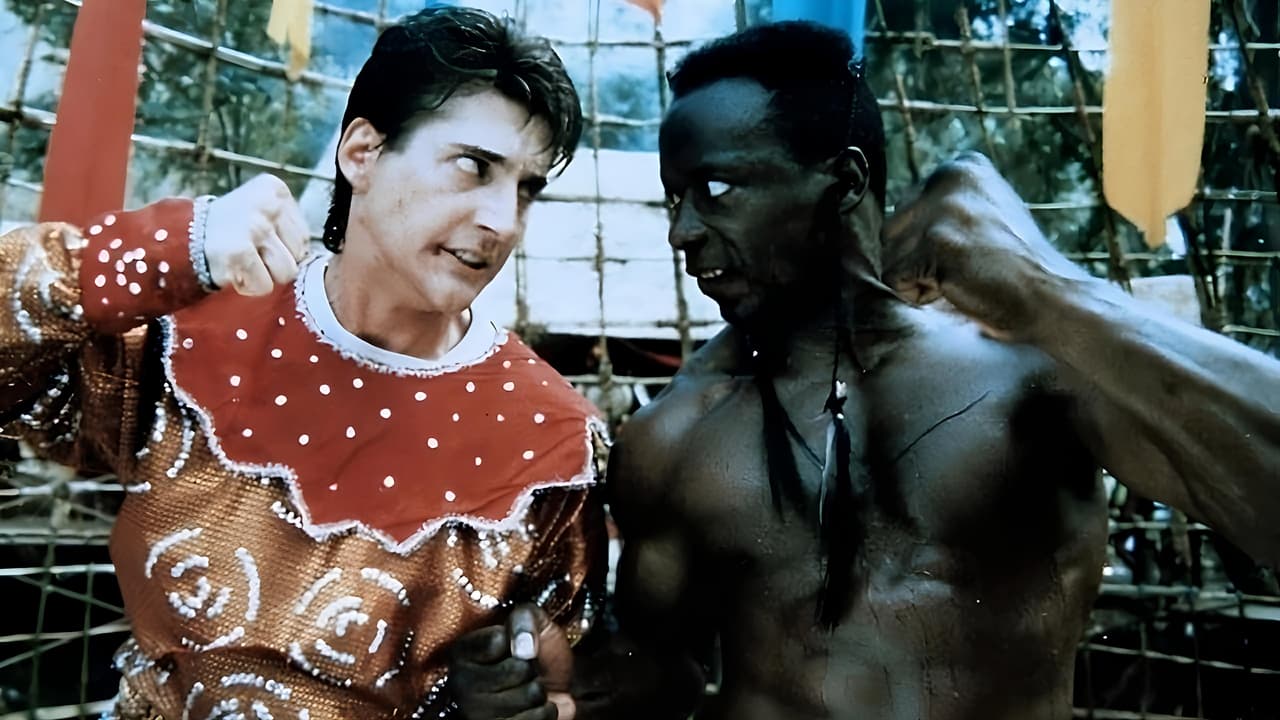
Forget intricate plots whispered in hushed tones. This movie announces its intentions with the subtlety of a roundhouse kick to the face. We're thrown headfirst into a world of brutal Muay Thai tournaments, undercover cops, and a revenge quest burning hotter than a Bangkok summer. Our hero is Jake Donahue, played by Loren Avedon, a face instantly recognizable to anyone who mainlined the No Retreat, No Surrender sequels (No Retreat, No Surrender 2: Raging Thunder (1987) and No Retreat, No Surrender 3: Blood Brothers (1990)). Jake witnesses his brother get murdered in the ring – not just beaten, but murdered – by the merciless champion Khan. Years later, Jake, now an undercover New York cop (!), gets a chance to infiltrate the shady world of snuff kickboxing films in Thailand to bring his brother's killer to justice. Yes, it’s exactly as gloriously over-the-top as it sounds.
### Righteous Fury, 90s Style
Loren Avedon, with his impressive Taekwondo skills, carries the film with an earnest intensity. He wasn't necessarily the most nuanced actor of the era, but he possessed a physical prowess and a certain determined charm that worked perfectly for these kinds of roles. You believed he could learn the "ancient style" needed to defeat his nemesis because he looked like he could genuinely kick butt. And let’s be honest, in a movie like this, that’s half the battle. Funnily enough, Avedon reportedly learned some Muay Thai specifically for this role, adding a layer of authenticity to his transition within the film's narrative.
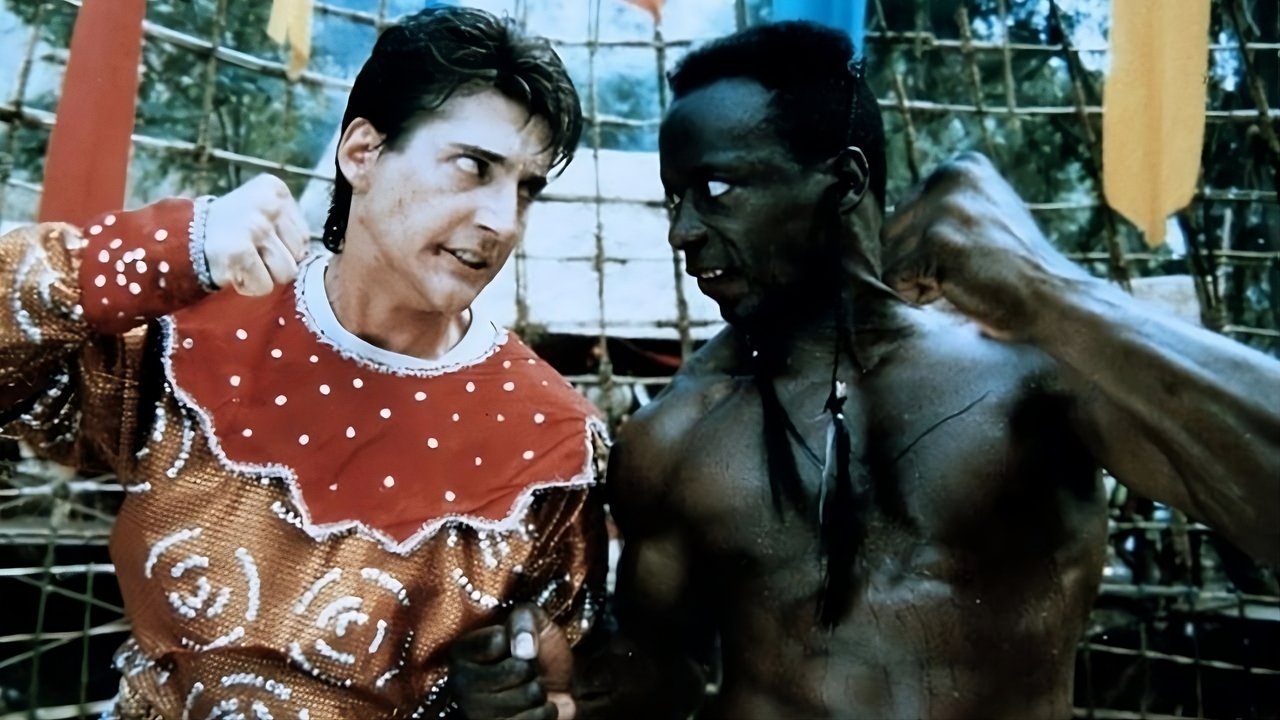
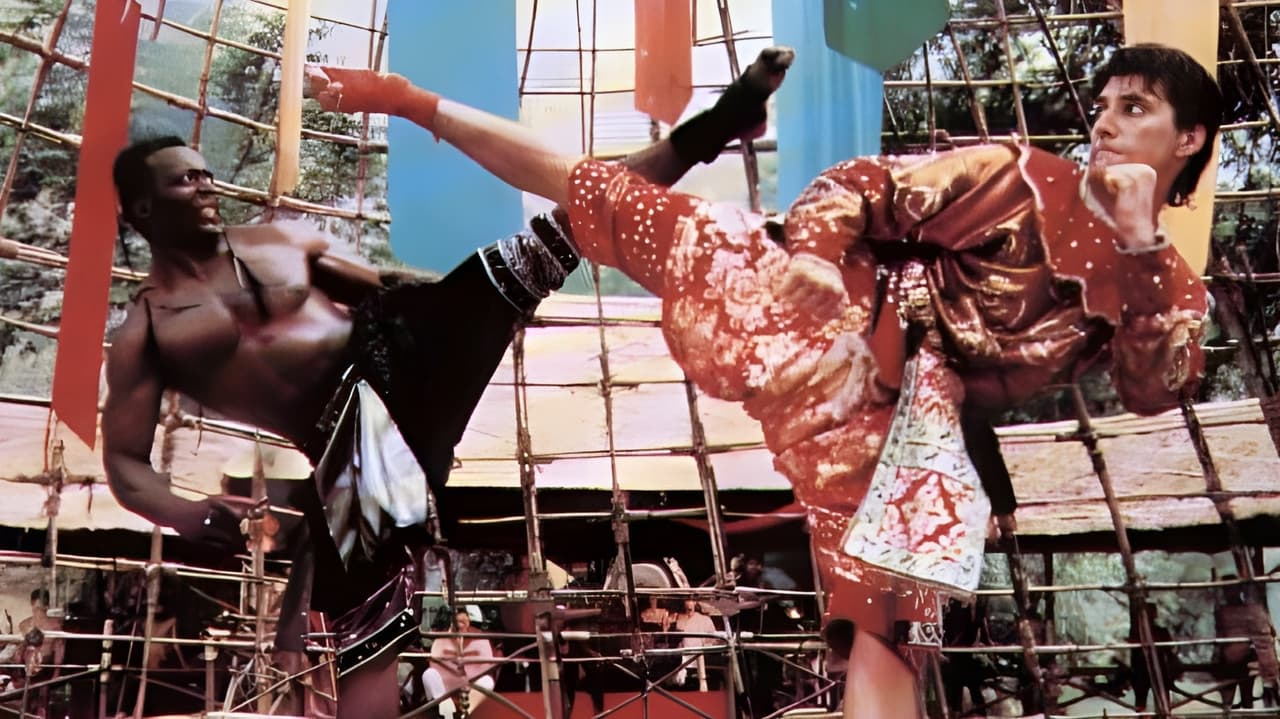
But let's talk about the real reason this film lodges itself in your memory: Khan. Played by none other than Billy Blanks, years before Tae Bo became a household name, Khan is a truly menacing villain. Forget the smiling fitness guru; Blanks here is pure physical intimidation, a ripped engine of destruction whose kicks look like they could shatter bone. His final fight with Avedon isn't just choreography; it feels punishing. You wince with every blow landed. There's a raw ferocity to Blanks' performance that elevates the stakes considerably.
### Grit, Sweat, and Practical Pain
This is where The King of the Kickboxers truly shines in that special VHS Heaven way. The action, directed by Lucas Lowe (who also gave us the charming American Shaolin (1991)), is grounded, brutal, and refreshingly practical. Remember how real those hits felt back then? The stunt work, much of it performed by skilled local Thai martial artists, has that tangible weight missing from so much modern, wire-fu and CGI-heavy action. When someone gets kicked, they fly back realistically (or, well, 90s-action-movie realistically), often crashing through conveniently placed market stalls or flimsy bamboo structures. There's a distinct lack of digital smoothing; you see the sweat, you feel the impact (or the brilliant illusion of it).
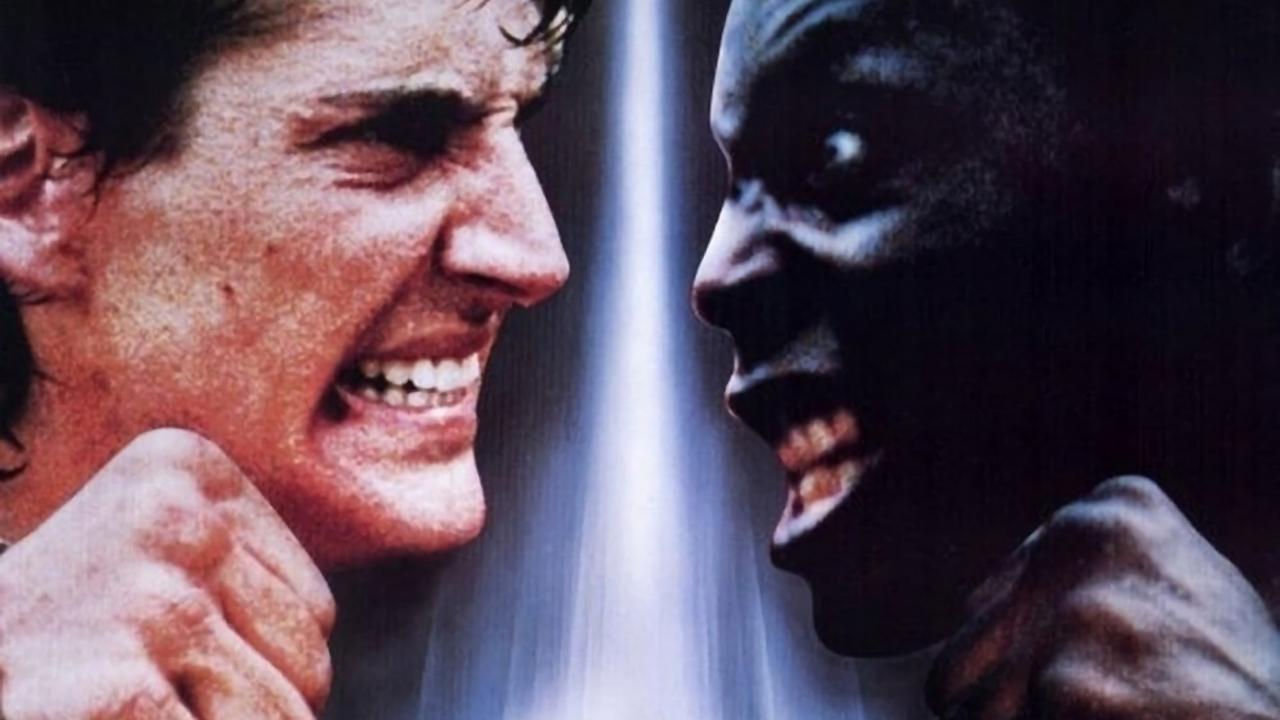
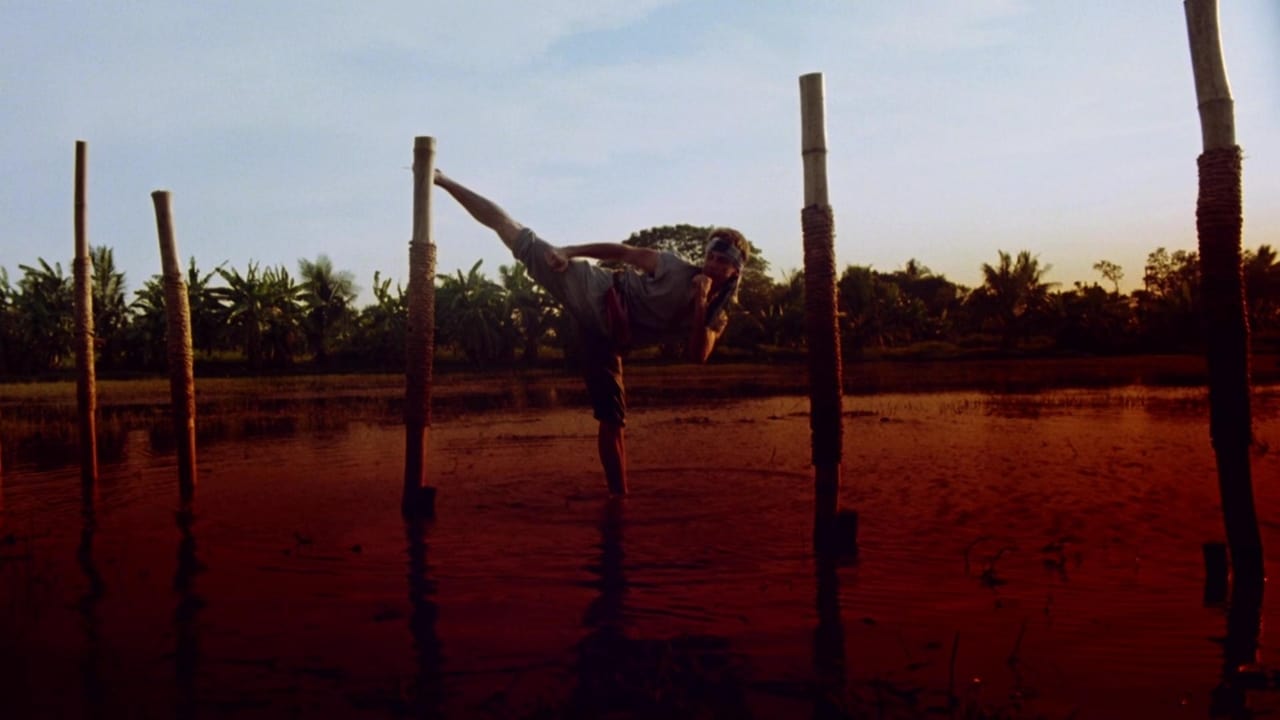
The film was penned by Keith W. Strandberg, a writer who practically defined this niche for producer Ng See-yuen's Seasonal Film Corporation – the company that often blended Western leads with Asian settings and action sensibilities. They knew their audience wanted training montages (cue Jake learning lethal leg kicks from a reclusive master, played with suitable gravitas by veteran Richard Jaeckel), brutal tournament fights, and a clear good-vs-evil showdown. The King of the Kickboxers delivers precisely that formula, honed to a sharp edge. Adding another familiar face was Don Stroud as Jake's police contact, lending his usual gruff dependability. Filming entirely on location in Thailand gives the movie an authentic backdrop, a sense of place that elevates it beyond soundstage confines, even if it likely presented its own set of logistical hurdles for the production crew.
### Nostalgia Hit with a High Kick
Sure, watching it now, you'll chuckle at some of the dialogue, the plot contrivances (Jake's undercover mission feels... tangential at times), and the sheer 90s fashion choices. But it's an affectionate chuckle. The film operates with a sincerity that's incredibly endearing. It wasn’t aiming for Academy Awards; it was aiming to deliver thrilling, easy-to-follow action entertainment directly to your living room, and on that front, it succeeded brilliantly. It became a solid video rental favourite, the kind of tape passed between friends with breathless recommendations focusing solely on the fight scenes.
This film represents a specific moment in action cinema – post-Cannon Films, pre-Matrix, where practical stunts and martial arts prowess were king, especially in the burgeoning direct-to-video market. It wasn't a box office titan (estimated budget around $1-2 million, typical for these productions), but it found its tribe on the shelves of Blockbuster and local video haunts.
Rating: 7/10
Justification: While the plot is pure formula and the acting is occasionally stiff, The King of the Kickboxers delivers outstandingly well on its core promise: hard-hitting, practical Muay Thai action. Loren Avedon is a capable lead, Billy Blanks is an unforgettable villain, and the fight choreography feels satisfyingly visceral. It earns a solid 7 for being a prime example of its genre and era, providing exactly the kind of gritty kickfest VHS hounds were searching for.
Final Word: Forget polished pixels; this is action you can feel – raw, impactful, and gloriously unrefined, like the satisfying clunk of a VHS tape locking into place. Still kicks hard.