Alright, fellow tapeheads, let's rewind to 1993. You're browsing the aisles of your local video haven, past the usual explosions and familiar action heroes. Then, you spot it: a cover promising martial arts, but with a vibe that feels… different. Fluid, acrobatic, almost dance-like. That movie was Only the Strong, and for many of us, it was our first electrifying introduction to the mesmerizing world of Capoeira. Forget the standard karate chops and high kicks for a moment; this film brought a whole new rhythm to the fight scene.

### Berets, Bad Kids, and Brazilian Beats
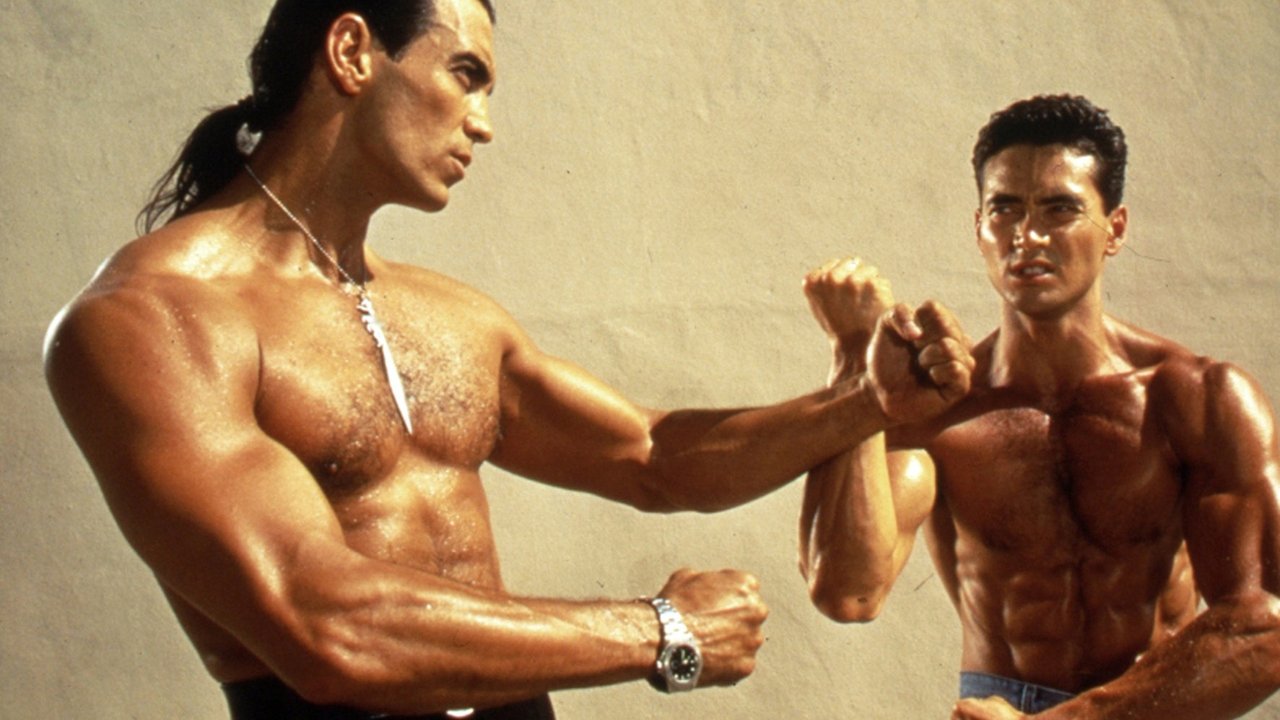
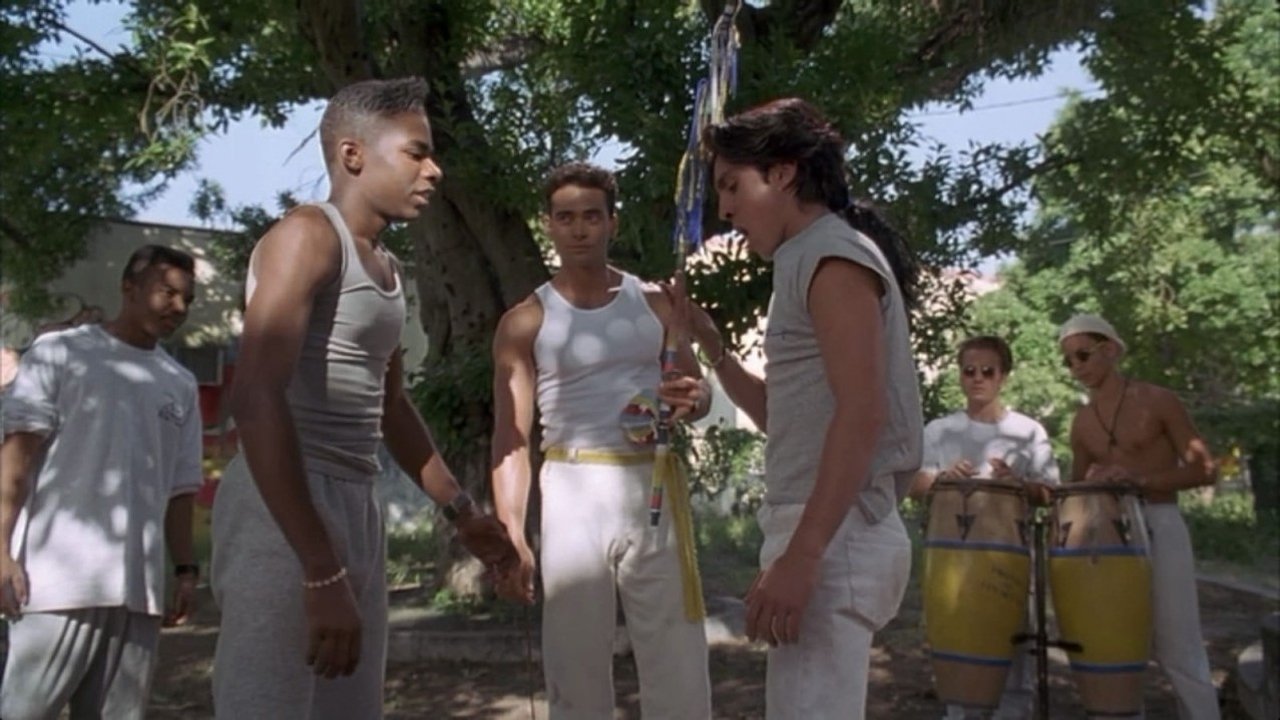
The setup is pure, distilled early-90s action concentrate: Mark Dacascos, in his first starring role, plays Louis Stevens, a former Green Beret fresh from service in Brazil where he mastered the art of Capoeira. He returns to his grim Miami high school alma mater only to find it ravaged by drugs, gangs, and apathy. His solution? Ditch the textbooks (briefly) and teach the most incorrigible students discipline, respect, and self-defense through the fluid, powerful movements of Capoeira. It's a classic "inspirational teacher tames troubled teens" narrative, but injected with the vibrant energy of this unique martial art.
Dacascos, himself the son of martial arts instructors and already a seasoned practitioner (though Capoeira wasn't his primary discipline initially, he trained intensely for the role), is instantly compelling. He possesses a quiet charisma and, more importantly, moves with a grace and power that sells the entire concept. You believe he could turn these kids around with the sheer force of his personality and the hypnotic allure of the ginga – that fundamental Capoeira rocking motion.
### The Rhythm is Gonna Get You (Kicked)
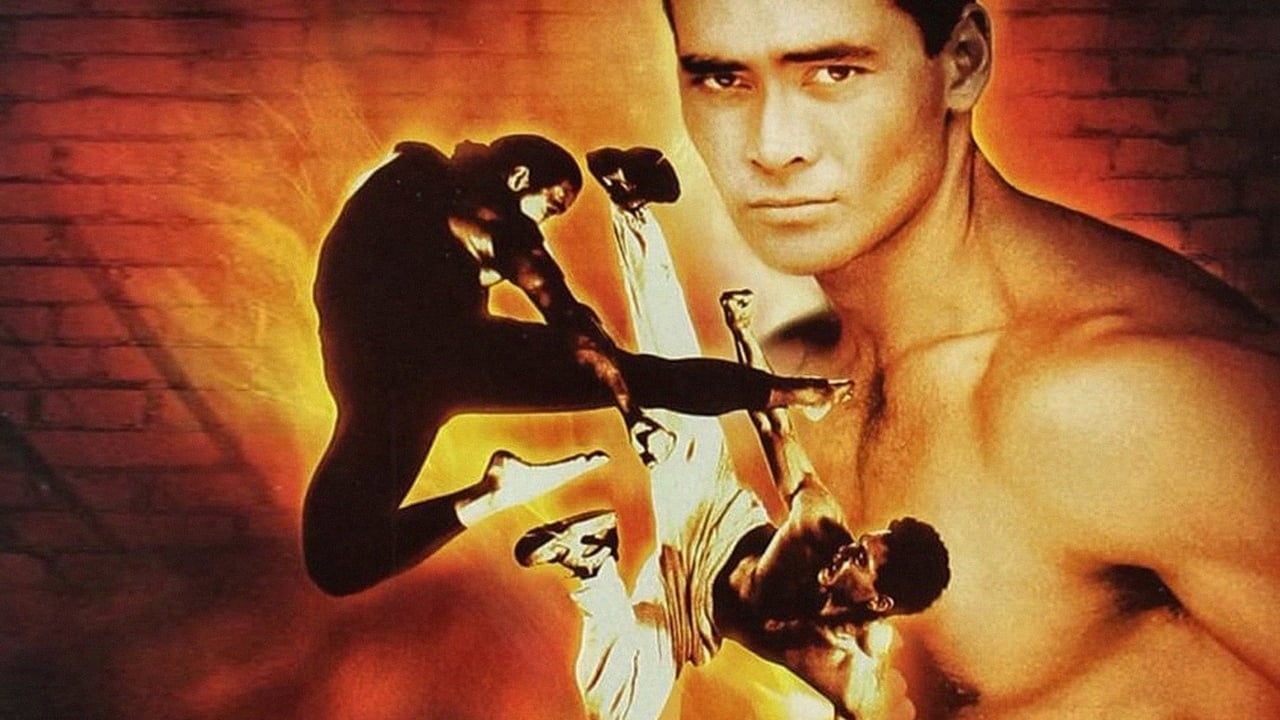
Let's be honest, the reason this tape became a cult favourite wasn't just the feel-good story. It was the action. Director Sheldon Lettich, already familiar to action fans for helming Jean-Claude Van Damme vehicles like Lionheart (1990) and Double Impact (1991), knew how to stage a fight. But here, the choreography felt revolutionary. This wasn't the stiff, linear striking we often saw. Capoeira, with its roots in Afro-Brazilian slave history as a disguised form of self-defense, is all about rhythm, evasion, sweeps, and explosive acrobatics.
Remember watching those training montages? The way Stevens drilled the kids, transforming their slouching cynicism into focused energy? Or the confrontations with the local gang leader, Silverio (played with sneering menace by Paco Christian Prieto)? The fights felt grounded yet spectacular. Retro Fun Fact: Only the Strong is widely credited as the first mainstream Hollywood film to showcase Capoeira so prominently. It literally brought the art form out of relative obscurity and onto the world stage. The stunt performers, many actual Capoeiristas, threw themselves into these sequences with abandon. You see real movement, real athletic prowess – the kind of practical stunt work that feels visceral and immediate, worlds away from the sometimes weightless feel of modern CGI-heavy brawls. Was some of it maybe a little sped up in editing? Perhaps. Did it look incredibly cool on our fuzzy CRT screens? Absolutely.
### Miami Vices and Virtues
The film benefits from its gritty Miami locations, lending it an authentic sense of place that elevates it beyond a generic schoolyard drama. Lettich captures that specific early 90s Florida vibe – the heat, the decay, the looming threat just around the corner. Supporting players like the always reliable Geoffrey Lewis (a veteran face from countless Westerns and Clint Eastwood films) as the initially skeptical Principal Kerrigan, and Stacey Travis as the concerned fellow teacher Dianna, provide necessary grounding. Their presence helps sell the stakes beyond just the next fight sequence.
Of course, it’s a product of its time. The plot hits familiar beats, the dialogue occasionally dips into after-school special territory ("The pathway to darkness is violence. The pathway to light is knowledge."), and the fashion is gloriously, unapologetically early 90s. Retro Fun Fact: The film's budget was reportedly around $6 million, and while not a massive blockbuster, its performance on home video cemented its cult classic status among martial arts aficionados. It found its audience, the ones hungry for something fresh in the action genre. The soundtrack, blending hip-hop with infectious Brazilian rhythms, also played a huge part in establishing the film's unique identity.
### Still Got the Moves?
Watching Only the Strong today is a potent shot of nostalgia, but it’s more than just that. Mark Dacascos launched a solid action career from this, and the film remains a fascinating showcase for his physical talents and screen presence. The Capoeira sequences still impress with their fluidity and power, a testament to the skill of the performers and the effectiveness of practical action filmmaking. It perfectly captures that specific brand of earnest, slightly dangerous energy that defined so many beloved VHS-era action flicks. It aimed to entertain, maybe inspire a little, and show off some truly incredible moves.
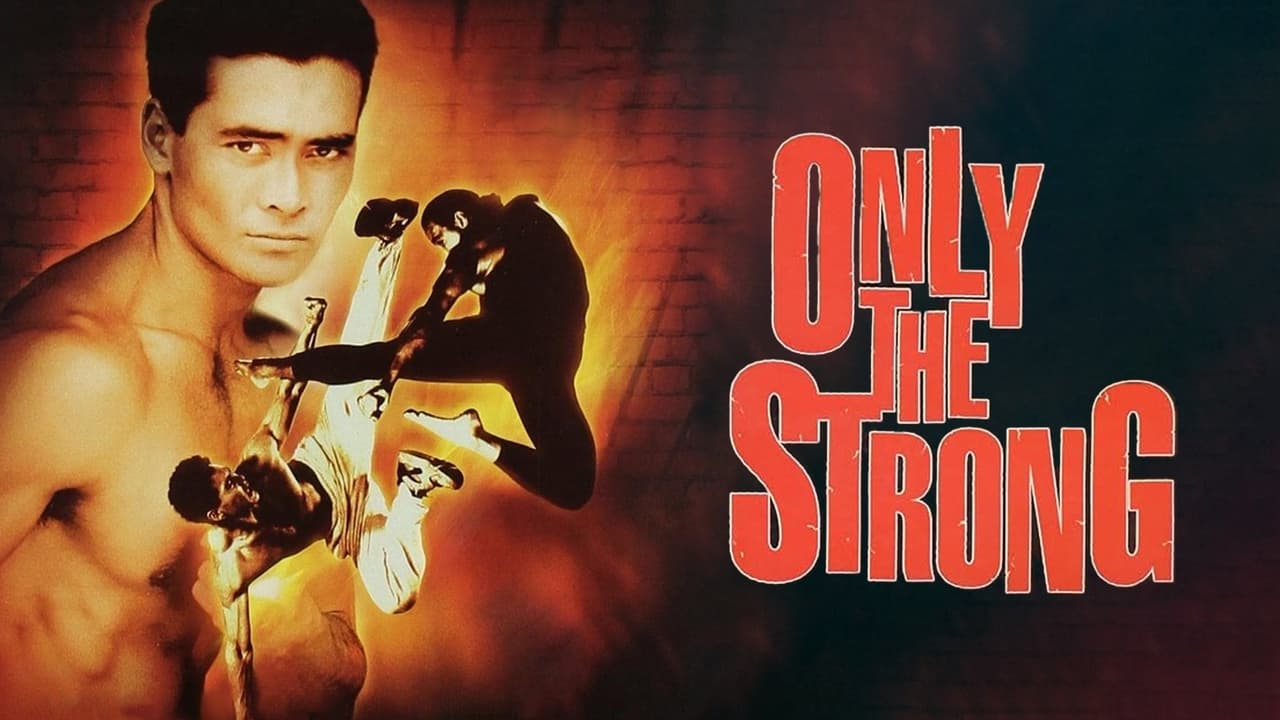
Rating: 7/10
Justification: While the script treads familiar ground and certain elements feel dated, Only the Strong scores high for its groundbreaking introduction of Capoeira to mainstream audiences, Mark Dacascos's star-making performance, and its raw, energetic, practical fight choreography. It’s a film with a unique rhythm and undeniable charm that overcomes its narrative simplicity.
Final Thought: It may not be the most complex story ever told, but Only the Strong still flows with a unique energy, a vibrant reminder of when discovering a new kind of action hero, and a whole new way to fight, felt like uncovering hidden treasure at the video store. "Paranauê, paranauê, paraná..." You know you remember it.