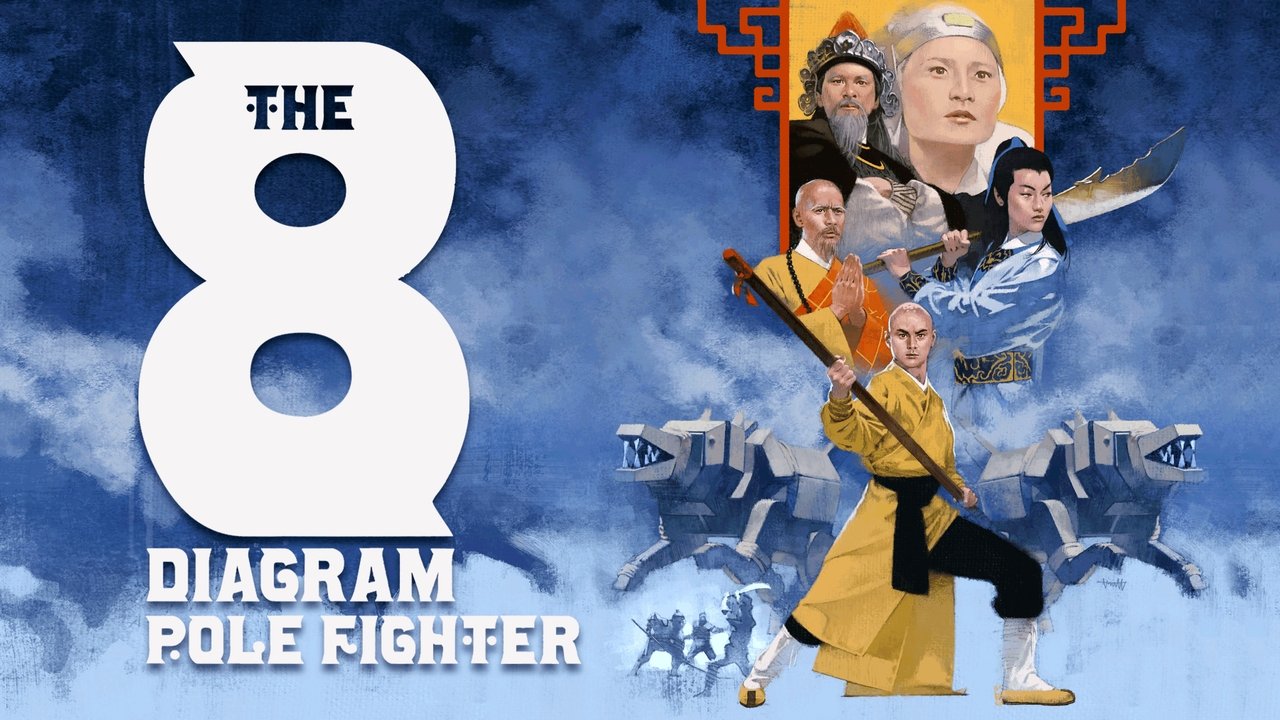
Alright, fellow tapeheads, gather 'round. Remember that feeling? Scanning the packed shelves of the Action aisle at the local video store, fluorescent lights humming overhead, looking for something different. Maybe something with a killer cover, promising unparalleled mayhem. If you were lucky, really lucky, you might have stumbled upon a Shaw Brothers masterpiece that hit differently than the usual high-flying adventures. I'm talking about Lau Kar-leung's devastating 1984 classic, The Eight Diagram Pole Fighter (sometimes found lurking under the title Invincible Pole Fighter). This wasn't just another kung fu flick; this was something darker, heavier, and unforgettable.
### Betrayal and Brutality
Forget the bright colours and cheerful training montages you might expect. The Eight Diagram Pole Fighter kicks off with pure, gut-wrenching tragedy. We witness the legendary Yang family, loyal generals betrayed by the scheming Pan Mei and ambushed by overwhelming Tartar forces at Golden Beach. It’s a massacre, depicted with a raw intensity that still shocks. The patriarch and most of his sons are cut down, leaving only the fifth son, Yang Wu-Lang (Gordon Liu Chia-Hui), and the sixth son, Yang Liu-Lang (Alexander Fu Sheng), alive but shattered. The sheer panic and brutality of this opening sequence set a grim tone that permeates the entire film. It's less about heroic defense and more about desperate survival against impossible odds.
### A Star Dimmed, Another Burns Brighter
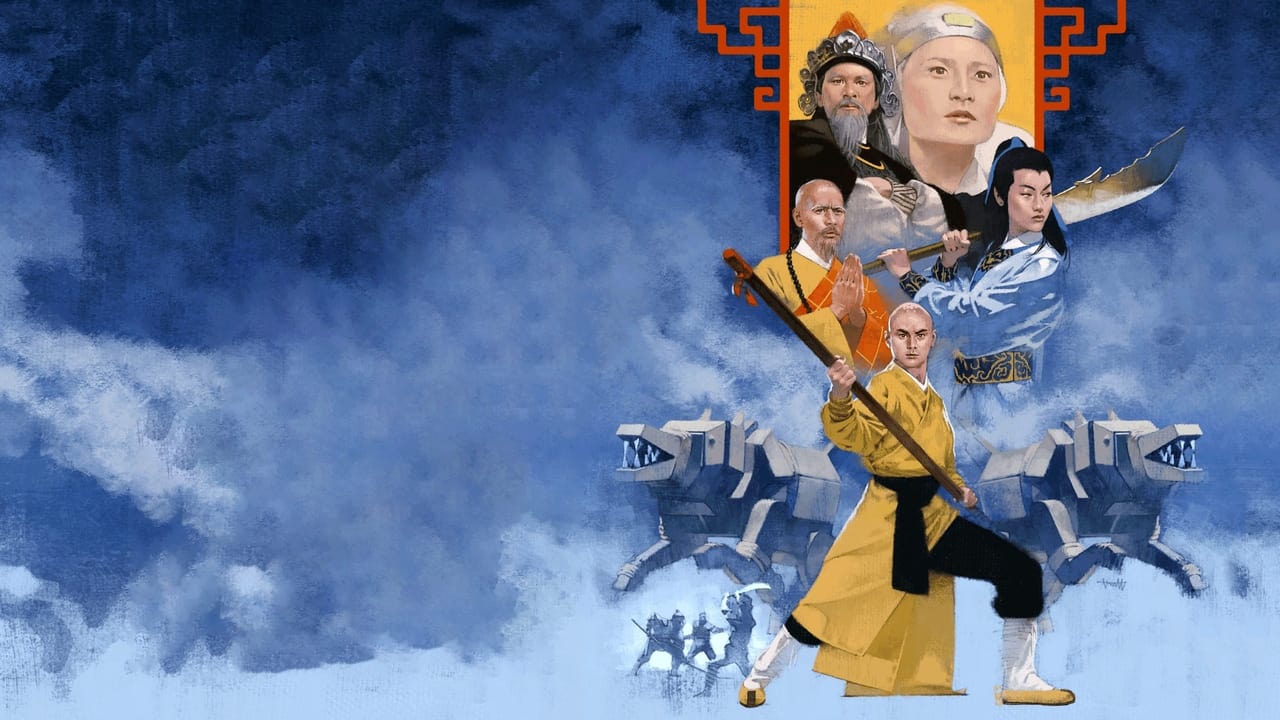
It's impossible to discuss this film without acknowledging the profound sadness woven into its very fabric. The charismatic Alexander Fu Sheng, a major Shaw Brothers star often seen in lighter, more acrobatic roles, was originally intended to be the central hero. Tragically, Fu Sheng died in a horrific car accident midway through production in 1983. This wasn't just a casting change; it was a devastating loss that forced director and martial arts legend Lau Kar-leung (who considered Fu Sheng like a son) to completely rewrite the narrative.
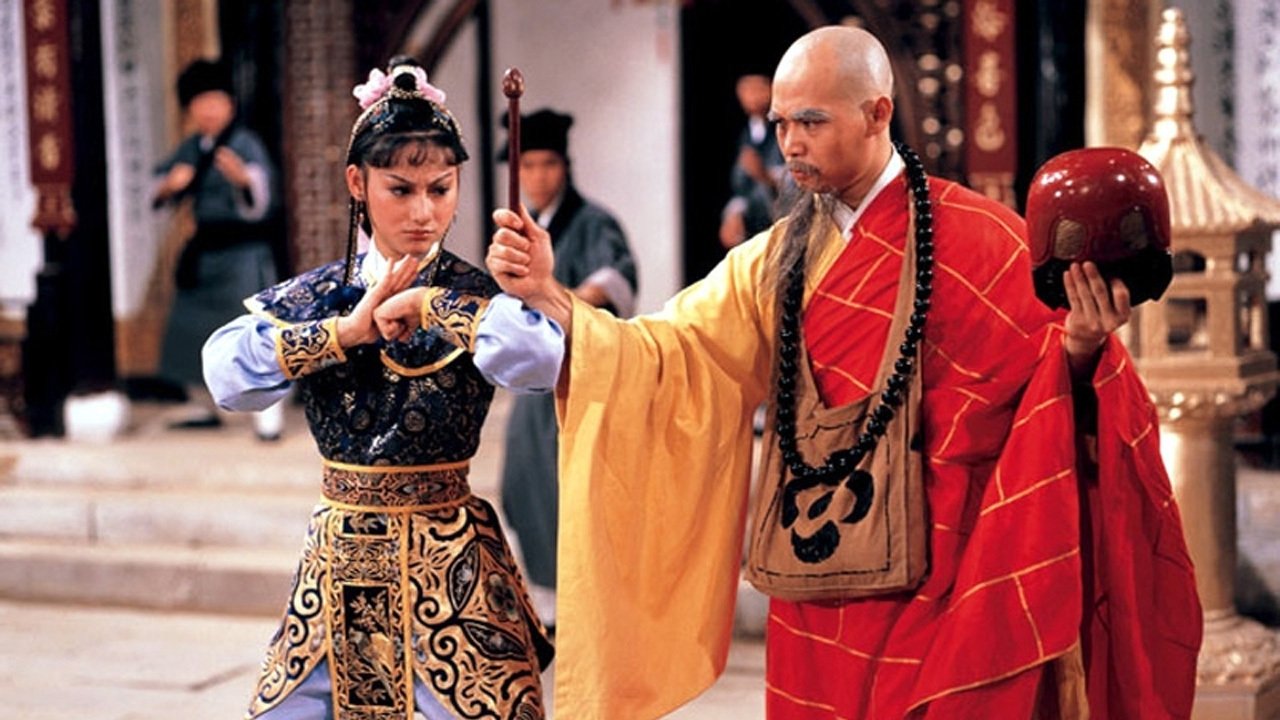
The focus shifted squarely onto Gordon Liu's Fifth Brother. What we see is Liu, renowned for his stoic shaolin heroes in films like Lau Kar-leung's own The 36th Chamber of Shaolin (1978), delivering arguably the performance of his career. His character, driven half-mad by grief and trauma, seeks refuge in a monastery. But peace is elusive. The monks refuse to teach him their pole techniques, fearing his vengeful heart. What follows isn't a standard training arc; it's a descent into obsessive, grief-fueled mastery. Liu’s portrayal of simmering rage, PTSD, and eventual explosion into righteous fury is magnetic and deeply affecting. You also have the ever-reliable Lily Li Li-Li as the Yang matriarch, grounding the family's immense suffering.
### The Lau Kar-leung Difference: Pole Power
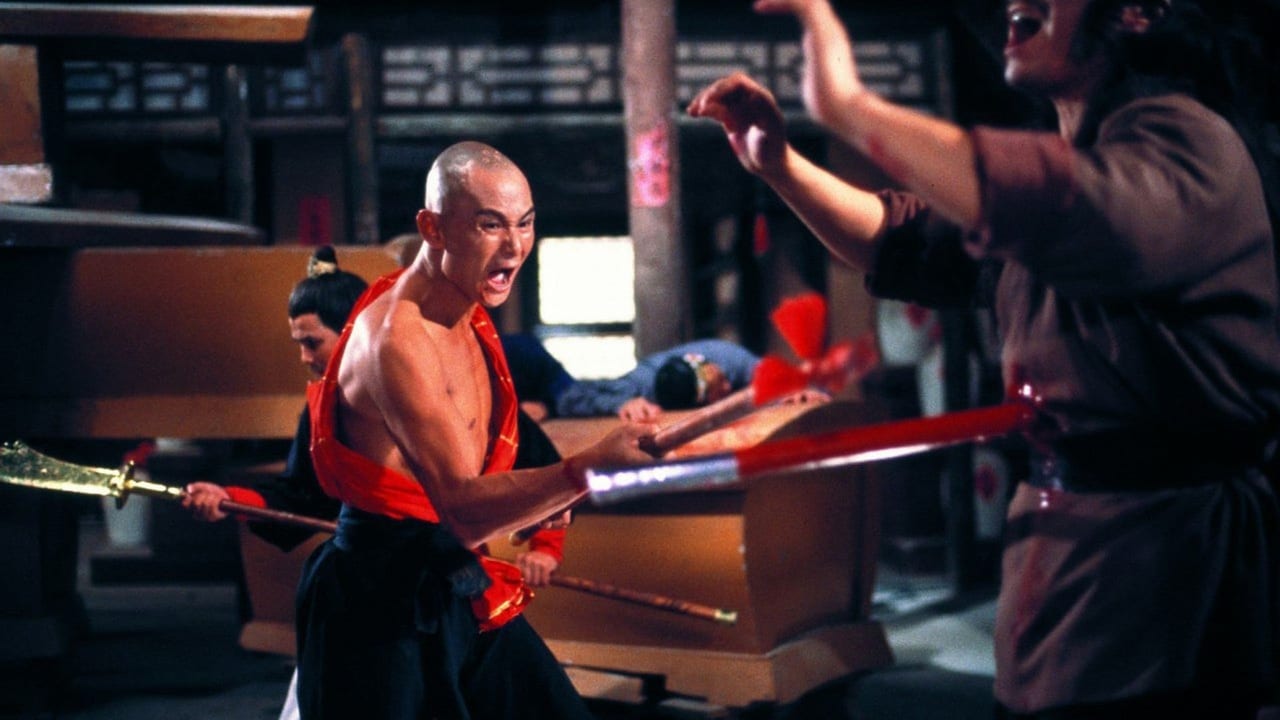
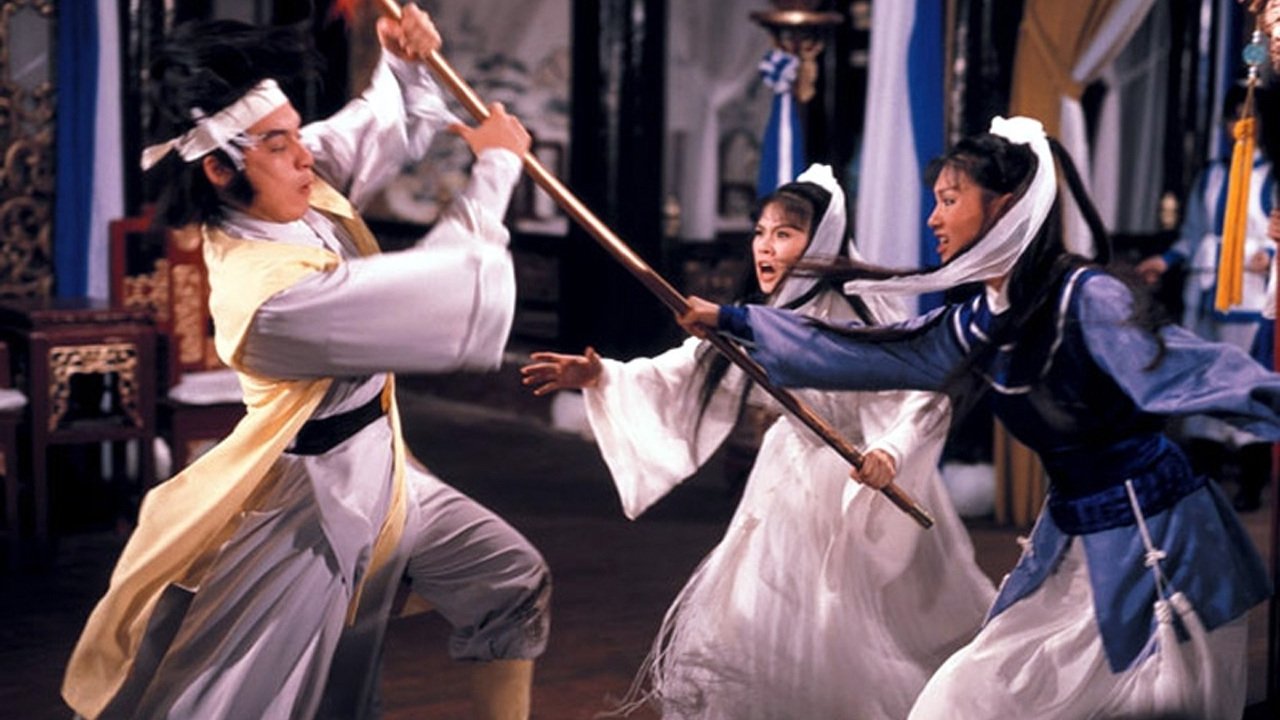
When the action hits, orchestrated by the masterful Lau Kar-leung himself – a man whose lineage traces back to the real Wong Fei-hung – it’s unlike anything else. Forget wire-fu fantasy; this is grounded, bone-jarringly real weapon combat. Lau, assisted by his brother Lau Kar-wing and Hsiao Ho on choreography, crafts intricate, powerful sequences centered around the long pole. The titular eight diagram pole technique isn't just flashy; it's presented as a brutally effective system born from desperation.
Remember how real those impacts felt on VHS? The thwack of wood on wood (or wood on bone!), the speed, the precision – it was breathtaking. This was the era of practical effects and pure physical prowess. Seeing Gordon Liu wielding that pole, transforming it from a defensive tool into an unstoppable instrument of vengeance, felt utterly convincing. The sequence where he adapts the pole techniques by observing the monks, eventually even filing the teeth off captured wolves to mimic removing spearheads from poles (!), is ingenious and disturbing. It’s a physical manifestation of his broken psyche. Compared to today's often weightless CGI-enhanced fights, the sheer heft and danger here feel visceral. You believe every parry, every strike has consequences.
### More Than Fists and Fury
While the pole fighting is the star attraction, The Eight Diagram Pole Fighter offers more. It delves into themes of survivor's guilt, the psychological toll of violence, and the consuming nature of revenge. Gordon Liu's character isn't just angry; he's haunted, teetering on the edge of sanity. The film doesn't shy away from the ugliness of his quest. The final confrontation, set within a temple filled with coffins containing his slain brothers, is incredibly atmospheric and loaded with symbolic weight. It’s a testament to Lau Kar-leung and co-writer Ni Kuang that they imbued this action framework with such emotional depth, amplified undoubtedly by the real-life tragedy shadowing the production. The film reportedly cost around HK$5 million, a substantial sum for Shaw Brothers at the time, reflecting the studio's faith in Lau and his stars.
### Legacy on Magnetic Tape
Finding The Eight Diagram Pole Fighter felt like uncovering a secret weapon in the video store arsenal. It wasn't always the most prominent tape, but for those who knew, it was essential viewing. Its darker tone and emphasis on grounded weapon combat made it stand out. It resonated differently – less joyous escapism, more cathartic intensity. It became a benchmark for intricate pole choreography and a high point in the careers of both Lau Kar-leung and Gordon Liu. Watching it again now, the raw power remains undimmed, a potent reminder of what practical stunt work and committed performances could achieve before digital trickery became the norm.
Rating: 9.5/10
This rating reflects the film's near-perfect execution of grounded, intricate weapon choreography, Gordon Liu's powerhouse performance driven by real-world tragedy, Lau Kar-leung's masterful direction, and its emotionally resonant, unusually dark narrative for the genre. The slight deduction acknowledges that the abrupt narrative shift necessitated by Fu Sheng's death is perceptible, though handled remarkably well.
Final Word: Forget fancy wires; this is the sound of polished wood meeting fury – a brutal, beautiful ballet of vengeance from the golden age of kung fu, forever marked by tragedy but achieving cinematic immortality. Absolutely essential.