Some films arrive like ghosts on the video store shelf, their covers hinting at mysteries deeper than the usual blockbuster fare. The Murdered House (original title: La Maison Assassinée), released in 1988, was one such tape – perhaps nestled in the ‘World Cinema’ section, promising something different, something steeped in a history far removed from the neon glow of the late 80s. And what lingers, years after that first viewing, is the oppressive weight of the past, embodied by a house left standing as a silent monument to an atrocity.
Return to Ruin
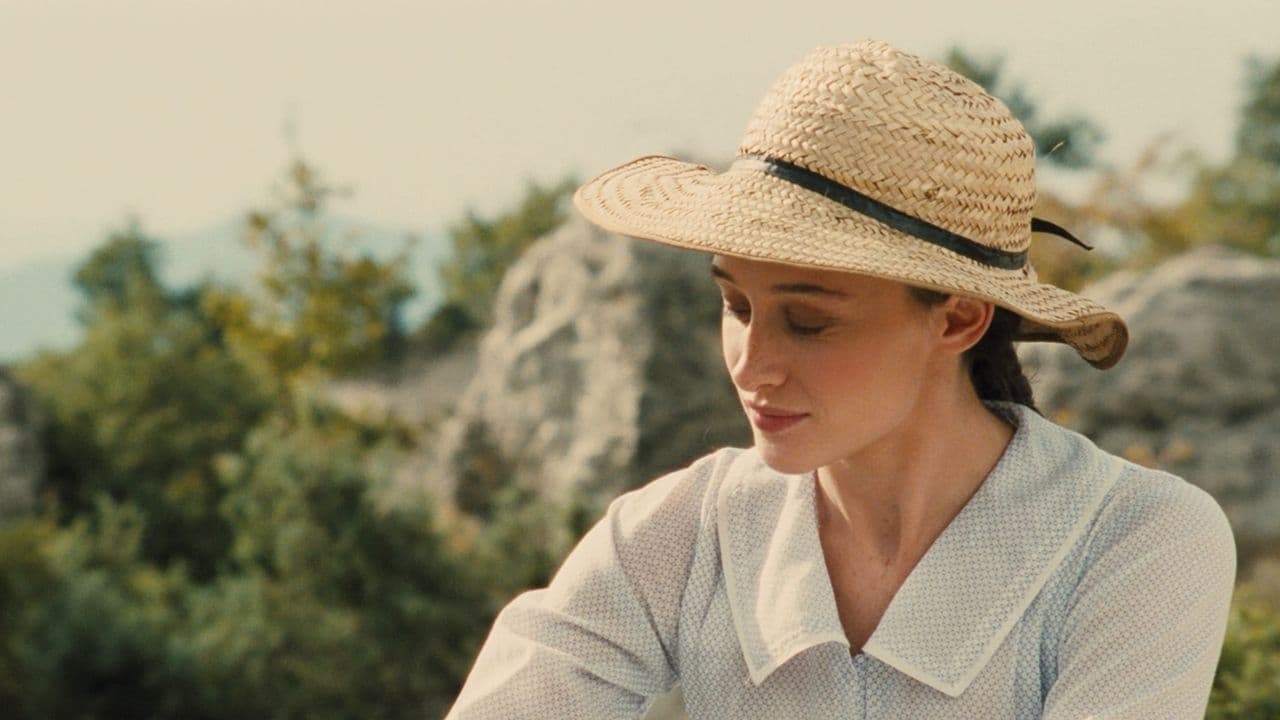
The premise itself carries a chilling resonance. We meet Séraphin Monge, played with a quiet intensity by Patrick Bruel, returning to his desolate village in Haute-Provence shortly after the brutal conclusion of World War I. He carries the physical and psychic scars of the trenches, but his deeper wounds stretch back further, to the night of his birth. Twenty years prior, his entire family was slaughtered in their isolated farmhouse, leaving him the sole survivor, discovered crying amidst the carnage. The murders were never solved, the perpetrators never found. Now, Séraphin is back, not just to reclaim his land, but to unearth the truth buried beneath decades of silence and fear.
It’s a narrative that immediately pulls you into its specific, almost suffocating atmosphere. Director Georges Lautner, a filmmaker many in France associated more readily with the boisterous comedies starring Lino Ventura (Les Tontons Flingueurs) or the slick action of Le Professionnel (1981) with Jean-Paul Belmondo, takes a deliberate, almost meditative approach here. Adapting Pierre Magnan's novel, Lautner lets the Provençal landscape – rugged, beautiful, yet undeniably isolated – become a character in itself. The titular house, decaying yet defiant, looms large, a constant reminder of the violence that birthed Séraphin’s quest.
A Pop Idol Confronts the Past
The casting of Patrick Bruel was, at the time, quite a talking point in France. Bruel was a bona fide pop superstar, his music dominating the airwaves. Seeing him take on such a somber, internalized role was a significant shift. Yet, he truly delivers. His Séraphin is watchful, haunted, his youthful face etched with a weariness beyond his years. There's a coiled tension in his performance; you feel the simmering need for answers warring with the caution required to navigate a community bound by secrets. Lautner reportedly had initial reservations about casting such a huge pop idol, fearing it might detract from the film's gravity, but Bruel's committed performance proved those fears unfounded, grounding the story in Séraphin’s palpable grief and determination. It wasn't just stunt casting; it was a genuine transformation that lent surprising weight to the film.
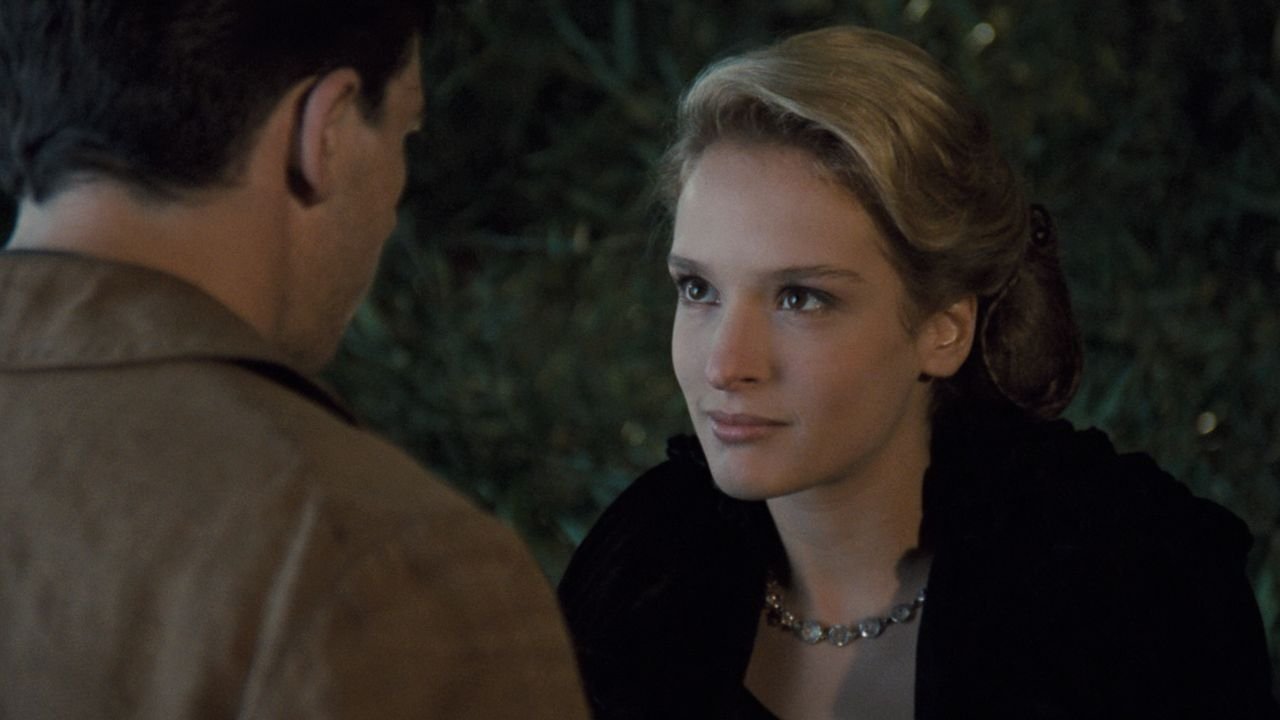
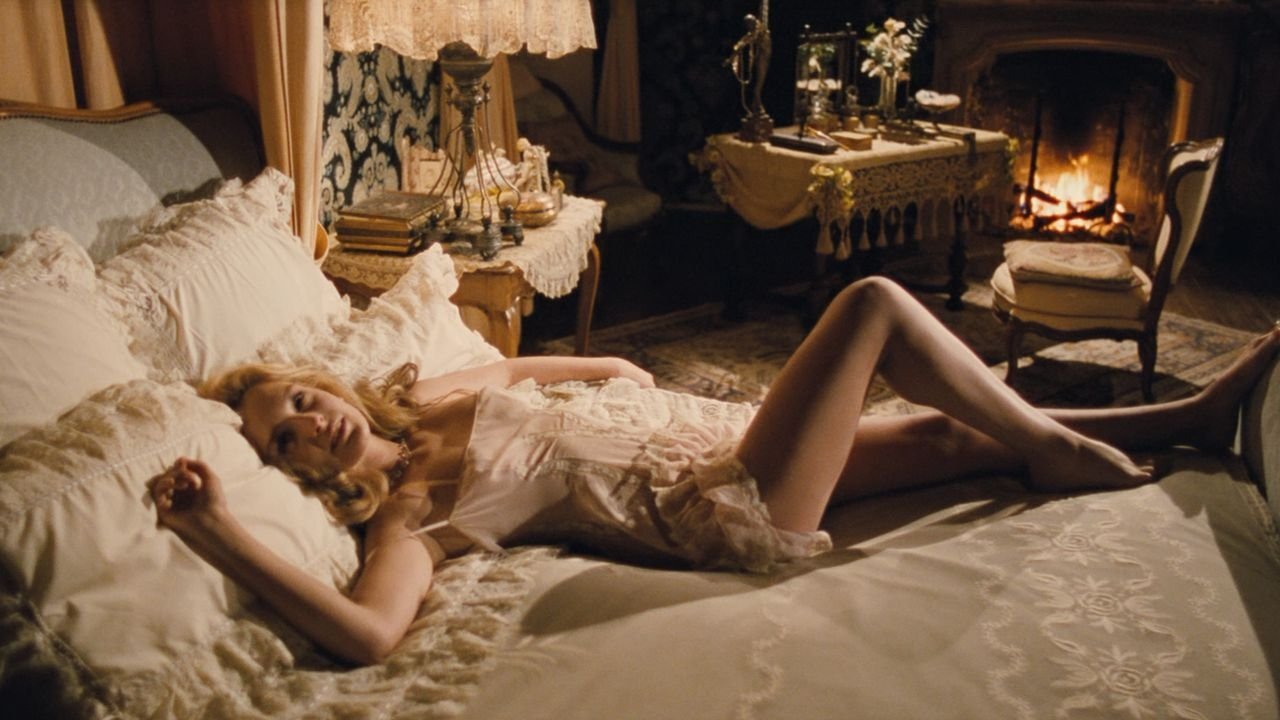
Supporting players like Anne Brochet as Marie, a potential ally or obstacle, and Agnès Blanchot as the more enigmatic Rose, add layers to the provincial tapestry. Their interactions with Séraphin reveal the complex social dynamics of the village, where long memories and unspoken loyalties dictate the flow of information – or its deliberate withholding.
Secrets Carved in Stone
What makes The Murdered House resonate beyond a simple whodunit is its exploration of how trauma, both personal and collective (the shadow of WWI looms subtly), shapes a community. The film unfolds slowly, mirroring Séraphin's patient investigation. It’s less about thrilling chases and more about piecing together fragments of memory, interpreting hushed conversations, and confronting the ghosts that linger not just in the ruined house, but in the hearts of the villagers. Was it greed? Revenge? A crime of passion? The possibilities hang heavy in the air.
Lautner uses the striking landscapes of Forcalquier and the surrounding Alpes-de-Haute-Provence region to great effect. The stark beauty underscores the loneliness of Séraphin's mission. Reportedly, finding the perfect 'maison assassinée' was crucial, and the chosen location needed little dressing to convey decades of neglect and sorrow. This focus on authentic atmosphere over flashy set pieces gives the film a timeless quality, even watching it now, decades removed from its VHS origins. It feels rooted in its specific time and place, a story that could only unfold in such an environment.
Worth Unearthing from the Dust
Discovering The Murdered House back in the day might have felt like uncovering a hidden gem. It wasn't the typical high-octane rental; it demanded patience, an appreciation for mood and character over rapid-fire plot twists. It’s a film that rewards immersion, allowing the viewer to sink into its world and Séraphin’s obsessive quest. Some might find the pace too measured, but for those attuned to its wavelength, it’s precisely this deliberate unfolding that builds the suspense and deepens the emotional impact. Its French box office was respectable, proving audiences were willing to follow Lautner and Bruel into this darker territory, but it never quite achieved widespread international recognition, making it feel like a true 'VHS Heaven' find today.
Rating: 8/10
This rating reflects the film's powerful atmosphere, Patrick Bruel's compelling central performance, and its thoughtful exploration of memory, trauma, and the suffocating power of secrets within a closed community. While the deliberate pacing might not suit all tastes, the film succeeds beautifully in creating a haunting and immersive experience. Director Georges Lautner proves his versatility, crafting a memorable rural noir that stands apart from his more famous works.
The Murdered House leaves you contemplating the nature of truth and the lengths one might go to uncover it, even when the past clings like dust, refusing to be disturbed. It's a potent reminder that some houses, like some histories, remain forever haunted.