Here's a review of Sirens (1994) in the style of "VHS Heaven":
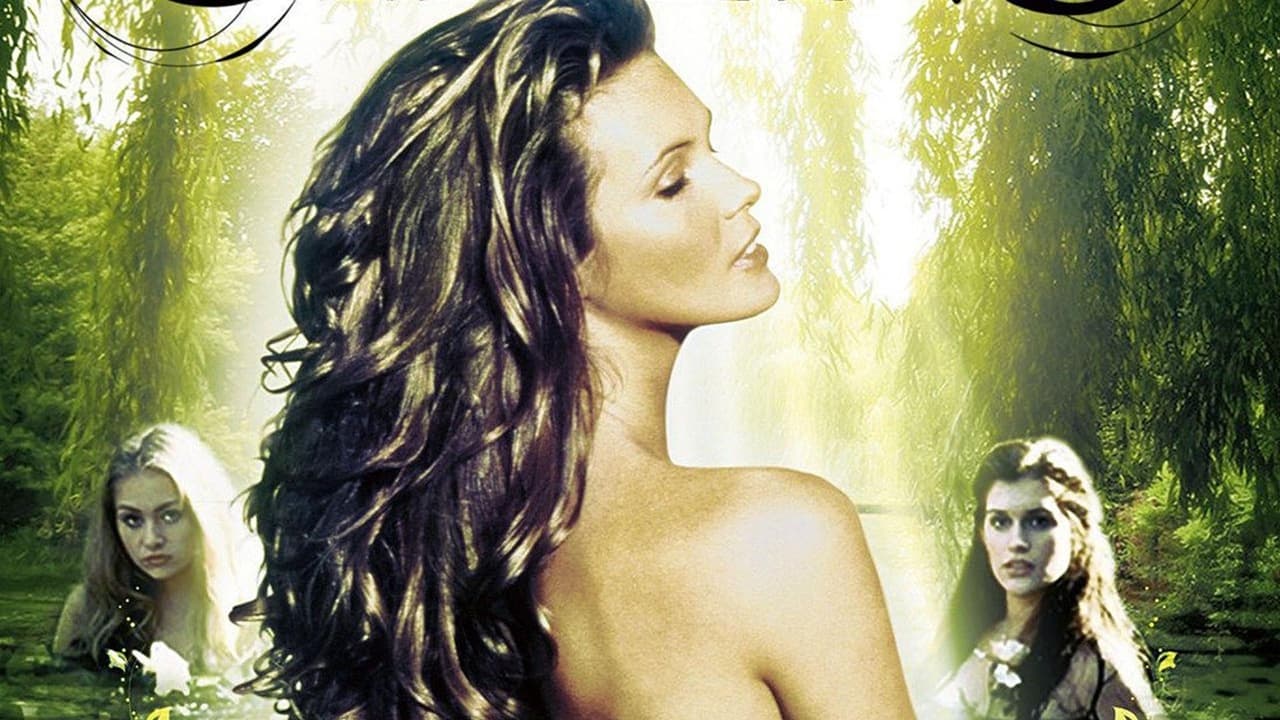
It begins with an arrival, a disruption. A stiffly upright English couple, the Reverend Anthony Campion and his wife Estella, stepping out of their sensible motorcar and into the sun-drenched, almost primal landscape of Australia's Blue Mountains in the 1930s. Their mission seems simple, almost quaint: persuade the notorious artist Norman Lindsay to withdraw a 'blasphemous' artwork depicting a crucifixion with pagan overtones from a public exhibition. But from the moment they arrive at Lindsay's bohemian enclave, it's clear that their ordered, repressed world is about to collide violently, beautifully, with something utterly untamed. Sirens, directed by John Duigan, isn't just about a clash of personalities; it’s a thoughtful, sensual exploration of what happens when rigid conviction meets unapologetic life force.
Into the Lion's Den
The setup is perfectly poised. Hugh Grant, as Reverend Campion, embodies a particular kind of English restraint that feels almost painfully brittle under the expansive Australian sky. This was filmed just before Four Weddings and a Funeral exploded, launching Grant into global stardom, but released shortly after, catching that wave. Seeing him here, you glimpse the charm, but it's buried under layers of theological anxiety and social awkwardness. His struggle isn't just with Lindsay's art, but with the burgeoning curiosity and desire stirred within him by the uninhibited atmosphere. He’s a man terrified of his own shadow, let alone the naked forms wandering Lindsay’s property.
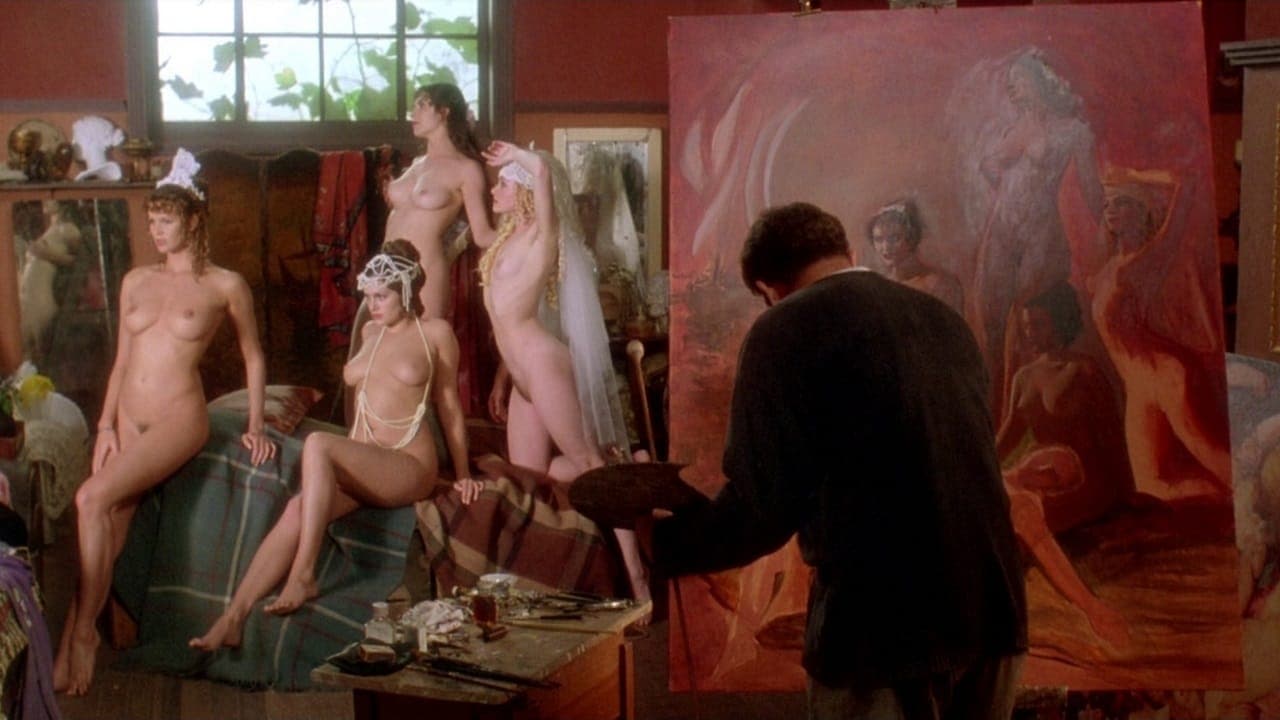
Opposite him, Tara Fitzgerald delivers a truly luminous performance as Estella. Initially just as buttoned-up as her husband, Estella’s journey is the film's emotional core. Fitzgerald charts her transformation—from apprehension to fascination, from intellectual curiosity to a profound sensual awakening—with remarkable subtlety and grace. It’s through her eyes, often wide with a mixture of shock and wonder, that we experience the seductive power of Lindsay's world. Her tentative interactions with the artist, his wife Rose (Pamela Rabe), and the trio of models living freely on the estate form the heart of the narrative.
And then there's Sam Neill as Norman Lindsay himself. Fresh off chasing dinosaurs in Jurassic Park (1993), Neill is wonderfully grounded here as the iconoclastic artist. He portrays Lindsay not as a lecherous provocateur, but as an earthy philosopher, deeply connected to nature and dismissive of dogma. He’s mischievous, intelligent, and utterly comfortable in his own skin, a stark contrast to the Campions. Neill finds the twinkle in Lindsay’s eye, the genuine belief in the pagan vitality he captures in his work. It’s a performance that anchors the film’s sometimes ethereal qualities.
Sun-Drenched Sensuality and Controversy
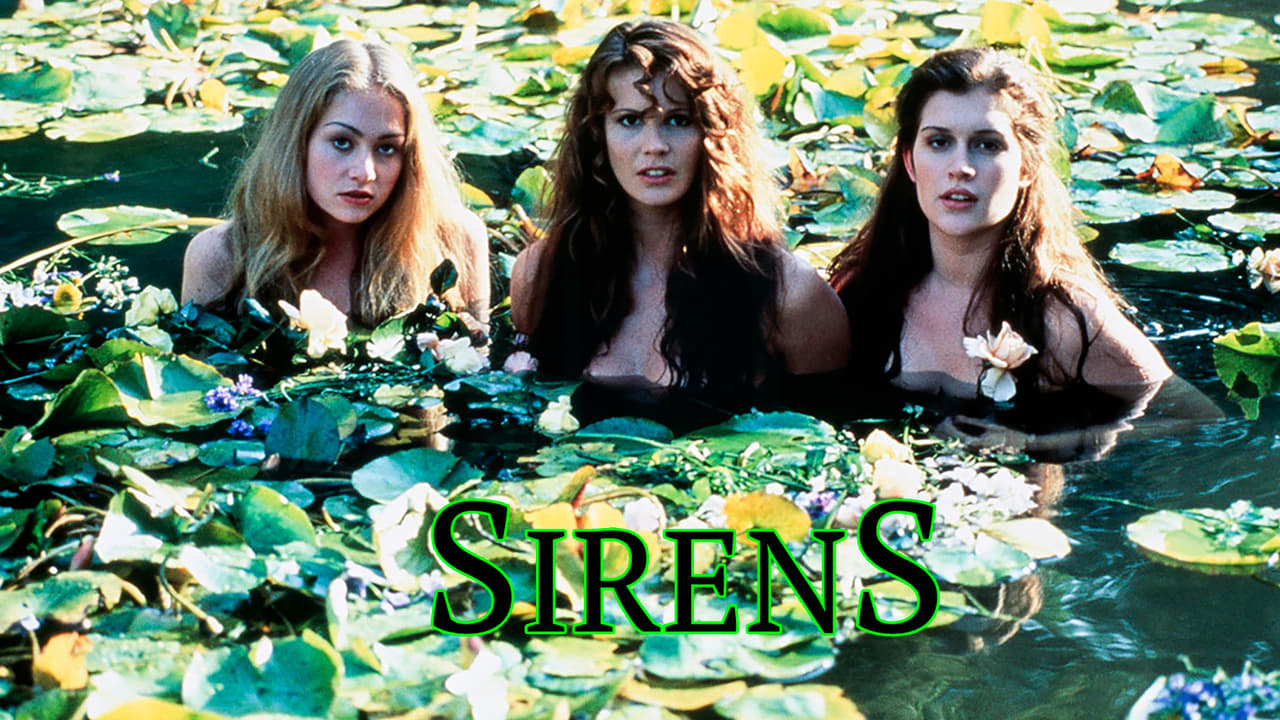
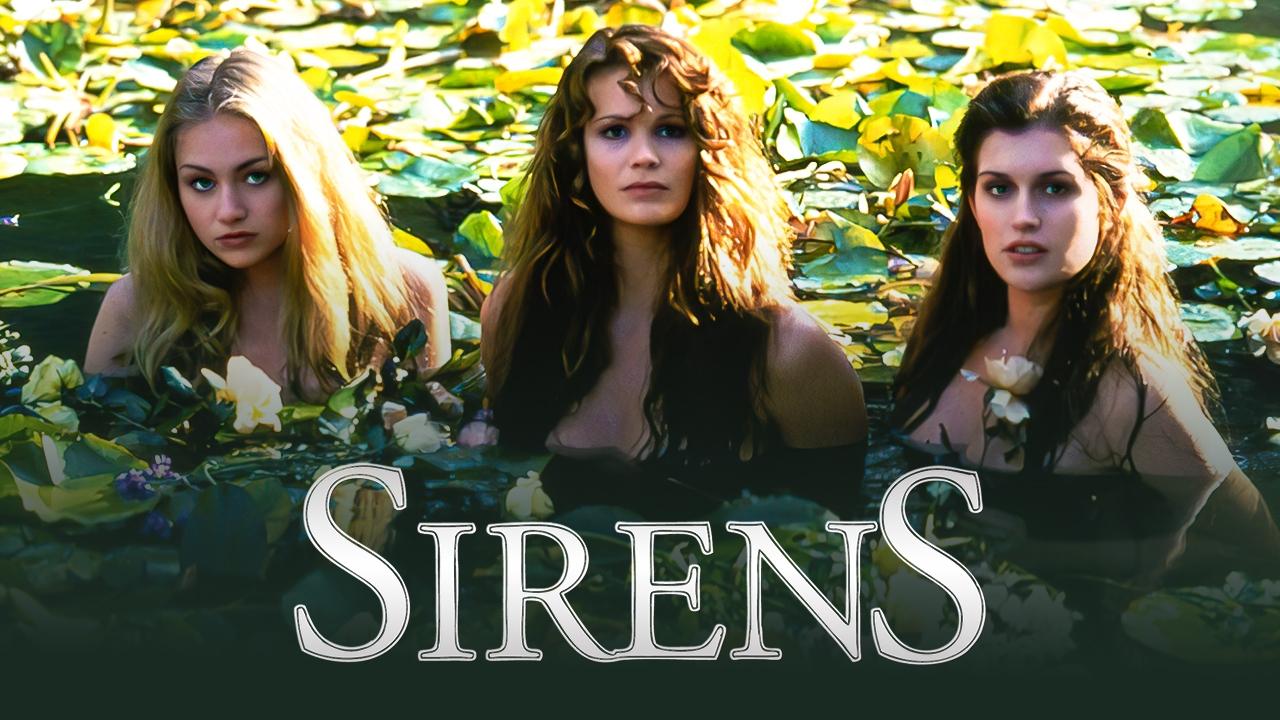
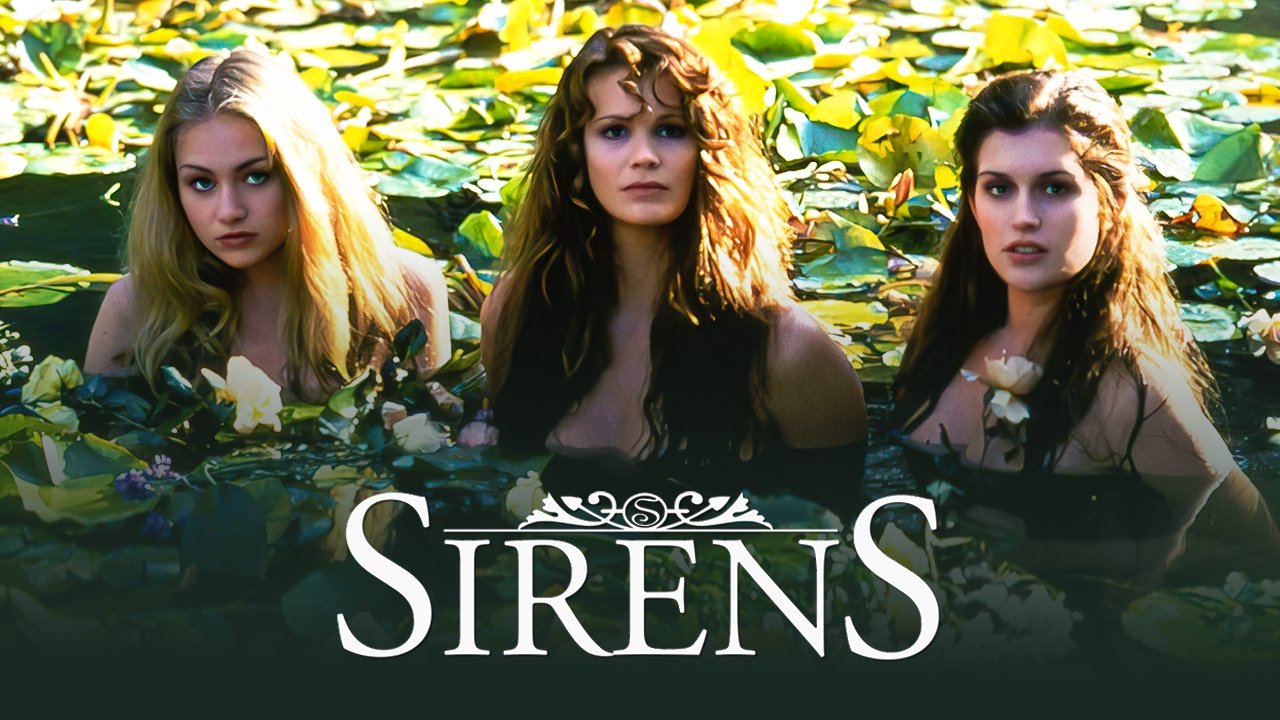
Let’s be honest, many probably rented Sirens back in the day after hearing about the copious nudity, particularly involving supermodel Elle Macpherson in her acting debut, alongside newcomers Portia de Rossi and Kate Fischer. The film certainly doesn't shy away from the human form, leading to a well-publicized battle with the MPAA in the US, which initially slapped it with an NC-17 rating before Miramax managed to secure an R. But watching it now, the nudity feels less like simple provocation and more integral to John Duigan's vision. It’s presented naturally, almost matter-of-factly, aligning with Lindsay’s own artistic philosophy celebrating the body and rejecting prudish societal norms. The "Sirens" of the title aren't just tempting figures; they represent a primal connection to nature and sensuality that the Campions have long suppressed.
Duigan, who also wrote the screenplay and previously gifted us thoughtful Australian films like The Year My Voice Broke (1987) and Flirting (1991), uses the stunning Blue Mountains setting to maximum effect. Cinematographer Geoff Burton captures the light, the landscape, the very texture of the Australian bush, making it almost another character. The environment itself seems to encourage the shedding of inhibitions. Filming took place near Lindsay’s actual home in Faulconbridge, NSW, lending an air of authenticity to the proceedings – you feel you’re stepping into the artist’s real world, a place where conventional rules simply dissolved under the sun.
Beyond the Buzz
While the controversy and Grant's rising star might have dominated headlines back in '94, Sirens offers more than just scandal or a familiar face. It's a deliberately paced film, allowing the atmosphere to seep in, letting the transformations unfold organically. It poses questions about the nature of art, the strictures of religion, and the definition of morality. What truly constitutes blasphemy – challenging depictions of faith, or the denial of life’s essential, sensual beauty? Doesn't the film subtly suggest that embracing the 'pagan' elements of existence might be a path to a more honest form of spirituality?
The supporting cast, including the models and Lindsay’s wife, all contribute to the feeling of a living, breathing community operating by its own rules. The interactions feel genuine, the dialogue often witty and insightful. It captures that specific feel of 90s independent cinema – thoughtful, character-driven, willing to tackle mature themes without flinching. My own faded VHS copy, probably rented from a long-gone local store, held memories not just of the buzz, but of a film that felt surprisingly gentle and searching beneath its potentially shocking surface.
Final Thoughts
Sirens is a beautifully crafted period piece that uses its controversial elements to explore profound themes of repression, liberation, and the power of art and nature. Anchored by strong performances, particularly from Tara Fitzgerald and Sam Neill, and Hugh Grant playing effectively against his burgeoning type, it's a film that invites contemplation long after the credits roll. While perhaps remembered by some primarily for its nudity or connection to Grant's fame, its real strength lies in its thoughtful script, gorgeous visuals, and the gentle, persuasive way it argues for embracing life in all its messy, sensual glory.
Rating: 7.5 / 10
Justification: The film scores highly for its thematic depth, excellent performances (especially Fitzgerald and Neill), stunning cinematography, and intelligent script. It successfully integrates its controversial elements into a meaningful exploration of repression versus freedom. It loses a couple of points perhaps for a pacing that might feel slow to some modern viewers, and while Grant is good, his character occasionally feels slightly underdeveloped compared to Estella's richer arc.
Lingering Question: In a world still grappling with censorship and societal pressures, doesn't Sirens' gentle plea for embracing natural sensuality and questioning rigid dogma feel surprisingly relevant? It remains a captivating snapshot of that eternal tension between the spirit and the flesh, bathed in the warm glow of the Australian sun.